Key Takeaways
-
Moisture-wicking undershirts move sweat away from skin but create no airflow, so they struggle in hot, humid conditions where moisture can't evaporate under a dense vest.
-
Vest cooling accessories solve the trapped-heat problem by adding airflow or space between body and armor, which a wicking shirt alone cannot provide.
-
The two options work as a team: a breathable synthetic base layer manages skin moisture while a ventilation product lets that moisture evaporate and heat escape.
-
Avoid cotton base layers, which hold sweat and stay wet; choose synthetic blends with flat seams and a snug, non-bunching fit.
-
Inflatable spacers offer cooling on demand and a slim profile when not needed, while fan systems suit mostly stationary roles but require a charged battery.
-
Gear is only part of heat safety; OSHA and NIOSH stress hydration, rest breaks, gradual acclimatization, and training alongside any cooling accessories.
Picture this: it’s hour nine of a twelve-hour shift, the thermometer hits the mid-90s, and your body armor feels like a wet sleeping bag strapped to your chest. We’ve all heard of that moment. So you start shopping and hit a big question. Should you buy a moisture-wicking undershirt, or invest in cooling accessories for your vest?
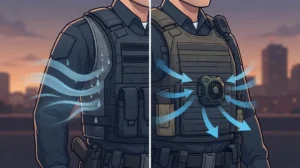
Here’s the good news. This is not a fight with one winner. When you compare vest cooling accessories vs moisture wicking undershirts, you find they solve different parts of the same heat problem. One handles sweat on your skin. The other deals with airflow and trapped heat around your gear.
In this friendly guide, we’ll walk through how each option works, where each one falls short, and how to pick the right mix for your job. Whether you patrol a beat, guard a site, serve on a tactical team, or respond to emergencies, you’ll leave with a clear plan.
Why Heat Builds Up Under a Vest
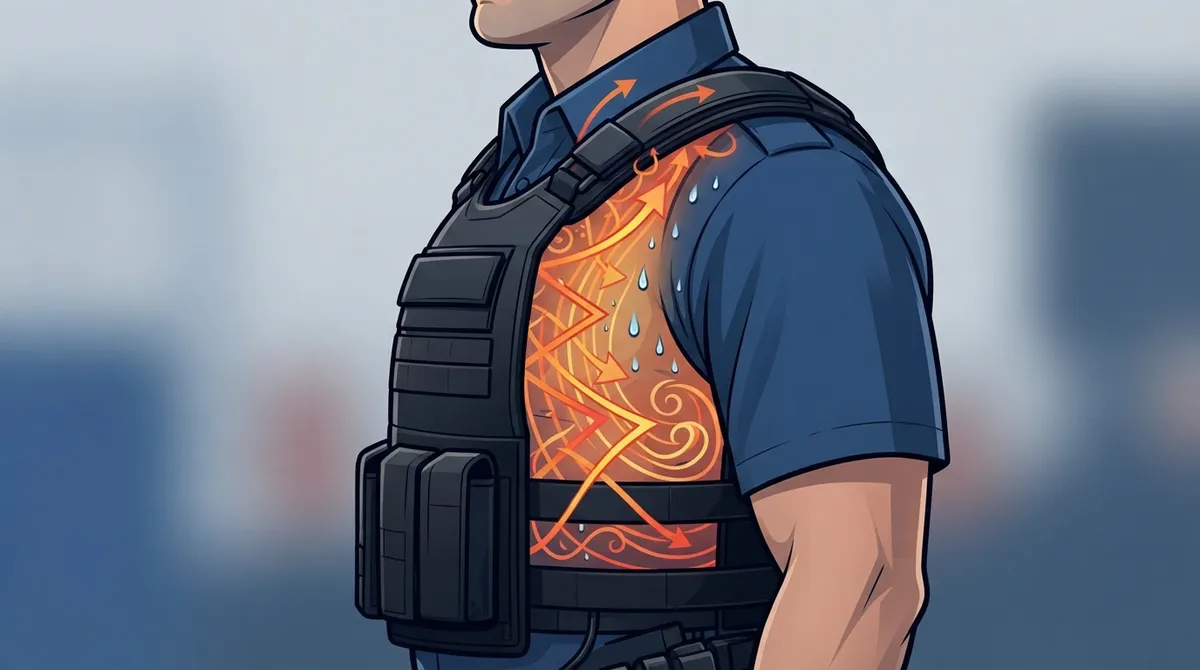
Body armor does its job by being dense and snug. That same design traps heat against your torso. Your body then makes more sweat to cool off, but sweat can’t evaporate if air can’t reach it.
That’s the core problem. Heat and moisture get stuck in a tight space. Over a long shift, that can lead to fatigue, irritation, and a foggy head. If you want to dig into the science, this guide on why vests overheat you breaks it down nicely.
So when we compare these two tools, ask one simple question. Which part of the heat problem does each one fix?
What a Moisture-Wicking Undershirt Actually Does
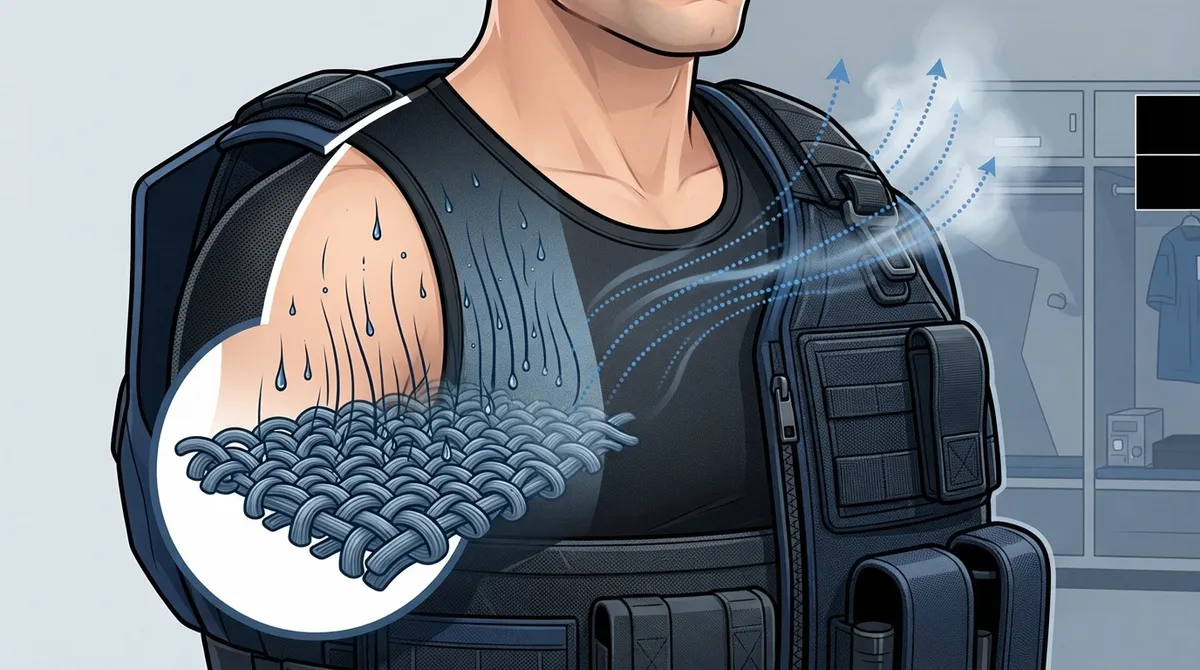
A moisture-wicking undershirt is a base layer. It sits against your skin and pulls sweat away from it. Synthetic performance fabrics can spread that moisture over a larger surface, which helps it evaporate faster.
That sounds great, and it is. A good wicking shirt keeps you from feeling soaked and sticky. It can also cut down on chafing and help with odor.
Where Wicking Shirts Shine
- They are light, cheap, and easy to wash.
- They add almost no bulk under armor.
- They help keep skin drier and more comfortable.
- They need no batteries, pumps, or setup.
Where Wicking Shirts Fall Short
Here’s the catch. A wicking shirt moves sweat, but it does not create airflow. If your vest blocks evaporation, the moisture has nowhere to go. The shirt can only do so much when the air around it is hot and still.
Effectiveness also depends on humidity, workload, and how much your outer gear blocks air. In sticky weather, a wicking shirt alone often can’t keep up. For more on this topic, see our look at how sweat management works under body armor.
What Vest Cooling Accessories Do
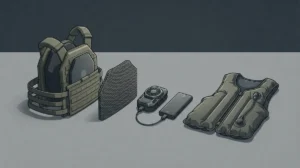
Vest cooling accessories work on a different part of the problem. Instead of managing sweat on your skin, they change what happens in the space between you and your armor. Several types exist, and each works a bit differently.
Passive Spacer Layers
Passive layers create a gap between your body and your vest. That gap lets air move around without batteries. How well it works depends on fit, construction, and movement. They do not remove heat the way a powered fan does, but they can help a little with no extra gear to charge.
Inflatable Ventilation Layers
Inflatable systems let you add space on demand. You inflate them when it’s hot and flatten them when it’s not. That flexibility is a big plus for people who need a slim profile at times. We cover the basics in how a bulletproof vest inflatable cooling pad works.
Active Fan Systems
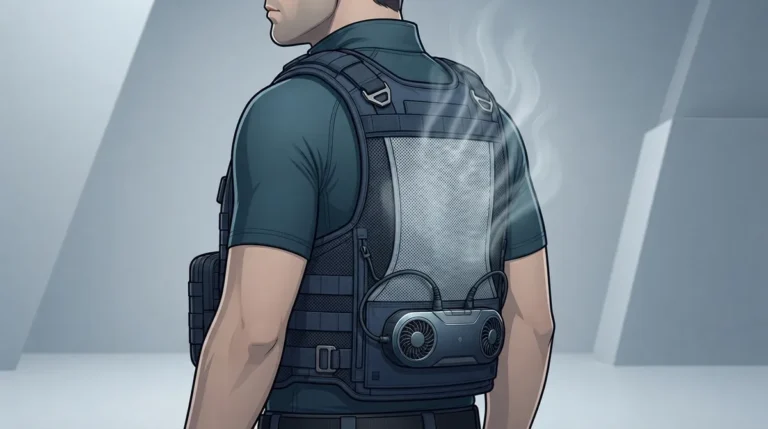
Fan systems use battery power to move air under your armor. They can be a strong choice when you are mostly stationary, such as in a patrol car, at a checkpoint, or on a post. They do add parts and need a charged battery. Runtime and noise vary by model, so always check the maker’s specs. For a deeper dive, read how an active cooling system works in ventilation vests.
Evaporative Wraps and Ice Packs
These give temporary cooling. But they have limits, like needing water or a freezer, adding weight, and fading over time. Their results also depend on climate. If you’re curious, compare them in fans vs. ice packs for thermal regulation.
Vest Cooling Accessories vs Moisture Wicking Undershirts: Side-by-Side
Let’s put the two options head to head. This table shows what each one does best.
| Feature | Moisture-Wicking Undershirt | Vest Cooling Accessories |
|---|---|---|
| Main job | Moves sweat away from skin | Adds airflow or space under armor |
| Handles trapped heat | Limited | Yes, to varying degrees |
| Needs power | No | Only for fan systems |
| Added weight | Very low | Low to moderate |
| Cost | Low | Low to moderate |
| Best for | Skin comfort and dryness | Heat relief under gear |
The takeaway is simple. A wicking shirt is a smart base. Cooling accessories add what the shirt can’t, which is real airflow and space. Most people do best using both.
Why Pairing Them Works Best
Think of it like a team. The undershirt manages moisture at the skin. The ventilation product moves air so that moisture can actually evaporate and heat can escape.
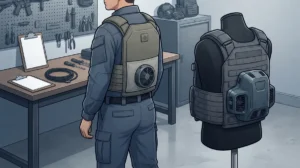
A breathable wicking shirt under a compatible ventilation vest is a common and sensible setup. Just check that your layers fit well. They should not interfere with your protective gear, required coverage, or range of motion. If you want help matching gear, our guide on how to choose vest accessories that keep you cool under armor is a great next stop.
How to Build Your Cooling Setup in 6 Steps
Ready to put this into practice? Follow these steps to build a setup that fits your shift.
- Check your conditions. Note the heat, the humidity, and how long you wear your vest. A dry 90 degrees feels different from a muggy 85.
- Think about your movement. If you’re active and on foot, you may lean toward lightweight, low-profile options. If you sit a lot, a fan can shine.
- Start with a good base layer. Pick a snug, breathable, moisture-wicking undershirt. Avoid cotton, which holds sweat and stays wet.
- Add airflow under your armor. Choose an inflatable layer, a spacer, or a fan based on your needs. Make sure it fits your armor style.
- Test the fit before your shift. Wear the full setup at home or on a short run. Check comfort, mobility, and how your gear sits.
- Fine-tune over time. Adjust your inflation, fan speed, or layers as the season changes.
For more ideas on getting ready, try how to prepare body armor for a hot shift.
Picking the Right Base Layer Fabric
Not all undershirts are equal. The fabric matters a lot, so here’s what to look for.
- Synthetic blends: Polyester and similar fabrics move sweat well and dry fast.
- Flat seams: These cut down on rubbing under tight armor.
- Breathable knit or mesh zones: They help air pass through.
- A snug but not tight fit: This keeps the shirt from bunching up under your vest.
- Odor control: Handy for long shifts and daily wear.
Want a deeper list? Check the roundup of the best moisture wicking vests for body armor comfort in 2026. And if sweat odor is a problem, here’s how to stop body armor from smelling like sweat.
Where BluHalo and Blufano Fit In
If you want a ventilation product that works well with a wicking shirt, BluHalo is a standout choice. It was created by a Chicago police officer who knew the heat problem firsthand. It weighs under 7 ounces, sits flat when deflated, and can lift your vest up to about 1.5 inches off your body when inflated. That gap gives air room to move and heat room to escape.
You attach it to a clean vest with Velcro, inflate it with a small pump, and deflate it with a button when you want a slim profile. That “cooling-on-demand” idea is great when your day changes from a hot patrol to a quick indoor stop. You can see the full details on the BluHalo page.
When you need active airflow, Blufano adds a fan-driven option. It’s a self-contained unit with a patented air-redirect spout that slides under body armor, with adjustable airflow that can run roughly 8 to 32 hours depending on the setting. It also has a built-in 10,000mAh power bank and a forward-facing light. Learn more on the Blufano page.
Many wearers use both together. BluHalo makes the gap, and Blufano moves the air through it. See 8 steps to use BluHalo and Blufano together for a walkthrough, or compare them in BluFano vs BluHalo: which cooling vest fits you.
Best Picks by Job Type
Your work shapes your setup. Here’s a quick guide to match your role with a smart combo.
- Patrol officers: A wicking shirt plus an inflatable layer like BluHalo, with a fan for long car-time shifts.
- Military personnel: A breathable base layer with active airflow for long, hot missions. See how to master body armor heat management for military use.
- Security professionals: A comfortable wicking shirt and a low-profile airflow add-on for posts that last all day.
- Tactical and SWAT teams: A slim base layer and a quiet, reliable airflow system. Weight and fit matter most here.
- Emergency responders: A moisture-managing base and a system that fits your protective gear. Check how to choose first responder cooling equipment.
Common Mistakes to Avoid
A few slip-ups can ruin an otherwise good setup. Keep an eye out for these.
- Wearing cotton as a base layer, which stays wet and clammy.
- Relying on a wicking shirt alone in hot, humid weather.
- Skipping the fit test, which can cause shifting or rubbing.
- Forgetting to charge fan batteries before a shift.
- Adding layers that block your armor’s coverage or movement.
For a longer list, see 12 cooling vest mistakes to avoid under body armor.
Gear Is Only Part of the Plan
Here’s an important reminder. Clothing and cooling accessories do not replace a real heat safety plan. Agencies like OSHA and NIOSH stress broader steps, including checking heat exposure, getting used to the heat slowly, training, hydration, rest breaks, and smart work controls.
In fact, OSHA’s 2024 proposed heat rule describes cooling gear such as vests, neck wraps, and fans as options that can be made available to workers. It treats them as one tool, not a full solution. You can read the agency’s guidance on OSHA heat stress and learn about armor standards through the National Institute of Justice body armor resources.
Follow your workplace procedures, drink water, and take breaks when you can. If you think someone has heat illness, get medical help right away. Our post on heat stress vs. heat illness is worth a read.
A Quick Note on Staying Informed
Choosing gear is easier when you know where to look. If you run a small gear shop or training outfit and want help with trim work, you might like the folks at Bucheli Trim for your space. And if you want your own business site to be easier to find online, SEO Rocket can help with that side of things.
Final Thoughts and Next Steps
So, who wins the matchup of vest cooling accessories vs moisture wicking undershirts? Honestly, you do, when you use both. The undershirt keeps your skin drier, and the ventilation gear gives heat and moisture a way out. Together they handle both halves of the problem.
If you’re ready to feel cooler on your next shift, start with a solid base layer. Then add airflow with BluHalo, Blufano, or both for the best results. Have questions about fit or which setup suits your job? Just reach out to the BluHalo team and we’ll point you in the right direction. Stay cool and stay safe out there!
FAQs
Q: What is the difference between a ventilation vest and a moisture-wicking undershirt?
A: A moisture-wicking undershirt is a base layer that pulls sweat away from your skin. A ventilation product like BluHalo creates space or airflow under your armor so heat and moisture can escape. They do different jobs, so they work best as a pair.
Q: Can I wear a moisture-wicking shirt under a ventilation vest or body armor?
A: Yes, and it’s a smart combo for most people. Choose a snug, breathable shirt with flat seams so it doesn’t bunch up. Just make sure your layers don’t interfere with your armor’s coverage, fit, or movement.
Q: Are fan-powered vest accessories worth it for long shifts?
A: They can be, especially if you spend a lot of time sitting or standing still. A system like Blufano adds ongoing airflow and runs for hours depending on the setting. Always check the maker’s specs for runtime and noise, and keep your battery charged.
Q: Do cooling accessories replace heat illness prevention steps?
A: No, they don’t. Gear helps with comfort, but OSHA and NIOSH stress hydration, rest breaks, training, and slowly getting used to the heat. If you suspect heat illness, follow your workplace plan and seek medical help right away.