Key Takeaways
-
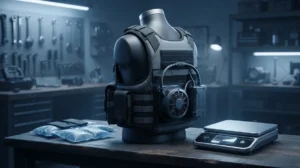
Cooling vests effectively reduce core temperature, moisture buildup, and heat-related injuries under body armor when designed specifically for under-armor use with proper fit and airflow mechanisms.
-
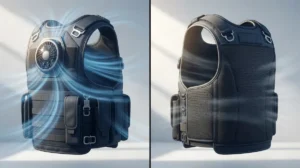
Create adequate space between body and armor (at least 1.5 inches) using inflatable or gap-creating vests—flush-fitting gear prevents air circulation and negates cooling benefits.
-
Pair cooling vests with moisture-wicking base layers instead of cotton, and start using cooling systems at the beginning of your shift rather than waiting until you feel overheated.
-
Choose between passive cooling (moisture-wicking, no power) for mobile duty or active fan systems (8-32 hour runtime) for stationary/extreme heat environments based on your specific role.
-
Cooling vests improve officer performance by reducing fatigue, enhancing focus, and maintaining reaction time—treat them as essential protective equipment, not optional comfort gear.
-
Match your cooling solution to environmental conditions: active fan systems work better in humid climates, while passive ventilation or phase-change materials suffice in dry heat.
If you wear body armor every day, you already know the struggle. Heat builds up fast. Sweat soaks through your uniform. Your focus starts to slip. It’s not just uncomfortable — it can be dangerous. The good news is that a cooling vest can absolutely help under body armor. But only if you use it the right way.
So, does a cooling vest help under body armor? Yes — and the science backs it up. Best Vest Cooling Systems research shows that ventilation solutions reduce moisture buildup, improve airflow, and help prevent heat-related injuries during long shifts. The global market for tactical body ventilation gear was valued at USD 0.48 billion in 2026 — and it’s growing fast for a reason.
But many officers, soldiers, and security pros make critical mistakes that cancel out the benefits. Let’s walk through the 12 most common cooling vest mistakes to avoid, so you can stay cool, focused, and comfortable all shift long.
Why Heat Under Body Armor Is a Real Problem
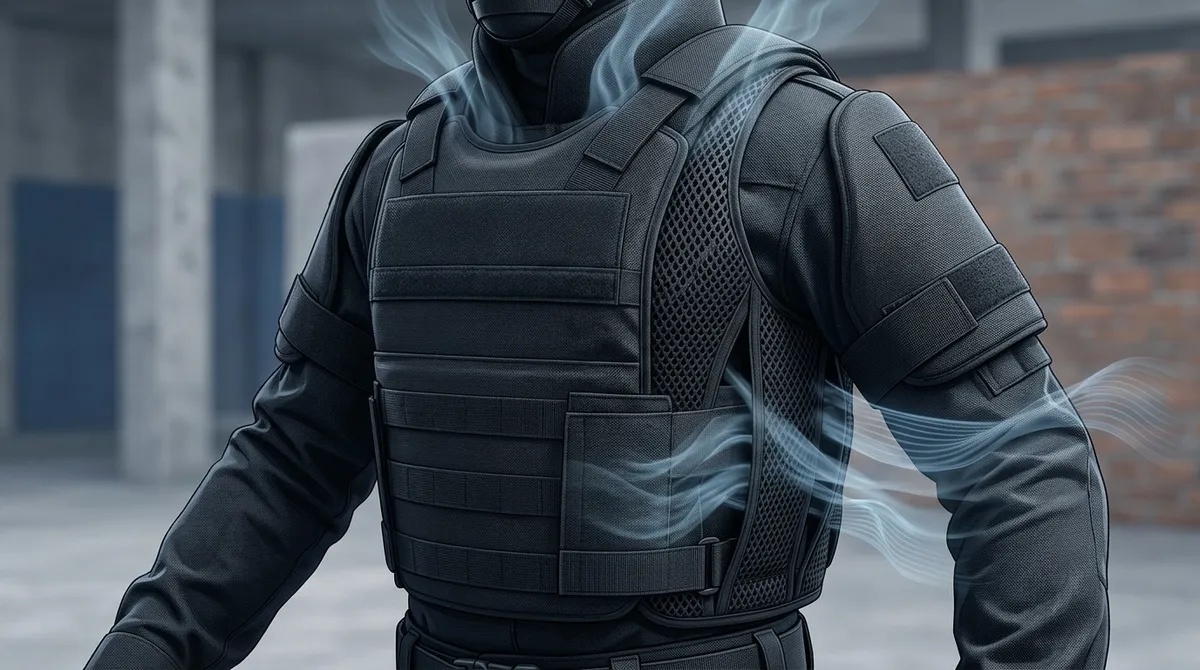
Body armor traps heat like a wall. It blocks natural airflow between your skin and the outside air. The result? Your core temperature rises faster than it should. According to the OSHA Heat Stress Guide, heat stress can cause serious health issues, including heat exhaustion and heat stroke, especially during physical activity in hot environments.
For law enforcement, military, and emergency responders, this isn’t a minor annoyance. It’s a performance and safety issue. That’s why police officers need a cooling system under their vest — and why choosing the right one matters so much.

The 12 Cooling Vest Mistakes That Hurt Your Comfort
Mistake 1: Choosing a Cooling Vest That Doesn’t Fit Under Armor
Not every cooling vest is designed to fit under body armor. Some are too bulky. Others add too much pressure against the plates. Always pick a vest built specifically for under-armor use. The BluHalo ventilation vest weighs under 7 ounces and sits completely flat when deflated — making it ideal for everyday wear under a ballistic vest.
Mistake 2: Skipping the Break-In Period
New ventilation gear needs an adjustment period. Don’t expect instant perfection on day one. Wear it for shorter shifts first. Let your body get used to the new airflow and positioning. This small step makes a big difference in long-term comfort.
Mistake 3: Ignoring Passive vs. Active Cooling Differences
Passive cooling uses moisture-wicking fabrics and airflow channels — no power needed. Active cooling uses fans or powered air circulation to force fresh air under your armor. Each works differently depending on your situation. Comparing passive vs. active tactical vest ventilation can help you choose the right fit for your role.
| Cooling Type | How It Works | Best For | Power Required? |
|---|---|---|---|
| Passive Cooling | Moisture-wicking, airflow channels | Low-intensity, mobile duty | No |
| Active Cooling (Fan) | Fan-driven air circulation | Stationary or hot environments | Yes |
| Phase-Change Material | Absorbs and releases heat | Short, intense heat exposure | No (pre-activated) |
| Inflatable Air Gap | Creates space between body and armor | All-day comfort under armor | No (manual pump) |
Mistake 4: Not Creating Enough Space Between Body and Armor
The biggest reason heat traps under armor is the lack of space for air to move. If your vest sits flush against your body, no cooling solution will work well. Look for products that create a gap between your skin and the armor panels. The BluHalo vest lifts body armor up to 1.5 inches off the body when inflated, allowing heat and moisture to escape freely.
Mistake 5: Using the Wrong Base Layer
Your base layer matters more than you think. A cotton undershirt holds sweat against your skin. That makes everything worse. Switch to a moisture-wicking fabric that pulls sweat away from your body. This pairs perfectly with a ventilation vest. Check out resources on the best moisture-wicking vests for body armor comfort to find the right combo.
Mistake 6: Only Using Cooling Gear When You Feel Hot
By the time you feel overheated, your body temperature has already risen too much. Cooling gear works best when used from the start of your shift — not as a last resort. Make it part of your standard gear routine. Preventing heat stress while wearing body armor is about staying ahead of the heat, not reacting to it.
Mistake 7: Forgetting to Charge or Maintain Your Active Cooling Device
Active cooling vests and fan systems need power. Forgetting to charge your device before a long shift is a rookie mistake. The Blufano fan system includes a built-in 10,000mAh power bank and runs for 8–32 hours depending on the fan setting — but even that needs to be charged before your shift starts. Build charging into your pre-shift checklist.
Mistake 8: Buying Without Checking Real User Reviews
Don’t just read product descriptions. Look for honest feedback from people in your field — officers, soldiers, security pros. Real users will tell you what actually works on a 12-hour shift in 95-degree heat. Visit the BluHalo reviews page to see testimonials from officers who have tested these products in real conditions.
Mistake 9: Choosing Style Over Function
A cooling vest that looks great but restricts movement is useless in the field. Prioritize function. It should fit snugly without adding bulk, allow full range of motion, and stay in place during physical activity. According to Body Armor Standards from the NIJ, comfort and fit directly impact how consistently protective gear is worn — and the same principle applies to cooling accessories.
Mistake 10: Not Matching Your Gear to Your Environment
What works in a dry desert heat may not work in humid summer patrol conditions. Different environments need different solutions. In high-humidity environments, active fan systems shine because they force fresh, drier air underneath the armor. In dry heat, passive ventilation or phase-change materials may work just as well. Review how to choose law enforcement gear for hot climates to match your solution to your conditions.
Mistake 11: Ignoring the Impact on Performance and Focus
Heat doesn’t just make you uncomfortable. It slows your reaction time. It clouds your judgment. It wears you down faster. Officers and soldiers who use proper ventilation systems report better focus, reduced fatigue, and improved endurance. Body armor ventilation is a game changer for officers — not just a comfort upgrade, but a performance tool.
Mistake 12: Treating Cooling Gear as Optional
This is the biggest mistake of all. Professionals in hot environments are at real risk of heat-related illness. Cooling gear under body armor isn’t a luxury — it’s essential protective equipment. Just like your vest protects you from external threats, your ventilation system protects you from internal heat buildup. Make it standard issue for your setup.

How the Right Cooling Vest Works Under Body Armor
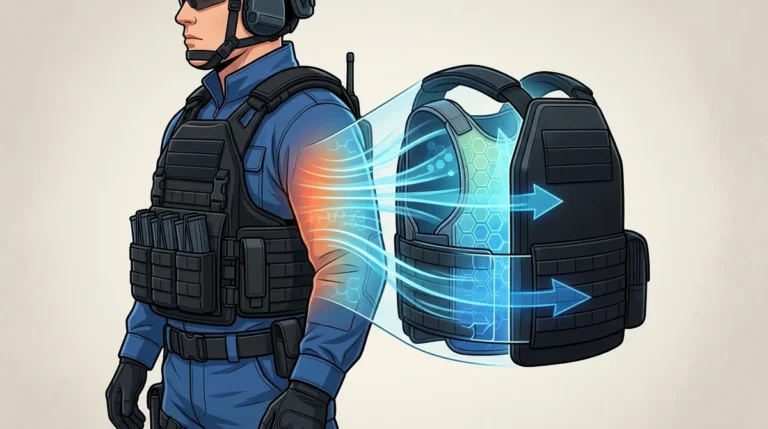
The best cooling vests for under-armor use work by creating airflow in a space that would otherwise be sealed off from any ventilation. This is how active cooling systems work in ventilation vests — by pushing fresh air under your armor panels so heat and sweat can escape.
Here’s a quick breakdown of what the right cooling system should deliver:
- Reduced core temperature during extended wear
- Less moisture buildup against your skin
- Improved comfort during high-intensity situations
- Better focus and endurance throughout your shift
- A low-profile design that doesn’t interfere with your gear
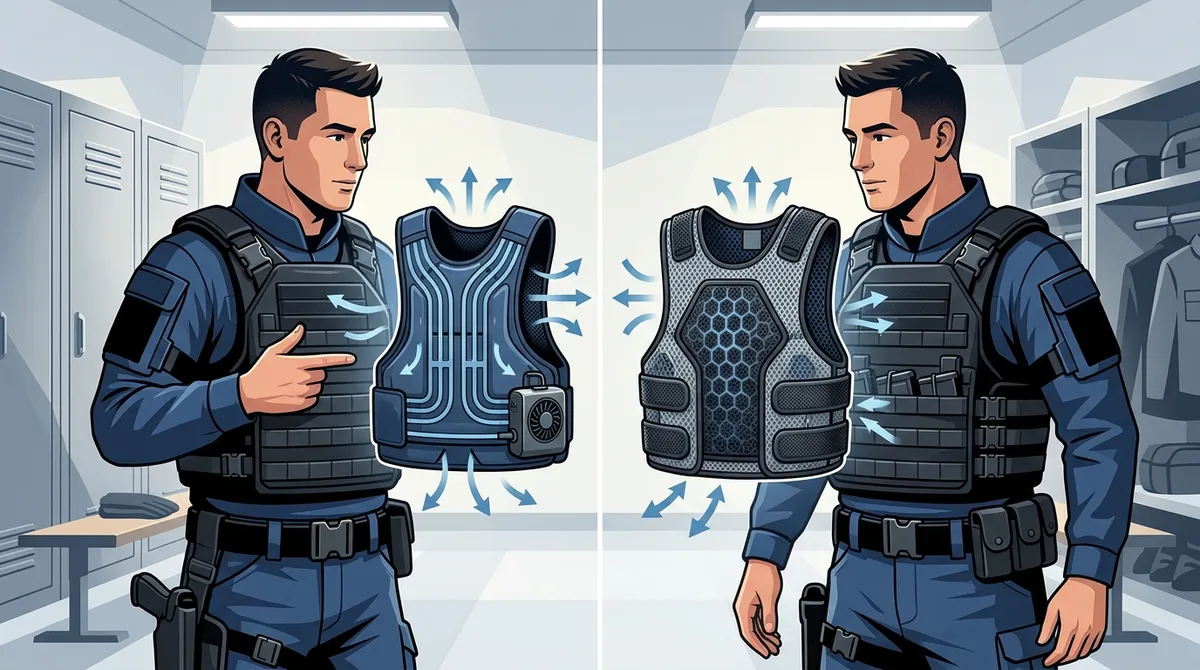
Comparing Top Cooling Methods for Body Armor
| Product/Method | Cooling Approach | Key Benefit | Ideal User |
|---|---|---|---|
| BluHalo Vest | Inflatable air gap (passive) | Lifts armor 1.5″, ultra-lightweight | Officers, security, daily wear |
| Blufano Fan System | Active fan-driven airflow | 8–32 hr runtime, built-in power bank | Patrol, tactical, extended shifts |
| Phase-Change Vest | Heat absorption material | No power needed, fast initial cooling | Short missions, intense heat exposure |
| Moisture-Wicking Layer | Fabric wicking | Pulls sweat away from skin | All users as a base layer |
What to Look for When Choosing a Cooling Vest for Body Armor
Not all cooling vests are created equal. Here’s what matters most when you’re choosing one for under-armor use:
- Low profile and lightweight design — It shouldn’t add bulk or interfere with your gear.
- Compatibility with your armor style — Works with soft armor, plate carriers, and tactical vests.
- Effective airflow mechanism — Either creates a physical gap or actively circulates fresh air.
- Durability for daily duty use — Built to handle the physical demands of professional work.
- Easy to use on the job — Simple controls or inflation mechanism that works during a shift.
If you want to learn more about matching the right gear to your specific role, check out how to choose the right body armor ventilation vest in 2026.
Who Benefits Most from Cooling Vests Under Body Armor
The short answer? Anyone who wears protective gear in warm conditions. But some professionals benefit more than others. Here’s a quick breakdown:
- Law enforcement officers — Daily patrol in warm climates makes cooling essential for performance and health.
- Military personnel — Deployed soldiers in high-heat environments need thermal management for extended missions.
- Security professionals — Armed guards who stand or patrol for hours need ongoing cooling relief.
- SWAT and tactical teams — High-intensity operations with heavy armor demand advanced ventilation technology.
- Emergency responders — Firefighters and hazmat teams face extreme heat conditions where cooling gear can prevent serious injury.
For emergency response professionals specifically, choosing emergency responder gear that keeps you cool is a critical safety decision, not just a comfort preference.
Real Numbers Behind the Cooling Vest Market
| Year | Market Value (USD Billion) | Growth Driver |
|---|---|---|
| 2025 | 0.45 | Rising demand from military and law enforcement |
| 2026 | 0.48 | Expanding to industrial and security sectors |
| 2034 (projected) | 0.82 | CAGR of 6.9%, driven by heat safety awareness |
The numbers tell the story. Demand for body armor ventilation options in 2026 is rising steadily as more professionals recognize that heat management is non-negotiable. It’s not a trend — it’s a growing standard of care for anyone who wears protective gear.
Quick Tips to Maximize Your Cooling Vest Performance
Getting the most out of your cooling vest isn’t complicated. Follow these simple steps:
- Put on your ventilation vest before your armor — not after.
- Secure it properly so it doesn’t shift during movement.
- Combine it with a moisture-wicking base layer for the best results.
- If using an active system, charge it the night before your shift.
- Use the cooling function from the start of your shift, not just when you’re already overheated.
For a deeper dive into performance tips, read about how to use the BluHalo ventilation vest for maximum comfort.
Final Thoughts
Does a cooling vest help under body armor? Absolutely — when you choose the right one and use it correctly. Avoiding these 12 mistakes puts you ahead of most professionals who suffer through hot shifts unnecessarily. The right ventilation system won’t just make you more comfortable. It will help you perform better, stay safer, and last longer on the job.
Whether you’re a patrol officer dealing with summer heat or a soldier on a long mission, smart cooling gear is part of your protective kit. Solutions like the BluHalo vest and Blufano fan system were built specifically for this challenge — by someone who lived it every day on the job.
Ready to stop suffering through hot shifts? Get in touch with our team to find the right ventilation solution for your specific needs, or browse the full shop to see your options today.
FAQs
Q: Does a cooling vest actually help under body armor?
A: Yes, it really does! A good cooling vest reduces heat buildup, improves airflow, and helps sweat evaporate faster — all under your armor where it matters most. The key is choosing a vest designed specifically for under-armor use, like the BluHalo, which creates a physical air gap between your body and the armor panels.
Q: What is the difference between passive and active cooling vests for body armor?
A: Passive cooling uses moisture-wicking fabrics and built-in airflow channels to move heat away without any power source — great for mobility-focused roles. Active cooling, like the Blufano fan system, uses a small powered fan to force fresh air continuously under your armor, which is especially helpful when you’re stationary or working in extreme heat.
Q: Can you wear a cooling vest under a plate carrier?
A: Absolutely! Many ventilation vests are designed to fit under plate carriers as well as soft body armor. The BluHalo inflatable vest, for example, works with any armor style and stays flat and unobtrusive until you inflate it to create that comfortable cooling air gap.
Q: How long does an active cooling vest last on a single charge?
A: It depends on the device and settings. The Blufano fan system, for instance, runs for 8 to 32 hours depending on which fan speed setting you use — easily covering a full shift and then some. Just remember to charge it before your shift starts so you never run out mid-duty!
Q: Are cooling vests safe to wear under bulletproof vests?
A: Yes, cooling vests designed for under-armor use are completely safe to wear under bulletproof vests. They are built to be low-profile, lightweight, and non-obstructive, so they don’t compromise the protective performance of your body armor in any way.