Key Takeaways
-
Heat buildup under body armor significantly impacts decision-making, reaction time, and physical endurance; overheating officers may remove or wear armor incorrectly, creating serious safety risks rather than just comfort issues.
-
Active fan systems (8-32 hour runtime) deliver superior cooling in hot, humid climates and long shifts, while passive foam inserts work adequately for mild conditions and short duty periods under 4 hours.
-
Verify product compatibility with your specific plate carrier or concealable vest before purchasing, as poor fit can block airflow channels and actually reduce ventilation effectiveness instead of improving it.
-
Pair breathable accessories with moisture-wicking base layers and maintain regular cleaning of ventilation channels to prevent sweat and grime buildup that reduces airflow performance over time.
-
Choose based on your specific heat problem—identify whether you face constant moisture buildup during outdoor patrols, long vehicle rides, or high-intensity operations to select the right cooling solution.
-
Invest in durable, quality materials that maintain their ventilation structure through repeated daily use and washing, as cheap inserts collapse quickly and lose effectiveness within weeks.
If you wear body armor for work, you already know the struggle. Heat builds up fast. Sweat soaks through your uniform. After a few hours, that vest feels like a sauna strapped to your chest. It’s uncomfortable, distracting, and — according to the OSHA Heat Stress Guide — potentially dangerous to your health and performance on the job.
The good news? The right breathable body armor accessories can change everything. From passive foam inserts to active fan systems, there are real solutions designed to move heat and moisture away from your body while you work. This guide walks you through exactly how to choose the best options for your needs, budget, and daily mission.
Whether you’re a patrol officer, a soldier, a security professional, or an emergency responder, keep reading. The right setup is closer than you think.

What Are Breathable Body Armor Accessories?
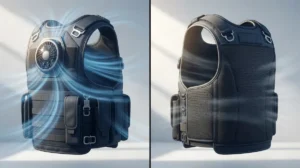
Breathable body armor accessories are products designed to improve airflow under your vest. They don’t replace your armor’s protection. Instead, they add a layer of comfort and cooling between your body and the armor itself.
These accessories work in a few different ways. Some create a physical air gap between your skin and the vest. Others use perforated padding or foam channels to let air move around freely. The most advanced options use small fan systems to push fresh air under the armor continuously. You can learn more about the differences in this breakdown of passive vs. active body armor ventilation.
The goal is simple: keep you cooler, drier, and more focused during long shifts or high-intensity operations.

Why This Matters More Than You Think
Heat isn’t just uncomfortable. It affects decision-making, reaction time, and physical endurance. When you’re overheating under a plate carrier or ballistic vest, your body is working overtime just to regulate temperature — leaving less energy for the job that actually matters.
According to Body Armor Standards research, officer compliance with wearing body armor drops significantly when discomfort is high. That means heat isn’t just a comfort issue — it’s a safety issue. Officers and soldiers who are too hot may remove their armor or wear it incorrectly, putting themselves at risk.
Good breathable body armor accessories help solve this problem at the source. Check out why breathable body armor matters for an even deeper look at this topic.
Types of Breathable Body Armor Accessories
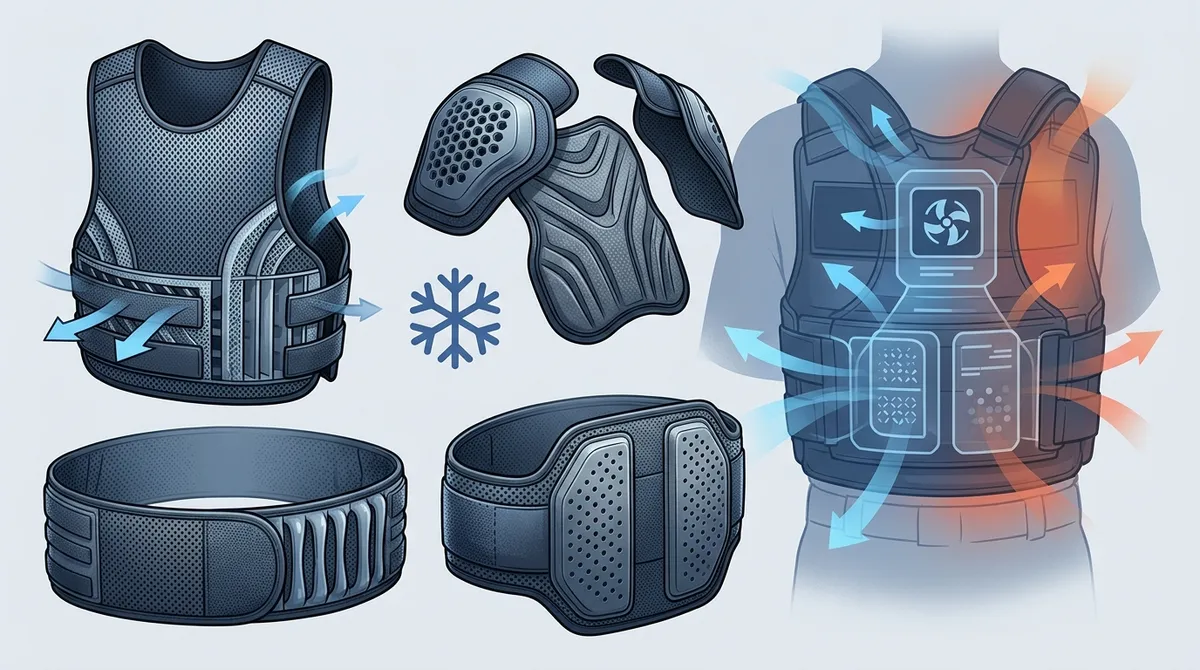
Not all ventilation accessories are the same. Here’s a quick breakdown of the main types available in 2026:
| Type | How It Works | Best For | Cooling Level |
|---|---|---|---|
| Foam/Channel Inserts | Creates air pockets via foam structure | Light-duty, everyday wear | Low to moderate |
| Honeycomb Padding | Perforated structure allows airflow | Concealable vest wearers | Moderate |
| Inflatable Air Gap Vests | Lifts armor off the body on demand | Patrol officers, security pros | Moderate to high |
| Active Fan Systems | Pushes fresh air continuously under armor | High-heat or long-shift environments | High |
Each type has its place depending on your role, environment, and how long you’re on the job. For a comprehensive look at your options, explore these best body armor ventilation options for 2026.

Step-by-Step: How to Choose the Right Breathable Body Armor Accessories
Ready to find your perfect setup? Follow these steps to make a smart, informed decision.
Step 1: Identify Your Heat Problem
Start by asking yourself where and when you get the hottest. Is it during outdoor patrols in summer heat? Long vehicle rides where you can’t cool down? High-intensity tactical operations? Your answer will guide everything else.
If you’re experiencing constant moisture buildup and skin irritation, you need something that actively moves air — not just a foam insert. For patrol officers dealing with long hot shifts, understanding why heat builds up under body armor is a great starting point.
Step 2: Understand Passive vs. Active Cooling
Passive cooling accessories rely on natural airflow and evaporation. They don’t use any power source. They’re lightweight, simple, and better than nothing. But they have limits — especially in hot, humid climates where there’s little natural air movement.
Active cooling systems use fans or other powered mechanisms to circulate air continuously. They cost more and need charging, but they deliver real, consistent relief. If your job puts you in extreme heat regularly, active cooling is worth the investment. See this detailed comparison of passive vs. active tactical vest ventilation to weigh the trade-offs.
Step 3: Check Compatibility With Your Armor
Not every accessory fits every vest. Before you buy, confirm that the product works with your specific plate carrier or concealable ballistic vest. Most quality products are designed to fit a wide range of armor styles, but it’s always worth checking.
Look for accessories that adjust to your vest size and body shape. A poor fit can actually reduce ventilation by blocking natural airflow channels instead of improving them.
Step 4: Consider Your Shift Length and Environment
A security guard working a 4-hour shift in mild weather has different needs than a soldier on a 12-hour mission in 100-degree heat. Match the product’s performance to your real-world conditions.
For active fan systems, battery life matters a lot. Some systems offer 8 to 32 hours of runtime depending on the fan speed setting — which is more than enough for even the longest shifts. For seasonal and climate-specific advice, check out these hot weather gear essentials for body armor wearers.
Step 5: Look at Material and Durability
Your gear needs to hold up in tough conditions. Look for materials that are moisture-resistant, easy to clean, and built to last through daily use. Cheap inserts break down quickly and lose their structure, reducing their ventilation benefits over time.
High-quality options are built from durable materials that maintain their shape and airflow properties through repeated use and washing. Durability is a key factor when you’re relying on gear every single day.
Key Features to Compare Before Buying
| Feature | Why It Matters | What to Look For |
|---|---|---|
| Airflow Design | Determines how much air actually moves | Channels, gaps, or fan-driven circulation |
| Fit and Adjustability | Affects comfort and ventilation effectiveness | Universal fit or multiple size options |
| Battery Life (active systems) | Ensures cooling lasts your full shift | Minimum 8-hour runtime at medium setting |
| Weight | Adds to overall load you carry | Lightweight designs under 1 lb preferred |
| Moisture Management | Reduces sweat buildup and skin irritation | Wicking materials or open-channel structure |
| Profile When Worn | Affects how the armor fits over it | Low-profile or concealable designs |
For a more detailed feature breakdown, explore this guide on how to choose the right body armor ventilation vest in 2026.
Top Recommended Solutions in 2026
When it comes to trusted, high-performance breathable body armor accessories, two products consistently rise to the top for everyday professionals.
BluHalo Ventilation Vest
The BluHalo ventilation vest was created by a Chicago police officer who got tired of sweating through long hot shifts. It’s lightweight — under 7 ounces — and sits flat against your vest when not in use. When you need relief, you inflate it to lift your armor up to 1.5 inches off your body, creating an immediate cooling air gap.
It attaches with Velcro, inflates with a small pump, and deflates at the push of a button. It’s one of the most low-profile, on-demand breathable body armor accessories available today. Officers who’ve used it during 12-hour shifts in 95-degree heat report significant comfort improvements.
BluFano Active Fan System
For continuous, powered airflow, the BluFano fan system takes things to the next level. It features a patented air-redirect spout that slides under any style of body armor and delivers adjustable, fan-driven airflow for 8 to 32 hours per charge.
It also includes a built-in 10,000mAh power bank to charge your devices, plus a forward-facing light for low-light situations. For professionals who need consistent cooling all day long, BluFano is a game-changer. See how these two stack up in this comparison of BluFano vs. BluHalo.
Passive vs. Active: A Quick Decision Guide
| Situation | Best Choice | Recommended Product |
|---|---|---|
| Mild climate, short shifts | Passive (inflatable or foam) | BluHalo Ventilation Vest |
| Hot climate, long shifts | Active (fan-powered) | BluFano Fan System |
| Maximum all-day cooling | Combination of both | BluHalo + BluFano Bundle |
| Budget-conscious buyers | Passive first, upgrade later | BluHalo Ventilation Vest |
Common Mistakes to Avoid
Choosing the wrong breathable body armor accessories is easy when you don’t know what to look for. Here are the most common mistakes people make:
- Buying based on price alone. Cheap inserts often collapse quickly and stop working after a few weeks of daily use.
- Ignoring compatibility. Always confirm the product fits your specific vest before purchasing.
- Underestimating your heat problem. If you’re soaking through your uniform every shift, passive cooling probably won’t cut it alone.
- Forgetting about moisture management. Airflow alone isn’t enough — you need accessories that also help move sweat away from your skin.
- Overlooking weight and profile. A bulky accessory can make your armor fit worse and actually reduce comfort instead of improving it.
For a more detailed breakdown of pitfalls, read about 7 mistakes to avoid when choosing a cooling vest under body armor.
Tips for Getting the Most Out of Your Ventilation Accessories
- Pair your accessory with moisture-wicking base layers. The right undershirt works with your ventilation system, not against it. Together, they move sweat and heat out faster.
- Adjust fit regularly. As your body changes through the season, your gear fit may shift. Check fit at the start of each season to make sure ventilation channels aren’t compressed.
- Keep your accessories clean. Sweat and grime can clog foam channels and reduce airflow over time. Follow the manufacturer’s care instructions.
- Charge active systems before every shift. Don’t let a dead battery leave you without cooling on a hot day. Build charging into your pre-shift routine.
- Use your vehicle’s AC strategically. Many officers report that pairing an active fan system with their patrol car’s air conditioning cools them down dramatically faster during breaks.
For even more practical advice, explore these body armor fit and airflow tips for all-day comfort.
Who Benefits Most From Breathable Body Armor Accessories?
The honest answer is: anyone who wears body armor for more than an hour at a time. But some roles feel the benefits more dramatically than others:
- Patrol officers who spend 8 to 12 hours on duty in seasonal heat
- Military personnel on extended missions in hot, humid climates
- Security professionals working outdoor events or stationary posts in summer
- SWAT and tactical teams who wear heavy plate carriers during high-exertion operations
- Emergency responders who layer protective gear in already hot environments
If you fall into any of these categories, breathable body armor accessories aren’t a luxury — they’re a smart investment in your performance and safety. Explore how body armor ventilation is a game-changer for officers across these different roles.
Conclusion: Make Comfort Part of Your Gear Strategy
Staying cool under body armor isn’t just about comfort — it’s about staying sharp, staying safe, and doing your job at your best. The right breathable body armor accessories create real, measurable differences in how you feel and perform throughout your shift.
Start by understanding your environment and shift demands. Then choose the right type of accessory — passive, active, or both. Look for quality materials, good fit, and proven performance. And don’t underestimate the power of pairing an inflatable air gap vest like BluHalo with a continuous fan system like BluFano for maximum results.
Ready to take the next step toward all-day cooling comfort? Get in touch with our team at BluHalo and we’ll help you find the right solution for your gear, your role, and your climate. Because every everyday hero deserves to stay cool on the job.
FAQs
Q: What are breathable body armor accessories?
A: Breathable body armor accessories are products designed to improve airflow between your body and your vest. They include foam inserts, inflatable air gap vests, and active fan systems — all aimed at reducing heat buildup and moisture while you wear protective armor. They don’t replace your armor’s protection; they just make wearing it a whole lot more comfortable!
Q: What is the difference between passive and active body armor cooling systems?
A: Passive systems rely on natural airflow and evaporation to cool you down — think foam channels and inflatable air gap vests like the BluHalo. Active systems use powered fans to continuously push fresh air under your armor, like the BluFano fan system. Active systems tend to deliver more consistent relief in hot, humid conditions, while passive systems are lighter and simpler for milder environments.
Q: Do breathable body armor accessories affect my armor’s protection?
A: Nope — when used correctly, breathable body armor accessories don’t affect your armor’s ballistic protection at all. They sit between your body and the armor to create airflow, without interfering with the vest’s protective panels. Always follow manufacturer guidelines to make sure your fit stays correct after adding any accessory.
Q: Do ventilation accessories work in cold weather too?
A: Absolutely! Even in cooler weather, body heat and sweat can build up under body armor during physical activity. Breathable accessories help keep you drier by moving moisture away from your skin, which actually helps you stay warmer and more comfortable in cold conditions too. Staying dry is key in any temperature.
Q: Will breathable body armor accessories fit my plate carrier or concealable vest?
A: Most quality ventilation accessories are designed to fit a wide range of armor styles, including plate carriers and concealable ballistic vests. Products like the BluHalo and BluFano are built for broad compatibility, but it’s always a good idea to check the product specs before purchasing to confirm they work with your specific gear setup.