Key Takeaways
-
Active ventilation systems significantly outperform passive options during stationary duty and low-activity periods; the Blufano fan system delivers 8-32 hours of battery life and can integrate with vehicle AC for enhanced cooling.
-
Passive spacers are lightweight and affordable ($20-$85) but depend on body movement to generate airflow, making them inadequate for officers sitting in patrol cars or standing post in hot conditions.
-
BluHalo’s inflatable ventilation vest weighs under 7 ounces, creates up to 1.5-inch cooling gaps on-demand with Velcro attachment, and provides active cooling without sacrificing low-profile wear or tactical mobility.
-
Role-specific selection is critical: patrol officers and security guards need active systems for stationary heat exposure, while military personnel on active missions may prefer lightweight passive spacers paired with moisture-wicking base layers.
-
Pair any ventilation system with moisture-wicking base layers and verify compatibility with your specific armor type before purchasing, as effectiveness varies significantly between plate carriers and concealable vests.
-
Independent research confirms trapped heat under body armor causes documented physiological risks including heat exhaustion; vendor claims like TacVent’s 14.5°F temperature reduction should be verified across real-world conditions before purchase.
If you wear body armor for long shifts, you already know the struggle. Heat builds up fast. Sweat soaks your uniform. By midday, you feel like you’re wearing a sauna. A solid body armor ventilation system comparison can help you cut through the noise and find real relief. Whether you’re a patrol officer, a deployed soldier, or a security professional, the right system makes a huge difference in how you feel and perform.
In 2026, the market offers more options than ever — from lightweight passive spacers to powered fan systems. But more options also mean more confusion. So let’s break it all down in plain language, compare the top approaches side by side, and help you find what actually works for your situation.

What Is a Body Armor Ventilation System?
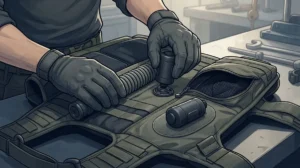
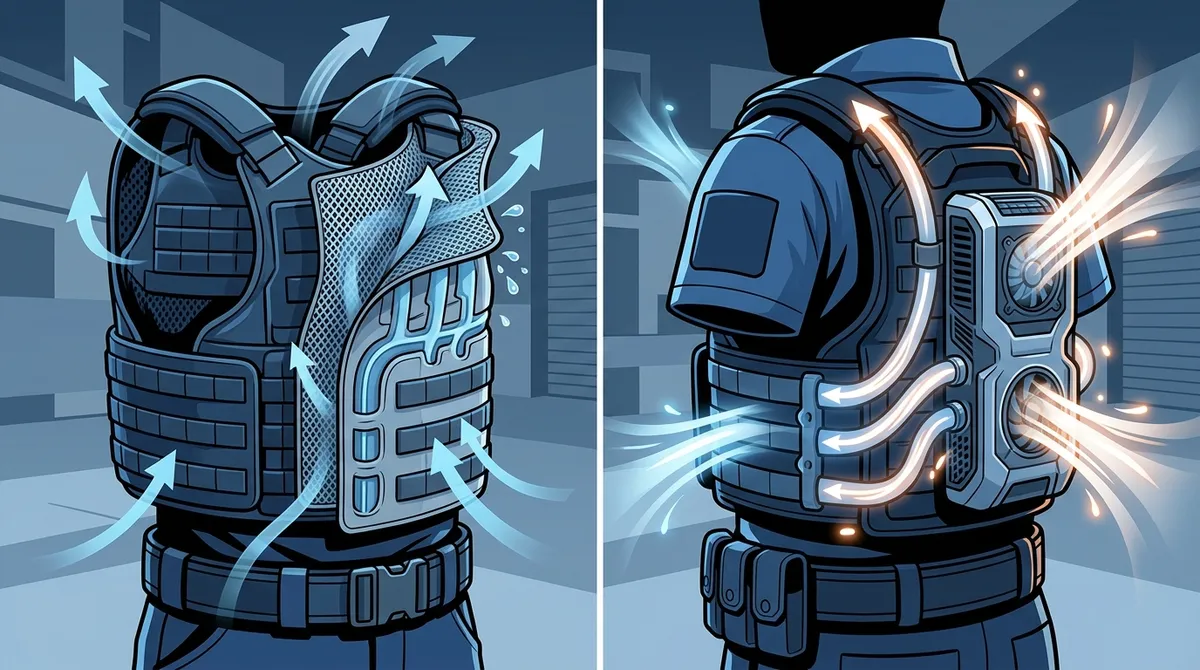
A body armor ventilation system is any product that improves airflow between your torso and your armor. The goal is simple: stop heat and sweat from building up against your skin. These systems come in different shapes, weights, and price points. Some are passive (no power required). Others are active (they use fans or pumps to move air).
According to research published by the OSHA Heat Stress Guide, prolonged heat exposure can lead to serious health risks, including heat exhaustion and heat stroke. For professionals in body armor, this risk is even higher because the gear traps heat naturally. A good ventilation system helps reduce that risk significantly.
If you’re new to this topic, it helps to first understand what a body armor vent is and why you need one before diving into a comparison.
The Two Main Approaches: Passive vs. Active
There are two broad categories in this space. Understanding the difference is the first step in making the right choice.
Passive Ventilation Systems
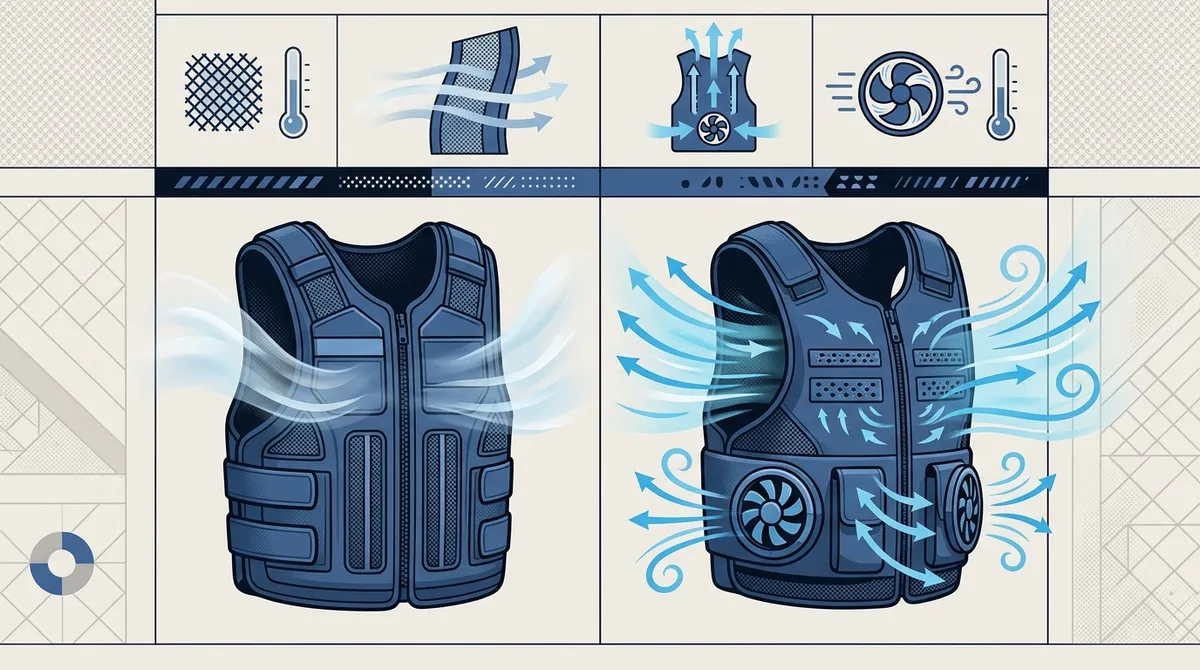
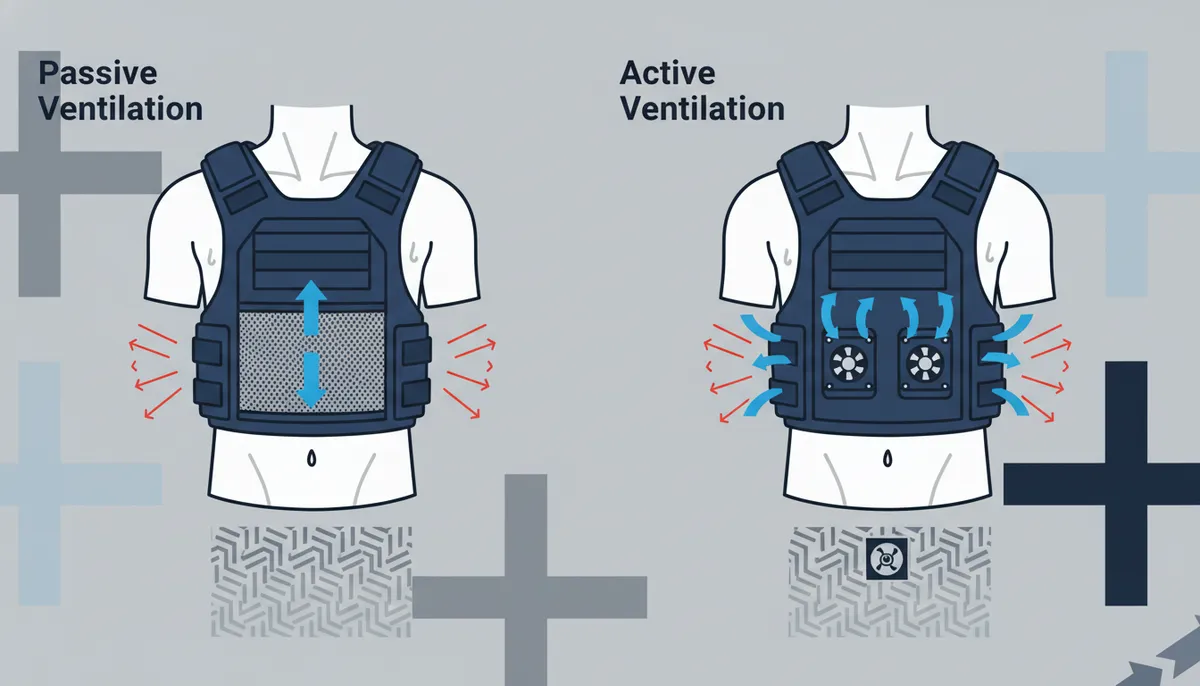
Passive systems create a physical gap or standoff between the armor and your body. They don’t use power. Instead, they rely on natural airflow as you move. Common examples include foam spacers, mesh vests, and molded plastic inserts.
These are lightweight and affordable. However, they depend on you moving around to generate airflow. When you’re stationary — standing post, sitting in a patrol car, or waiting during a tactical operation — passive systems offer very little relief.
Active Ventilation Systems
Active systems use powered fans or pumps to push or pull air under your armor. They work even when you’re not moving. Fan-driven systems can circulate fresh air continuously, helping manage both heat and moisture more effectively.
The tradeoff? They require power, add some weight, and cost more. But for professionals on long, hot shifts, the performance improvement is often well worth it. If you want a deeper look at how these systems work, check out this breakdown of passive vs. active tactical vest ventilation.
Body Armor Ventilation System Comparison Table
Here’s a look at some of the most well-known products in this space, based on available market data. Use this as a starting point for your research.
| Product | Type | Weight | Price (Approx.) | Best For |
|---|---|---|---|---|
| IceVents® Classic | Passive (spacer) | Under 1 oz. | ~$30–$50 | Ultralight setups |
| SKD Tactical Pontoons | Passive (spacer) | 1.4 oz. | ~$20 | Budget-friendly option |
| TacVent | Passive (mesh) | 9 oz. | ~$35 | Concealable vest wearers |
| Maxx-Dri Vest 3.0 | Passive (mesh vest) | 9 oz. | ~$60–$80 | All-day patrol use |
| Body Armor Vent | Passive/Evaporative | N/A | ~$85 | Hot weather comfort |
| BluHalo Ventilation Vest | Active (inflatable gap) | Under 7 oz. | $60 | On-demand cooling, all armor types |
| Blufano Fan System | Active (powered fan) | Compact unit | Premium tier | Extended shifts, continuous airflow |
Note: Pricing data for third-party products is sourced from available market comparisons, including Qore Performance’s published comparison review. Always verify current pricing with individual vendors.
Key Factors to Compare in Any Ventilation System
Price and weight are just the beginning. Here are the most important factors to weigh when doing your own body armor ventilation vest comparison.
1. Cooling Method
Does it create a gap, circulate air, wick moisture, or all three? Fan-driven systems tend to outperform passive spacers during hot, low-activity situations. If you spend time sitting in a vehicle or standing post, active cooling matters more.
2. Weight and Profile
Every ounce adds up over a long shift. Passive spacers are usually lighter. But an active system like the BluHalo ventilation vest weighs under 7 ounces and sits flat when deflated — giving you active performance without sacrificing comfort or low-profile wear.
3. Compatibility
Will it work with your plate carrier or concealable vest? Most systems claim universal compatibility, but it’s worth verifying. Some spacers don’t work well under soft body armor. Others are designed specifically for plate carriers. Learn more about how plate carrier ventilation actually works.
4. Battery Life and Power
For active systems, battery life is everything. The Blufano fan system includes a built-in 10,000mAh power bank that delivers 8 to 32 hours of operation depending on the fan setting. It can even charge your other USB devices while you work — a major bonus on extended shifts.
5. Ease of Use
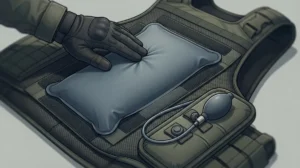
A system you won’t use isn’t doing you any good. Look for products that are easy to put on, adjust, and take off quickly. The BluHalo attaches with Velcro, inflates on demand, and deflates with a single button press. Simple and effective.
Performance Comparison: What Do the Numbers Say?
Vendor claims vary widely in this category. TacVent, for example, has been cited by AAA Police Supply as capable of lowering body surface temperatures by at least 14.5°F — though this is a vendor claim and not independently verified across all users and conditions. IceVents Classic is noted for being approximately 90% air by volume, making it one of the most breathable passive options on the market.
What independent data does confirm is that trapped heat under body armor is a real physiological concern. According to Body Armor Standards research from the National Institute of Justice, heat management is a recognized challenge in armor design and wear — one that ventilation accessories directly address.
For a broader look at how different cooling solutions stack up, check out this guide on the best body armor ventilation options for 2026.
Active vs. Passive: A Quick Pros and Cons Summary
| Category | Passive Systems | Active Systems |
|---|---|---|
| Weight | Very light (under 1.5 oz. for spacers) | Moderate (7 oz. or more) |
| Cooling when stationary | Minimal | Excellent |
| Power required | None | Battery or USB power |
| Cost | $20–$85 | $60 and up |
| Best use case | Active, fast-moving roles | Long shifts, patrol, post duty |
| Moisture management | Limited | Strong (continuous airflow) |
Who Should Choose What?
The right system depends on your role and environment. Here’s a quick guide to help you match your needs to the right product type.
- Patrol officers on long, hot shifts: Active systems like BluHalo or Blufano provide the most consistent cooling, especially during low-activity periods in hot vehicles.
- Military personnel on active missions: Lightweight passive spacers may be preferable for minimum weight. Consider pairing with a moisture-wicking base layer.
- Security guards and protective detail: Active cooling is ideal. Stationary duty in heat is where fan-driven systems shine brightest.
- SWAT and tactical teams: A low-profile active system that deploys quickly and doesn’t add bulk is essential. The BluHalo’s on-demand inflation design fits this need well.
- Emergency responders and hazmat teams: High heat, full-body protective gear, and minimal airflow make this the most demanding environment. Active cooling with long battery life is a must.
For a role-specific deep dive, the guide on choosing emergency responder gear that keeps you cool is a great resource.
What Makes BluHalo and Blufano Stand Out?
Most passive ventilation products have been around in various forms since the Maxx-Dri Vest launched in 2014 — meaning the category is mature, but innovation has been slow on the passive side. BluHalo and Blufano represent a newer, smarter approach.
The BluHalo ventilation vest was designed by a Chicago police officer who lived the problem firsthand. It weighs under 7 ounces, attaches to your vest with Velcro, and can lift the armor up to 1.5 inches off your body to create a real cooling gap — on demand. No moving around required. The Blufano fan system adds the next level: a powered, fan-driven airflow unit with a patented air-redirect spout, 8 to 32 hours of battery life, a built-in power bank, and even a forward-facing light for low-light situations.
Together, they offer the most complete body armor ventilation system solution on the market for everyday professionals. You can explore both on the BluHalo shop page and even bundle them for maximum cooling performance.
Tips for Getting the Most Out of Any Ventilation System
- Pair your ventilation system with a moisture-wicking base layer. Moving sweat away from your skin helps the ventilation system work better and faster.
- Check compatibility before you buy. Confirm the system works with your specific armor style — plate carrier, soft body armor, or concealable vest.
- Use your vehicle’s AC strategically. Active systems like Blufano can pull cooled air from your car’s AC and redirect it under your armor for faster recovery on hot days.
- Maintain your system regularly. Clean mesh and spacers according to manufacturer instructions. Keep battery contacts clean on active units.
For more practical advice, check out these body armor fit and airflow tips for all-day comfort.
Common Mistakes to Avoid
- Choosing the cheapest option without checking if it actually cools when you’re stationary
- Ignoring weight when buying an active system — every ounce matters over a 12-hour shift
- Buying a spacer that doesn’t fit your armor style properly
- Skipping a moisture-wicking base layer and expecting the ventilation system to do all the work
- Not testing your system before a long shift or deployment
Avoid these pitfalls and you’ll get much better results from whichever system you choose. You can also review 7 common body armor ventilation system mistakes to be fully prepared.
Final Thoughts: Which System Should You Choose?
After a thorough body armor ventilation system comparison, the answer really comes down to your specific role and how you wear your gear. Passive systems are great for lightweight setups and active movement. Active systems win every time for long shifts, stationary duty, and hot climates.
If you want the best overall value and performance, the BluHalo and Blufano systems from BluHalo’s official site are hard to beat. They were built by and for the people who actually wear body armor every day — and that experience shows in every detail of their design.
Ready to find the right fit for your situation? Reach out to the BluHalo team today and get personalized advice on the best ventilation setup for your gear and your role. You work hard to protect others — you deserve to stay cool doing it.
FAQs
Q: What is the best body armor ventilation system for hot weather?
A: For hot weather, active systems that use powered fans — like the Blufano from BluHalo — tend to work best. They circulate fresh air continuously even when you’re not moving, which makes a huge difference during long, stationary shifts in the heat.
Q: Are ventilation pads or mesh systems better under body armor?
A: Both create a physical gap between your body and armor, but mesh vests tend to offer more coverage and better moisture management than small foam pads. That said, neither matches the consistent performance of a powered active system when you’re standing still in the heat.
Q: Which body armor ventilation system is the lightest?
A: Among passive options, IceVents Classic comes in at under 1 ounce — making it one of the lightest available. For an active system, the BluHalo ventilation vest weighs under 7 ounces and sits flat when deflated, keeping the profile low and comfortable.
Q: Do body armor ventilation systems work with both plate carriers and concealable vests?
A: Most modern ventilation systems are marketed as universal or retrofit-friendly, meaning they’re designed to work with different armor styles. Always double-check compatibility with your specific vest model before purchasing — fit and placement can vary significantly between armor types.
Q: Do ventilation systems really reduce heat stress under armor?
A: Yes, and the difference is noticeable! Vendor testing has shown meaningful temperature reductions, and real-world user reviews back this up. Active systems that continuously circulate air provide the most reliable relief, especially during high-heat, low-movement situations like post duty or patrol in summer.