Key Takeaways
-
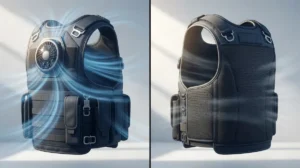
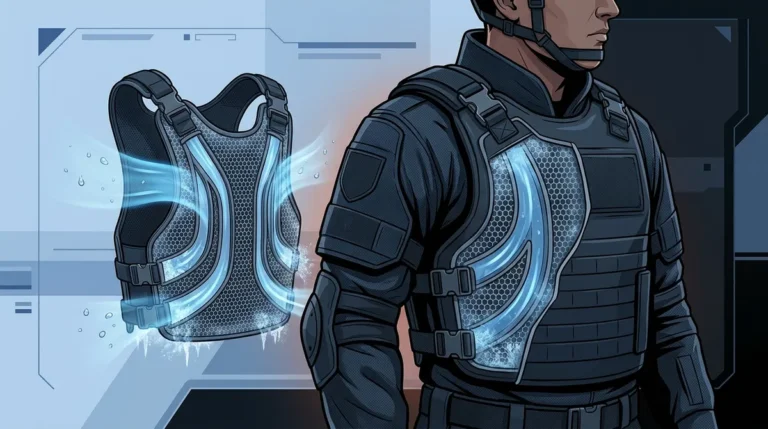
Proper airflow technology with real air gaps (3D mesh, honeycomb padding, or inflatable channels) is critical—vests without genuine ventilation just add fabric weight without cooling benefits.
-
Active cooling systems with built-in fans (8-32 hour battery life) outperform passive vests for static posts, vehicle duty, or extreme heat situations where movement-based airflow is insufficient.
-
Correct fit with multiple adjustment points (4+) across shoulders and sides is essential—loose vests collapse airflow while tight vests restrict breathing, both eliminating cooling effectiveness.
-
Match vest style to your specific carrier type: low-profile inflatable for concealable soft armor, 3D mesh for plate carriers, and active fan systems for tactical/extended shifts to maximize performance.
-
Heat stress from body armor can cause life-threatening heat exhaustion or heat stroke; a cooling vest functions as a safety tool, not just comfort gear, per OSHA guidelines.
-
Select year-round vests using evaporative (EVAP) or phase change material (PCM) technology rather than seasonal-only solutions—these provide summer cooling and winter insulation.
If you wear body armor for a living, you already know the struggle. Heat builds up fast. Sweat soaks through your uniform. And after a few hours, your focus starts to slip. A good cooling vest under body armor can change all of that — but only if you choose the right one. The wrong choice can leave you just as hot, just as uncomfortable, and a little lighter in the wallet.
The good news? Most of these mistakes are easy to avoid once you know what to look for. Whether you’re a patrol officer, a soldier on deployment, or a security professional pulling long shifts, this guide is for you. We’re going to walk through the seven biggest mistakes people make when picking a cooling vest — and show you exactly what to do instead. Let’s keep you cool, comfortable, and performing at your best.

Mistake #1: Ignoring Airflow Technology
The most common mistake is choosing a vest based on looks alone. Not all cooling vests are built the same way. Some use 3D mesh. Others use honeycomb padding or foam-filled channels. The best options create a real air gap between your skin and your armor.
This air gap is everything. It allows hot, humid air to escape while pulling in cooler air. Without it, you’re just adding another layer of fabric. Look for vests that specifically mention 360-degree airflow or continuous ventilation. That’s the kind of technology that actually makes a difference during a long, hot shift.
For a deeper look at how airflow systems work, check out this guide on best vest cooling systems and how to beat the heat in body armor.

Mistake #2: Choosing the Wrong Fit
A cooling vest that doesn’t fit correctly won’t cool you correctly. Simple as that. If the vest is too loose, the air gap collapses and airflow stops. If it’s too tight, it restricts breathing and movement. Neither situation is good when you’re on duty.
Here’s what to look for in a proper fit:
- Adjustable shoulder straps for vertical sizing
- Side straps that allow you to customize the width
- Compatibility with both concealable and plate carrier setups
- Moisture-resistant materials that keep their shape even when wet
Many top ventilation vests offer four or more points of adjustment. Products like the Militaur Ventilation Vest, for example, include four adjustable points specifically to accommodate different body types. Always try to match the vest to your specific carrier style — whether that’s an internal concealable vest or an external plate carrier.

Mistake #3: Overlooking Active vs. Passive Cooling
Here’s a distinction a lot of people miss. Passive cooling vests rely on movement or breathing to push air around. Active cooling vests use fans or built-in airflow systems to circulate air continuously — even when you’re standing still.
Passive vests work well in some situations. But if you’re working a static post, sitting in a hot vehicle, or operating in extreme heat, passive airflow might not cut it. That’s where active systems shine.
The Blufano is a great example of active cooling done right. It features a patented air-redirect spout that slides under any style of body armor. A built-in fan runs for 8 to 32 hours depending on the setting, powered by a 10,000mAh battery. It even includes a forward-facing light for low-light situations. That’s active, on-demand cooling that works whether you’re moving or standing still.

Mistake #4: Skipping Heat Stress Research
Heat stress is a serious and well-documented risk for anyone wearing body armor. According to the OSHA Heat Stress Guide, prolonged heat exposure can lead to heat exhaustion and heat stroke — conditions that can be life-threatening. Yet many officers and soldiers underestimate this risk when choosing their gear.
A proper cooling vest under body armor isn’t just about comfort. It’s a safety tool. Reducing sweat buildup, lowering skin temperature, and improving airflow all help prevent heat-related incidents on the job. If you’d like to learn more about protecting yourself on duty, read this article on how to prevent heat stress while wearing body armor.
Mistake #5: Focusing Only on Summer Use
This one surprises a lot of people. Many ventilation vests actually work in winter too. Products using EVAP technology — like some Body Armor Vent panels — use evaporative cooling principles similar to home air conditioning. In summer, they draw away heat. In winter, they trap a layer of warm air close to the body for insulation.
When you’re shopping for a cooling vest under body armor, think year-round. A vest that only helps in summer is a half-solution. Here’s a quick comparison of seasonal performance across different cooling technologies:
| Technology Type | Summer Performance | Winter Performance | Best For |
|---|---|---|---|
| 3D Mesh Passive | Good | Moderate | General duty |
| EVAP / Evaporative | Excellent | Good | All-season use |
| Phase Change Materials | Excellent | Limited | High-heat environments |
| Active Fan Systems | Excellent | Adjustable | Extended shifts, static posts |
The BluHalo ventilation vest uses phase change materials (PCMs) and moisture-wicking fabrics alongside ventilation channels for cooling on demand. It’s designed to work hard in high-heat situations without adding bulk to your setup.
Mistake #6: Choosing Bulk Over Concealment
Some cooling vests are thick, stiff, and visible under a uniform. That’s a real problem for officers in concealable carrier setups. If your vest prints through your shirt or makes your uniform look puffy, it defeats the purpose.
Good ventilation vests are designed with concealment in mind. The Maxx-Dri Vest, for instance, provides 99.9% concealment under outer carriers and uniform shirts while still delivering 360-degree airflow including cummerbund and shoulder areas. That’s the standard you should be aiming for.
The BluHalo was invented by a Chicago police officer specifically with this problem in mind. It weighs under 7 ounces, sits completely flat when deflated, and lifts the vest up to 1.5 inches off the body when inflated to create a cooling air gap. When you don’t need it, just press a button and it deflates instantly. Low profile. High performance.
Check out the body armor ventilation guide for officers to see how proper concealment and airflow can work together.
Mistake #7: Not Matching the Vest to Your Carrier Type
This is a big one. Not every ventilation vest works with every type of body armor. Some are designed for concealable soft armor only. Others are built for plate carriers or external tactical setups. Using the wrong vest with the wrong carrier can reduce airflow, affect your armor’s protection, or make your rig uncomfortable to wear.
Here’s a quick reference table to help you match the right solution to your setup:
| Carrier Type | Recommended Vest Style | Key Features to Look For |
|---|---|---|
| Concealable soft armor | Low-profile mesh or inflatable | Thin, flat, moisture-resistant |
| Plate carrier (external) | 3D mesh or honeycomb padding | Full coverage, cummerbund airflow |
| Tactical / MOLLE carrier | Active fan system | Secure attachment, adjustable straps |
| Hybrid / modular carrier | Universal fit with hooks or Velcro | Multi-point adjustment, removable hooks |
Understanding your carrier type before you buy can save you a lot of frustration. For more help picking the right system, read this article on how to choose the right body armor ventilation vest in 2026.
What to Look for in a Great Cooling Vest
Now that you know what to avoid, here’s a quick rundown of what actually matters when shopping for a cooling vest under body armor. Use this checklist before making your decision:
- Airflow technology — Does it create a real air gap, or just add a thin layer of fabric?
- Active or passive cooling — Do you need fan-driven airflow, or will movement-based ventilation work for your role?
- Fit and adjustability — Can it be customized for your body type and carrier setup?
- Concealment — Will it stay hidden under your uniform when needed?
- Durability — Is it built to handle daily duty use in all weather conditions?
- Battery life (for active systems) — Will it last through a full shift without recharging?
- Compatibility — Has it been tested with your specific type of body armor?
Meeting the right Body Armor Standards while staying cool is absolutely possible — and it starts with making smart gear choices.
Comparing Popular Cooling Options Side by Side
Let’s put some of the top options on the market into perspective. This table looks at key features that matter most to duty professionals:
| Product | Cooling Type | Weight | Battery / Power | Best Use Case |
|---|---|---|---|---|
| BluHalo Vest | Inflatable / PCM | Under 7 oz | None needed | Concealable soft armor |
| Blufano Fan System | Active fan | Compact unit | 10,000mAh (8–32 hrs) | Extended shifts, any carrier |
| Maxx-Dri Vest 5.0 | 3D mesh passive | Lightweight | None needed | General duty, plate carriers |
| Militaur Ventilation Vest | 3D mesh passive | Lightweight | None needed | All carrier types |
Want to see BluHalo and Blufano in action? Visit the BluHalo videos page to watch real-world demonstrations and officer testimonials.
Tips for Getting the Most Out of Your Ventilation Vest
Once you’ve chosen the right cooling vest, here are a few simple tips to get the best results:
- Attach your vest to a clean, dry armor panel before your shift starts
- Use the lowest effective fan setting to extend battery life on active systems
- Combine your ventilation vest with moisture-wicking base layers for maximum dryness
- Inspect your vest regularly for wear, especially around attachment points and straps
- Store it flat and dry when not in use to maintain its shape and performance
Small habits like these can extend the life of your gear significantly and keep you comfortable all year long. For more expert tips, the smart ventilation guide is a great resource to bookmark.
Why Officers Who’ve Tried It Won’t Go Back
The feedback from officers who use ventilation vests consistently tells the same story. Fewer skin rashes. Less fatigue by the end of a long shift. Better focus during high-stress situations. One officer described working a 12-hour day in 95-degree heat and actually feeling comfortable — something they never thought possible with body armor on.
ICEVENTS technology alone is trusted by tens of thousands of U.S. and Allied military, law enforcement professionals, and security contractors. These aren’t luxury gadgets. They’re performance tools that help people do their jobs safer and better.
If you’re curious about how other professionals are rating these products, take a look at the BluHalo customer reviews to read real stories from people in the field.
Final Thoughts
Choosing the right cooling vest under body armor doesn’t have to be complicated. Avoid the seven mistakes we covered here, match your vest to your carrier type, and prioritize airflow technology that actually creates a cooling air gap. Your body will thank you — and so will your performance on the job.
Whether you go with the lightweight, on-demand cooling of the BluHalo or the active fan-driven power of the Blufano, you’re making an investment in your comfort, your health, and your ability to focus when it counts most. Don’t settle for suffering through another hot shift when the solution is right here.
Ready to find the perfect fit for your setup? Get in touch with the BluHalo team and let us help you find the right cooling solution for your specific needs. You can also browse the full shop to see all available products and bundle options.
FAQs
Q: What is a cooling vest under body armor and how does it work?
A: A cooling vest under body armor is a ventilation layer worn between your skin and your armor to create airflow and reduce heat buildup. It works by creating a physical air gap using 3D mesh, inflatable channels, or foam padding, allowing hot air to escape and cooler air to circulate. The result is less sweating, fewer skin issues, and much better comfort during long shifts!
Q: Can a cooling vest work with both concealable armor and plate carriers?
A: Yes, absolutely — but you’ll want to match the right style of vest to your specific carrier type. Low-profile or inflatable options like the BluHalo are great for concealable soft armor, while 3D mesh vests or active fan systems like the Blufano work well with plate carriers and external tactical setups. Always check compatibility before buying to make sure you’re getting the best airflow for your setup.
Q: How long does the Blufano active fan system last on a single charge?
A: The Blufano is built to last through a full shift and then some! Depending on the fan speed setting you use, it can run anywhere from 8 to 32 hours on its built-in 10,000mAh power bank. Lower settings stretch the battery longer, which is great for those marathon shifts or extended deployments where recharging isn’t easy.
Q: Are ventilation vests safe to use with certified body armor?
A: Yes, ventilation vests are designed to be worn under body armor without interfering with its protective performance. They sit between the body and the armor panel to improve comfort, not to alter the armor itself. For peace of mind, always reference the NIJ Body Armor Standards and choose products specifically tested for use with your carrier type.
Q: Can a cooling vest under body armor help prevent heat exhaustion?
A: It absolutely can help reduce the risk! Heat exhaustion is a serious concern for anyone wearing body armor in high temperatures, and a good ventilation vest reduces heat buildup, manages moisture, and keeps your core temperature more stable. While it’s not a medical device, combining a quality cooling vest with hydration and shade breaks makes a big difference in staying safe on hot duty days.