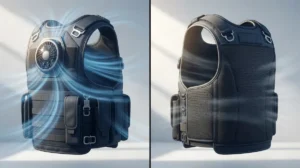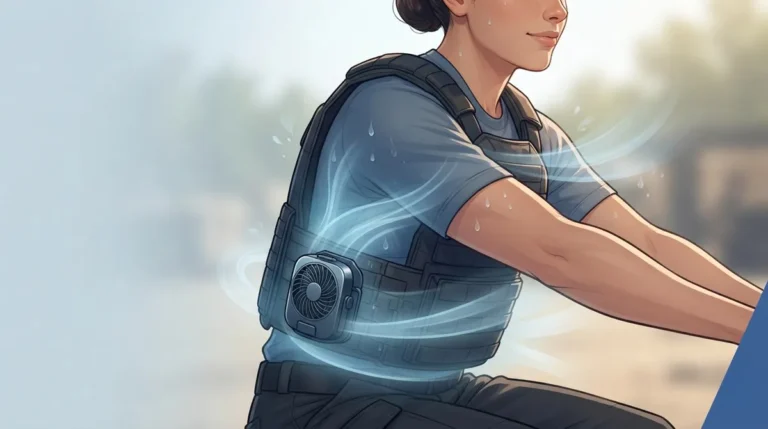
Key Takeaways
-
Under vest cooling fans work best in moderate to warm conditions (below 95°F) by moving ambient air to speed sweat evaporation and carry heat away from your torso, but they provide minimal relief in extreme heat or high humidity.
-
A quality cooling fan must sit flat under body armor without shifting, blocking protective equipment, or causing discomfort during movement, running, or sitting—proper fit is critical for safety and effectiveness.
-
Battery runtime varies significantly by fan speed and product specifications; check the actual runtime at your chosen setting to ensure it lasts your full shift, with ranges typically between 8 to 32 hours depending on usage.
-
Under vest cooling fans are most effective when paired with a ventilation vest like BluHalo that creates an air gap of 1.5 inches, spreading airflow across your entire torso rather than cooling just one spot.
-
A cooling fan is a comfort tool that supplements but never replaces essential heat safety measures including hydration, rest breaks, shade, and acclimatization; it should be one layer in a comprehensive heat-safety plan.
-
Choose a fan with adjustable airflow, moisture-resistant materials, lightweight design under 7 ounces, and quiet operation to avoid distraction while maintaining durability for daily duty use in sweaty conditions.
Picture this. It’s the middle of a long shift, the sun is beating down, and your body armor feels like a wet wool blanket. Your shirt is soaked. Your focus is slipping. You are not alone, and you are not imagining it. Heat trapped under a vest is one of the most common complaints from people who wear protective gear every day.
That is where an under vest cooling fan comes in. It is a small, battery-powered fan that moves air in the space between your body and your vest. In 2026, more officers, soldiers, guards, and first responders are turning to this simple tool to feel better on the job.
But does it really work? What should you look for? And when is a fan not enough? Let’s walk through it together, in plain language, so you can pick the right setup for your shift.
What Is an Under Vest Cooling Fan?
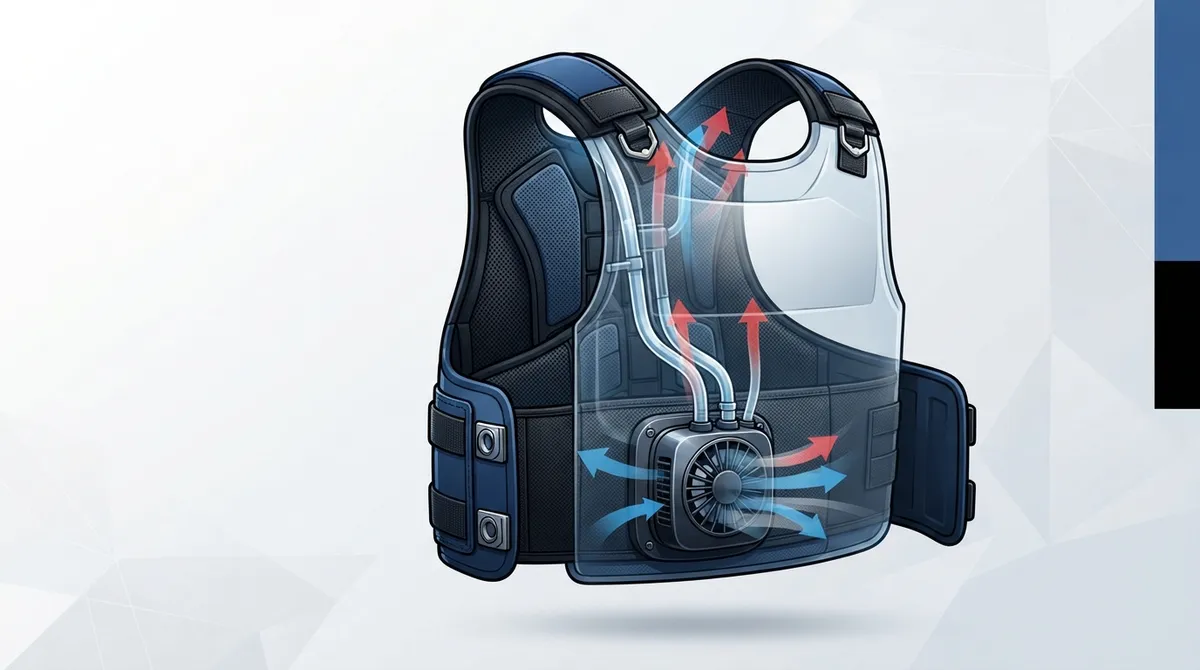
An under vest cooling fan is a wearable fan system. It pushes ambient air through the gap beneath your outer vest, body armor, or work gear. Some fans are built into a vest. Others attach to one.
Here is the key point. These fans do not make cold air. They do not work like a tiny air conditioner. They move the air that is already around you. That moving air helps sweat dry off your skin and carries heat away from your torso.
Think of it like standing in front of a house fan on a warm day. You feel cooler, even though the room temperature has not changed. An under vest cooling fan does the same job, but it fits right where body armor traps the most heat.
Why Body Armor Gets So Hot
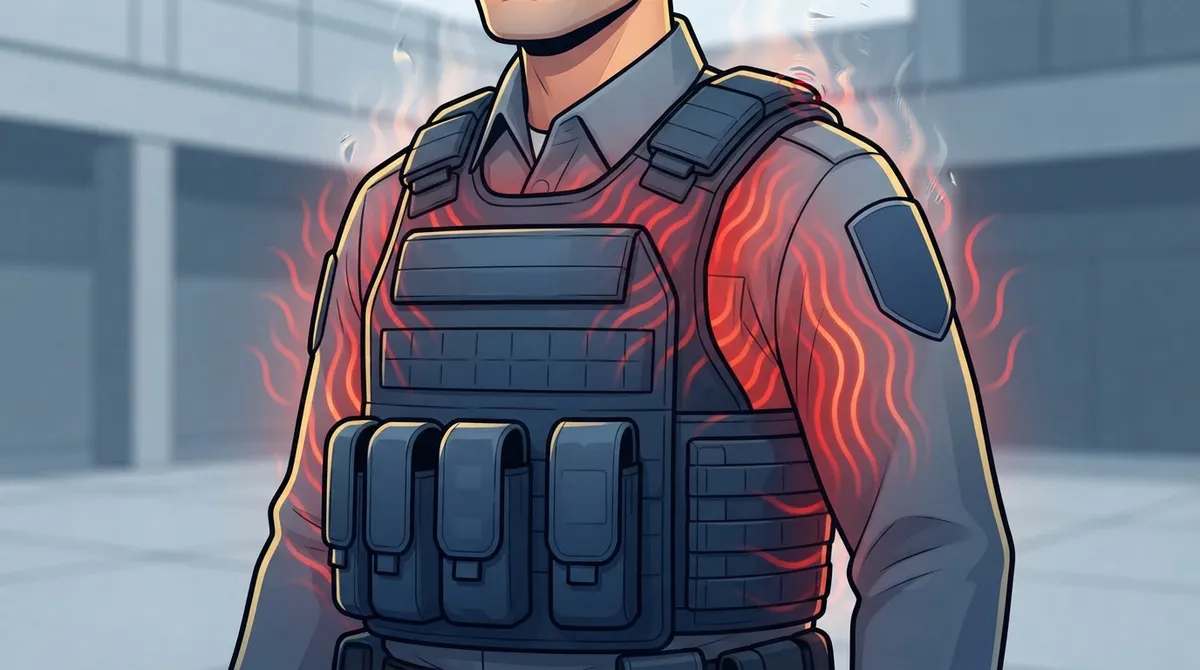
Body armor is built to protect you. It is not built to breathe. Hard plates and dense panels sit flat against your chest and back. That blocks airflow and traps heat and sweat against your skin.
Over a long shift, this causes real problems:
- Heavy sweating that soaks your base layer
- Fatigue that creeps in sooner than it should
- Distraction from constant discomfort
- Heat strain that builds when you cannot cool down
If this sounds familiar, you can read more in our guide on how hot body armor really gets. The good news is that better airflow can make a big difference.
How Does an Under Vest Cooling Fan Work?
The idea is simple. A small fan pulls in outside air and pushes it into the space under your vest. That moving air does two helpful things.
- It speeds up sweat evaporation. When sweat dries, it pulls heat off your skin. That is your body’s natural cooling trick.
- It carries away warm air. Fresh air replaces the hot, damp air stuck against your torso.
How well this works depends on a few things. Air temperature, humidity, your workload, and how the airflow spreads across your body all matter. A fan that only blows on one small spot will cool less than one that spreads air across your chest and back.
If you want a deeper look at the science, check out how an active cooling system works in ventilation vests.
Do Under Vest Cooling Fans Actually Cool You?
Yes, they can help. But let’s be honest about the limits too. A fan is a comfort and airflow tool, not magic.
According to the OSHA Heat Stress Guide, fan-driven air movement works best when the air is cooler than your skin. That is usually below about 95°F (35°C). In very hot or very humid conditions, moving air may not give you much relief. Sweat cannot dry well when the air is already full of moisture.
So here is the honest takeaway:
- In warm, moderate, or dry heat, a fan can make a real difference.
- In extreme heat or high humidity, a fan helps less on its own.
- A fan should never be your only heat-safety plan.
Rest breaks, water, shade, and time to adjust to the heat still matter most. A fan is one smart layer in a bigger plan. For more on that bigger picture, see how to prevent heat stress while wearing body armor.
Can You Wear a Cooling Fan Under Body Armor?
This is one of the most common questions we hear, and it is a smart one. Many fan systems are made to slide under body armor or a plate carrier. But fit matters a lot.
A good under vest fan should:
- Sit flat and not poke into your body
- Stay put when you move, run, or sit in a patrol car
- Not block or shift your armor out of position
- Work with the other gear you must wear
Always check that any cooling device does not get in the way of your protective equipment. The Body Armor Standards from the National Institute of Justice are a good place to learn how armor is tested and why proper fit counts.
Meet Blufano: Active Airflow Under Your Armor
If you want a fan made for this exact job, Blufano is a top choice. It is a self-contained, active airflow unit with a patented air-redirect spout. That spout slides under any style of body armor. You can add an optional strap to keep it secure.
Here is what makes Blufano stand out:
- Adjustable airflow you control with a simple knob
- 8 to 32 hours of runtime depending on the fan setting
- Built-in 10,000mAh power bank that also charges your USB devices
- Forward-facing light for hands-free help in low-light moments
- Durable build made for daily duty use
Officers who use it often say they feel cooler, sweat less, and stay more focused on hot days. Some even pair it with vehicle air conditioning for a faster cool-down between calls. Want to see real feedback? Visit our customer reviews page. You can also read our BluFano vest cooling fan review.
Pair It With BluHalo for Extra Cooling
A fan works best when air has room to move. That is where BluHalo comes in. BluHalo is a lightweight ventilation vest, created by a Chicago police officer who knew the struggle firsthand. It weighs under 7 ounces and sits flat when deflated.
When you inflate it with a small pump, it lifts your vest up to about 1.5 inches off your body. That creates a cooling air gap. You can deflate it fast with the push of a button. It attaches to a clean vest with Velcro and is made from durable, double-layer, high-strength polyethylene.
Together, BluHalo and Blufano make a strong team. BluHalo opens the space. Blufano moves air through it. You can buy each one on its own or bundle them for a discount in our shop. To learn how they compare, read BluFano vs BluHalo.
What to Look for When Choosing a Vest Fan
Not every fan is built the same. Before you buy, think about how you work and where you work. Here is a simple checklist.
| Feature | Why It Matters | What to Check |
|---|---|---|
| Airflow spread | Cools more of your torso, not just one spot | Spout design, channels, or mesh panels |
| Battery life | Needs to last your whole shift | Runtime at your chosen fan speed |
| Fit and attachment | Keeps the fan in place as you move | Straps, clips, or slide-under design |
| Weight and bulk | Heavy or thick units get annoying fast | Low-profile, lightweight build |
| Noise level | Loud fans can be a distraction on duty | Quiet motor and adjustable speeds |
| Sweat resistance | You will be sweating, so it must hold up | Durable, easy-to-clean materials |
| Gear compatibility | Must not block protective equipment | Works with your vest or plate carrier |
One more tip. Treat any runtime or airflow number as a claim for that specific product. Battery life changes with fan speed, battery size, and conditions. Vendors may list ranges from a few hours up to 30 or more. Always check what a number means for your own shift length.
For more buying help, see how to pick a cooling fan system for body armor and 7 body armor cooling fan mistakes you must avoid.
Who Benefits Most From an Under Vest Cooling Fan?
Anyone who wears heavy protective gear for hours can benefit. Here are a few groups we hear from often.
- Law enforcement officers who patrol in the summer sun or sit in hot cars
- Military personnel working long missions in hot places
- Security professionals who stand post for long stretches
- Tactical and SWAT teams who need to stay sharp during intense work
- Emergency responders who wear protective gear in the heat
Each group has different needs. A patrol officer may want a quiet unit that runs all day. A tactical team member may care most about low bulk and a secure fit. Whatever your job, the goal is the same: stay comfortable and keep your head in the game.
If you work in law enforcement, you may enjoy what is the best cooling gear for police officers and 7 ways to stay cool under pressure in body armor.
Simple Tips to Get the Most From Your Fan
A fan works best when you use it the right way. Try these easy steps.
- Charge it fully before every shift. Nothing is worse than a dead battery at noon.
- Wear a moisture-wicking base layer. It helps sweat move away from your skin so the fan can dry it.
- Set the airflow to match the heat. Use a lower speed on mild days to save battery.
- Check the fit often. Make sure the fan has not shifted and your armor sits right.
- Clean it regularly. Follow the maker’s cleaning steps to fight sweat and odor.
Want even more ideas? Our guide on how to improve airflow under body armor has plenty of practical tips.
A Fan Is Part of the Plan, Not the Whole Plan
Here is something we really want you to remember. No fan replaces smart heat safety. Hydration, rest breaks, shade, and time to get used to hot weather all come first. Agencies like NIOSH and OSHA stress these steps for a reason.
Think of your cooling fan as a helpful teammate. It makes the hard parts of a hot shift easier. But it works best alongside good habits. Know the signs of heat illness, like dizziness, nausea, heavy sweating, or confusion. If you see them, stop and get help.
Curious how heat affects your mind and body on duty? Take a look at how heat affects the minds of law enforcement officers.
Stay Cool, Stay Sharp
An under vest cooling fan will not turn a 100-degree day into a spring morning. But in the right conditions, it can move heat and sweat away from your body and make a long shift feel a lot more doable. The trick is picking a fan that fits well, lasts all day, and works with your gear.
For the best results in 2026, many professionals choose Blufano for active airflow and BluHalo for a cooling air gap, either alone or bundled together. They are built by people who understand what it is like to wear armor in the heat.
Ready to feel the difference? Have questions about which setup fits your gear? Get in touch with our team and we will gladly help you find the right fit. Stay safe out there, and stay cool.
FAQs
Q: What is an under vest cooling fan, and how does it work?
A: It is a small, battery-powered fan that moves air through the space between your body and your vest or body armor. It does not make cold air. Instead, it helps sweat dry and carries warm, damp air away from your torso so you feel more comfortable.
Q: Can I wear a cooling fan under body armor or a plate carrier?
A: Yes, many fans are made to slide under armor. Blufano, for example, has an air-redirect spout that fits under any style of body armor. Just make sure the fan sits flat, stays secure, and does not shift or block your protective gear.
Q: How long does a battery-powered vest cooling fan run?
A: It depends on the product, battery size, and fan speed. Blufano runs about 8 to 32 hours on its built-in 10,000mAh power bank, depending on your setting. A lower speed saves battery, so pick the setting that fits your shift and the weather.
Q: Are vest cooling fans effective in hot and humid weather?
A: They help most when the air is cooler than your skin, usually under about 95°F. In very hot or humid conditions, moving air gives less relief because sweat cannot dry well. That is why a fan should be paired with water, rest, and shade.
Q: Can a cooling fan replace hydration and rest breaks?
A: No, and we want to be clear about that. A fan is one helpful layer, but it cannot replace water, rest, shade, or time to adjust to the heat. Always follow your agency’s heat-safety guidelines and watch for signs of heat illness.