If you wear body armor or heavy protective vests in hot weather, you know the struggle. The heat builds up fast, sweat soaks through your shirt, and by midday you feel drained. Hot weather gear designed for body armor wearers can make a huge difference in how you feel and perform during long shifts. This guide covers the essential cooling equipment and smart clothing choices that help law enforcement, military personnel, and security professionals stay comfortable when temperatures climb.
Hot weather isn’t just uncomfortable when you’re wearing protective gear—it’s a real performance issue. Your focus drops, reaction time slows, and the risk of heat exhaustion increases. The right hot weather gear creates airflow, manages moisture, and helps your body regulate temperature even when you’re carrying 20 pounds of armor in 95-degree heat.
Whether you’re on patrol, deployed overseas, or working security details in summer heat, these nine hot weather gear essentials will help you stay cooler, drier, and more focused throughout your shift. Let’s look at what actually works for professionals who can’t just take off their protective equipment when it gets hot.
1. Ventilation Vests: The Foundation of Body Armor Cooling
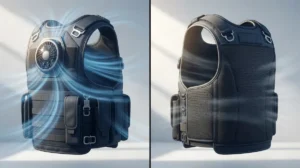
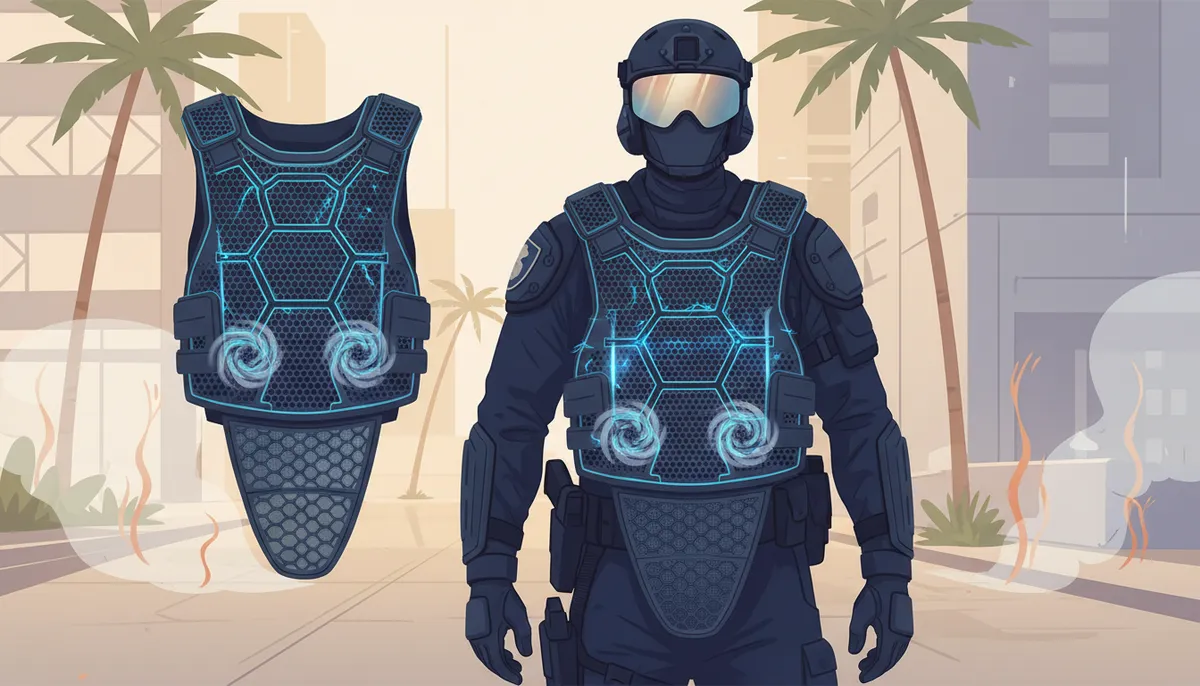
Ventilation vests are the most effective hot weather gear for anyone wearing body armor. These specialized undershirts create space between your body and your vest, allowing air to circulate where heat and moisture normally get trapped. Without proper ventilation, your body armor acts like an insulated blanket, trapping heat against your core and preventing sweat from evaporating.
The BluHalo ventilation vest weighs less than 7 ounces and inflates to lift your body armor about 1.5 inches off your torso. This small gap makes a massive difference in comfort. When you create space under your vest, hot air escapes and cooler air reaches your skin. Officers report feeling significantly cooler within minutes of inflating their BluHalo, especially when combined with vehicle AC or a breeze.
What makes ventilation vests essential hot weather gear is their on-demand nature. You can inflate them when temperatures spike and deflate them when you need a lower profile. They attach with Velcro to any vest style, work under both ballistic and tactical carriers, and don’t add bulk when deflated. For professionals who wear armor daily, a quality ventilation vest is the single best investment in hot weather comfort.
2. Active Cooling Fan Systems
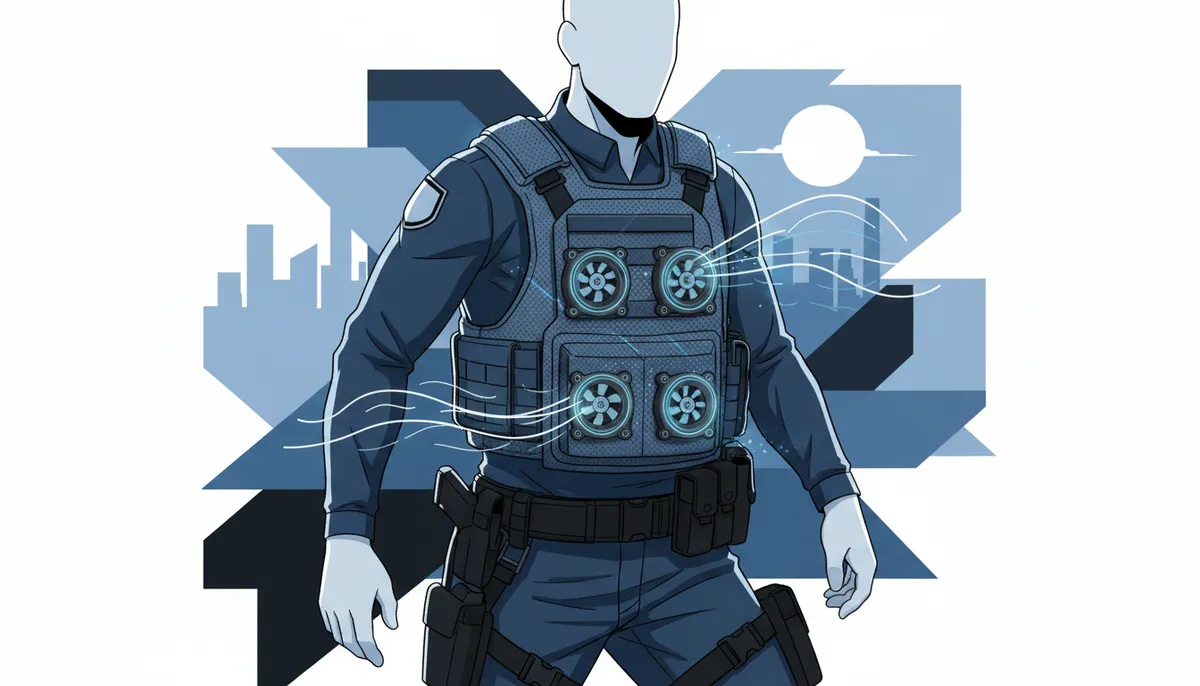
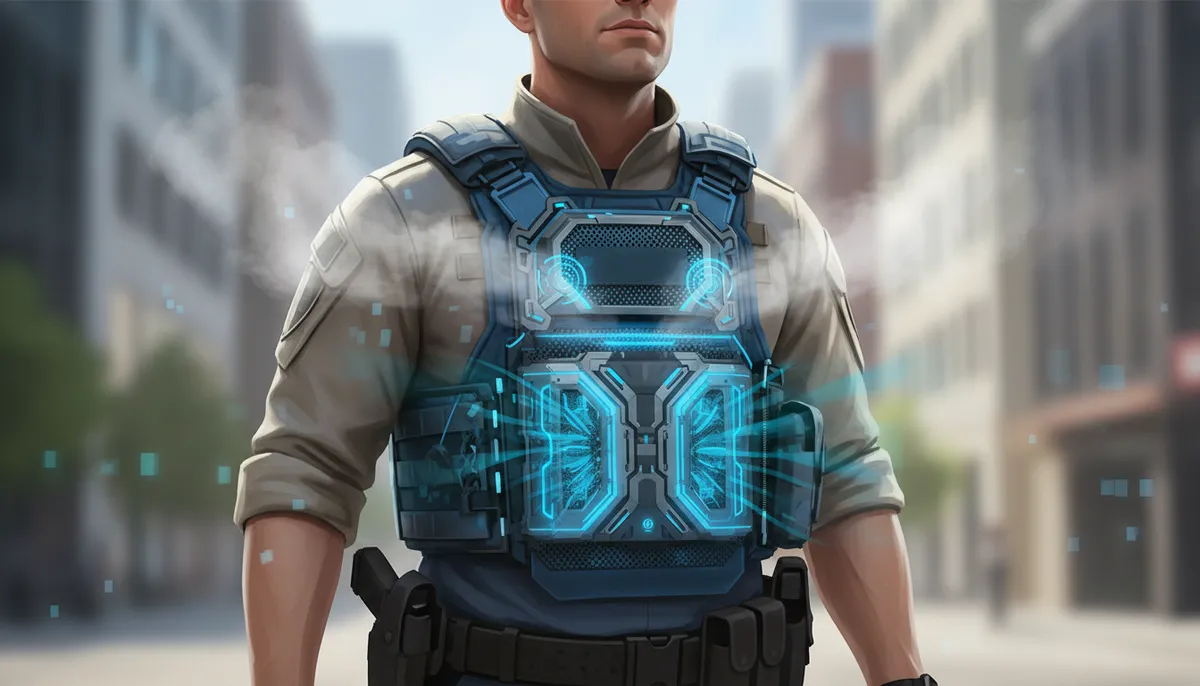
Active cooling fan systems take ventilation to the next level by forcing air movement under your body armor. While passive ventilation vests create space for air to flow, fan systems actively push fresh air across your skin for continuous cooling. This makes them incredibly effective hot weather gear during extended operations or stationary assignments where natural airflow is limited.
The Blufano body armor ventilation system slides under any vest style and delivers adjustable fan-driven airflow for 8 to 32 hours depending on your setting. Its patented air-redirect spout channels cool air exactly where you need it most. The built-in 10,000mAh power bank runs the fan all day and can charge your phone or radio when needed.
Fan systems work especially well when you’re in a vehicle with AC running. The cool air from your vents gets pulled under your vest and distributed across your torso, creating a personal cooling zone. Officers working traffic details, security professionals on static posts, and military personnel in vehicles report dramatic comfort improvements. The hands-free light feature also provides practical illumination during low-light operations without using a flashlight.
| Cooling Method | Cooling Duration | Power Source | Best Use Case |
|---|---|---|---|
| Passive Ventilation Vest | All day (no power needed) | Manual inflation pump | Patrol, walking beats, active movement |
| Active Fan System | 8-32 hours per charge | Rechargeable battery | Vehicle duty, static posts, extended operations |
| Ice Vest | 2-4 hours | Frozen gel packs | Short-duration high-heat operations |
| Evaporative Cooling | 2-3 hours | Water activation | Dry climates, temporary relief |

3. Moisture-Wicking Base Layers
What you wear under your ventilation vest matters. Moisture-wicking base layers are essential hot weather gear because they pull sweat away from your skin and help it evaporate faster. Cotton shirts absorb moisture and stay wet, which keeps you feeling hot and clammy. Modern synthetic fabrics move moisture to the outer surface where air can dry it.
Look for base layers made from polyester, nylon, or specialized blends designed for athletic performance. These materials dry quickly, resist odor, and maintain their shape after repeated washing. Many tactical clothing companies make undershirts specifically for body armor wear with flat seams, tagless designs, and compression fits that reduce bunching under your vest.
Compression-style base layers offer additional benefits beyond moisture management. They provide light muscle support during long shifts, reduce friction that causes chafing, and create a smooth surface that allows your ventilation vest and body armor to move naturally. Choose light colors when possible—they reflect heat better than dark fabrics and help keep your core temperature lower.
4. Cooling Towels and Neck Wraps
Your neck and head release a lot of body heat, making cooling towels valuable hot weather gear for quick temperature relief. These special towels use evaporative cooling technology—you wet them, wring them out, and snap them a few times to activate the cooling effect. They stay cold for hours and can be reactivated by re-wetting whenever they warm up.
Neck wraps work particularly well because they cool blood flowing through the carotid arteries in your neck. This cooled blood circulates to your brain and body, helping lower your overall temperature. Many officers keep a cooling towel in their patrol car and wrap it around their neck during breaks or while driving between calls.
The best cooling towels for body armor professionals are narrow enough to fit under your collar without creating bulk. They should be made from microfiber or similar materials that hold water without dripping. Some designs have pockets for ice packs or cooling gel inserts for extra relief during extreme heat. Keep two or three in your duty bag so you always have a dry one ready when needed.
5. Tactical Hydration Systems
Staying hydrated is critical hot weather gear that many professionals overlook. When you wear body armor in heat, you lose water faster through sweat, and dehydration affects your judgment, coordination, and physical performance. Tactical hydration systems make it easier to drink water throughout your shift without stopping what you’re doing.
Hydration bladders fit inside your vest carrier or plate carrier and include a drinking tube that routes over your shoulder for easy access. Most hold 2-3 liters of water, enough for several hours of patrol. The hands-free drinking means you can stay hydrated during foot pursuits, standoffs, or any situation where you can’t stop to grab a water bottle.
For professionals who prefer not to add weight inside their carrier, belt-mounted water bottle holders work well. Look for insulated holders that keep water cool and secure bottles during movement. Some designs include quick-release systems so you can hand your bottle to a partner or civilian who needs water. Whatever system you choose, make a habit of drinking before you feel thirsty—thirst means you’re already dehydrated.
6. Breathable Tactical Pants
While most attention goes to upper body cooling, your legs also generate heat that affects overall comfort. Breathable tactical pants are important hot weather gear because they allow air circulation while maintaining the durability you need for law enforcement and security work. Standard uniform pants often use heavy cotton blends that trap heat and take forever to dry when wet.
Modern tactical pants use ripstop nylon, polyester blends, or specialized fabrics with mesh ventilation panels in key areas. These materials are lighter, dry faster, and move heat away from your legs. Look for pants with articulated knees that allow natural movement without binding, and reinforced seats and knees that extend the life of the garment.
Some tactical pants include hidden ventilation along the inner thigh or behind the knee—areas where heat builds up but the vents remain invisible from the front. These design features make a real difference during summer patrols. Lighter colors in approved uniform shades (tan, khaki, light gray) reflect more heat than black or navy pants. Check your department’s uniform policy for approved colors and styles that balance professional appearance with heat management.
7. Sun Protection for Head and Face
Your head takes direct sun exposure all day, making sun protection essential hot weather gear for outdoor professionals. Heat exhaustion often starts with overheating in your head and face. Wide-brimmed hats, baseball caps with neck flaps, or tactical boonie hats provide shade that reduces the solar heat load on your head and neck.
Many law enforcement and security uniforms include approved headwear, but not all hats are created equal for heat management. Look for designs with ventilation grommets or mesh panels that allow heat to escape. Moisture-wicking sweatbands keep sweat from running into your eyes and help keep you cooler. Light-colored hats reflect more sunlight than dark ones, though uniform requirements may limit your color choices.
Don’t forget sunscreen as part of your hot weather gear kit. Sunburn reduces your body’s ability to cool itself and causes fatigue. Use a sweat-resistant, broad-spectrum sunscreen with SPF 30 or higher on your face, neck, ears, and any exposed skin. Reapply every few hours during outdoor assignments. Sunglasses with UV protection reduce eye strain and headaches from sun glare, helping you stay alert and focused throughout your shift.
8. Portable Cooling Devices
Several portable cooling devices have become popular hot weather gear for professionals who need relief during breaks. Personal neck fans hang around your neck and blow air upward toward your face. They’re lightweight, USB rechargeable, and provide immediate cooling when you step out of your patrol car or finish a physical activity.
Handheld misting fans combine a battery-powered fan with a water reservoir that creates a fine mist. The evaporating mist cools your face and hands quickly. These work best in dry climates where the moisture evaporates fast. In humid areas, they provide less cooling but still offer refreshing relief during breaks.
Cooling vests with removable ice packs or phase-change materials offer another option, though they add bulk under body armor. Some professionals use them during off-duty hours to pre-cool their bodies before shifts, or during extended SWAT operations where they’re worn outside the ballistic vest. The OSHA Heat Stress Guide recommends various cooling strategies for workers in hot environments, including these types of portable devices as part of a comprehensive heat management plan.
9. Vehicle Cooling Accessories
For patrol officers and security professionals who spend time in vehicles, certain accessories turn your car into effective hot weather gear. Solar-powered ventilation fans fit in your window and exhaust hot air while your vehicle is parked, preventing the interior from reaching dangerous temperatures. When you return to your car, it’s 15-20 degrees cooler than it would be otherwise.
Seat cushions with ventilation channels or mesh designs allow air to flow between your back and the seat, reducing the sweat and heat buildup from sitting. Some battery-powered seat cushions include small fans that actively cool your back and legs. These make a noticeable difference during long surveillance operations or when writing reports in your vehicle.
Windshield sun shades block direct sunlight from heating your dashboard and steering wheel. The reflective surface keeps your entire cabin cooler, protects interior surfaces from UV damage, and makes your AC more effective when you start driving. Keep a microfiber towel in your vehicle to wipe down your steering wheel and gear shift if they get too hot to touch comfortably.
| Hot Weather Challenge | Gear Solution | Effectiveness Rating |
|---|---|---|
| Heat trapped under body armor | Ventilation vest + fan system | Very High |
| Excessive sweating | Moisture-wicking base layers | High |
| Neck and head overheating | Cooling towels + sun protection | High |
| Dehydration | Tactical hydration systems | Very High |
| Leg heat and discomfort | Breathable tactical pants | Medium |
Combining Hot Weather Gear for Maximum Effectiveness
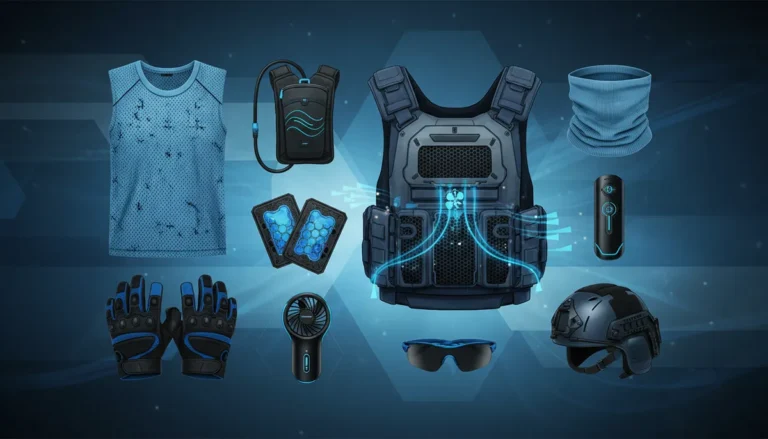
The best results come from combining multiple pieces of hot weather gear rather than relying on just one solution. A ventilation vest creates airflow under your armor, moisture-wicking base layers manage sweat, tactical pants keep your legs cooler, and proper hydration helps your body regulate temperature. Each piece works with the others to create a complete cooling system.
Start with the foundation—a quality ventilation vest that addresses the primary heat source under your body armor. Add an active fan system for situations where you need maximum cooling or will be stationary for extended periods. Layer these with moisture-wicking clothing and you’ve addressed the major heat and moisture issues that affect body armor wearers.
Many professionals find that investing in the core items first—ventilation vest, fan system, and good base layers—provides the most value. You can add other hot weather gear items based on your specific work environment and budget. Vehicle-based professionals benefit more from seat cooling and sun shades, while foot patrol officers get more use from cooling towels and tactical hydration packs.
When to Use Different Hot Weather Gear
Understanding when to deploy different hot weather gear helps you stay comfortable without carrying unnecessary equipment. On moderate days (75-85 degrees), a simple ventilation vest and moisture-wicking base layer might be all you need. As temperatures climb into the 90s, add your fan system and keep cooling towels accessible for breaks.
During extreme heat warnings (above 95 degrees), use everything in your hot weather arsenal. Start your shift pre-hydrated, activate both passive and active cooling systems, and take advantage of vehicle AC whenever possible. According to Body Armor Standards research, heat stress significantly impacts officer performance and decision-making, making proactive cooling strategies essential during hot weather operations.
Night shifts in summer heat require different strategies than day shifts. Even after sunset, heat radiates from pavement and buildings, and humidity often increases. Fan systems work especially well during night operations because ambient temperatures drop enough that moving air provides significant cooling. Keep your hydration system filled and your ventilation vest inflated even if the sun has set.
Maintaining Your Hot Weather Gear
Proper maintenance extends the life of your hot weather gear and ensures it works when you need it. Wash moisture-wicking base layers and tactical pants according to manufacturer instructions—usually cold water, mild detergent, and air dry or low heat. Avoid fabric softener, which clogs the fibers and reduces moisture-wicking performance.
Clean your ventilation vest monthly or whenever it gets visibly dirty. Most designs can be wiped down with a damp cloth and mild soap. Check the inflation valve and seams regularly for leaks. Store it deflated in a cool, dry place away from direct sunlight. Fan systems need their air filters cleaned or replaced regularly to maintain airflow efficiency and battery performance.
Inspect cooling towels for tears or excessive wear that affects their cooling ability. Replace them annually or when they no longer activate properly. Check hydration bladders for mold or bacteria buildup—clean them weekly with hot water and a specialized cleaning kit. Dry them completely before storage to prevent microbial growth. Well-maintained hot weather gear lasts multiple seasons and performs reliably when temperatures soar.
Budget-Friendly Hot Weather Gear Options
Building a complete hot weather gear kit doesn’t require buying everything at once. Prioritize items that provide the most cooling benefit for your specific situation. A BluHalo ventilation vest at $60 delivers exceptional value because it works every day without batteries or replacement parts, and it addresses the primary heat source—trapped air under body armor.
Good moisture-wicking base layers cost $20-40 each. Buy two or three so you always have a clean one ready. This investment pays off quickly in comfort and reduced laundry frequency compared to cotton shirts that need changing multiple times per shift. Cooling towels run $10-20 and last for years with proper care, making them one of the most cost-effective hot weather gear items.
Consider bundling options when available. BluHalo offers bundle discounts when you purchase their ventilation vest and Blufano fan system together, saving money while getting both passive and active cooling solutions. This combination provides comprehensive temperature management under body armor for any heat level you encounter.
Stay Cool and Focused This Summer
Hot weather doesn’t have to mean miserable shifts when you wear body armor. The right combination of ventilation vests, fan systems, moisture-wicking clothing, and hydration equipment keeps you cooler, drier, and more focused on the job. These nine hot weather gear essentials work together to manage heat and moisture so you can perform at your best regardless of temperature.
Start with proven solutions that address your biggest heat challenges. For most body armor wearers, that means creating airflow under your vest with a BluHalo ventilation system and adding active cooling with a Blufano fan during extreme heat. Build out your hot weather gear kit from there based on your work environment and budget. Every piece you add makes hot weather duty more bearable and safer.
Don’t wait until you’re suffering through another sweltering summer to take action. Your comfort, performance, and health matter. Contact the cooling experts at BluHalo to learn more about ventilation solutions designed specifically for body armor professionals. Stay cool, stay focused, and stay safe out there this summer.
FAQs
Q: What’s the most effective hot weather gear for body armor wearers?
A: Ventilation vests are the most effective solution because they create airflow directly under your body armor where heat gets trapped. The BluHalo ventilation vest lifts your armor off your body to allow air circulation, while the Blufano fan system actively pushes cool air across your torso. Together, they provide the best cooling for professionals who wear protective equipment in hot weather.
Q: How do ventilation vests compare to cooling vests with ice packs?
A: Ventilation vests work all day without replacement parts and don’t add bulk under your armor. Ice pack vests provide intense cooling for 2-4 hours but require freezer access and add significant weight. For daily patrol and extended operations, ventilation systems offer better long-term comfort and convenience than ice-based solutions.
Q: Can I use hot weather gear under any type of body armor?
A: Yes, quality ventilation vests like BluHalo work under any style of body armor—ballistic vests, plate carriers, tactical carriers, and concealable vests. They attach with Velcro and lie flat when deflated, so they don’t interfere with your gear or create a visible profile. Fan systems like Blufano also slide under any vest design.
Q: How much difference does hot weather gear really make?
A: Officers report feeling 10-15 degrees cooler with proper ventilation gear, especially when combined with vehicle AC or ambient airflow. The difference becomes most noticeable after a few hours of wear—instead of being soaked with sweat and mentally fatigued, you stay dry and alert. Many professionals say they can’t imagine going back to working without their cooling equipment once they experience the comfort improvement.
Q: What hot weather gear should I buy first on a limited budget?
A: Start with a BluHalo ventilation vest because it provides the biggest cooling impact for the investment and works without batteries or ongoing costs. Add moisture-wicking base layers next since they’re affordable and enhance the vest’s effectiveness. Once you have those basics covered, consider adding a Blufano fan system for maximum cooling during extreme heat or extended operations.