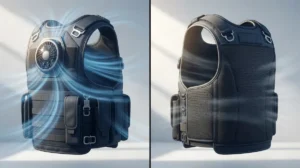
Understanding the Need for Maximum Ventilation in Body Armor
When we talk about police body armor, the first thing that usually comes to mind is protection. Bulletproof vests are lifesavers, literally. But here’s the rub: while they’re busy stopping bullets, they’re also notoriously good at trapping heat. As an officer patrolling the streets of Chicago, I’ve felt this firsthand. Imagine wearing a thick, heavy blanket in the middle of summer, and you’re getting close to what it feels like.
Why is ventilation so crucial, then? Well, it’s not just about comfort – though that’s a big part of it. Overheating in body armor can lead to a whole host of issues. We’re talking about heat exhaustion, dehydration, and decreased cognitive function. In high-stress situations, which are par for the course in law enforcement, these factors can seriously impact an officer’s ability to perform their duties effectively.
Moreover, prolonged exposure to heat and sweat isn’t just uncomfortable; it’s a health hazard. Skin irritation, rashes, and even infections can become real concerns. And let’s not forget the logistical side of things – a vest that’s soaked in sweat isn’t exactly easy to wear day in, day out.
Enter the concept of maximum ventilation in police body armor. This isn’t just a fancy term for a few extra holes or a thinner fabric. We’re talking about a comprehensive approach to keeping officers cool, dry, and focused. From advanced materials that wick away moisture to innovative designs like Bluhalo that allow for better airflow, ventilated body armor is changing the game.
In essence, maximum ventilation in police body armor is about striking that critical balance between protection and comfort. It’s about ensuring that the men and women who put their lives on the line every day can do so without the added burden of battling their gear. In the following sections, we’ll delve into how this technology works, its real-life impact, and how to choose the best option for those in the line of duty. https://www.qoreperformance.com/
Real-Life Impact: Officers’ Experiences with Ventilated Body Armor
Let’s get real for a moment. The tech specs and features of ventilated police body armor are impressive, but what truly matters is how they translate to the streets, right? It’s about the difference these vests make in the daily grind of an officer’s life. So, let’s talk about the real-life impact of this gear from the perspective of officers who’ve worn it.
As a beat cop in Chicago, I can personally vouch for the difference ventilated body armor makes. On those sweltering summer days, when the heat is bouncing off the concrete and you’re hopping from call to call, a ventilated vest feels like a lifeline. It’s not just about being less sweaty (though, trust me, that’s a big plus). It’s about being able to stay alert, focused, and ready to respond without feeling weighed down by your gear.
Then there’s the long-term aspect. Officers who’ve switched to ventilated body armor often talk about reduced fatigue and discomfort. This isn’t just about physical well-being; it’s about mental and emotional health too. When you’re more comfortable, you’re in a better headspace to handle the stresses of the job. And let’s face it, policing is as much a mental game as it is a physical one.
Colleagues have shared stories of how switching to ventilated vests has improved their overall work experience. One officer mentioned how, after a long shift, he used to feel drained and irritable, partly because of the discomfort from his old, non-ventilated vest. After switching to a ventilated model, he noticed a significant improvement in his mood and energy levels at the end of his shifts.
It’s also about the little things. Being able to bend, move, and chase suspects without feeling like you’re trapped in a sauna can make a big difference in how effectively you can do your job. And let’s not forget the health benefits – fewer skin irritations, reduced risk of heat-related illnesses, and overall better physical condition.
But it’s not just about comfort. Officers who’ve experienced the ventilated vests also report feeling more confident in their gear. Knowing that their vest can provide both top-notch protection and superior comfort adds an extra layer of assurance in the field.
In essence, the real-life impact of ventilated police body armor is profound. It’s about improving the day-to-day working conditions for officers, which in turn, enhances their ability to serve and protect the community effectively.
Comparing Traditional and Ventilated Body Armor: What’s the Difference?
When it comes to body armor, the jump from traditional to ventilated designs is like comparing a classic flip phone to the latest smartphone – both do the fundamental job, but the latter brings a whole new level of functionality and comfort. Let’s break down the key differences between traditional and ventilated body armor, and see why the latter is becoming a must-have for officers.
First off, let’s talk breathability. Traditional body armor, while effective in stopping bullets, often feels like wearing a portable sauna. It’s hot, it’s heavy, and let’s be honest, it doesn’t do any favors for your body’s natural cooling system. Ventilated body armor, on the other hand, is designed with breathability in mind. It’s like having a built-in cooling system that helps regulate your body temperature, keeping you cooler and more comfortable during those long shifts.
Then there’s the weight factor. Traditional vests can be quite bulky and heavy, which, over time, can lead to fatigue and even chronic back pain. A vest, ventilated with a Bluhalo will feel lighter as it helps to distribute weight more evenly. This means less strain on your body, and more energy to focus on the task at hand.
Now, let’s talk about moisture management. In a traditional vest, sweat has nowhere to go, leading to discomfort and potential skin issues. Bluhalo elevates the vest allowing for airflow which will help to keep you dry. This is crucial for maintaining comfort and hygiene, especially on hot days or during intense physical activity.
Lastly, let’s talk about the psychological aspect. Wearing a vest that’s hot and uncomfortable can be a distraction, and in police work, distractions can be dangerous. A vest ventilated with a Bluhalo will keep you cooler and more comfortable, helps you stay focused and alert, which is essential for both your safety and the safety of those around you.
In summary, while traditional body armor has served officers well over the years, ventilated body armor is a significant step forward. It offers improved comfort, better weight distribution, superior moisture management, and maintains the high level of protection needed, all while helping officers stay focused and effective in their duties.
Summary
Alright, let’s bring it all home. Why is Bluhalo your best bet when it comes to “Maximum Ventilation Police Body Armor”? It’s simple. It’s designed with the needs of active-duty officers like myself in mind. It offers the perfect blend of protection, comfort, and practicality, making it a must-have for any officer looking to stay cool, comfortable, and focused on the job.
I’ve felt the difference myself, and I can tell you, it’s a game changer. No more overheating, no more excessive sweating, just maximum protection and comfort. It’s about time we as officers get the gear we need to perform at our best, and Bluhalo delivers just that.
If you’re in the market for something to help cool you down and keep sweat to a minimum. Don’t just settle for the traditional stuff. Give yourself the upgrade you deserve. Trust me, your body (and your sanity) will thank you. Check out vestventillation.com and Buy a Bluhalo Today. Stay safe, stay cool, and stay ready for whatever comes your way.