Key Takeaways
-
Heat stress under body armor impairs decision-making and reaction time; circulating air systems are the most effective cooling method according to OSHA, making cooling a safety issue rather than just comfort.
-
Active fan systems like BluFano provide 8-32 hours of continuous cooling with built-in power banks, making them ideal for long shifts, while passive ventilation vests offer lightweight, maintenance-free all-day cooling without batteries.
-
Ventilation vests create air gaps that lift body armor 1.5 inches off the body, enabling natural heat escape; the BluHalo weighs under 7 ounces and attaches with Velcro for on-demand cooling relief.
-
Over 9,200 Americans are hospitalized annually from heat-related illness, with first responders at highest risk; layering solutions like combining passive vests with active fans delivers maximum cooling for extreme heat environments.
-
Phase-change cooling vests provide up to 4 hours of battery-free cooling for short missions, while ice vests offer intense rapid cooling post-operation but require ice access and are impractical for full-day wear.
-
Match cooling solutions to your role: patrol officers benefit from passive vests, SWAT teams need active fan systems with extended battery life, firefighters require ice vest combos, and soldiers in remote areas need phase-change or passive options.
If you wear body armor or heavy protective gear for a living, you already know the struggle. Heat builds up fast. Sweat soaks through your uniform. Your focus starts to slip. And the longer the shift, the worse it gets. Over 9,200 people are hospitalized annually in the U.S. from heat-related illness, and first responders are among the most at-risk groups. The good news? There are real first responder cooling solutions that can make a huge difference on the job. Whether you’re a patrol officer, a firefighter, a soldier, or a security professional, the right cooling gear can keep you comfortable, focused, and safe — even on the hottest days. Let’s break down the seven best options available in 2026, so you can find the one that fits your needs.
Why Cooling Matters So Much Under Body Armor
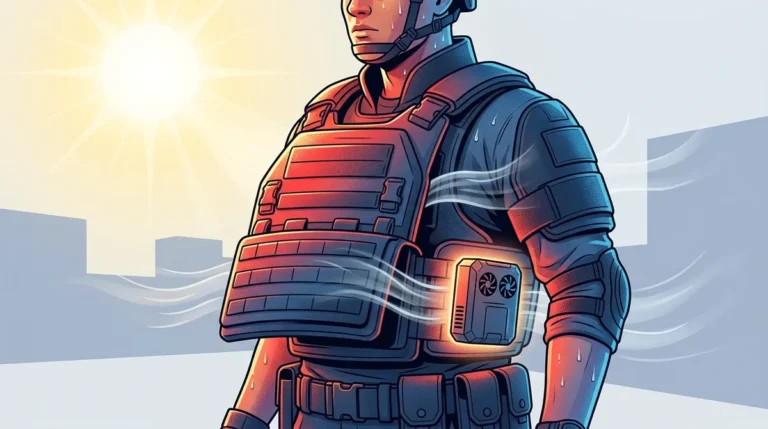
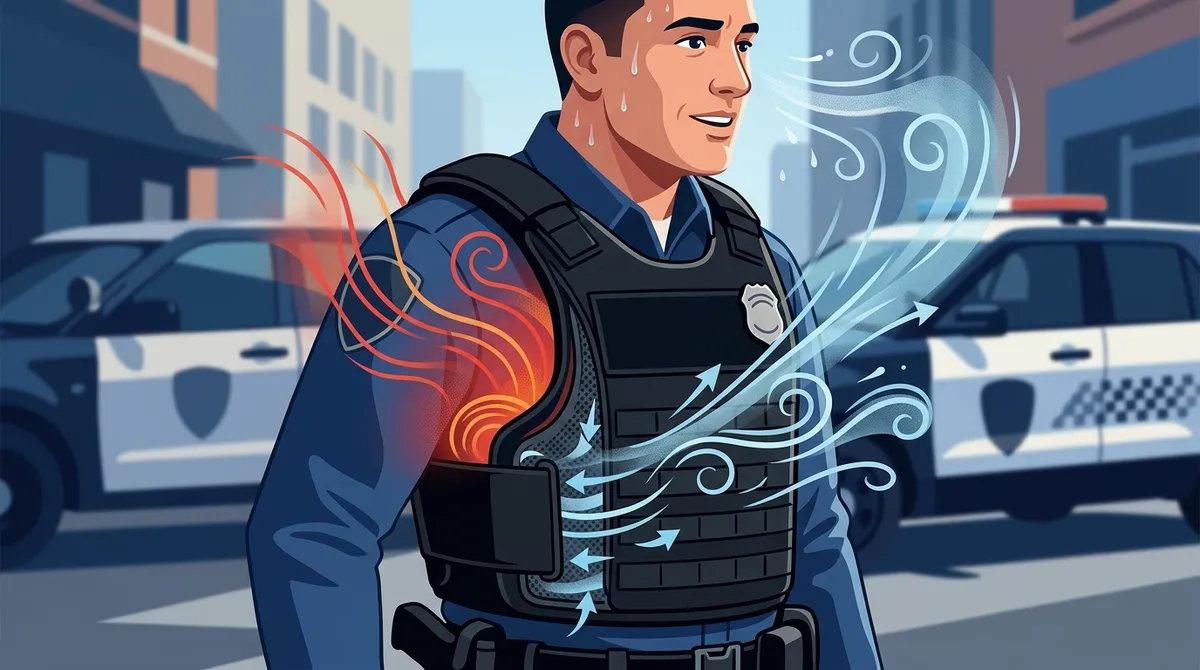
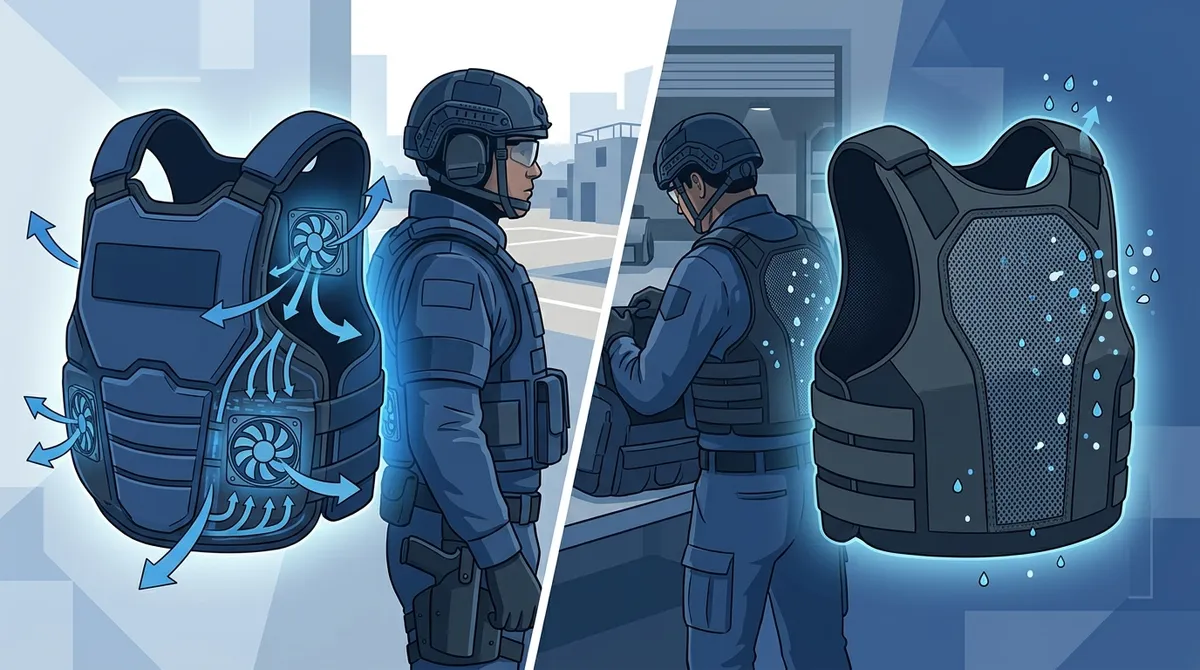
Body armor is designed to protect you, but it comes with a serious downside — it traps heat. The panels sit close to your body and block natural airflow. This turns your torso into a heat box, especially in warm or humid conditions. Police officers struggle with heat under body armor every single shift, and it’s not just about comfort. Heat stress affects decision-making, reaction time, and physical performance. Staying cool isn’t a luxury — it’s a safety issue. According to the OSHA Heat Stress Guide, circulating air is the most effective personal cooling method available, though it’s also the most complex to implement.
The Two Main Types of Cooling Solutions
Before diving into the list, it helps to know the two main approaches to first responder cooling solutions. Understanding these categories makes it easier to pick what’s right for you.
- Passive cooling — relies on breathable materials, spacing, or mesh construction to allow natural airflow. No power needed, lightweight, and simple to use.
- Active cooling — uses fans, phase-change materials, or airflow systems to actively push cool air across the body. More powerful, often battery-operated, and great for long shifts.
You can compare passive vs. active tactical vest ventilation to get a deeper look at both sides. Each has real benefits depending on your role, environment, and shift length.
| Cooling Type | Power Source | Best For | Cooling Duration |
|---|---|---|---|
| Passive Ventilation Vest | None | All-day wear, low profile | Continuous (no limit) |
| Active Fan Vest | Battery | Long shifts, high heat | 8–32 hours |
| Phase-Change Vest | None (PCM) | Short bursts of cooling | Up to 4 hours |
| Ice Vest | None (ice packs) | Extreme heat environments | 1–3 hours |
7 First Responder Cooling Solutions That Deliver Results
1. Ventilation Vests with an Air Gap System
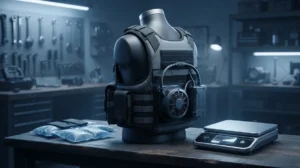
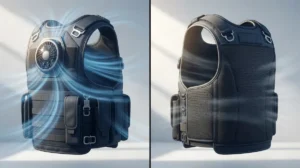
A ventilation vest creates a physical gap between your body armor and your skin. This gap lets heat and sweat escape instead of building up. The BluHalo ventilation vest does exactly this. It was invented by a Chicago police officer who was tired of overheating on the job. The BluHalo weighs under 7 ounces, attaches to your vest with Velcro, and can lift your body armor up to 1.5 inches off your body when inflated. That gap creates a natural cooling channel. It’s a fantastic body armor ventilation solution for officers who want simple, on-demand relief.
2. Active Fan Systems for Continuous Airflow
If you need more than a passive air gap, a fan-powered system is the next step up. BluFano is an active fan system designed to slide directly under any style of body armor. It uses a patented air-redirect spout to push fresh air across your torso continuously. The built-in 10,000mAh power bank means it runs for 8 to 32 hours depending on your fan setting. It can also charge your USB devices and includes a forward-facing light for low-light situations. This makes it one of the most complete first responder cooling solutions available in 2026. You can compare the BluFano fan system against passive cooling options to see if it’s the right fit for your needs.
3. Phase-Change Cooling Vests
Phase-change material (PCM) vests absorb body heat as the material changes from solid to liquid. They don’t need power, which makes them attractive for environments where batteries aren’t practical. Some models provide up to 4 hours of cooling and can be recharged simply by leaving them at room temperature or in a cool environment. These work well for short missions or response scenarios where you need focused cooling without carrying a power source. However, they lose effectiveness after a few hours, so they’re not ideal for full-day wear.
4. Ice Vests and Ice Pack Systems
Ice vests are one of the oldest first responder cooling solutions on the market. According to OSHA, some auxiliary body cooling ice vests can accommodate as many as 72 ice packets. They provide intense, immediate cooling — great for rapid cooling during rehab after a firefighting operation or a high-intensity tactical operation. The downside is that ice melts, and once it’s gone, so is your cooling. They’re heavy, bulky, and require ice access. These are best kept as a supplemental tool rather than an all-day solution.
5. Moisture-Wicking and Breathable Base Layers
Sometimes the best cooling improvement starts with what’s closest to your skin. A high-quality breathable base layer helps wick sweat away from the body so it can evaporate faster. While these don’t replace a true ventilation vest system, they work great alongside one. Pairing a moisture-wicking shirt with an active ventilation vest gives you two lines of defense against heat buildup. Check out our guide on the best moisture-wicking vests for body armor comfort in 2026 for top picks.
6. Wetted Clothing and Evaporative Cooling Methods
Evaporative cooling is a low-tech but effective strategy. OSHA recognizes wetted clothing as a legitimate personal cooling method for hot environments. The idea is simple — damp fabric cools the skin as water evaporates. Some first responders use evaporative cooling towels or wraps around the neck and wrists for quick temperature drops. These aren’t a full replacement for a ventilation system, but they’re easy to carry and can offer fast relief during a break. Combine them with a smart ventilation solution under your body armor for the best results.
7. Integrated Airflow and Cooling Bundles
The most effective approach combines multiple solutions together. For example, pairing a passive ventilation vest like the BluHalo with an active fan system like BluFano gives you both an air gap and continuous forced airflow. This layered approach delivers maximum comfort for long shifts in extreme heat. Browse the shop at VestVentilation.com to see bundled options that let you save money while maximizing your cooling setup. It’s also worth reading about how to choose first responder cooling equipment that works before you invest.
Choosing the Right Solution for Your Role
Not every cooling solution fits every job. Here’s a quick guide to help you match the right product to your specific role.
| Role | Top Priority | Recommended Solution |
|---|---|---|
| Patrol Officer | All-day wear, low profile | Passive ventilation vest or fan system |
| SWAT / Tactical Team | Performance under heavy gear | Active fan system with high battery life |
| Firefighter / Hazmat | Extreme heat, short bursts | Ice vest + evaporative cooling combo |
| Military / Deployed | Long missions, no power access | Phase-change vest or passive ventilation |
| Security Professional | Comfortable all-day wear | Ventilation vest with moisture-wicking base layer |
For law enforcement, the reasons why law enforcement officers need a cooling vest go beyond comfort. Reduced heat stress means better decision-making and improved officer safety. For military personnel, you can learn more about why military heat stress prevention gear matters and how it directly impacts mission readiness.
Key Features to Look for When Shopping
When evaluating any first responder cooling solution, keep these buying factors in mind:
- Compatibility with your body armor — It must fit under your specific gear without adding bulk or restricting movement.
- Shift length and battery life — Make sure the cooling system lasts as long as your shift does. Look for 8–32 hours for active systems.
- Performance in humidity — Some cooling methods struggle in humid climates. Fan-driven active systems tend to perform better than evaporative methods in high humidity.
- Weight and bulk — Lighter is always better. A heavy cooling vest defeats its own purpose if it adds fatigue.
- Ease of use — If it takes 10 minutes to set up, you won’t use it consistently. Look for simple attachment and one-button operation.
You can also review the Body Armor Standards from the National Institute of Justice to ensure any cooling system you choose remains compatible with your vest’s protective ratings. For a broader look at avoiding common mistakes, check out 7 mistakes to avoid when choosing a cooling vest under body armor.
Tips to Get the Most From Your Cooling Gear
- Combine passive and active cooling for maximum effect on the hottest days.
- Start your shift cool — pre-cooling with an ice vest or cool environment gives you a head start.
- Stay hydrated — no cooling vest replaces proper hydration during long shifts.
- Clean and maintain your gear regularly so airflow channels stay clear and effective.
- Adjust fan settings to balance battery life with cooling intensity based on conditions.
If you’re wondering exactly how active airflow works under your armor, this article on how an active cooling system works in ventilation vests is a great starting point. And if you want to learn about common setup errors, read about body armor cooling fan mistakes you must avoid.
The Bottom Line on First Responder Cooling Solutions
Heat is a real threat for anyone who wears body armor on the job. But in 2026, you have more options than ever to fight back. Whether you choose a passive ventilation vest, an active fan system, a phase-change vest, or a combination of all three, the right gear can transform how you feel on every shift. The best first responder cooling solutions work quietly in the background so you can focus on what actually matters — doing your job safely and effectively. BluHalo and BluFano were built specifically for professionals like you, by someone who has worn the gear and lived the challenge firsthand.
Ready to find the right cooling solution for your role? Reach out to the BluHalo team and get personalized guidance on the best ventilation vest setup for your specific needs. You deserve to stay cool out there.
FAQs
Q: What are first responder cooling solutions for body armor wearers?
A: First responder cooling solutions are wearable systems designed to reduce heat buildup under protective gear like body armor. They include passive ventilation vests, active fan systems, phase-change cooling vests, and ice vests — all aimed at keeping you comfortable and safe during long, hot shifts.
Q: How do ventilation vests work under body armor?
A: Ventilation vests create an air gap between your skin and the inside of your body armor, allowing heat and moisture to escape instead of building up. Some, like the BluHalo, inflate on demand to lift the armor off your body and create a continuous cooling channel — it’s a simple but seriously effective solution!
Q: What is the difference between passive and active cooling vests?
A: Passive vests rely on breathable construction and spacing to let natural airflow do the work — no power required. Active vests use fans or motors to push air continuously, giving you stronger cooling on demand. Active systems like BluFano can run for 8 to 32 hours, making them great for long shifts.
Q: Are phase-change cooling vests better than fan-driven ventilation vests?
A: It depends on your situation! Phase-change vests are lightweight and require no power, but they typically only cool for up to 4 hours. Fan-driven vests provide longer, more consistent airflow but need a battery. For all-day shifts in high heat, a fan-driven active system usually wins.
Q: Do ventilation vests help prevent heat exhaustion in first responders?
A: Yes, they absolutely can help! By improving airflow and reducing heat buildup under body armor, ventilation vests lower your core temperature and reduce the risk of heat stress and heat exhaustion. Combined with proper hydration and smart shift management, they’re a valuable part of any heat safety plan.