Key Takeaways
-
Core body temperature of 104°F (40°C) or higher is life-threatening; cooling products can lower skin temperature by up to 24% and boost endurance by 26% over 10-12 hour shifts.
-
Active fan systems with battery power consistently outperform passive ventilation in hot conditions; look for at least 8 hours of runtime on moderate settings for full-shift coverage.
-
Proper setup is critical: use moisture-wicking base layers, position ventilation vests flat under armor to create a 1-1.5 inch air gap, and activate cooling before your body overheats.
-
Avoid common mistakes including cotton undergarments, waiting too long to activate cooling, neglecting battery charging, and poor gear positioning that compromises airflow.
-
Layered cooling solutions work best: combine moisture-wicking base layer, ventilation vest (like BluHalo), and active fan system (like Blufano) for maximum heat management and performance.
-
Different professions have different cooling needs; patrol officers and security guards benefit from lightweight ventilation vests, while tactical teams and soldiers require active fan systems for extreme heat conditions.
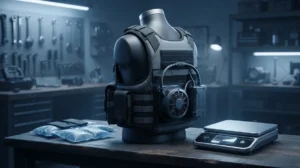
If you wear body armor for a living, you already know the feeling. The heat builds up fast. Sweat soaks through your undershirt before noon. Your focus starts to slip. Your body is working overtime just to stay cool — and that’s before anything demanding even happens. Body temperature regulation tactical gear exists to solve exactly this problem, and in 2026, the options available to professionals are better than ever.
Whether you’re a patrol officer, a soldier, a security specialist, or a first responder, heat stress under protective gear is a real threat — not just to comfort, but to performance and safety. A core body temperature of 104°F (40°C) or higher is considered life-threatening, according to hyperthermia guidance. That’s why understanding how to use temperature regulation gear the right way is so important. Let’s walk through everything you need to know.
Why Body Armor Traps So Much Heat
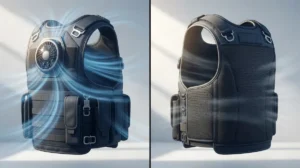
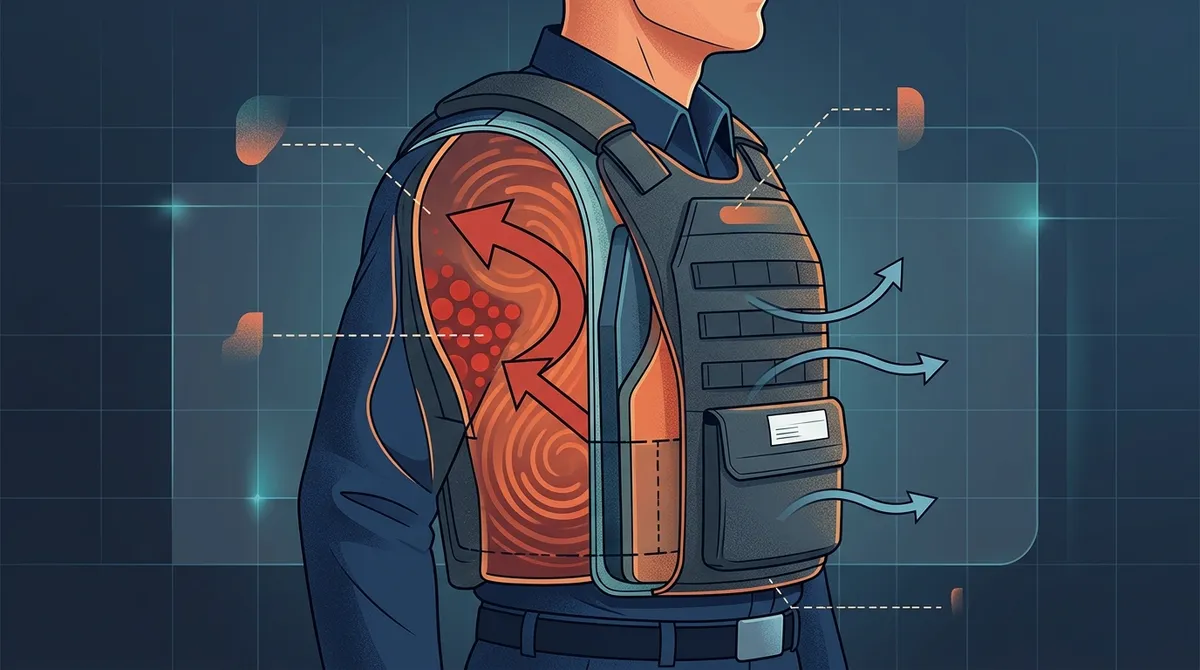
Body armor is designed to protect you — but it creates a serious problem for your body’s natural cooling system. Your skin normally releases heat through sweat evaporation and airflow. When you strap on a vest, you block both of those pathways. Heat and moisture get trapped in the microclimate between your body and the armor.
This trapped environment leads to rising skin temperature, increased sweat production, and faster fatigue. Research shows that cooling products designed for body armor can lower skin temperature and sweat by up to 24% and boost endurance by up to 26%. Those numbers make a real difference over a 10- or 12-hour shift. You can learn more about the science behind this on our body armor ventilation breakdown for officers.
Understanding the Types of Temperature Regulation Gear
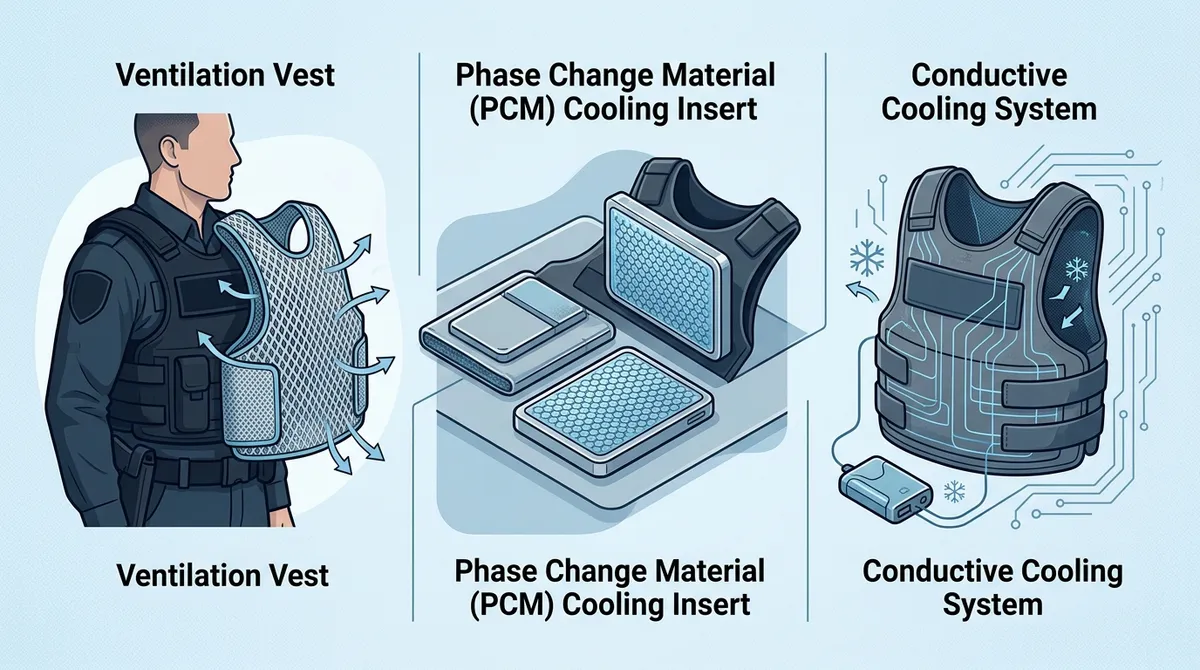
Not all tactical cooling gear works the same way. Knowing the difference helps you choose the right tool for your situation. Here’s a quick look at the main categories available in 2026:
| Gear Type | How It Works | Best For | Key Limitation |
|---|---|---|---|
| Ventilation Vests | Creates an air gap under armor; moves heat away from skin | Daily duty, long shifts | Needs airflow source or active fan |
| Active Fan Systems | Circulates fresh air under armor using battery-powered fan | Officers, soldiers, security pros | Requires battery charging |
| Evaporative Cooling Vests | Uses moisture activation to cool the body surface | Outdoor, high-heat environments | Loses effectiveness in humid conditions |
| Phase-Change Vests | Uses materials that absorb heat as they melt | Short bursts of intense heat | Limited duration; needs recharging |
| Moisture-Wicking Fabrics | Pulls sweat away from skin to outer layer for evaporation | Base layer comfort | Doesn’t address heat buildup directly |
For professionals who wear body armor certified to NIJ standards, ventilation vests and active fan systems tend to deliver the most consistent, all-day relief. Let’s dig into how to use them correctly.
Step-by-Step: How to Set Up Your Tactical Cooling Gear
Getting the most out of body temperature regulation tactical gear isn’t complicated — but setup matters. Follow these steps to make sure you’re getting full cooling benefit every shift.
- Start with a breathable base layer. Moisture-wicking fabrics pull sweat away from your skin. This gives your cooling gear a head start. Avoid cotton — it holds moisture against your body.
- Position your ventilation vest correctly. The vest should sit flat against your chest and back, directly under your body armor. It needs to make full contact so it can lift the armor away from your skin when inflated or activated.
- Secure the ventilation system. Whether you’re using a strap, Velcro attachment, or integrated clip, make sure the unit doesn’t shift during movement. A unit that slides out of position stops working.
- Activate cooling before your body heats up. Don’t wait until you’re already sweating heavily. Start your cooling system at the beginning of your shift or mission so the microclimate stays manageable from the start.
- Adjust airflow to match activity level. Higher output means faster cooling but shorter battery life. Match your fan speed or inflation level to what you’re doing. Walking a beat? Lower setting. High-intensity scenario? Crank it up.
For a detailed walkthrough of the BluHalo system in particular, check out our guide on how to use the BluHalo ventilation vest for maximum comfort.
Key Features to Look for in Regulation Tactical Gear
Shopping for body temperature regulation tactical gear can feel overwhelming with so many options on the market. Here’s what actually matters for daily duty use:
- Air gap creation: The gear needs to physically separate your armor from your skin to allow heat to escape. A 1- to 1.5-inch gap makes a significant difference in microclimate temperature.
- Active vs. passive airflow: Passive systems rely on body movement and ambient air. Active systems use fans to push fresh air under the armor. Active systems consistently outperform passive ones in hot conditions. Read more in our passive vs. active tactical vest ventilation comparison.
- Battery life: For a full 8- to 12-hour shift, you need a system that can keep up. Look for units with at least 8 hours of run time on a moderate setting.
- Weight and profile: Extra weight adds fatigue. Look for lightweight systems — under 7 ounces is ideal — that sit flat and don’t affect how your armor fits or feels.
- Durability: Your gear takes a beating. Look for high-tensile construction materials that hold up to daily duty use.
- Ease of use: You shouldn’t need to think about your cooling gear during a critical moment. Simple controls — like a single knob or button — keep things intuitive.
The OSHA Heat Stress Guide recommends that employers and workers take proactive steps to manage heat exposure, especially when protective clothing is worn. The right gear makes that much easier to achieve in the field.
How BluHalo and Blufano Work Together
Two products stand out when it comes to body temperature regulation for body armor wearers: the BluHalo ventilation vest and the Blufano fan system.
BluHalo is a lightweight vest — under 7 ounces — that was designed by a Chicago police officer who lived the problem firsthand. You attach it under your armor with Velcro and inflate it on demand. When inflated, it lifts your vest up to 1.5 inches off your body, creating a cooling air gap. When you need a low profile, one button deflates it instantly. It’s built from double-layer high-strength polyethylene for durability, and it genuinely changes how a long shift feels.
Blufano takes things further. It’s an active cooling system with a patented air-redirect spout that slides under any style of body armor. A built-in fan — powered by an included 10,000mAh power bank — circulates fresh air for 8 to 32 hours depending on your setting. It also charges USB devices and has a forward-facing light for low-light situations. Officers who use it report faster cooling, less sweat, and better focus throughout the day.
When you combine both products, you get cooling on demand plus continuous airflow — a powerful combination for managing body temperature under armor. Check out how these two compare in our BluFano vs BluHalo comparison guide.
Comparing Cooling Performance by Profession
Different roles demand different levels of cooling support. Here’s how body temperature regulation tactical gear stacks up across common professions:
| Professional Role | Heat Challenge Level | Recommended Gear Type | Priority Feature |
|---|---|---|---|
| Patrol Officer | Moderate to High | Ventilation vest + active fan | All-day comfort, low profile |
| Military Soldier | High to Extreme | Active fan system | Long battery life, durability |
| Security Guard | Moderate | Ventilation vest | Lightweight, ease of use |
| SWAT / Tactical Unit | Extreme | Active fan system + moisture-wicking base | Performance under heavy load |
| Emergency Responder | High to Extreme | Evaporative or active system | Rapid cooling, safety-focused |
No matter your role, the goal is the same: keep your core temperature stable so you can think clearly and perform at your best. If you’re an emergency responder, our guide on how to choose emergency responder gear that keeps you cool goes deeper on your specific needs.
Common Mistakes That Undermine Your Cooling Gear
Even the best body temperature regulation tactical gear won’t work well if you’re making these common mistakes. Avoid them and you’ll get far better results:
- Wearing thick cotton undergarments: Cotton traps moisture and heat. Switch to moisture-wicking synthetics or merino wool for a better base layer experience.
- Waiting too long to activate cooling: Once your body is already overheated, it takes longer to recover. Start your cooling system early.
- Neglecting battery charging: A dead battery means no active cooling. Make charging part of your daily routine — just like charging your radio or phone.
- Poor gear positioning: If your ventilation vest slips or your fan unit shifts, airflow is compromised. Double-check your setup at the start of every shift.
- Ignoring hydration: Cooling gear supports your body’s thermoregulation — it doesn’t replace it. Staying hydrated keeps your system working properly.
For a deeper look at what to avoid, our article on 7 body armor cooling fan mistakes you must avoid covers the most common pitfalls in detail. You can also get personalized help by reaching out to Smile District, a trusted partner in professional wellness and comfort solutions.
Fabric Technology and Temperature Regulation
The materials your gear is made from matter more than most people realize. Temperature-regulating textiles have come a long way in 2026. Here’s a quick comparison of the leading fabric technologies used in tactical cooling gear:
| Fabric Technology | How It Helps | Claimed Benefit |
|---|---|---|
| 37.5 Technology | Removes moisture at the vapor stage before sweat forms | Cools skin by up to 12.5°F |
| Outlast (Phase Change) | Absorbs excess heat, releases it when you cool down | Reduces sweat by up to 48% |
| Standard Moisture-Wicking | Moves sweat to outer layer for evaporation | Improved surface dryness |
| High-Strength Polyethylene (e.g., BluHalo) | Durable air gap creation under armor | Consistent lift and ventilation |
Combining the right fabrics with an active cooling system like Blufano gives you layered protection against heat buildup. That’s how professionals stay sharp through long, demanding shifts. For more on the mechanics, visit our article on how an active cooling system works in ventilation vests.
Building Your Ideal Tactical Cooling Setup
The best body temperature regulation tactical gear setup layers multiple solutions together. Here’s how to build yours:
- Base layer: Choose a moisture-wicking or temperature-regulating fabric shirt. This is your foundation.
- Ventilation vest: Add a BluHalo-style vest that creates an air gap between your body and armor.
- Active fan system: Slide in the Blufano unit for continuous, fan-driven fresh air circulation under your armor.
- Hydration plan: Pair your gear with a solid hydration routine. Water intake directly impacts how well your body regulates heat.
- Maintenance routine: Clean your cooling gear regularly. Buildup of sweat residue reduces airflow and shortens gear life.
With this setup, you’ll have active airflow, moisture management, and a physical air gap all working together. That’s a meaningful edge in any hot-weather operation. Explore the full range of options in our ventilation vest shop to find what fits your setup best.
A Final Word on Heat Safety
Heat stress isn’t just uncomfortable — it’s dangerous. Thermal discomfort degrades endurance, focus, and decision-making ability. In high-stakes professions, that can have serious consequences. Body temperature regulation tactical gear is one of the most practical investments a working professional can make for both performance and safety. You can see how real officers and professionals have been impacted by browsing the BluHalo customer reviews.
The good news? You don’t have to endure heat under your armor. Smart gear choices, proper setup, and consistent habits make a major difference. The right ventilation vest or fan system won’t just make your shift more comfortable — it could genuinely protect your health and sharpen your performance when it matters most.
Ready to take the next step toward staying cool, focused, and mission-ready? Get in touch with our team to find the right body temperature regulation tactical gear for your specific role and environment. We’re here to help you stay cool under pressure — literally.
FAQs
Q: What is body temperature regulation tactical gear?
A: Body temperature regulation tactical gear refers to any equipment — like ventilation vests, active fan systems, or cooling fabrics — designed to reduce heat buildup and manage moisture under body armor or protective clothing. These solutions help professionals like law enforcement officers and soldiers stay cool, focused, and safe during long shifts or demanding operations.
Q: How do ventilation vests help regulate body temperature under armor?
A: Ventilation vests create a physical air gap between your body and your armor, which allows trapped heat and moisture to escape instead of building up against your skin. Active fan systems like Blufano go even further by continuously circulating fresh air through that gap — giving you real, ongoing cooling relief throughout your entire shift.
Q: Are cooling vests effective for wearing under body armor all day?
A: Absolutely — especially when you use an active system with good battery life! Products like BluHalo and Blufano are specifically designed for all-day duty use, with run times ranging from 8 to 32 hours depending on settings. Officers who use them regularly report big improvements in comfort, less sweat, and better focus on the job.
Q: What’s the difference between a ventilation vest and an evaporative cooling vest?
A: A ventilation vest creates an air gap and may use an active fan to move fresh air under your armor, providing continuous cooling regardless of humidity levels. An evaporative cooling vest uses moisture activation to cool your skin, which works great in dry heat but loses effectiveness in humid environments — making ventilation vests a more reliable choice for most duty conditions.
Q: What should I look for when buying body temperature regulation tactical gear?
A: Look for lightweight design, active airflow capability, long battery life (at least 8 hours), and durable construction that holds up to daily use. The gear should be easy to set up and adjust without distraction, and it should fit comfortably under your existing body armor without adding bulk or affecting your range of motion.