Key Takeaways
-
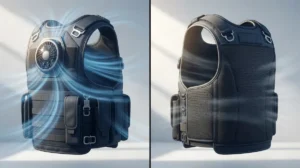
Active ventilation vests with fan systems outperform passive cooling options for sustained relief, delivering 8-32 hours of continuous airflow and preventing heat buildup under body armor during long shifts.
-
Heat stress under armor causes cognitive decline and reduces decision-making speed—a serious operational risk that can be prevented through proper ventilation gear combined with pre-cooling and hydration strategies.
-
The BluFano fan system provides 8-32 hours of battery life with adjustable airflow settings and doubles as a USB charging bank, making it a multi-functional solution for extended duty operations.
-
The U.S. Army’s Heat Illness Prevention System uses wearable sensors to monitor 500+ personnel simultaneously and sends predictive alerts before heat illness becomes severe, enabling early intervention.
-
The BluHalo ventilation vest offers affordable on-demand cooling at $60, weighs under 7 ounces, and creates a 1.5-inch air gap by inflating with a small pump—ideal for professionals seeking lightweight, portable relief.
-
Heat stress prevention requires combining equipment with proven habits: pre-cool before duty, use ventilation gear consistently, hydrate before thirst, take cooling breaks, and monitor team members for early warning signs.
If you’ve ever worn body armor in 95-degree heat, you already know the answer. The heat builds fast. Sweat soaks through your uniform. Your focus starts to slip. And the longer you’re out there, the worse it gets. For military personnel, this isn’t just discomfort — it’s a real operational risk. That’s why military heat stress prevention gear has become a top priority for armed forces around the world in 2026. From advanced ventilation vests to wearable heat monitors, the right gear can mean the difference between peak performance and heat exhaustion. Whether you’re a soldier in the field, a law enforcement officer on patrol, or a security professional working long shifts, understanding your cooling options could protect your health and your mission. Let’s break down what works, why it matters, and what the best options look like today.
What Is Military Heat Stress and Why Is It Dangerous?
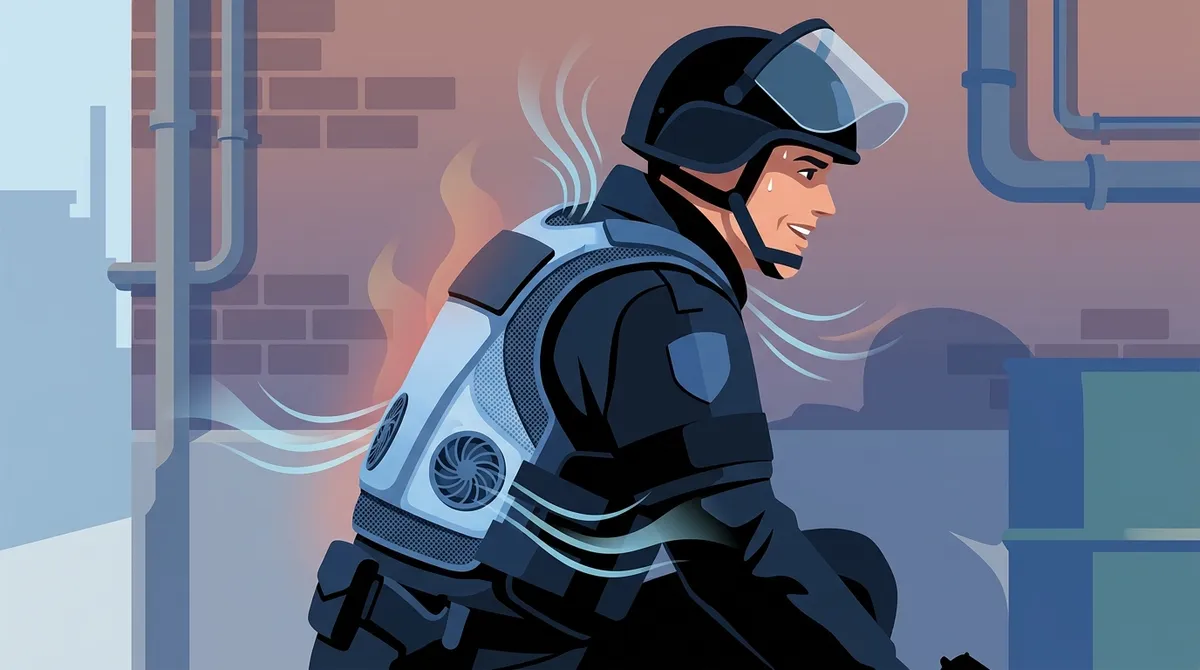
Heat stress happens when your body can’t cool itself fast enough. Under normal conditions, sweating and airflow help regulate your core temperature. But when you’re wearing body armor, that natural process gets blocked. The vest traps heat against your skin. Sweat has nowhere to go. Your core temperature climbs.
For military personnel, this is a serious problem. Heat exhaustion and heat stroke can strike quickly, especially during high-intensity training or combat operations. According to the OSHA Heat Stress Guide, heat-related illness is one of the most preventable occupational hazards — but only if the right precautions and gear are in place.
The good news? Modern military heat stress prevention gear has come a long way. Today’s solutions are smarter, lighter, and more effective than ever before. And they’re not just for soldiers — they’re essential tools for law enforcement officers who need cooling relief and other professionals who wear protective gear daily.

The Biggest Challenges of Wearing Body Armor in the Heat
Body armor is non-negotiable for safety. But it creates a unique set of thermal challenges that most people don’t fully appreciate until they’re living it. Here’s what happens to your body when you gear up in hot conditions:
- Heat trapping: Armor sits tight against your chest and back, blocking airflow entirely in those areas.
- Moisture buildup: Sweat accumulates under the vest with no way to evaporate, making discomfort worse fast.
- Core temperature rise: Without ventilation, your internal temperature can spike quickly during physical activity.
- Cognitive decline: Studies show heat stress reduces decision-making speed and accuracy — dangerous in tactical situations.
- Fatigue acceleration: Your body burns extra energy trying to cool itself, leading to faster exhaustion.
Understanding these challenges is the first step toward solving them. That’s why body armor ventilation has become a game changer for modern tactical professionals.
Types of Military Heat Stress Prevention Gear
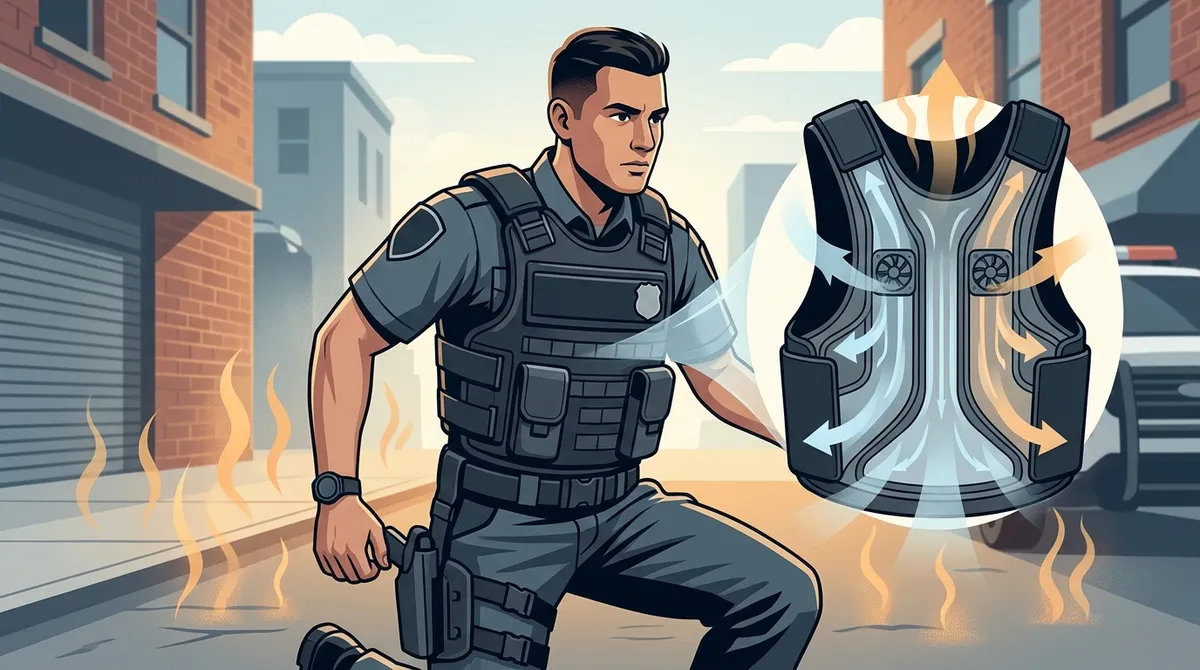
There’s no single solution to heat stress under armor. The best approach combines multiple types of gear. Here’s a look at the main categories available in 2026:
| Gear Type | How It Works | Best For | Duration |
|---|---|---|---|
| Active Ventilation Vests | Fan-driven airflow under armor | Long shifts, patrol duty | 8–32 hours (battery-dependent) |
| Phase Change Material (PCM) Vests | Absorbs body heat using PCM packs | Short intense operations | 1–2 hours per cycle |
| Evaporative Cooling Vests | Water evaporation cools the body | Dry heat environments | Varies with humidity |
| Wearable Heat Monitors | Tracks heart rate and skin temp | Training and high-risk ops | Continuous monitoring |
Each type has its strengths. For professionals who need all-day protection, active ventilation systems consistently outperform passive options in real-world conditions. If you’re curious about how these systems compare in depth, check out this breakdown of ventilation vs. phase change cooling vests.
How Ventilation Vests Work as Heat Stress Prevention Gear
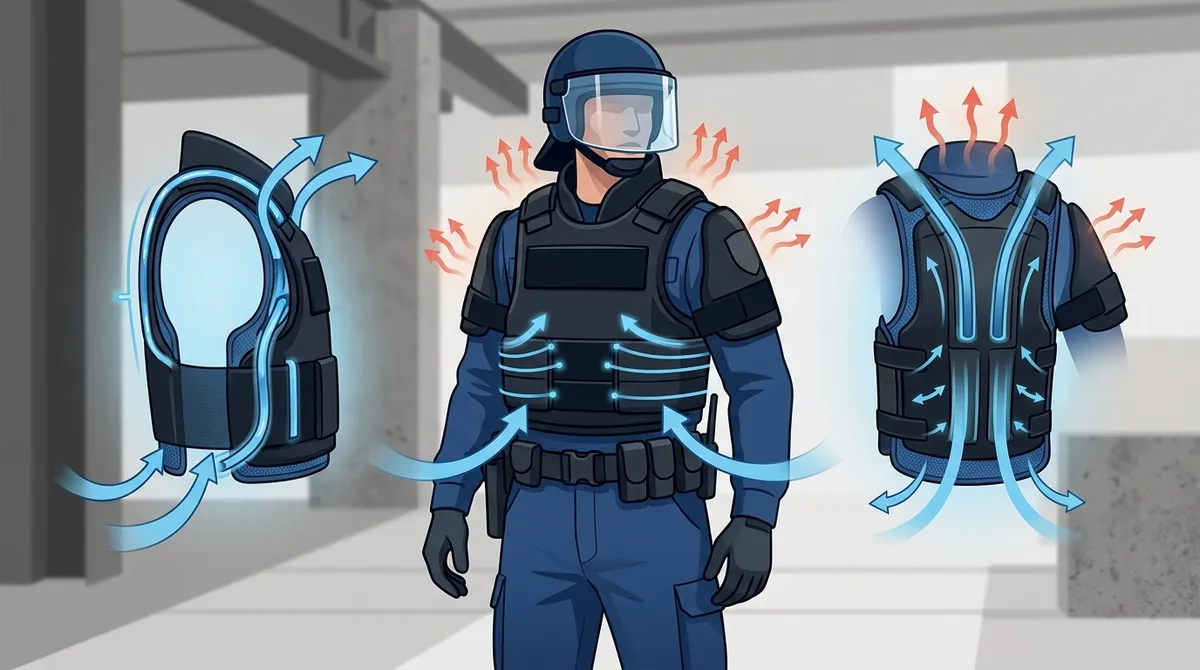
A ventilation vest is designed to sit between your body and your armor. It creates a small air gap that allows heat and moisture to escape instead of building up. Some vests use passive design — spacer mesh or rigid channels — to create that gap. Others use active fan systems to push fresh air through continuously.
Active ventilation vests are the gold standard for military heat stress prevention gear. They move air constantly, which means sweat evaporates faster and your skin stays cooler even during heavy exertion. For an in-depth look at how this technology works, here’s a full explainer on active cooling systems in ventilation vests.
The BluHalo Ventilation Vest
The BluHalo ventilation vest was actually created by a Chicago police officer who was tired of overheating on long shifts. It weighs under 7 ounces and attaches to the inside of your armor with Velcro. When inflated, it lifts your vest about 1.5 inches off your body — creating a cooling air gap that keeps heat from getting trapped.
The design is genius in its simplicity. You inflate it on demand using a small pump, and deflate it instantly with a button press when you don’t need it. It lies completely flat when not in use, so it never feels bulky or noticeable under your gear. Built from double-layer high-strength polyethylene, it’s tough enough for daily duty use. At just $60, it’s one of the most affordable and effective body armor ventilation options available in 2026.
The BluFano Fan System
For those who want active, continuous airflow, the BluFano fan system is a next-level upgrade. It’s a self-contained unit with a patented air-redirect spout that slides under any style of body armor. A control knob lets you adjust airflow, and the built-in 10,000mAh power bank runs the fan for 8 to 32 hours depending on your setting.
The BluFano also doubles as a USB charging bank and includes a forward-facing light for low-light situations — making it a genuinely multi-functional piece of military heat stress prevention gear. Users report faster cooling when used alongside vehicle AC, reduced sweat, and better mental focus throughout long, hot shifts. You can compare both options and find the right fit by visiting the BluHalo shop.
Wearable Technology and Heat Illness Monitoring
Beyond vests, modern heat stress prevention now includes wearable monitoring technology. The U.S. Army’s Heat Illness Prevention System (HIPS) uses chest strap sensors paired with a smartphone app to track heart rate and skin temperature in real time. A single app can monitor up to 500 individuals simultaneously — making it a powerful tool for unit commanders managing training or field operations.
According to data from the Army Research Institute of Environmental Medicine, over 14,000 Army and Marine Corps personnel are already using these wearable heat monitoring devices. That includes 10,000+ in basic training and infantry units and 4,000+ in special operations units. The system sends predictive alerts before symptoms become severe — a huge advantage in preventing heat casualties.
For a broader view of how to stay ahead of heat illness, the NIJ Body Armor Standards resource also covers performance requirements that include thermal management considerations for modern protective gear.
Comparing Key Specs: What to Look for in Heat Stress Prevention Gear
| Feature | Why It Matters | What to Look For |
|---|---|---|
| Battery Life | Determines how long you stay cool | 8+ hours minimum for full shift coverage |
| Weight | Gear you won’t wear is gear that won’t help | Under 3 lbs for cooling systems |
| Compatibility | Must work with your existing armor | Universal fit or adjustable straps |
| Airflow Method | Active fans outperform passive mesh long-term | Fan-driven systems for sustained relief |
| Moisture Management | Keeps sweat from accumulating | Ventilation plus moisture-wicking layers |
If you’re still figuring out which system fits your needs, this guide on how to choose the right body armor ventilation vest in 2026 walks you through every key decision point in plain language.
Best Practices for Preventing Heat Stress Under Armor
Gear alone isn’t enough. The best results come from combining smart equipment choices with good habits. Here’s a simple, proven routine to follow:
- Start your shift cooled down. Pre-cool your core before putting on armor by staying in AC or drinking cold water. Starting cool buys you more time before heat stress kicks in.
- Use a ventilation vest every time. Don’t wait until you’re overheating to use your cooling gear. Consistent use prevents heat from building up in the first place.
- Hydrate aggressively. Drink water before you feel thirsty. Dehydration accelerates heat illness significantly.
- Take cooling breaks when possible. Even a few minutes in shade or AC helps your body reset. Pair breaks with a quick deflation-reinflation of your vest for maximum effect.
- Monitor your team. Watch for signs of heat illness in yourself and others — confusion, heavy sweating, pale skin, or weakness. Act early.
For a deeper dive into heat stress management under armor, this guide on preventing heat stress while wearing body armor is packed with practical advice you can use right away.
Who Needs Military Heat Stress Prevention Gear?
The term “military” might make you think this gear is only for soldiers. But in reality, anyone who wears body armor or heavy protective gear in the heat can benefit. That includes:
- Active duty military personnel on deployment or training
- Law enforcement officers on patrol in summer heat
- SWAT and tactical teams during high-intensity operations
- Security professionals working outdoor events or facilities
- Emergency responders including firefighters and hazmat teams
If you’re in any of these roles, heat stress prevention isn’t optional — it’s a professional necessity. For emergency responders specifically, choosing the right emergency responder gear that keeps you cool can be life-saving.
Real-World Results: What Users Are Saying
The proof is in the field. Officers using the BluHalo ventilation vest report dramatic comfort improvements during 12-hour shifts in extreme heat. Users of the BluFano fan system describe noticeably reduced sweating, faster cooling when stepping into air conditioning, and better mental clarity throughout their shifts.
These aren’t just comfort upgrades — they’re performance upgrades. When you’re not fighting the heat, you can focus on your mission. Want to see what other professionals are saying? Read real user reviews here and see why so many everyday heroes trust these systems.
Conclusion: Don’t Let Heat Win
Heat stress under body armor is a real, serious, and preventable problem. In 2026, there’s no reason to tough it out when effective military heat stress prevention gear is accessible, affordable, and proven to work. Whether you choose the lightweight on-demand cooling of the BluHalo vest or the continuous active airflow of the BluFano fan system, you’re investing in your health, your performance, and your ability to do your job safely.
The right gear doesn’t just keep you cooler — it keeps you sharper, safer, and ready for whatever comes next. Explore the full range of ventilation solutions at vestventilation.com, or get in touch with our team to find the best fit for your specific role and environment. Your comfort is worth it — and so is your mission.
FAQs
Q: What is the best ventilation vest for military heat stress prevention?
A: For long shifts and extended operations, active ventilation systems like the BluFano fan system are hard to beat — they deliver 8 to 32 hours of continuous airflow under your armor. For a lightweight, on-demand option, the BluHalo ventilation vest is a fantastic choice that weighs under 7 ounces and creates an instant cooling air gap.
Q: How does a ventilation vest help prevent heat stress under body armor?
A: A ventilation vest creates an air gap between your skin and your armor, which allows trapped heat and moisture to escape instead of building up. Active fan-driven systems go a step further by continuously circulating fresh air, which helps sweat evaporate faster and keeps your core temperature in check during long, hot shifts.
Q: Can military heat stress prevention gear be worn under all types of body armor?
A: Yes! Most ventilation vests and fan systems are designed to fit under any style of body armor, including plate carriers and soft armor vests. Products like the BluFano use a universal air-redirect spout and optional strap to secure snugly under your specific gear, regardless of brand or style.
Q: How long does a ventilation vest battery last during military operations?
A: It depends on the system and fan setting you use. The BluFano fan system runs for 8 to 32 hours on a single charge thanks to its built-in 10,000mAh power bank — more than enough to cover a full duty shift. Higher airflow settings use more power, so adjusting to a moderate setting can significantly extend your battery life.
Q: Is military heat stress prevention gear only for soldiers, or can other professionals use it?
A: Absolutely anyone who wears body armor or protective gear in the heat can benefit from this gear! Law enforcement officers, security professionals, SWAT teams, and emergency responders all face the same heat stress challenges as military personnel. Ventilation vests like the BluHalo and BluFano were actually designed with everyday heroes like police officers in mind.