Key Takeaways
-
Active fan systems like Blufano deliver 8-32 hours of adjustable airflow depending on settings, making them essential for extended shifts in extreme heat where battery life directly impacts performance.
-
Combining an inflatable ventilation vest with an active fan system creates maximum cooling through both physical air gaps and continuous airflow, significantly outperforming either product used alone.
-
Matching fan speed to your environment (low for mild temps, medium for warm, high for hot) extends battery life through your entire shift rather than draining power by running on maximum.
-
Body armor cooling systems require a proper break-in period of 2-3 hours to find the right settings and positioning; skipping this leads to discomfort and abandonment of the gear.
-
Heat stress from body armor measurably reduces reaction time, focus, and decision-making ability, making a cooling fan a performance tool rather than a luxury item for law enforcement and military personnel.
-
Regular maintenance including fan component cleaning, weekly debris checks, and Velcro replacement preserves airflow effectiveness and prevents odor buildup in ventilation systems.
If you wear body armor every day, you know the struggle. Heat builds up fast. Sweat soaks through your uniform. By midday, you feel drained before your shift is even over. A body armor cooling fan can be a total game-changer — but only if you use it correctly. Too many officers, soldiers, and security professionals make avoidable mistakes that reduce the effectiveness of their cooling gear. The result? They still overheat, still sweat through their shirts, and still lose focus when it matters most.
The good news is that these mistakes are easy to fix once you know what to look for. Whether you’re brand new to ventilation vests or you’ve been wearing one for years, this guide is here to help. We’ll walk through the seven most common cooling fan mistakes and show you exactly how to avoid them. By the end, you’ll be better equipped to stay cool, dry, and comfortable — no matter how long or hot your shift gets.
Why Body Armor Cooling Matters More Than You Think
Let’s start with some context. Wearing body armor is non-negotiable for most law enforcement and military personnel. But standard armor traps heat against your body with zero airflow. According to the OSHA Heat Stress Guide, prolonged heat exposure can lead to heat exhaustion and heat stroke — serious conditions that affect performance and safety. That’s a real risk for anyone wearing a ballistic vest on a hot summer day.
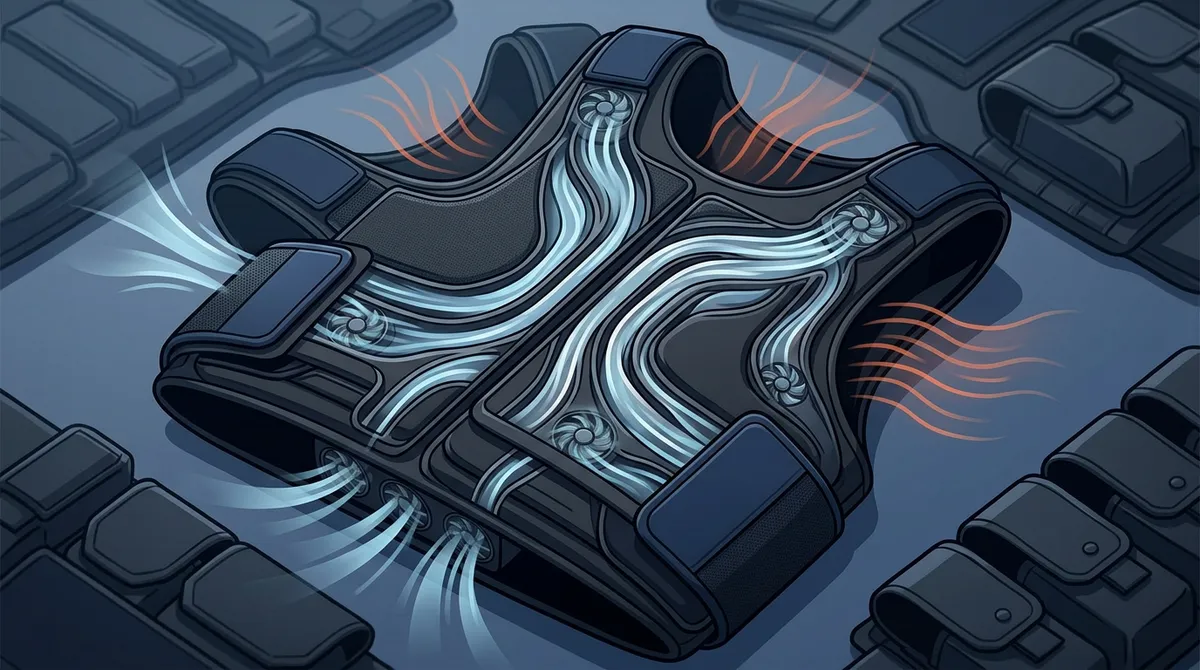
A quality body armor cooling fan system creates airflow between your body and the vest. This helps moisture escape, releases trapped heat, and keeps your core temperature down. It sounds simple, but there are plenty of ways to get it wrong. Let’s dive into the mistakes.

Mistake #1: Choosing the Wrong Type of Cooling System
Not all body armor cooling systems work the same way. Some use passive ventilation channels. Others use active fan systems. Some rely on evaporative cooling. Each has strengths depending on your environment and activity level.
Here’s a quick comparison to help you choose wisely:
| Cooling System Type | Best For | Key Benefit | Limitation |
|---|---|---|---|
| Passive Ventilation Vest | Light-duty, moderate heat | No power needed, lightweight | Less effective in extreme heat |
| Active Fan System | Extended shifts, high heat | Continuous airflow, adjustable | Requires battery power |
| Evaporative Cooling Panels | Dry, hot climates | Fast cooling effect | Less effective in humid areas |
| Inflatable Air Gap Vest | Patrol and patrol-heavy roles | Creates physical separation from armor | Needs manual inflation |
If you’re doing long patrols in hot weather, an active fan system like the Blufano is worth serious consideration. It delivers adjustable fan-driven airflow for 8 to 32 hours depending on your setting — that’s serious staying power for demanding shifts.
Mistake #2: Ignoring Compatibility With Your Body Armor
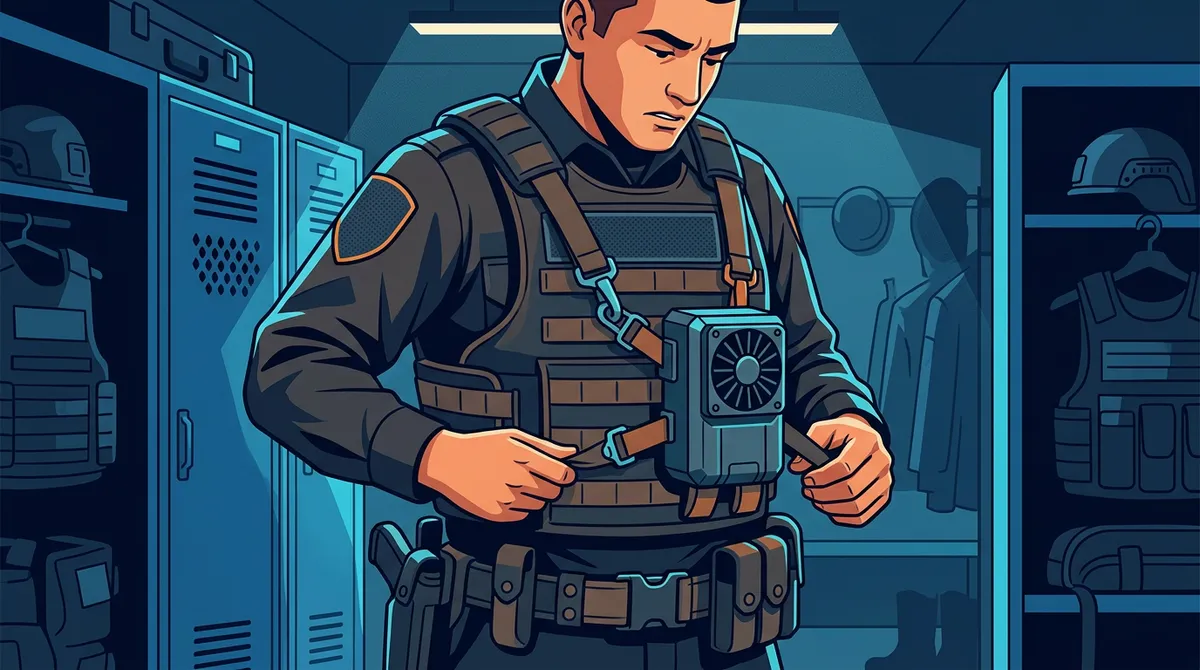
This one trips up a lot of people. Not every body armor cooling fan system works with every type of vest. Plate carriers, concealable vests, chest rigs — they all have different fits and attachment points. If your cooling system doesn’t match your armor style, you won’t get proper airflow, and the system may not stay in place.
Before you buy, check compatibility with your specific vest type. Look for systems designed to fit under most ballistic vest styles. The BluHalo ventilation vest, for example, is compatible with most bulletproof vests and attaches with Velcro for a secure, low-profile fit. Always read the product specs carefully or reach out to the manufacturer if you’re unsure. You can also contact the team at BluHalo for guidance on compatibility.

Mistake #3: Skipping the Break-In Period
Some officers try their new cooling vest once on a tough day and give up because it felt awkward. That’s a mistake. Like any new piece of gear, a body armor cooling system takes a little time to get used to. You need to find the right inflation level, the best fan setting, and the most comfortable positioning under your armor.
Here’s a simple break-in process to follow:
- Wear the cooling system for a short 2-3 hour test shift first.
- Adjust inflation or fan speed until it feels right under your armor.
- Check that the system stays in place during movement and physical activity.
- Gradually increase wear time over the next few shifts.
- Fine-tune based on temperature and activity level each day.
Taking this approach means you’ll be confident and comfortable with your gear before your next big deployment or patrol.
Mistake #4: Neglecting Maintenance and Cleaning
Your body armor cooling fan works hard. Sweat, dust, and daily wear take a toll on any cooling system. Neglecting basic maintenance leads to reduced airflow, odor buildup, and shorter product lifespan. This is one of the most overlooked mistakes out there.
Keep your ventilation system working at peak performance with these maintenance tips:
- Wipe down fan components after each shift to prevent moisture damage.
- Air out and hand wash moisture-wicking fabric panels regularly.
- Check ventilation channels for debris or blockage weekly.
- Inspect Velcro attachments for wear and replace as needed.
- Charge battery-powered components fully before each shift.
- Store the system flat and away from direct sunlight when not in use.
A little care goes a long way. Your cooling gear is an investment in your comfort and safety — treat it like one.
Mistake #5: Using the Wrong Fan Settings for Your Environment
Active fan systems often come with multiple speed settings. Many users just crank it to max and leave it there. That’s not always the smartest move. Running a fan on high in a mild climate drains your battery fast and may actually cause cooling that’s too aggressive during cooler parts of your shift.
Match your fan setting to your environment and activity level. Here’s a simple guide:
| Condition | Recommended Fan Setting | Expected Battery Life |
|---|---|---|
| Mild (under 75°F), low activity | Low | Up to 32 hours |
| Warm (75–90°F), moderate activity | Medium | Around 16 hours |
| Hot (90°F+), high activity | High | Around 8 hours |
| Extreme heat, tactical operations | High + supplemental cooling | Varies |
Being smart about your settings means your fan lasts through the entire shift — exactly when you need it most. Check out more tips on how to stay cool under body armor with smart ventilation for additional strategies.
Mistake #6: Overlooking Heat Stress as a Performance Issue
Some officers and soldiers push through heat discomfort without realizing how much it affects their performance. Heat stress doesn’t just feel bad — it slows reaction time, reduces focus, and impairs decision-making. The Body Armor Standards research highlights that comfort directly impacts how effectively protective gear is worn and maintained over time.
A body armor cooling fan isn’t a luxury — it’s a performance tool. Officers who stay cooler during patrols make better decisions and experience less fatigue by end of shift. For more on this topic, read about how to prevent heat stress while wearing body armor and why it matters so much for daily duty performance.
The key benefits of active cooling under body armor include:
- Reduced core body temperature during extended wear
- Lower sweat accumulation against the skin
- Improved focus and alertness throughout the shift
- Less physical fatigue from heat-related strain
- Better overall comfort leading to more consistent vest compliance
Mistake #7: Not Bundling for Maximum Cooling Performance
This is a mistake that leaves a lot of cooling potential on the table. Many users choose either a ventilation vest or an active fan system — but not both. The real magic happens when you combine them. Using a passive ventilation layer together with an active fan system dramatically increases airflow and comfort.
The BluHalo vest creates a physical air gap between your body and your armor — up to 1.5 inches when inflated. Add the Blufano fan system to that gap, and you’ve got a powerful combo. Blufano even includes a built-in 10,000mAh power bank that can charge USB devices while it cools you. That’s smart, practical design for professionals in the field.
Here’s a quick look at what each product brings to the table when bundled:
| Product | Key Feature | Benefit When Combined |
|---|---|---|
| BluHalo Ventilation Vest | Inflatable air gap (up to 1.5″) | Creates space for air to flow freely |
| Blufano Fan System | Adjustable fan, 8–32 hour battery | Actively pushes cool air into the gap |
| Bundle (Both Together) | Active + passive cooling combined | Maximum airflow, comfort, and performance |
You can explore both products and the bundle deal in the BluHalo shop. Bundling saves you money and seriously upgrades your cooling setup.
Choosing the Right System: A Quick Decision Guide
Still not sure which cooling solution fits your situation? Here’s a straightforward checklist to help you decide:
- Identify your climate — Are you working in extreme heat or moderate temperatures most of the time?
- Check your shift length — Longer shifts demand more battery life and more robust cooling systems.
- Assess your activity level — High-intensity tactical roles need active fan systems, not just passive ventilation.
- Confirm armor compatibility — Make sure your cooling system fits under your specific vest or plate carrier.
- Consider your budget — A bundled system often provides the best value and the best results.
For a deeper dive into selecting the right system, check out this helpful guide on how to choose the right body armor ventilation vest in 2026. You can also browse real customer reviews to hear from fellow officers and military personnel who’ve made the switch.
What Makes a Good Body Armor Cooling Fan System?
Before wrapping up, let’s quickly cover the features that separate a great cooling system from a mediocre one. Use this list as your shopping checklist:
- Lightweight construction — won’t add bulk or restrict movement
- Long battery life — ideally 8+ hours for full shift coverage
- Adjustable airflow settings — to match your environment and activity
- Universal compatibility — fits most body armor and vest styles
- Moisture-wicking materials — keeps sweat away from your skin
- Easy attachment — Velcro, straps, or secure sliding mechanisms
- Durable build — tough enough for daily duty use in demanding conditions
If you want to understand more about how ventilation technology works, this article on body armor ventilation as a game-changer for officers is a great read. You can also learn more about what vest ventilation is and why you need it if you’re just getting started with this technology.
Conclusion: Stay Cool, Stay Sharp
Avoiding these seven mistakes can completely transform how you feel in your body armor every single day. A well-chosen and properly used body armor cooling fan system keeps you cooler, drier, and more focused — which means you perform better when it matters most. Whether you’re a patrol officer grinding through a summer shift, a soldier on a long mission, or a security professional working in the heat, the right cooling solution makes a real difference.
Don’t let overheating slow you down or wear you out. You deserve to be comfortable in your gear. Explore your options, avoid these common pitfalls, and find the setup that works best for you. If you have questions about which cooling system fits your needs, feel free to get in touch with the BluHalo team — they’re ready to help you find the perfect fit and stay cool out there.
FAQs
Q: What is a body armor cooling fan and how does it work?
A: A body armor cooling fan is a system that circulates air between your body and your ballistic vest, reducing heat and moisture buildup during long shifts. It works by creating airflow through ventilation channels or active fan systems that push fresh air under the armor. This keeps your core temperature lower and helps you stay comfortable and focused throughout the day.
Q: How long does a body armor cooling fan battery last?
A: Battery life varies depending on your fan speed setting and the specific product you’re using. Systems like the Blufano can run anywhere from 8 to 32 hours on a single charge depending on the fan setting you choose. Running on a lower setting in milder conditions is a great way to extend battery life across an entire shift.
Q: Are body armor cooling fans compatible with all vest types?
A: Most quality cooling systems are designed to work with a wide range of vest types, including plate carriers, concealable vests, and chest rigs. That said, it’s always smart to check compatibility before purchasing your specific armor style. If you’re unsure, reaching out to the manufacturer directly is the easiest way to confirm a good fit.
Q: Can I use a ventilation vest together with an active fan system?
A: Absolutely — and it’s actually the best approach for maximum cooling! Combining an inflatable ventilation vest like BluHalo with an active fan system like Blufano creates both a physical air gap and continuous active airflow. This combo delivers noticeably better cooling than either product used alone, especially on long, hot shifts.
Q: Is wearing a body armor cooling fan comfortable during high-intensity activity?
A: Yes! Most modern cooling systems are designed to be lightweight and low-profile so they don’t restrict your movement. Systems like BluHalo weigh under 7 ounces and sit flat when deflated, so you barely notice them during high-activity situations. The comfort they provide by reducing heat and sweat far outweighs any minor adjustment period.