Key Takeaways
-
Ventilator vests create an air gap between body and armor, using fans or inflation to circulate air and prevent heat buildup during long shifts.
-
Law enforcement, military, and security professionals benefit most from these cooling systems, which help maintain focus and prevent heat exhaustion.
-
Fan-based ventilator vests typically offer 8-32 hours of cooling per charge, with adjustable speeds for customized comfort during different activity levels.
-
Active cooling systems not only regulate body temperature but can also provide additional features like USB charging ports for essential devices.
-
Compatibility with existing body armor and a low-profile design are crucial when selecting a ventilator vest for professional use.
-
Different types of ventilator vests include inflation-based, fan-based, and passive cooling systems, each with unique advantages for specific working conditions.
-
Proper fit, durability, and ease of maintenance are key considerations when choosing a ventilator vest for daily professional wear.
If you’ve ever worn body armor during a long shift in the summer heat, you know the struggle. Sweat pools against your skin, heat gets trapped under your vest, and by hour three, you’re wondering if there’s a better way. That’s where a ventilator vest comes in—a simple yet game-changing piece of gear designed to keep you cool and comfortable when you need it most.
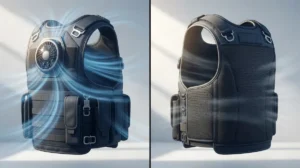
A ventilator vest is a lightweight cooling system worn under body armor or protective vests to boost airflow, reduce moisture buildup, and release trapped heat. Think of it as your personal air conditioning system for those brutal days when your protective gear feels more like a sauna than safety equipment. These vests use fan systems or air channels to circulate fresh air beneath your armor, keeping you focused on the job instead of the discomfort.
For law enforcement officers, military personnel, security professionals, and first responders who wear body armor daily, staying cool isn’t just about comfort—it’s about performance and safety. When heat exhaustion creeps in, reaction times slow down, decision-making suffers, and what should be a routine shift becomes an endurance test. A ventilator vest solves this problem by creating a cooling barrier between your body and your armor.
In this guide, we’ll break down everything you need to know about ventilator vests: how they work, who benefits most from using them, the different types available, and how to choose the right one for your specific needs. Whether you’re a patrol officer dealing with 12-hour shifts or a tactical team member preparing for high-intensity operations, understanding ventilator vests can make a real difference in your daily comfort and job performance.
How Ventilator Vests Work
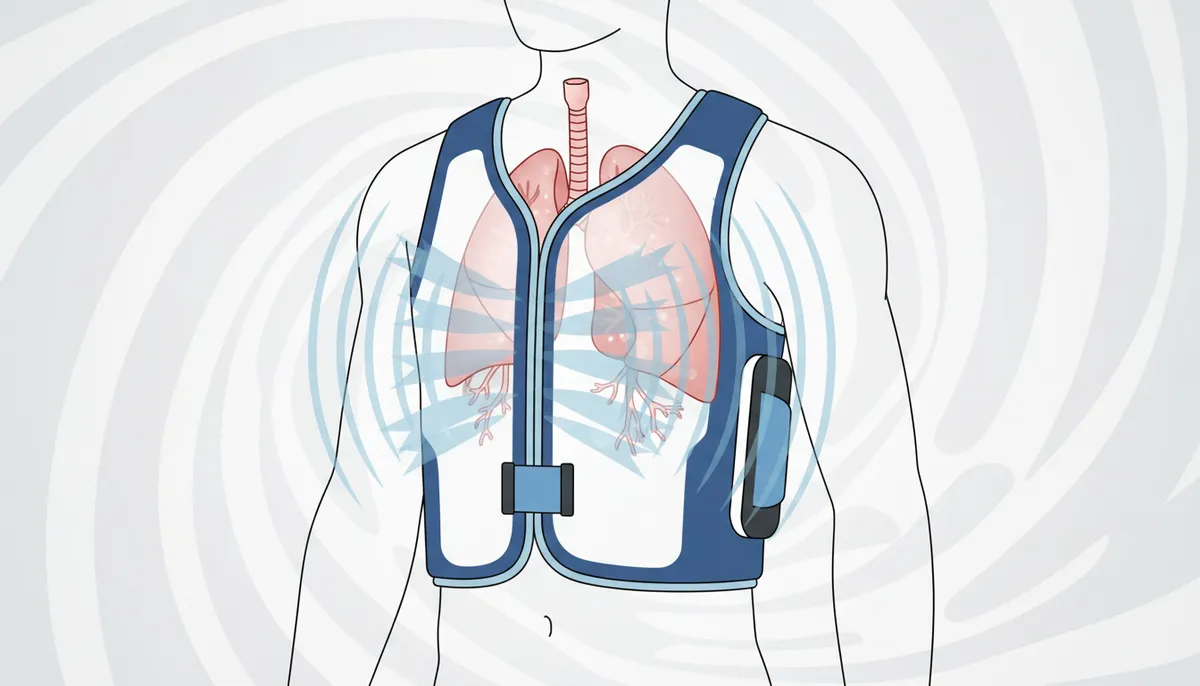
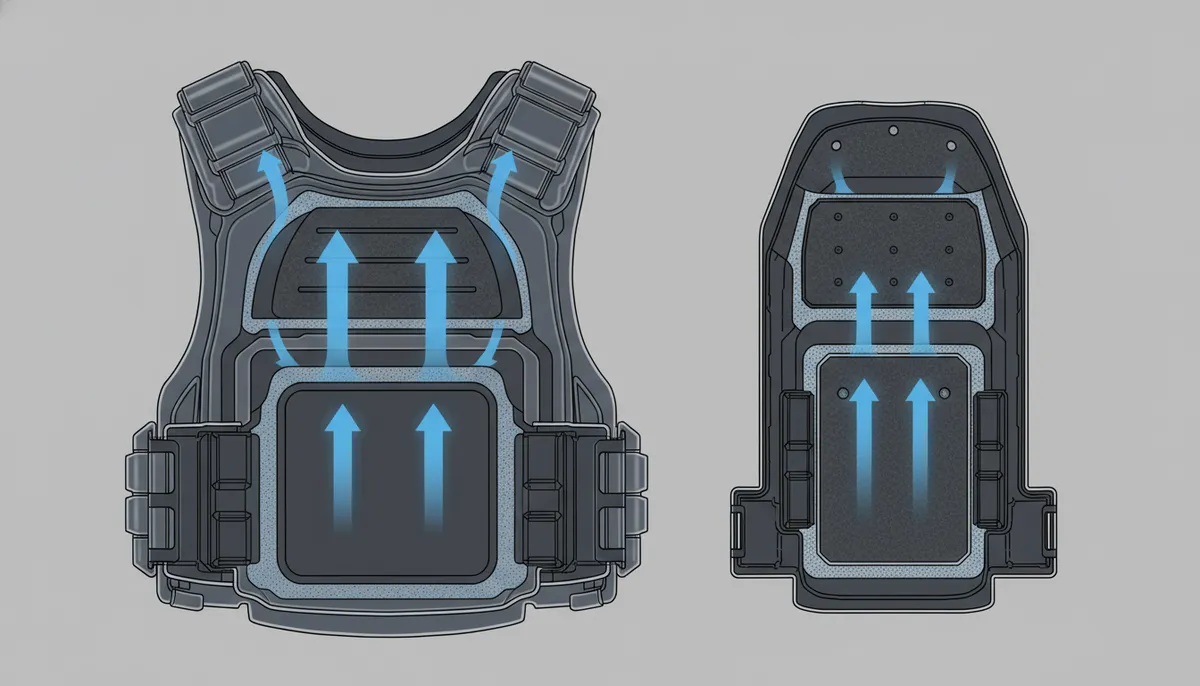
The science behind ventilator vests is surprisingly straightforward. These cooling systems create an air gap between your body and your armor, then actively circulate air through that space to prevent heat and moisture from building up. Most modern ventilator vests use small, quiet fan systems powered by rechargeable batteries to keep air moving throughout your shift.
When you wear body armor without ventilation, your body heat has nowhere to go. It gets trapped against your skin, causing sweat that can’t evaporate. This creates a hot, wet environment that’s not only uncomfortable but can lead to heat-related issues during extended wear. A ventilator vest interrupts this cycle by introducing constant airflow.
The BluHalo ventilation vest takes a slightly different approach. Instead of using fans, it inflates to lift your armor away from your body, creating space for air to circulate naturally. When you need cooling, you inflate the vest with a small pump to create about 1.5 inches of separation. When you don’t need it, you deflate it with the push of a button, and it lies completely flat and undetectable under your vest.
Fan-based systems like Blufano work continuously to move air beneath your armor. These units typically feature adjustable speed settings, allowing you to increase airflow during high-activity periods or dial it back during quieter moments. The fans pull in fresh air and push out hot, moist air, creating a constant exchange that keeps your core temperature regulated.
The Cooling Process Step by Step
Understanding how ventilator vests cool your body helps you appreciate why they’re so effective. Here’s what happens when you wear one:
-
The vest creates physical space between your skin and your body armor
-
Air circulates through this gap, either through fan power or natural convection
-
Your body’s natural sweat evaporates more easily in the moving air
-
Heat radiates away from your core instead of being trapped
-
Fresh, cooler air continuously replaces warm, humid air
This process mimics what happens when you stand in front of a fan on a hot day. The moving air helps your body’s natural cooling system work more efficiently. Some officers report feeling noticeably cooler within minutes of activating their ventilator vest, especially when combined with vehicle air conditioning or shade breaks.
Battery Life and Power Considerations
One common question about fan-based ventilator vests involves battery life. How long will the cooling last during a full shift? Most quality systems offer 8-32 hours of operation depending on the fan speed setting you choose. Lower speeds conserve battery while still providing airflow, while higher speeds deliver maximum cooling during intense situations.
The Blufano body armor ventilation system includes a built-in 10,000mAh power bank that not only runs the fan but can also charge your phone or other USB devices. This dual-purpose design means you’re not just investing in cooling—you’re adding backup power for essential equipment during long shifts.
|
Ventilator Vest Type |
Power Source |
Typical Runtime |
Weight |
|---|---|---|---|
|
Inflation-based (like BluHalo) |
Manual pump (no battery needed for airflow) |
Unlimited (on-demand use) |
Under 7 ounces |
|
Fan-based (like Blufano) |
Rechargeable battery pack |
8-32 hours per charge |
Varies by model |
|
Hybrid systems |
Battery with backup options |
10-24 hours typical |
8-16 ounces |
|
Passive cooling vests |
No power required |
N/A (relies on materials) |
6-12 ounces |

Who Benefits Most from Ventilator Vests
While anyone wearing body armor in warm conditions can benefit from a ventilator vest, certain professionals face daily situations where these cooling systems become essential rather than optional. Let’s look at who gets the most value from this technology.
Law Enforcement Officers
Police officers and patrol deputies wear body armor for entire shifts, often 10-12 hours at a stretch. You’re in and out of vehicles, dealing with calls that range from sitting in traffic to foot pursuits. The temperature swings are constant, and your vest doesn’t care whether you’re writing a report or running after a suspect—it keeps trapping heat either way.
Officers consistently report that ventilator vests make the biggest difference during summer months when patrol cars sit in the sun and outdoor calls feel like working in an oven. The ability to cool down quickly between calls helps maintain focus and energy throughout the shift. Several Chicago police officers who tested BluHalo noted they could work full 12-hour days in 95-degree weather without the usual heat fatigue that would typically hit around hour six or seven.
Military Personnel and Deployed Soldiers
Military operations often take place in extreme heat environments where body armor is mandatory and air conditioning is a luxury. Soldiers deployed to desert regions or tropical climates face brutal combinations of high temperatures, intense sun, and physically demanding work—all while wearing tactical vests and gear.
For military users, a ventilator vest needs to be durable enough for field conditions, lightweight enough not to add significant burden, and reliable enough to function in dusty, harsh environments. The continuous airflow helps prevent heat exhaustion during extended missions where removing armor isn’t an option for hours at a time.
Security Professionals and Protective Details
Armed security guards, executive protection specialists, and courthouse security officers often work in environments where they need to maintain a professional appearance while wearing concealed or visible body armor. Standing post for long periods in warm buildings or outdoor venues creates a slow-burn heat buildup that’s exhausting over time.
Ventilator vests help security professionals stay alert and comfortable during events, shifts, or protective details that require constant vigilance. The low-profile design of systems like BluHalo means the vest remains undetectable under uniform shirts, maintaining a professional appearance while delivering cooling relief.
Tactical and SWAT Teams
Specialized units face unique challenges. Tactical operations involve short bursts of intense physical activity while wearing heavy armor, helmets, and additional gear. The heat generated during a building entry or high-risk warrant service is immediate and intense.
For tactical teams, a ventilator vest needs to work quickly and not interfere with movement or equipment placement. Many tactical officers use on-demand cooling systems that they can activate right before an operation and deactivate immediately after to reduce bulk during vehicle transport or staging.
Emergency Response Personnel
Firefighters, hazmat teams, and first responders who wear protective gear in addition to or instead of traditional body armor face similar heat management challenges. While their protective equipment differs from ballistic vests, the principle remains the same: trapped heat reduces performance and increases risk.
Some emergency responders use ventilator vests under turnout gear during extended operations or during rehab periods between entries. The rapid cooling helps bring core temperature down faster, allowing personnel to return to active duty sooner and more safely.
Types of Ventilator Vests Available
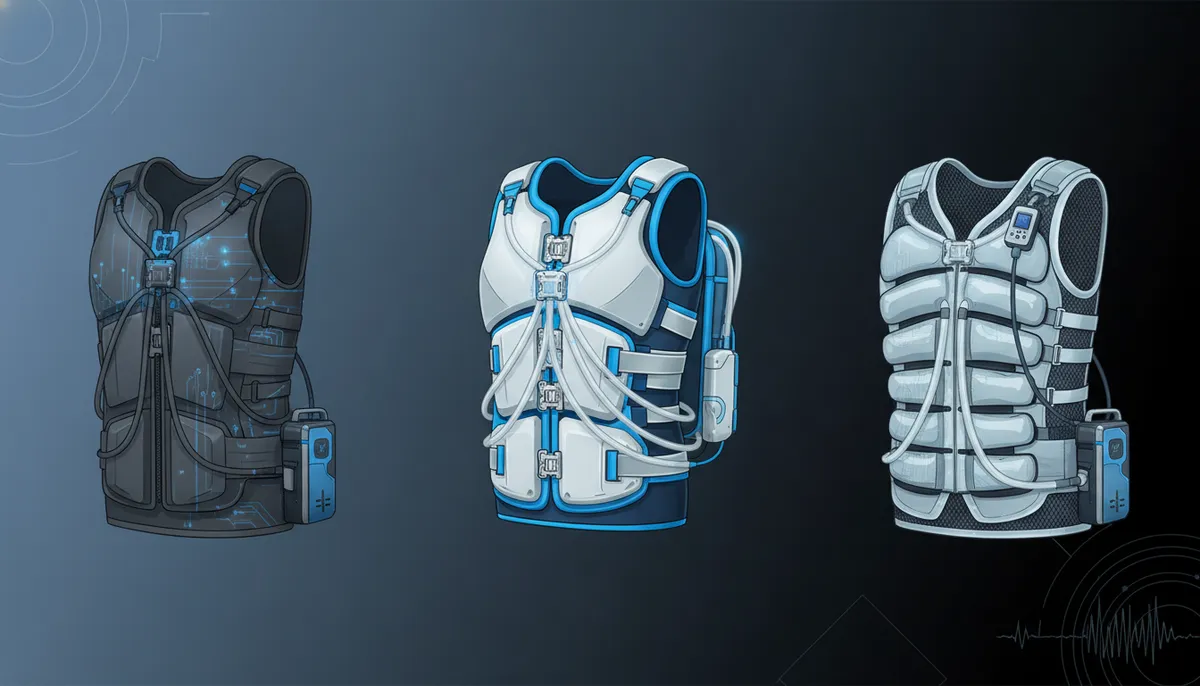
Not all ventilator vests work the same way. Understanding the different types helps you choose the system that best fits your specific needs, work environment, and personal preferences. Here’s a breakdown of the main categories.
Inflation-Based Ventilator Vests
These vests create cooling space by inflating to lift your body armor away from your skin. The BluHalo vest is a prime example of this design. You manually inflate it using a small pump when you need cooling, and deflate it with a button when you don’t. When deflated, the vest lies completely flat and weighs less than 7 ounces, making it virtually unnoticeable.
The advantage of inflation-based systems is their simplicity and reliability. There are no batteries to charge, no fans to maintain, and no mechanical parts to break. The double-layer high-strength polyethylene construction is durable and requires minimal maintenance. You control exactly when and how much cooling you get, making it ideal for officers who want on-demand relief rather than constant airflow.
Active Fan-Based Systems
Fan-based ventilator vests use battery-powered fans to actively circulate air beneath your armor. The Blufano system represents this category, featuring a self-contained unit with adjustable fan speeds, a patented air-redirect spout, and integrated power bank. These systems provide continuous cooling throughout your shift without requiring manual activation.
The benefit of active fan systems is consistent, reliable airflow regardless of your activity level or environmental conditions. Whether you’re sitting in a vehicle or responding to a call, the fans keep working. Most systems allow you to adjust the fan speed, so you can increase cooling during high-activity periods and reduce it during quieter times to conserve battery.
-
Adjustable fan speeds for customized cooling
-
Built-in rechargeable batteries (typically 8-32 hour runtime)
-
Quiet operation that won’t interfere with communication
-
Hands-free cooling that works automatically
-
Optional features like USB charging ports and LED lights
Passive Cooling Vests
Some vests use special materials or designs to enhance cooling without electronics. These might include moisture-wicking fabrics, mesh panels for improved air circulation, or materials that reflect heat away from the body. While not as effective as active systems, passive vests offer lightweight, no-maintenance cooling for less extreme conditions.
Passive systems work best in environments with some natural airflow or when combined with periodic breaks in air-conditioned spaces. They’re popular with security professionals working indoors where intense heat isn’t constant but improved comfort is still valuable.
Hybrid and Combination Systems
Some manufacturers offer systems that combine multiple cooling approaches. For example, a vest might use both inflation to create space and fans to circulate air through that space. These systems aim to provide maximum cooling effectiveness but typically come with increased weight, complexity, and cost.
|
Feature |
Inflation-Based |
Fan-Based |
Passive |
|---|---|---|---|
|
Power Required |
No |
Yes (rechargeable battery) |
No |
|
Weight |
Under 7 oz |
8-16 oz typical |
6-12 oz |
|
Cooling Method |
Air gap creation |
Active air circulation |
Material properties |
|
Maintenance |
Minimal |
Battery charging, occasional cleaning |
Minimal |
|
Noise Level |
Silent |
Low hum (modern models) |
Silent |
|
Best For |
On-demand cooling |
Continuous all-day cooling |
Mild conditions |
Key Features to Look for When Choosing a Ventilator Vest
Selecting the right ventilator vest involves more than just picking the coolest-looking option. You need to consider how the vest will perform during actual work conditions, how it fits with your existing gear, and whether it will hold up to daily use. Here are the critical features to evaluate.
Compatibility with Your Body Armor
Not all ventilator vests work with all types of body armor. Before purchasing, verify that the vest you’re considering is compatible with your specific armor style. Some vests work better with external carriers, while others are designed specifically for concealable armor worn under clothing.
The BluHalo vest attaches to the inside of your body armor using Velcro, making it compatible with most vest styles. The Blufano system slides under any style of body armor and can be secured with an optional strap, offering similar versatility. Check the manufacturer’s specifications to ensure the ventilator vest will work with your particular armor setup.
Size and Fit Considerations
A ventilator vest that doesn’t fit properly won’t cool effectively and might interfere with your movement or equipment. Look for vests that come in multiple sizes or offer adjustable features to accommodate different body types. The vest should sit flat against your body (or armor) without bunching, riding up, or creating pressure points.
Low-profile design matters especially if you wear your armor concealed under uniform shirts. You don’t want visible bulges or lines that broadcast you’re wearing something under your vest. The deflated BluHalo vest measures under 7 ounces and lies completely flat, making it undetectable under clothing even when not inflated.
Durability for Daily Use
Your ventilator vest needs to withstand the same rough conditions as your body armor. Look for construction materials that resist tears, moisture, and repeated stress. Double-layer fabrics, reinforced stitching, and quality components indicate a vest built for professional use rather than occasional wear.
Ask about warranty coverage and replacement policies. A vest that fails after three months isn’t a good investment regardless of the initial price. Quality manufacturers stand behind their products with solid warranties and responsive customer support.
Ease of Use and Maintenance
You’ll use your ventilator vest daily, so it needs to be simple to operate and maintain. Complicated systems with multiple steps or confusing controls get ignored when you’re busy. The best vests feature intuitive operation that becomes second nature after a few uses.
Consider cleaning requirements as well. Vests that can’t be easily cleaned will accumulate sweat, bacteria, and odors over time. Look for washable components or materials that can be wiped down with antibacterial wipes between deeper cleanings.
Battery Life and Charging (For Powered Systems)
If you’re considering a fan-based system, battery life becomes crucial. Calculate your typical shift length and choose a vest that can run continuously for that duration plus some buffer time. An 8-hour battery that dies during hour seven of your 10-hour shift isn’t helpful.
The Blufano system offers 8-32 hours of operation depending on fan speed settings, easily covering most shift lengths. Its built-in 10,000mAh power bank also functions as backup power for phones and other devices, adding practical value beyond cooling.
Noise Level
Fan-based systems produce some sound, and in quiet environments or during tactical situations, even a low hum can be problematic. Modern ventilator vests use quiet, efficient fans, with the latest models being up to 30% quieter than earlier versions. However, if you work in situations requiring absolute silence, an inflation-based system might be a better choice.
Additional Features Worth Considering
Some ventilator vests include bonus features that add value:
-
Built-in LED lights for hands-free illumination during low-light operations
-
USB charging ports to power phones, radios, or other devices
-
Multiple fan speed settings for customized cooling
-
Quick-release mechanisms for rapid removal if needed
-
Moisture-wicking materials that work alongside the cooling system
-
Reflective elements for visibility during nighttime operations
Real-World Benefits: What Users Report
The true test of any gear is how it performs during actual work shifts. Ventilator vests have been field-tested by thousands of officers, soldiers, and security professionals in diverse environments and conditions. Here’s what users consistently report about their experiences.
Immediate Comfort Improvements
The most common feedback involves rapid comfort increases. Officers describe feeling noticeably cooler within minutes of activating their ventilator vest, particularly during hot summer shifts. One Chicago police officer noted that using the BluHalo vest during 95-degree days made 12-hour shifts manageable when they would normally be miserable by mid-afternoon.
The cooling effect is most pronounced during high-activity periods. Foot pursuits, building searches, or other physically demanding tasks generate significant body heat. Having immediate cooling available helps recovery time between intense moments, keeping you sharper throughout your shift.
Reduced Sweat and Moisture Issues
Excessive sweating under body armor isn’t just uncomfortable—it can lead to skin irritation, rashes, and bacterial growth. Ventilator vests reduce moisture buildup by improving evaporation and air circulation. Users report less dampness against their skin, fewer issues with sweat-soaked uniforms, and reduced skin problems associated with trapped moisture.
For officers who work in humid climates where sweat evaporates slowly, the active airflow from ventilator vests makes a dramatic difference. The constant air exchange prevents the clammy, wet feeling that typically develops during extended wear in high-humidity conditions.
Better Focus and Performance
Heat exhaustion affects mental performance before physical capability. As your core temperature rises, concentration suffers, reaction times slow, and decision-making becomes clouded. Ventilator vests help maintain optimal core temperature, keeping you mentally sharp when it matters most.
Several tactical team members report that cooling systems help them maintain peak performance during operations. The ability to stay focused during critical moments provides a real tactical advantage beyond simple comfort.
Extended Career Longevity
Long-term exposure to heat stress takes a toll on your body over the course of a career. Officers who spent 20-30 years dealing with daily heat buildup under their vests often face chronic issues. By reducing heat stress from day one, ventilator vests may contribute to better long-term health outcomes for professionals who wear armor daily.
While this benefit is harder to measure than immediate comfort, it represents significant value for anyone planning a full career in law enforcement, military service, or security work.
Comparing BluHalo and Blufano: Top Ventilation Solutions
When it comes to proven ventilation systems designed specifically for body armor, BluHalo and Blufano stand out as industry leaders. Both systems were developed by professionals who understand the real challenges of wearing armor daily, and both deliver reliable cooling performance. However, they work differently and excel in different situations.
BluHalo: On-Demand Inflation Cooling
BluHalo uses an inflation-based approach to create cooling space between your body and your armor. The ultra-lightweight vest (under 7 ounces) attaches to your armor with Velcro and stays completely flat when not in use. When you need cooling, you inflate it with a small pump to lift your vest about 1.5 inches off your body, creating an air gap that releases trapped heat and moisture.
The key advantage of BluHalo is its simplicity and zero maintenance. There are no batteries to charge, no fans to break, and no complicated controls. You inflate it when you’re hot, deflate it when you don’t need it. The system is silent, making it ideal for tactical situations or any work requiring stealth. The double-layer high-strength polyethylene construction is durable and long-lasting.
BluHalo works best for officers who want cooling relief during specific times—like after physical activity or during hot outdoor calls—but don’t need or want continuous airflow throughout their entire shift. At $60, it’s also one of the most affordable professional cooling solutions available.
Blufano: Active Continuous Airflow
Blufano takes a different approach with active fan-driven air circulation. The self-contained unit slides under your body armor and uses a patented air-redirect spout to continuously move fresh air across your torso. The adjustable fan speeds let you customize cooling intensity, and the built-in 10,000mAh power bank runs for 8-32 hours per charge while also serving as backup power for USB devices.
The Blufano system includes a forward-facing LED light for hands-free illumination during low-light operations, adding practical value beyond cooling. The continuous airflow works automatically without requiring any action on your part once you set your preferred speed.
Blufano excels for users who want consistent cooling throughout their entire shift, especially in environments with sustained high heat. The active air circulation works regardless of your activity level or environmental conditions, making it ideal for all-day wear in hot climates or during long operations where heat management is critical.
Choosing Between Them
Your choice depends on your specific needs and preferences:
|
Consider BluHalo If You: |
Consider Blufano If You: |
|---|---|
|
Want the lightest possible system (under 7 oz) |
Prefer continuous all-day cooling |
|
Prefer on-demand cooling you control |
Work in sustained high-heat environments |
|
Need absolutely silent operation |
Want built-in USB charging capability |
|
Want minimal maintenance (no batteries) |
Appreciate set-it-and-forget-it operation |
|
Work in varied temperature conditions |
Need hands-free illumination features |
|
Want the most affordable option |
Prefer active airflow technology |
Many professionals find that the ideal solution is using both systems together. The bundle option offers both BluHalo and Blufano at a discounted price, letting you combine on-demand inflation cooling with continuous fan-based airflow for maximum heat management in any situation.
Installation and Daily Use Tips
Getting the most from your ventilator vest requires proper installation and smart daily use practices. Here’s how to set up and use your system for optimal cooling performance.
Initial Setup and Attachment
For BluHalo, start by thoroughly cleaning the inside of your body armor where the vest will attach. The Velcro needs a clean, dry surface for maximum grip. Position the deflated vest on your armor’s inside surface, centering it where it will sit against your torso. Press firmly to secure the Velcro attachment, ensuring no edges are loose or lifting.
For Blufano, slide the unit under your body armor so the air-redirect spout sits comfortably against your body. If needed, use the optional strap to secure it in place, preventing any shifting during movement. Position the control knob where you can easily reach it to adjust fan speeds without removing your armor.
Daily Use Best Practices
Start your shift with a fully charged battery if you’re using Blufano. Check that your BluHalo pump is accessible if you’re using an inflation system. Many officers keep their pump in a pocket or patrol bag where it’s always available when needed.
For BluHalo users, the best practice is to inflate the vest when you start feeling warm rather than waiting until you’re already overheated. Proactive cooling prevents heat buildup more effectively than reactive cooling. Deflate during cooler periods or when maximum mobility is needed.
For Blufano users, experiment with fan speeds to find what works for different situations. Lower speeds work well during routine patrol, while higher speeds provide rapid cooling after physical activity. The adjustable settings let you balance cooling power with battery conservation.
Combining with Other Cooling Strategies
Ventilator vests work even better when combined with other heat management approaches. Use vehicle air conditioning strategically—turn it up while wearing your vest to maximize cooling. The improved air circulation helps your body absorb the cool air more effectively.
Stay hydrated throughout your shift. Proper hydration supports your body’s natural cooling mechanisms, which work in conjunction with your ventilator vest. Take shade breaks when possible, allowing your vest’s cooling effect to work without competing against direct sun exposure.
Maintenance and Cleaning
Regular cleaning keeps your ventilator vest working effectively and prevents odor buildup. For BluHalo, wipe down the surface with antibacterial wipes after each shift. The polyethylene material resists moisture and bacteria but benefits from routine cleaning.
For Blufano, follow the manufacturer’s cleaning instructions for the fabric components. Most systems allow you to remove and wash the garment portions while protecting the electronic components. Clean the air intake areas regularly to prevent dust buildup that could reduce airflow efficiency.
Storage Between Shifts
Store your ventilator vest in a cool, dry location between uses. Avoid leaving it in hot vehicles where extreme temperatures could damage materials or batteries. If you’re using Blufano, store it with a partial charge rather than completely drained, which helps maintain battery health over time.
Common Questions and Concerns
Before investing in a ventilator vest, many professionals have similar questions and concerns. Let’s address the most common ones based on real user feedback and experiences.
Will It Work Under My Specific Armor?
Most ventilator vests are designed to work with standard body armor configurations, both concealable and external carriers. BluHalo attaches directly to the inside of your vest using Velcro, making it compatible with virtually any vest style. Blufano slides underneath armor and works with any configuration. However, if you have highly specialized or custom armor, contact the manufacturer to verify compatibility before purchasing.
Can Other People Tell I’m Wearing It?
Low-profile systems like BluHalo are virtually undetectable when deflated under normal uniform shirts. When inflated, there may be slight additional bulk, but most officers report that it’s not noticeable to others, especially under loose-fitting uniform shirts. Fan-based systems like Blufano are also designed to remain concealed under armor and uniforms.
If you work in plain clothes or need absolute concealment, choose the lowest-profile system available and test it with your specific uniform setup before field use.
What About Durability Over Time?
Quality ventilator vests are built for professional daily use. BluHalo’s double-layer construction resists punctures and wear from regular inflation cycles. Fan-based systems use industrial-grade motors designed for thousands of hours of operation. That said, any equipment subjected to daily professional use will eventually show wear.
Most manufacturers offer warranties covering defects and normal wear. Keep your receipt and warranty information, and don’t hesitate to contact customer support if you experience issues. Quality companies stand behind their products and will address problems promptly.
Does It Really Make a Difference?
The short answer: yes, according to widespread user feedback. Officers consistently report significant comfort improvements, especially during summer months or in hot climates. The difference is most noticeable during extended shifts or after physical activity when heat buildup would normally be most severe.
However, individual experiences vary based on climate, activity level, and personal heat tolerance. What feels like dramatic relief to one officer might feel like moderate improvement to another. Most manufacturers offer return policies allowing you to test the system during actual work shifts to verify it meets your needs.
Can I Use It with Additional Gear?
Ventilator vests are designed to work alongside your standard body armor without interfering with other equipment. Most officers successfully use them while wearing duty belts, radio harnesses, and other standard gear. However, extremely bulky additional equipment might compress the vest and reduce airflow effectiveness.
If you wear specialized tactical gear, consider how it layers with your armor and ventilator vest. In most cases, adjusting your gear placement slightly accommodates the vest without issues.
Making the Investment: Cost vs. Value
Ventilator vests represent a real investment in your comfort and performance. Understanding the cost-benefit equation helps you make an informed decision about whether this technology is right for you.
Upfront Costs
Entry-level ventilator vests start around $60 for basic inflation systems like BluHalo. More advanced fan-based systems with features like USB charging and LED lights range higher depending on specifications and capabilities. The Blufano system offers premium features including the patented air-redirect system, long battery life, and multi-function power bank.
While the initial investment might seem significant, consider it against the cost of other gear you use daily. Quality boots, a reliable duty belt, or a comfortable holster all represent investments in your daily comfort and effectiveness. A ventilator vest falls into the same category of professional equipment that pays dividends through daily use.
Long-Term Value
Calculate value over time rather than just upfront cost. A $60 vest used daily over three years costs about 5 cents per shift. Even premium systems costing several hundred dollars break down to minimal per-use costs when used throughout a full career.
The real value extends beyond dollars to include improved comfort, better focus, reduced heat stress, and potentially enhanced long-term health. Officers report that the relief from daily heat buildup alone justifies the investment, with additional benefits like improved job performance and reduced fatigue representing bonus value.
Bundle Options and Savings
Many manufacturers offer bundle pricing when you purchase multiple products together. For example, combining BluHalo’s on-demand inflation cooling with Blufano’s continuous airflow provides comprehensive heat management at a discounted total price compared to buying each system separately. These bundles maximize cooling effectiveness while offering cost savings.
Department or Agency Purchase Programs
Some departments recognize the value of heat management equipment and provide allowances or reimbursement for approved gear. Check with your agency about equipment allowances that might cover ventilator vests. Even if not currently approved, presenting information about the performance and safety benefits might encourage policy changes to include cooling systems in approved equipment lists.
The Future of Body Armor Cooling Technology
Ventilator vest technology continues to evolve as manufacturers develop new materials, more efficient power systems, and smarter designs. Understanding where this technology is headed helps you make forward-looking decisions about your investment.
Emerging Innovations
Recent patents describe conformal vest ventilators that use vacuum or pressure mechanisms to create precise airflow patterns customized to individual body shapes. These advanced systems might offer even more effective cooling with less bulk than current designs.
Battery technology improvements are making fan-based systems lighter and longer-lasting. The latest power banks can run for days on a single charge while weighing less than earlier generations. As this technology improves, expect ventilator vests to become even more practical for extended operations or multi-day deployments.
Smart features are beginning to appear in premium systems, including temperature sensors that automatically adjust fan speeds based on your body heat, smartphone apps that track usage and battery life, and integration with other smart gear for comprehensive monitoring.
Industry Adoption Trends
More law enforcement agencies and military units are recognizing heat management as a safety and performance issue rather than merely a comfort preference. As adoption increases, expect to see more standardization, better pricing through volume production, and increased research into optimal cooling approaches for different professional applications.
Material Science Advances
New fabric technologies promise better moisture wicking, improved durability, and enhanced cooling properties in passive materials. Future ventilator vests might combine active cooling systems with advanced materials that work together for superior heat management with less power consumption and lighter weight.
Taking the Next Step
Understanding what a ventilator vest is and how it works is the first step. Now comes the practical part: choosing the right system for your needs and putting it to work improving your daily comfort and performance.
Start by honestly assessing your current heat management challenges. When during your shift do you experience the most discomfort? Are there specific activities or conditions that create the biggest problems? Understanding your specific pain points helps you choose between on-demand systems like BluHalo and continuous cooling systems like Blufano.
Consider your work environment and typical shift conditions. Officers in consistently hot climates might benefit most from continuous cooling, while those in variable conditions might prefer the flexibility of on-demand activation. Tactical operators might prioritize silent operation and low profile, while security professionals might value all-day comfort above all else.
Don’t forget to factor in your existing gear and how a ventilator vest will integrate with your current setup. Compatibility with your specific armor, uniforms, and additional equipment ensures you get maximum benefit without operational compromises.
Many professionals find that combining systems provides the most comprehensive solution. Using both BluHalo for on-demand relief and Blufano for continuous baseline cooling covers all situations and conditions you might encounter during your career.
The investment you make in heat management technology today pays dividends through every shift for years to come. Improved comfort leads to better focus, which enhances performance and safety. Reduced heat stress supports long-term health. The cumulative benefits of staying cooler throughout your career extend far beyond the initial cost.
If you’re ready to experience the difference that proper ventilation makes under body armor, explore the proven systems designed specifically for professionals like you. Contact the BluHalo team to discuss which ventilation solution best fits your specific needs and start your journey toward cooler, more comfortable shifts. Your future self will thank you for making heat management a priority today.
FAQs
Q: How does a ventilator vest actually cool you down under body armor?
A: A ventilator vest creates space between your body and your armor, then circulates air through that gap. This allows your sweat to evaporate more easily and helps heat escape instead of getting trapped against your skin. Some vests use fans to actively move air, while others inflate to create the cooling space naturally.
Q: Can I wear a ventilator vest under concealed body armor without it showing?
A: Yes! Modern ventilator vests like BluHalo are designed to be low-profile and lie completely flat when not in use, weighing under 7 ounces. They remain undetectable under normal uniform shirts, making them perfect for officers who need concealed armor. Even when activated, quality systems don’t create noticeable bulk under loose-fitting uniforms.
Q: How long does the battery last on fan-based ventilator vests?
A: Most fan-based systems like Blufano offer 8-32 hours of operation per charge, depending on which fan speed setting you choose. Lower speeds conserve battery while still providing airflow, while higher speeds deliver maximum cooling during intense situations. This runtime easily covers full shifts with battery to spare.
Q: What’s the difference between BluHalo and Blufano ventilator vests?
A: BluHalo uses inflation to create an air gap under your armor, giving you on-demand cooling you control with a pump (no batteries needed). Blufano uses active fans for continuous airflow throughout your shift, powered by a rechargeable battery that also charges USB devices. Many professionals use both together for comprehensive cooling in all situations.
Q: Are ventilator vests worth the investment for law enforcement officers?
A: Absolutely! Officers consistently report significant comfort improvements during hot shifts, better focus throughout the day, and reduced heat-related fatigue. When you calculate the cost over years of daily use, even premium systems break down to just pennies per shift. The improved comfort, performance, and reduced heat stress make ventilator vests a valuable investment in your daily well-being and long-term career health.