Key Takeaways
-
Always check whether a listed weight includes the battery, fans, pump, straps, and mounting hardware, since a fan unit's battery can weigh more than the garment itself.
-
Passive spacers like IceVents Classic weigh under 1 oz but move no air, while powered fan systems like Blufano are reported at 11.5 oz including a built-in 10,000 mAh power bank.
-
The BluHalo inflatable ventilation vest is reported under 7 oz with no battery, creating an on-demand air gap that lies flat when deflated.
-
Weight alone does not show cooling power; compare cooling method, runtime, noise, bulk, and fit with your specific armor carrier before deciding.
-
Manufacturer weight figures are claims rather than standardized lab results, so verify current specs directly with the maker before buying.
-
Match the device to your job: low-profile, lightweight gear suits patrol and security, while tactical work may call for longer-running fan systems.
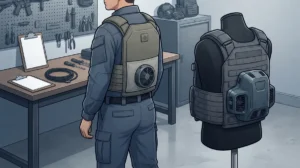
Let’s be honest: when you wear body armor for a full shift, every ounce counts. You already carry a duty belt, radio, and plates. Adding a cooling device should help, not weigh you down. That is why a body armor cooling device weight comparison matters so much.
But here is the catch. Not all weights are the same. A tiny spacer that weighs under an ounce is a very different tool from a fan unit with a battery inside. Comparing them side by side without context can mislead you.
In this guide, we will walk through how to compare cooling device weights the right way. We will look at real listed numbers, explain what each one includes, and show you what to check before you buy. Think of it as a friendly chat with a buddy who has done the homework. Whether you work patrol, security, tactical operations, EMS, or a deployment, you will leave with a clear plan.
Why Weight Matters Under Body Armor
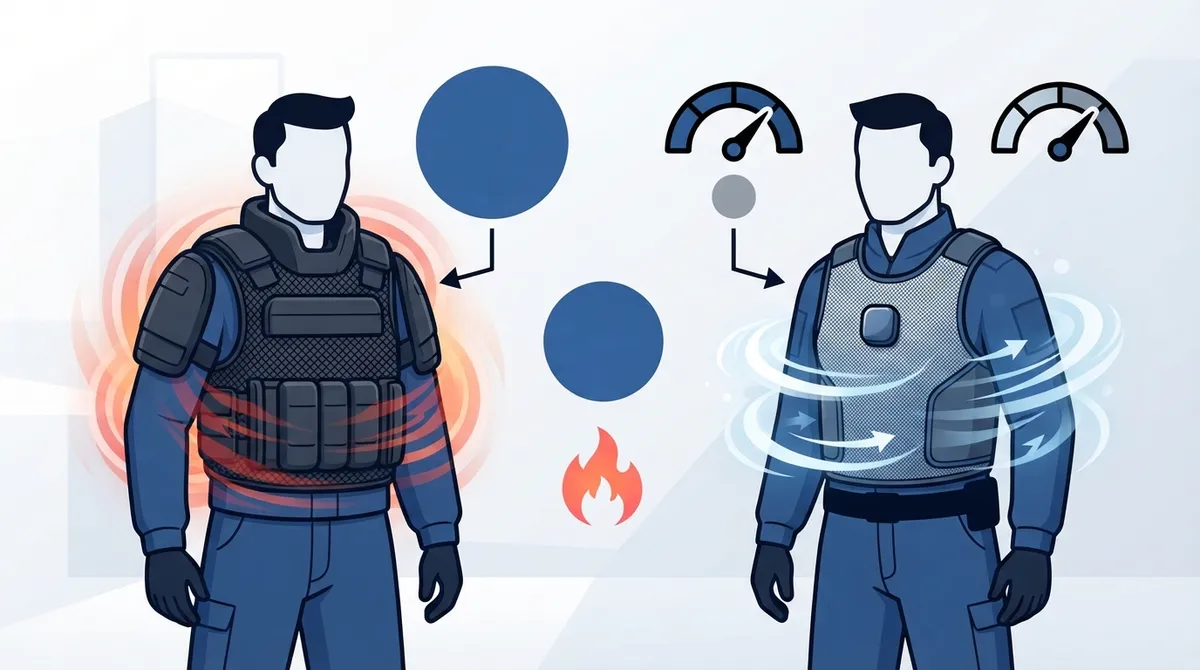
Body armor already adds load to your torso. Heat and sweat make that load feel even heavier by hour six. A cooling device that adds too much bulk can shift, dig in, or tire you out.
Weight also affects how a device sits. A light unit tends to stay flat and unnoticed. A heavy one may pull on straps or press on your ribs. Comfort is the whole point, so the weight needs to match your shift length and duties.
If you want a deeper look at how added gear feels over time, see how much weight vest cooling gear adds. It pairs well with this guide.
Step 1: Know the Four Types of Cooling Devices
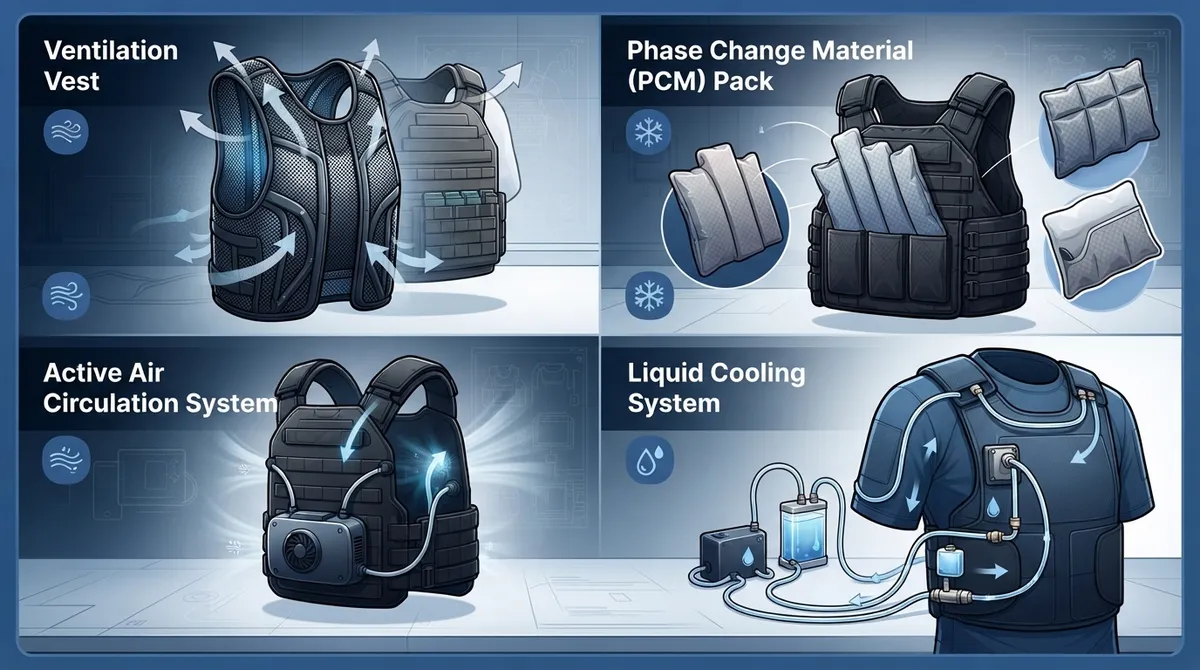
The first step is sorting devices into the right group. Comparing a spacer to a fan unit is like comparing a hat to a jacket. They both help, but they work in different ways.
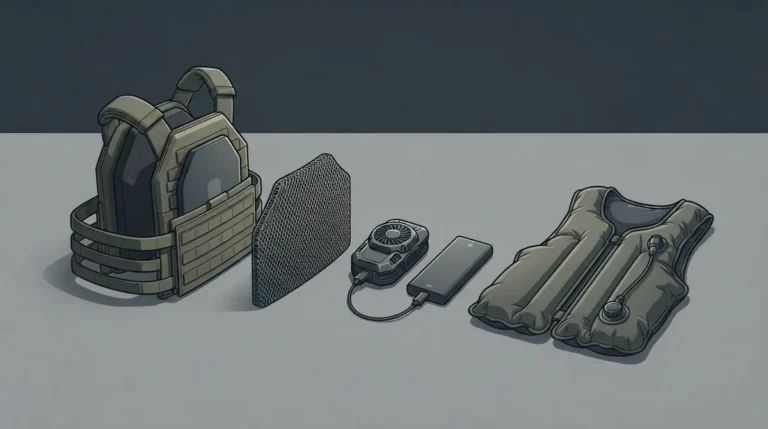
- Passive spacers: Small pads or pontoons that lift armor slightly off the body. No power needed.
- Inflatable ventilation devices: A flat bladder that inflates on demand to create an air gap.
- Powered fan systems: Small fans that push air under the armor. These need a battery.
- Full cooling garments: Vests or shirts with fans, packs, or hoses built in. These are the heaviest group.
Each type solves heat in its own way. To see how these approaches stack up, read 13 facts on active vs passive body armor cooling.
Step 2: Check What the Listed Weight Includes
This is the step most people skip, and it is the most important. A listed weight can mean very different things. Before you compare any numbers, ask these questions:
- Does the weight include the battery or power bank?
- Are the fans, pump, or controller counted?
- Is mounting hardware or a strap included?
- Are cooling packs part of the number?
- Is it the full wearable system or just one part?
A fan unit that lists its weight with a built-in power bank is giving you the full picture. A garment that lists the vest alone, with the battery sold and weighed separately, tells only part of the story. Always match like with like.
Step 3: Review the Listed Weights Side by Side
Now for the fun part. The table below pulls together the weights found in current product listings and comparison pages. A quick note on honesty: these are manufacturer or retailer claims, not results from one standardized lab test. Always confirm current specs with the maker before you buy.
| Device | Type | Reported Weight | What It Seems to Include |
|---|---|---|---|
| IceVents Classic | Passive spacer | Under 1 oz | Spacer only |
| SKD Tactical Pontoons | Passive spacer | 1.4 oz | Spacer only |
| BluHalo | Inflatable ventilation vest | Under 7 oz (about 198 g) | Device; no battery required |
| TacVent / Maxx-Dri Vest 3.0 | Mesh-style spacer | About 9 oz each | Mesh unit |
| Blufano | Powered fan system | 11.5 oz (about 326 g) | Fan unit with built-in 10,000 mAh power bank |
| General dual-fan cooling vest | Full cooling garment | About 965 g (2.13 lb) | Garment, fans, and battery; charger not included |
Notice the range. It runs from under an ounce to over two pounds. That gap is exactly why context matters. The spacer is tiny but moves no air by itself. The dual-fan garment is much heavier but is a general-purpose product, and it may not be built to fit under body armor.
Step 4: Do the Math on Powered Systems
Powered systems are where weight can sneak up on you. The example dual-fan garment shows this well. Here is how its listed parts add up:
- Garment: 305 g
- Fans and accessories: 230 g
- Battery: 430 g
- Total: about 965 g, or 2.13 lb, before a 30 g charger
That battery alone weighs more than the whole garment. When you see a fan product with a low listed weight, check whether the battery is in that number. A fair comparison counts the battery every time.
The Blufano is a helpful example of clear counting. Its reported 11.5 oz includes a built-in 10,000 mAh power bank, so the figure reflects the full unit. It also runs for 8 to 32 hours depending on the setting, and the power bank can charge your USB devices. That means one piece of gear can do double duty. For more on how setting affects run time, see BluFano battery runtime by fan setting.
Step 5: Look Beyond Weight to Cooling Method
Here is a friendly reminder: the lightest device is not always the best one. Weight tells you how much you carry. It does not tell you how well the device cools.
A passive spacer lifts the armor a little. That can help, but it does not push air. A fan moves air, but it adds a battery. An inflatable device like BluHalo sits flat when deflated, then lifts the vest up to about 1.5 inches off the body when inflated. That creates a cooling air gap on demand, with no battery needed.
So the real question is not just “What is lightest?” It is “What cools me enough for the weight I carry?” To compare these two ideas, check out fans vs. air gaps.
Step 6: Think About Fit, Bulk, and Noise
Weight is one number on a bigger checklist. A device can be light and still feel bulky if it is thick or stiff. It can also be light and noisy if it uses a loud fan.
Run through these points before you decide:
- Fit: Does it work with your specific carrier or plate setup?
- Bulk: Does it sit flat, or does it press on your body?
- Noise: Is it quiet enough for your work, especially in tense situations?
- Runtime: Will the power last your whole shift?
- Coverage: Does it leave your armor in the right position?
Always follow the instructions from both your armor maker and your cooling device maker. The National Institute of Justice body armor standards are a good place to learn how armor is tested and why proper positioning matters. If you want help with fit, our guide on how vest fit affects cooling airflow walks through it.
Step 7: Match the Device to Your Job
Different jobs call for different tradeoffs. Here is a simple way to think about it.
Patrol and Security Work
Long shifts in a car, on foot, or at a post reward light, low-profile gear. A device that sits flat when you do not need it is a big plus. You can switch cooling on when the heat spikes, then deflate it and move on.
Tactical and Military Use
Hard physical work in heavy kit means you want steady airflow. A fan system with long battery life makes sense here, as long as it fits cleanly with your carrier. Our guide on body armor heat management for military use covers more ideas.
Emergency Response
EMS and other first responders deal with heat from both gear and the scene. Quick on-demand cooling helps between calls. Heat can build fast, so the OSHA heat stress guidance is worth a read for staying safe in hot conditions.
Why BluHalo and Blufano Lead the Pack
We built our whole lineup around a simple idea: low weight, real cooling, and no fuss. Here is how the two main products fit what we have covered.
BluHalo weighs under 7 oz and needs no battery. It was created by a Chicago police officer who knew the problem firsthand. It attaches to a clean vest with Velcro, inflates on demand with a small pump, and deflates with a button so it lies flat when you are done. It is made from double-layer, high-tensile polyethylene for durability. If you want to see how it goes on, check out how to attach BluHalo Velcro patches and how to inflate and deflate BluHalo.
Blufano is a self-contained fan system with a patented air-redirect spout. It slides under body armor, can be held in place with an optional strap, and gives adjustable airflow for 8 to 32 hours. The built-in 10,000 mAh power bank keeps weight reasonable at a reported 11.5 oz, and a forward-facing light adds hands-free help in low light. Not sure which one fits you? Read BluFano vs BluHalo.
Many people use both together. BluHalo opens up the air gap, and Blufano moves fresh air through it. You can buy either one alone or bundle them at a discount.
A Quick Checklist Before You Buy
Keep this short list handy when you shop. It keeps your weight comparison honest.
- Sort the device into its type: spacer, inflatable, fan, or garment.
- Confirm whether the listed weight includes the battery.
- Check for pumps, controllers, straps, and packs in the total.
- Verify the weight with the manufacturer, since specs can change.
- Weigh cooling method and runtime, not just ounces.
- Confirm fit with your exact armor carrier.
You can also use our guide to choosing a body armor cooling device in 2026 for a wider view. And if you are still weighing styles, body armor ventilation device vs cooling garment breaks down the key differences.
Common Mistakes to Avoid
A few slip-ups come up again and again. Here is how to dodge them.
- Comparing unlike products: A spacer and a fan system do different jobs. Judge them by their own category.
- Ignoring the battery: It is often the heaviest part. Count it.
- Trusting one number: Weights come from makers and sellers, not a single standard test.
- Skipping the fit check: A great device is useless if it does not work with your armor.
If you want to avoid more traps, take a look at 10 lightweight body armor fan mistakes to avoid.
Final Thoughts
A good body armor cooling device weight comparison is about more than reading a number. It is about knowing what the number includes, what the device does, and how it fits your work day. Light is great, but light that actually cools is better.
The takeaway is simple. Sort by type, count the battery, check the fit, and verify the specs. Do that, and you will pick a device you barely notice but definitely appreciate by the end of your shift. You deserve to stay cool, dry, and focused while you do the job that keeps everyone safe.
Have questions about weight, fit, or which setup is right for your gear? We would love to help. Get in touch with our team and we will point you to the right BluHalo or Blufano option.
FAQs
Q: How much does a body armor ventilation vest weigh?
A: It depends on the type. Passive spacers can be under 1 oz, while the BluHalo inflatable ventilation vest is reported at under 7 oz with no battery needed. Powered fan units run heavier, like the Blufano at a reported 11.5 oz with its built-in power bank.
Q: Does a fan-based body armor cooling system include the battery in its listed weight?
A: Not always, so it pays to check. The Blufano’s reported 11.5 oz includes its built-in 10,000 mAh power bank, but some garments list the battery separately. Always confirm what is counted before you compare.
Q: Are inflatable ventilation vests lighter than fan-powered systems?
A: In the listed figures, yes. BluHalo is under 7 oz and needs no battery, while the Blufano fan system is reported at 11.5 oz. Keep in mind they cool in different ways, and many people use both together.
Q: Does a lighter cooling device mean less cooling?
A: Not necessarily, but weight alone does not show cooling power. Cooling depends on the method, airflow or air-gap design, runtime, and how well it fits your armor. Choose the device that cools enough for the weight you are happy to carry.
Q: What should I include when comparing cooling vest weights?
A: Count the battery, fans, pump, controller, mounting hardware, and any cooling packs. Also note whether the number covers the full wearable system or just one part. Then verify the specs with the manufacturer, since these figures are claims, not standardized test results.