Key Takeaways
-
A lightweight body armor fan moves air between your body and carrier to aid sweat evaporation, not cool the armor plates themselves—understanding this distinction prevents unrealistic expectations about cooling performance.
-
Before purchasing, verify compatibility with your specific carrier type (duty, tactical, or concealed) since poor fit prevents proper airflow circulation and wastes money on ineffective equipment.
-
Battery life directly impacts usability; choose systems offering 8+ hours runtime with adjustable settings and check manufacturer specs, as products vary widely without universal standards across the category.
-
Pair any cooling fan with comprehensive heat-safety planning including hydration, scheduled breaks, and acclimatization—fans supplement but don't replace necessary heat-stress prevention protocols outlined by OSHA.
-
Humid climates reduce fan effectiveness since saturation prevents efficient sweat evaporation; pair fans with moisture-wicking layers and adjust expectations for performance in high-humidity conditions.
-
Prioritize proven brands designed by actual law enforcement and responders over cheap alternatives, as body armor accessories must integrate seamlessly without compromising protective gear fit or function.
If you’ve ever finished a shift soaked in sweat with your vest sticking to your back like a wet towel, you already know why so many officers and military personnel are searching for a lightweight body armor fan. The idea sounds simple: a small powered fan that pushes air under your armor so you don’t roast all day. But here’s the thing—not every fan or ventilation setup actually does what it promises, and picking the wrong one can leave you disappointed, uncomfortable, or worse, stuck with dead weight strapped to your chest.
We talk to law enforcement officers, military personnel, security professionals, tactical teams, and emergency responders every single day. And honestly, we love it, because every conversation teaches us something new about what really works under body armor in the heat. So let’s walk through the most common mistakes people make when choosing a lightweight body armor fan, and how you can avoid them so your next shift feels a whole lot cooler.

1. Confusing a Body Armor Fan With Armor-Cooling Technology
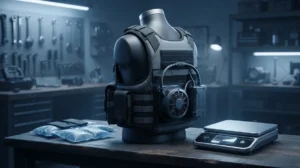
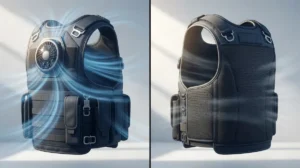
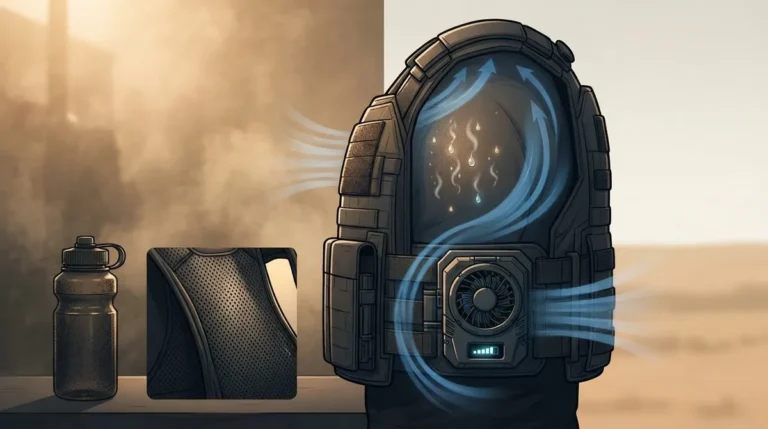
This mix-up trips up a lot of first-time buyers. A lightweight body armor fan does not cool your armor plates themselves. Instead, it moves air through the gap between your body and the carrier, helping sweat evaporate and heat escape. Think of it like a tiny breeze machine tucked under your vest rather than an air conditioner strapped to your chest.
Understanding this difference matters because it shapes your expectations. You’re not going to feel arctic air blasting your skin. You’re going to feel steady airflow that helps carry away the heat your body is already producing. If you want a deeper explanation of how this technology actually functions, check out how active cooling systems work in ventilation vests.

2. Ignoring the Difference Between Active and Passive Ventilation
Some folks buy a fan when what they really needed was a spacer vest, or vice versa. Passive ventilation vests create a small air gap between you and your armor carrier, letting natural airflow do the work without batteries or motors. Active fan systems, on the other hand, use a powered blower to force air through that same space.
Both approaches have their place, and honestly, plenty of people combine the two for maximum relief. If you’re torn between the options, our comparison on passive vs. active tactical vest ventilation breaks down which one might suit your daily grind better.
Quick Comparison: Passive vs. Active Ventilation
| Feature | Passive Spacer Vest | Active Fan System |
|---|---|---|
| Power Source | None required | Battery powered |
| Maintenance | Minimal | Requires charging |
| Airflow Control | Fixed by design | Often adjustable |
| Best For | Everyday comfort, budget-friendly relief | Extended shifts, high-heat conditions |
3. Overlooking Fit With Your Existing Carrier
A fan is only as good as the fit around it. If the unit doesn’t sit properly under your plate carrier or concealable vest, it won’t move air where you need it most. Before you buy anything, double-check that the device works with your specific gear setup, whether that’s a duty uniform, tactical carrier, or concealed vest.
We always recommend reviewing your options through a trusted ventilation vest shop that lists compatibility details clearly. Skipping this step is one of the most common (and most frustrating) mistakes people make.
4. Choosing Weight Over Real Performance
Lighter isn’t always better if it means sacrificing airflow or battery life. Some folks get so focused on shaving ounces that they end up with a fan too weak to make a real difference. Before you commit, weigh (pun intended) the trade-offs between bulk, comfort, and actual cooling output.
Here are a few things worth checking before you buy:
- Total added weight and bulk once attached to your carrier
- Attachment method and how secure it feels during movement
- Airflow direction and whether it’s adjustable
- Noise level during operation
- Battery type, runtime, and charging requirements
- Durability under daily wear and tear
The available research doesn’t establish one universal weight or runtime standard across this whole product category, so always verify specs directly with the manufacturer.
5. Forgetting About Battery Life and Charging Habits
Nothing ruins a hot shift faster than a fan that dies at hour six. Before you rely on any powered cooling accessory, figure out how long it actually runs and how you’ll keep it charged. Some systems offer flexible settings that stretch battery life across 8 to 32 hours depending on how you use them.
Our Blufano vest cooling fan review covers exactly this kind of runtime flexibility, since Blufano includes a built-in 10,000mAh power bank that keeps the fan running while also charging your other USB devices. That kind of dual-purpose power is a game-changer for long shifts or extended field operations.
6. Assuming Fans Work the Same in Humid and Dry Climates
Airflow helps sweat evaporate, but humidity changes the equation. In dry heat, moving air evaporates sweat quickly and cools you off fast. In humid conditions, that same airflow works harder to accomplish the same result because the air is already saturated with moisture.
This doesn’t mean fans are useless in humid weather. It just means your expectations should adjust. Pairing a fan with moisture-wicking layers can help, and you can learn more about this approach in our guide on how sweat management works under body armor.
7. Skipping the Bigger Heat-Safety Picture
A lightweight body armor fan is a fantastic comfort tool, but it’s not a substitute for smart heat-safety planning. Body armor and other protective gear already limit how well your body sheds heat naturally, according to guidance from the OSHA Heat Stress Guide. Officers, soldiers, and responders still need breaks, hydration, and acclimatization built into their routines.
Numbered steps for a safer hot-weather shift:
- Hydrate consistently before, during, and after your shift
- Take scheduled breaks in shade or air-conditioned spaces when possible
- Use a ventilation vest or fan system to support airflow under your gear
- Watch for early signs of heat stress like dizziness or excessive fatigue
- Acclimatize gradually if you’re new to hot-weather duty
For a deeper dive into building this kind of routine, our article on how to prevent heat stress while wearing body armor is a great starting point.
8. Believing All Cooling Claims Are Created Equal
Marketing language can get pretty enthusiastic, and it’s easy to see a big number and assume it applies to every product on the market. For example, a Police Magazine report on the TacVent system described a passive spacer creating about half an inch of separation, with a claimed temperature reduction of up to 14.6 degrees. That’s a specific, product-related claim, not a universal figure for every ventilation vest or fan out there.
Always ask for the source behind a cooling claim, and check whether it applies to the exact product you’re considering. Reputable brands, including the makers of trusted systems like BluHalo, are usually happy to explain their testing and design process. You can learn more about our approach on our About Us page.
9. Not Considering Noise and Comfort During Long Shifts
A fan that whirs loudly right next to your ear can get old fast, especially during quiet surveillance work or long patrol hours. Before buying, check reviews or product descriptions for noise levels. You want something that fades into the background, not something that distracts you from the job at hand.
Comfort also means checking whether the unit interferes with your movement, gear access, or radio equipment. A great fan that gets in the way of your duty belt isn’t actually a great fan. Reading real experiences from other officers can help here, so browse through our customer reviews before making a final decision.
10. Overlooking Trusted, Proven Brands
With so many cooling gadgets flooding the market, it’s tempting to grab the cheapest option you find. But body armor accessories, according to the Body Armor Standards resource from the National Institute of Justice, need to work seamlessly with your protective gear without compromising fit or function.
This is exactly why we’re proud of what we’ve built at BluHalo. Our lightweight ventilation vest was created by a Chicago police officer who got tired of overheating and excessive sweating during long shifts. It weighs under 7 ounces, lies flat when deflated, and inflates to lift your vest up to 1.5 inches off your body, creating a real cooling air gap on demand. And if you want a powered fan option instead, our Blufano fan system circulates fresh air beneath your armor for 8 to 32 hours depending on your setting, complete with a built-in power bank and a forward-facing light for low-visibility situations.
Why Officers and Responders Trust BluHalo and Blufano
- Designed by law enforcement, for law enforcement and other everyday heroes
- Lightweight, low-profile construction that doesn’t add bulk
- Cooling-on-demand technology that inflates and deflates with the push of a button
- Durable double-layer polyethylene built to handle daily duty use
- Bundle options available to combine both products for maximum relief
According to NIOSH research on cooling vests, participants wearing cooling accessories showed lower body temperatures and heart rates during physical exertion compared to those without one, based on treadmill testing conditions. That’s the kind of real-world benefit we aim for with every product we design.
Bringing It All Together
Choosing the right lightweight body armor fan isn’t about grabbing the flashiest gadget or the cheapest price tag. It’s about understanding how airflow actually works under your gear, matching the product to your climate and activity level, and pairing it with smart heat-safety habits. Whether you lean toward a passive spacer, an active fan system, or a combination of both, the goal stays the same: staying cooler, drier, and more focused during every shift.
We’d love to help you find the setup that fits your daily grind, whether you’re patrolling the streets, deployed overseas, or standing guard for hours on end. Reach out to our team today and let’s talk about which cooling solution makes the most sense for you.
FAQs
Q: What is a lightweight body armor fan, and how does it work?
A: It’s a small powered fan that slides under your armor carrier and pushes air through the gap between your body and the vest. This moving air helps sweat evaporate and carries heat away, so you feel noticeably cooler during long shifts.
Q: Does a fan under body armor actually keep you cooler?
A: Yes, when it’s fitted properly and paired with good airflow paths, a fan can make a real difference in comfort. Just remember it works by moving air and supporting evaporation, not by refrigerating the air like an AC unit.
Q: What’s the difference between a body armor fan and a passive ventilation vest?
A: A fan actively pushes air using a motor and battery, while a passive vest simply creates a small air gap that lets natural airflow do the work. Many people actually love combining both for extra relief on especially hot days.
Q: Can I use a cooling fan with my existing plate carrier or concealable armor?
A: Most lightweight fans and ventilation vests are designed to fit under a wide range of carriers, but it’s always smart to double-check compatibility first. Our team is happy to help you figure out what works best with your current setup.
Q: How long does a body armor fan battery last?
A: Runtime varies by product and setting, but some systems like Blufano offer anywhere from 8 to 32 hours depending on the fan speed you choose. Always check the manufacturer’s specs since there isn’t one universal standard across the whole category.