Key Takeaways
-
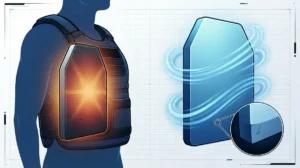
Heat stress under body armor impairs reaction time and judgment; cooling vests are essential safety equipment, not a luxury, reducing risks of heat exhaustion and heat stroke during long shifts.
-
Fan-assisted systems like BluFano offer 8-32 hours of continuous cooling and work best for full-day shifts in humid heat, while inflatable vests like BluHalo provide unlimited on-demand relief without batteries or recharging.
-
Choose cooling technology based on your climate and shift length: fan systems for humid heat and long shifts, evaporative vests for hot-dry climates, PCM vests for short intense bursts lasting ~3 hours.
-
BluHalo weighs under 7 ounces, attaches with Velcro to any vest, and creates a 1.5-inch air gap by inflating with a hand pump, costing $60 and adding no permanent bulk to your armor.
-
Common mistakes include buying vests too bulky for your existing armor, ignoring battery life specs, using evaporative cooling in humid climates where it fails, and skipping test runs before actual duty.
-
Verify gear compatibility before purchasing—your cooling vest must fit under existing armor without interfering with harnesses, belts, or plate carriers, especially for tactical teams and specialized units.
If you’ve ever finished a shift soaked in sweat with your armor sticking to your back, you already know why this matters. Heat stress under body armor isn’t just uncomfortable. It’s dangerous, and it can slow your reaction time when you need it most. That’s why finding the best cooling vests for your job isn’t a luxury. It’s part of doing your work safely and well.
We’ve talked to officers, soldiers, and security pros who all say the same thing: standard vests trap heat like an oven. The good news? Today’s cooling vests have come a long way. Whether you need evaporative cooling, phase-change materials, or a fan-powered airflow system, there’s an option built for your exact situation. Let’s walk through the best picks for 2026, so you can pick the right one and get back to focusing on your job instead of your sweat.

Why Cooling Vests Matter More Than Ever in 2026
Heat stress is a real occupational hazard, and the OSHA Heat Stress Guide confirms that prolonged heat exposure can lead to exhaustion, poor judgment, and even heat stroke. For anyone wearing heavy protective gear, the risk climbs fast. Body armor traps heat close to your skin, and that heat has nowhere to escape unless you give it a path out.
This is exactly the problem BluHalo set out to solve. Officers, soldiers, and security teams wear body armor standards-compliant vests for hours at a stretch, often in extreme heat. A good cooling vest doesn’t replace your armor. It works with it, creating airflow and moisture control so you stay alert and comfortable.
Three Main Types of Cooling Technology
Before we dive into our top 11 picks, it helps to understand the three main cooling technologies you’ll see on the market:
- Evaporative cooling vests: Soaked in water, these rely on evaporation to pull heat away. Great in hot, dry climates but need water access to recharge.
- PCM (phase-change material) vests: Packed with cooling inserts, these offer a set cooling window, often around 3 hours, before they need to be swapped or recharged.
- Fan-assisted/ventilation vests: Battery-powered fans move fresh air under your gear, offering continuous airflow without needing water or ice.
Each type shines in different conditions. Evaporative works well in dry heat around 35°C. PCM vests are great for shorter, intense bursts of activity. Fan-assisted vests, like the ones BluHalo builds, are ideal for all-day wear where consistent airflow matters most.
1. BluHalo Ventilation Vest
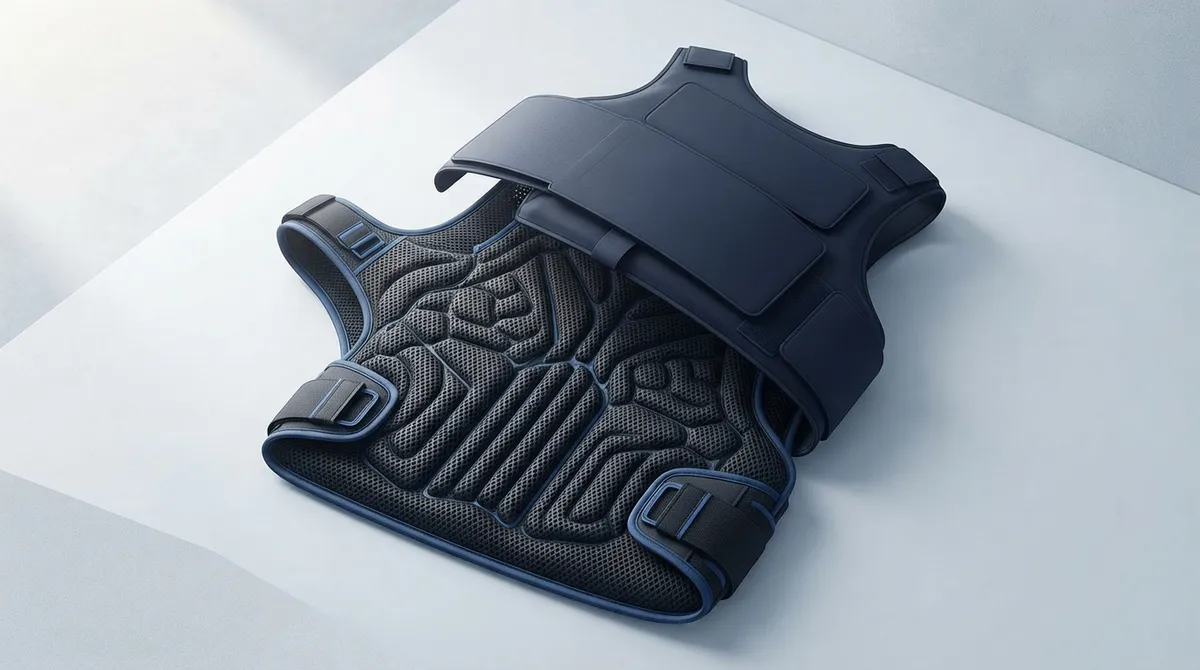
We’re starting with our top pick, and for good reason. The BluHalo ventilation vest was built by a Chicago police officer who got tired of sweating through 12-hour shifts in 95-degree heat. It weighs under 7 ounces and lies flat when deflated, so it won’t add bulk under your armor.
When you need cooling, just inflate it with the included pump. It lifts your vest up to 1.5 inches off your body, creating an air gap that lets heat and moisture escape. Deflate it with one button when you’re done. It attaches to any clean vest with Velcro, making it one of the easiest body armor vent solutions on the market. You can grab one from the shop for $60.
2. BluFano Active Fan System
If you want continuous airflow without lifting a finger, BluFano is our second top recommendation. This self-contained fan unit slides under any style of body armor and uses a patented air-redirect spout to push fresh air where you need it most.
It runs on a built-in 10,000mAh power bank, giving you 8 to 32 hours of adjustable airflow depending on your fan setting. That same battery can charge your phone or radio, and it even has a forward-facing light for low-light situations. Officers report faster cooling, especially when paired with vehicle AC, plus less sweat and sharper focus during long, hot shifts. Learn more about how BluFano keeps you cool on duty.
3. BluHalo and BluFano Bundle
Why choose one when you can combine both? Pairing BluHalo’s on-demand inflatable air gap with BluFano’s continuous fan-driven airflow gives you layered cooling protection. This bundle is popular with tactical teams and first responders who face unpredictable heat spikes during long operations. You can check out current bundle pricing and options on the shop page.
4. Evaporative Cooling Vests
These vests use water-soaked fabric or inserts that cool through evaporation. They’re a solid choice if you have regular water access and work in hot, dry environments. Many industrial guides suggest these are practical for outdoor labor around 35°C.
The downside? You need to keep re-soaking them, which isn’t always convenient during a busy patrol shift or deployment. They also don’t offer the same targeted airflow that fan-based systems provide.
5. PCM (Phase-Change Material) Vests
PCM vests use special packs that absorb heat as they melt, keeping you cool for a set window of time. Most PCM cooling packs last around 3 hours before they need to be swapped or refrozen. That’s a great option for short, intense operations but not ideal for a full 8-hour shift unless you have backup packs ready.
6. Mesh-Based Passive Cooling Vests
Mesh vests use breathable fabric panels to promote natural airflow. They’re lightweight and low-maintenance, but they don’t actively move air the way fan systems do. If you’re comparing options, our guide on mesh vests versus inflatable cooling breaks down the pros and cons in detail.
7. Battery-Powered Fan Vests
Beyond BluFano, there’s a growing market of battery-powered fan vests. These units clip onto your gear and circulate air continuously. Runtime and charging logistics matter a lot here, so check battery specs before buying. Our breakdown of USB vest fans for police covers what to look for.
8. Inflatable Air-Gap Vests
Similar in concept to BluHalo, inflatable air-gap vests create space between your body and armor. This lets sweat evaporate and heat escape naturally. These are especially useful for tactical teams who need quick, on-demand relief between high-intensity movements.
9. Ice-Pack Insert Vests
Some vests use ice packs or gel inserts instead of PCM chemicals. They’re simple and affordable but tend to be heavier and bulkier. They also lose their cooling power faster in extreme heat, so they work best for shorter shifts or as a backup option.
10. Hybrid Cooling Systems
Hybrid vests combine two technologies, like evaporative fabric with a small battery fan, to extend cooling time and adapt to different conditions. These are a smart pick if you move between indoor and outdoor environments during your shift.
11. Custom Fit Tactical Cooling Vests
For SWAT and specialized units, custom-fit cooling vests designed to work seamlessly with harnesses and plate carriers are worth the investment. Compatibility with other gear matters a lot in high-intensity operations, so check our guide on passive versus active tactical ventilation before you buy.
Comparing the Top Cooling Vest Technologies
| Technology | Best For | Runtime | Water/Charging Needed |
|---|---|---|---|
| BluHalo Inflatable | On-demand relief, all-day wear | Unlimited (manual inflate/deflate) | No water, small pump only |
| BluFano Fan System | Continuous airflow, long shifts | 8-32 hours | Rechargeable battery |
| Evaporative | Hot, dry climates with water access | Varies, needs re-soaking | Water required |
| PCM | Short, intense heat exposure | ~3 hours | Refreeze or swap packs |
| Mesh Passive | Light-duty, low-maintenance use | Unlimited (passive) | None |
How to Choose the Right Cooling Vest for Your Job
Picking the best cooling vest depends on your work environment, shift length, and gear compatibility. Here’s a simple process to follow:
- Check your climate: Hot and dry favors evaporative vests. Hot and humid favors fan-assisted systems like BluFano.
- Estimate your shift length: Short bursts of intense heat work well with PCM. Full 8+ hour shifts need battery-powered or inflatable options.
- Confirm gear compatibility: Make sure your cooling vest fits under your existing armor without interfering with harnesses or belts, as outlined in body armor ventilation guides.
- Consider maintenance: Water-based systems need regular refills. Battery systems need charging. Pick what fits your routine.
- Test comfort and weight: A cooling vest that’s too bulky can be just as frustrating as the heat itself.
Who Benefits Most From Each Type
- Law enforcement officers: Fan-assisted systems like BluFano work great for long patrol shifts with unpredictable heat.
- Military personnel: Lightweight inflatable vests like BluHalo are easy to pack and deploy in the field.
- Security professionals: Passive mesh or hybrid vests offer low-maintenance comfort for standing posts.
- Tactical/SWAT teams: Custom-fit vests that work with plate carriers give the best mobility and cooling combo.
- Emergency responders: PCM vests offer quick relief during intense, short bursts near fire or hazmat exposure.
Common Mistakes When Choosing a Cooling Vest
Even experienced pros make mistakes when picking cooling gear. Watch out for these issues:
- Buying a vest that’s too bulky to fit under your existing armor comfortably.
- Ignoring battery life specs, then running out of cooling mid-shift.
- Choosing evaporative cooling in humid climates, where it barely works.
- Skipping a test run before wearing the vest on an actual shift.
If you want to avoid these pitfalls, check out our detailed list of body armor cooling fan mistakes to avoid before making your purchase.
Real Stories From the Field
Officers who’ve used BluHalo often describe the same relief: less sweat, more comfort, and better focus during brutal 12-hour shifts. One officer mentioned wearing his vest during a 95-degree day and noticing the difference within minutes of inflating it. That kind of quick relief matters when you’re on your feet all shift long.
BluFano users report similar wins, especially when combined with a quick blast of vehicle AC. The fan keeps circulating air even after you’re back out in the heat, which helps you stay sharp and alert. You can read more customer reviews to see how these products perform in real-world conditions.
Final Thoughts on Picking Your Cooling Vest
There’s no single “best” cooling vest for everyone. It comes down to your climate, your shift length, and how your gear fits together. But if you want a proven, comfortable option that’s trusted by officers and professionals across the country, BluHalo and BluFano remain the top picks for 2026.
Ready to stop sweating through your shifts? Get in touch with our team today and let’s find the right cooling solution for your work. You deserve to stay cool, focused, and comfortable no matter how hot it gets out there.
FAQs
Q: What is the best cooling vest for working in extreme heat?
A: For extreme heat, fan-assisted vests like BluFano offer the most reliable, continuous cooling since they don’t depend on water or ice. BluHalo’s inflatable design is also fantastic because it creates an instant air gap whenever you need relief, no recharging required.
Q: Are evaporative cooling vests better than PCM cooling vests?
A: It really depends on your environment! Evaporative vests shine in hot, dry climates with water access, while PCM vests give you a set cooling window (usually around 3 hours) that’s great for shorter, intense tasks. Neither is universally “better,” it’s about matching the tech to your job.
Q: How long does a cooling vest stay cold?
A: This varies by type. PCM vests typically last about 3 hours before needing a swap or recharge, while fan-assisted systems like BluFano can run 8 to 32 hours depending on your fan setting. BluHalo’s inflatable design offers unlimited on-demand relief since there’s no cooling agent to run out.
Q: Can you wear a cooling vest under PPE or a harness?
A: Absolutely, that’s exactly what these vests are designed for! BluHalo sits flat and unobtrusive under your armor, and BluFano’s low-profile fan unit slides under most vest styles without interfering with harnesses or duty belts.
Q: Do cooling vests really help prevent heat stress?
A: Yes, and the science backs it up. By improving airflow and reducing trapped moisture, cooling vests help regulate body temperature, which lowers your risk of heat exhaustion and keeps you sharper on the job, something the OSHA Heat Stress Guide strongly supports for anyone working in hot conditions.