Key Takeaways
-
Always verify body armor insert certification through the official NIJ Compliant Products List rather than trusting marketing labels; NIJ Standard 0101.07 requires testing of the specific insert-carrier combination together.
-
Proper fit is non-negotiable for safety; measure your torso against manufacturer charts, confirm pocket dimensions match exactly, and test retention by moving and bending to ensure no coverage gaps over vital organs.
-
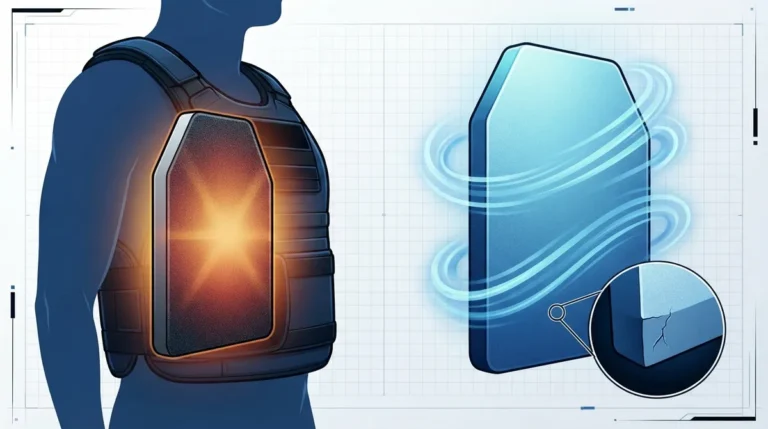
Hard armor plates made from UHMWPE are lighter and cooler than steel while providing rifle protection, whereas steel plates retain heat significantly despite being budget-friendly options.
-
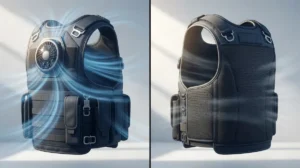
Body armor inserts restrict airflow and trap heat regardless of ventilation features in your vest; pair your insert with active cooling systems like fans or inflatable air-gap vests to maintain comfort and focus during long shifts.
-
Store inserts flat away from direct sunlight and heat, inspect every few months for cracks or delamination, and replace any insert that has taken a hard impact even without visible damage.
-
Soft armor panels are ideal for concealed daily patrol with handgun-level threats, while hard plates suit tactical operations needing rifle protection; choose based on your specific role and threat level.
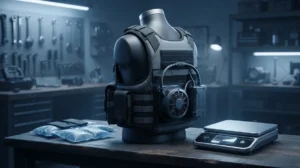
If you wear body armor for a living, you already know the drill. You slide in your body armor insert, strap on your carrier, and brace for a long shift of heat and sweat. Whether you’re a police officer, a soldier, or a security pro, that insert is your lifeline. But here’s something a lot of folks don’t realize: the insert itself is only half the story. How your vest handles heat, airflow, and moisture matters just as much for getting through your shift comfortably and safely.
We’re going to walk through everything you need to know about body armor inserts in 2026. We’ll cover materials, fit, certification, and how they interact with your gear’s ventilation. And yes, we’ll talk about how to stay cooler while wearing one, because nobody should have to choose between protection and comfort. Grab a coffee, get comfy, and let’s get into it together.
1. Understanding What a Body Armor Insert Actually Is
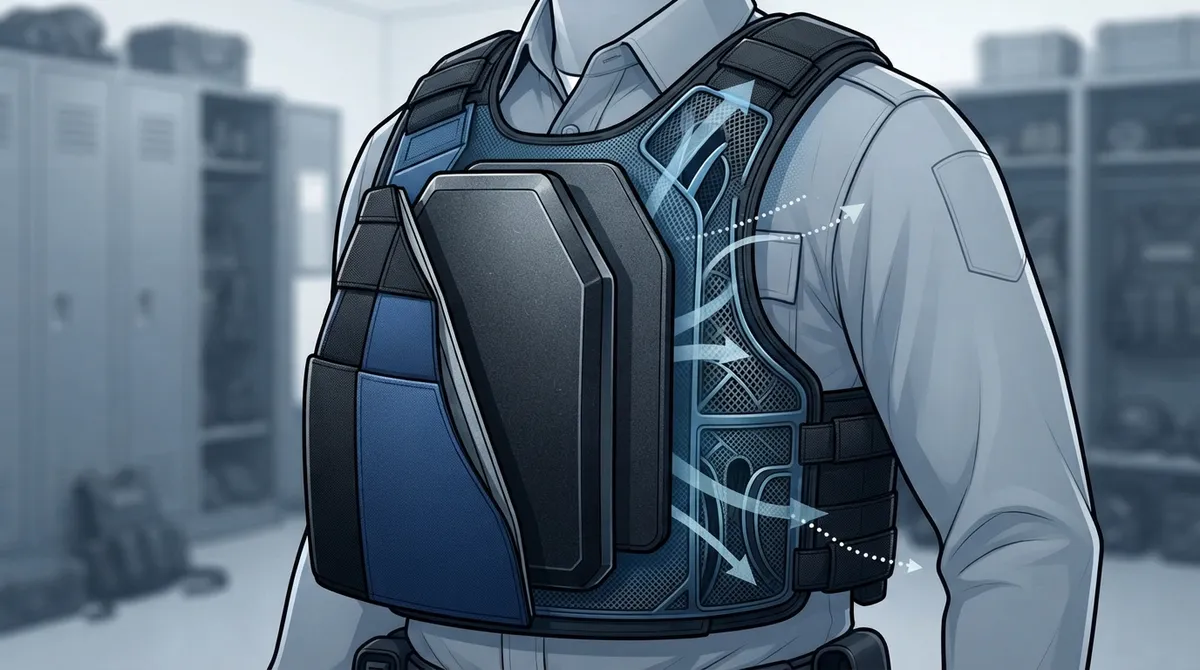
A body armor insert is a removable protective panel that slides into a pocket built into your vest or carrier. Think of your vest as the house, and the insert as the furniture that does the heavy lifting. Inserts come in two main types: soft armor panels for handgun threats, and hard armor plates for higher-energy rifle threats.
Here’s the key thing to remember: a cooling or ventilation vest is not automatically bullet-resistant. Airflow channels, mesh panels, fans, and spacer fabrics are comfort features. They don’t provide ballistic protection unless the entire vest-and-insert combo has been tested and certified together. That distinction matters a lot, and we’ll dig into it more below.
Soft Armor vs Hard Armor Plates
Soft inserts are flexible panels, often made from aramid fibers like Kevlar. They’re comfortable, lightweight, and great for concealment. Hard plates are rigid and built to stop rifle rounds, but they add real weight and reduce flexibility.
- Soft armor: flexible, lighter, ideal for handgun-level threats
- Hard plates: rigid, heavier, needed for rifle-level threats
- Hybrid setups: soft backer plus hard plate for layered protection
- Trauma pads: extra padding to reduce blunt force impact behind the insert
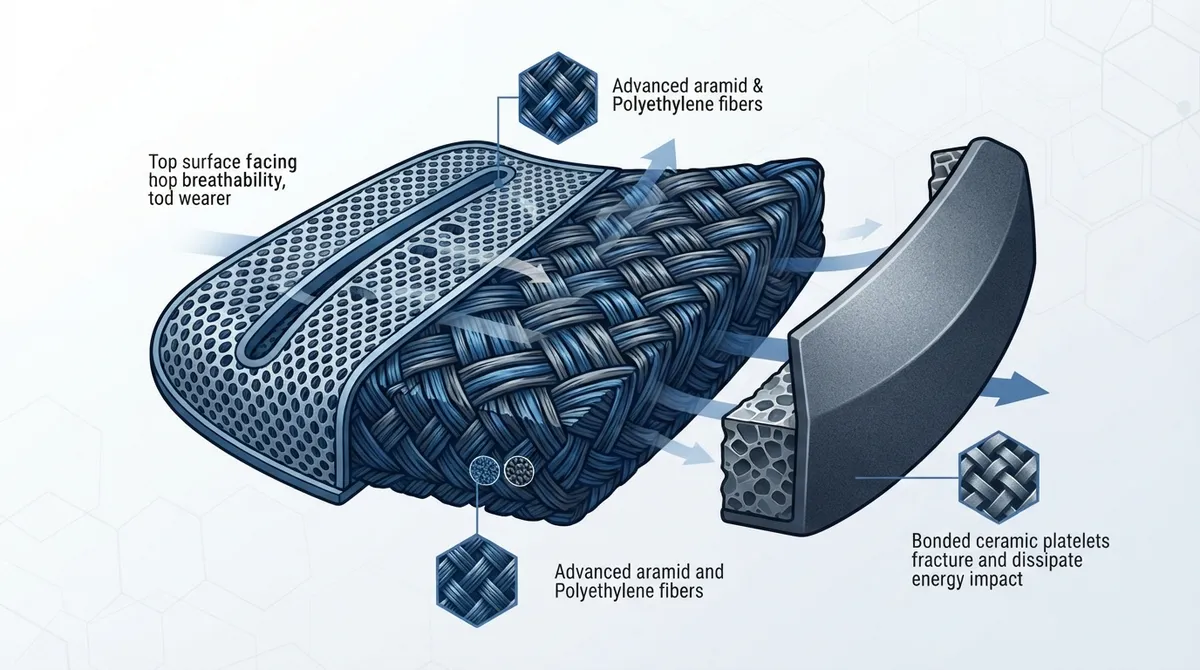
2. The Materials That Make Up Your Insert
Not all inserts are created equal, and the material inside makes a huge difference in weight, flexibility, and how hot you’ll get wearing it. Let’s break down the most common options you’ll run into.
| Material | Typical Weight (10×12 in) | Best For | Heat Retention |
|---|---|---|---|
| Aramid (Kevlar) | 3-5 lbs | Soft handgun threats | Moderate |
| UHMWPE | 3-6 lbs | Lightweight rifle protection | Low |
| Ceramic composite | 4-7 lbs | Multi-hit rifle protection | Moderate-High |
| Steel | 8-10 lbs | Budget rifle protection | High |
As you can see, steel plates pack a punch on protection but they run heavy and hold heat like a skillet. UHMWPE tends to be a favorite among folks who need rifle protection without wrecking their back or baking under the sun. Your material choice affects everything from your posture to how much you sweat by lunchtime.
3. Getting the Fit Right (This Is Non-Negotiable)
A body armor insert that doesn’t fit properly isn’t just uncomfortable, it can leave dangerous gaps in your coverage. This is one area where we really want you to slow down and double check your gear.
- Measure your torso and compare it to the manufacturer’s sizing chart
- Confirm the insert matches your carrier’s pocket dimensions exactly
- Check the curvature so the plate follows your body’s natural shape
- Verify orientation, front plates and back plates are not interchangeable
- Test retention by moving, bending, and reaching to make sure nothing shifts
If a plate is too large, too small, or doesn’t sit snug in the carrier, your vital organs might not be covered where it counts. This is why fit checks should happen every time you get new gear, not just once and forget it. For more guidance on getting your gear dialed in, check out our article on choosing the right body armor ventilation vest.
4. Certification Matters More Than Marketing Claims
This is the part where we get a little serious, because your safety depends on it. Not every product that says “Level IIIA” or “Level III” on the label has actually been tested and certified. You need to verify the exact model through the official Body Armor Standards compliance list.
What NIJ Standard 0101.07 Means for You
NIJ Standard 0101.07 is the current ballistic-resistance standard, published in 2023. It replaced the older 0101.06 standard from 2008, and it covers testing methods for armor meant to stop handgun and rifle ammunition. There’s also a companion spec, NIJ Standard 0123.00, that outlines protection levels and test threats.
One number worth knowing: the testing framework allows a maximum backface deformation of 44 mm, which measures how deep the rearward bulge goes after impact. Independent field reports from the 2025 Personal Armour Systems Symposium found some flexible rifle plates measuring anywhere from 43.5 mm to more than 60 mm in testing samples. That’s a big spread, and it shows exactly why certification and configuration-specific testing matter so much.
- Always check the exact model and size on the official Compliant Products List
- Don’t assume a label alone proves certification
- Older 0101.06 listed products remain available during the transition period
- Ask your agency or supplier which standard your insert was tested under
5. How a Body Armor Insert Affects Your Comfort and Airflow
Here’s where things get personal for anyone who’s spent a 12-hour shift sweating through their undershirt. Adding a hard plate or soft panel to your carrier changes how your whole system breathes. It blocks natural airflow, traps heat against your torso, and can seriously increase fatigue over a long shift.
This is exactly the problem BluHalo was built to solve. Created by a Chicago police officer who got tired of overheating in his own vest, the BluHalo ventilation vest sits under your armor and lifts it up to about 1.5 inches off your body when inflated. That small air gap makes a massive difference for heat and moisture buildup. It weighs under 7 ounces, attaches with Velcro, and inflates on demand with a simple pump.
Active Cooling for All-Day Wear
If you want continuous airflow rather than an on-demand boost, Blufano is worth a look. It’s a self-contained fan system with a patented air-redirect spout that slides under any style of body armor. It runs 8 to 32 hours depending on your fan setting, and it even includes a 10,000mAh power bank to charge your phone plus a built-in light for low-light situations.
Officers who’ve made the switch describe faster cooling, less sweat, and better focus during brutal 95-degree shifts. Many teams choose to bundle BluHalo and Blufano together for maximum relief, since one handles the air gap and the other keeps fresh air circulating the whole shift. You can browse both options in our shop and see which setup fits your daily routine.
6. Caring For and Inspecting Your Insert
A body armor insert is an investment in your safety, so treat it like one. Proper care extends its life and keeps it performing the way it should when you need it most.
- Wipe soft panels with a damp cloth, never submerge them in water
- Store inserts flat, away from direct sunlight and extreme heat
- Inspect for cracks, delamination, or fraying edges every few months
- Replace inserts that have taken a hard hit, even without visible damage
- Follow the manufacturer’s shelf-life guidance, most panels degrade over 5 years
Heat and moisture are two of the biggest enemies of insert longevity, which is another reason ventilation matters so much. According to the OSHA Heat Stress Guide, prolonged heat exposure while wearing protective gear can lead to serious health risks, including heat exhaustion. Keeping your body cooler doesn’t just help your comfort, it protects your gear too.
Comparing Insert Types at a Glance
| Feature | Soft Armor Insert | Hard Armor Plate |
|---|---|---|
| Weight | Lighter, 2-5 lbs | Heavier, 3-10 lbs |
| Flexibility | High, conforms to body | Low, rigid shape |
| Threat Level | Handgun rounds | Rifle rounds |
| Airflow Impact | Moderate restriction | Significant restriction |
| Typical Use | Daily patrol, security | Tactical, high-risk operations |
Whichever type you wear, pairing it with a smart cooling system can make a night-and-day difference. We’ve seen this firsthand in feedback from officers who switched to ventilated setups, many describe it as finally being able to focus on the job instead of the heat. If you want to dig deeper into fit and airflow together, our guide on improving body armor airflow for all-day comfort covers even more practical tips.
A Quick Word on Choosing the Right Setup for Your Role
Every profession has different needs. A tactical team member might prioritize a hard plate with maximum coverage, while a security guard on an 8-hour shift might lean toward a lighter soft panel. Either way, the ventilation underneath matters just as much as the protection on top.
- Law enforcement officers often need all-day comfort during patrol shifts
- Military personnel need cooling that holds up in extreme heat environments
- Security professionals need discreet, lightweight comfort under uniforms
- Tactical teams need cooling that doesn’t slow down fast movement
- Emergency responders need relief that works alongside heavy protective gear
No matter which category you fall into, the goal is the same: stay protected, stay cool, and stay focused. If you’re ready to see real reviews from people in your line of work, our reviews page has plenty of honest feedback worth reading. And if you’re a visual learner, our videos section shows exactly how these cooling systems work in action.
On a completely different note, taking care of your overall wellness matters too, whether that’s staying hydrated on shift or keeping up with routine health checkups like visiting Segovia Orthodontics for your family’s dental care. Small habits like these add up to a healthier, more sustainable career.
Wrapping Up: Protection and Comfort Can Coexist
Your body armor insert keeps you safe, but it shouldn’t have to come at the cost of your comfort. With the right material, a proper fit, verified certification, and a smart cooling system underneath, you really can have both. That’s the whole reason BluHalo and Blufano exist, to help everyday heroes like you get through the toughest shifts without melting under your gear.
Ready to feel the difference for yourself? Get in Touch with Our Team today and let’s find the cooling setup that fits your job, your gear, and your comfort needs.
FAQs
Q: What is a body armor insert, and how does it work in a ventilation vest?
A: A body armor insert is a removable protective panel, either soft armor or a hard plate, that slides into a pocket in your carrier. It’s completely separate from your ventilation system, which is why we always recommend pairing your insert with a cooling vest like BluHalo to manage the heat it traps against your body.
Q: Can a cooling or ventilation vest hold standard soft armor panels or hard armor plates?
A: Ventilation vests like BluHalo and Blufano are designed to sit under your existing carrier, not replace it, so your standard inserts stay right where they belong. Think of it as adding a cooling layer beneath your protection, not swapping out your armor setup at all.
Q: Are body armor inserts NIJ certified, or is the entire vest required to be tested?
A: Great question, and one we get a lot! The specific insert and carrier combination needs to be tested together under NIJ Standard 0101.07, so always check the official Compliant Products List rather than trusting a label alone.
Q: Will a body armor insert block airflow or reduce the cooling performance of a ventilation vest?
A: Yes, inserts do restrict natural airflow since they add a solid layer against your torso, which is exactly why active cooling matters so much. That’s the whole reason we built BluHalo and Blufano, to create an air gap and keep fresh air moving even with a plate in place.
Q: How should a body armor insert be cleaned, stored, and inspected?
A: Wipe soft panels gently with a damp cloth, never soak them, and store everything flat away from heat and sunlight. We recommend checking for cracks or wear every few months, and honestly, keeping your gear cooler with proper ventilation helps it last longer too.