Key Takeaways
-
Ventilation vests support rehabilitation but don't replace it; combine cooling gear with mandatory rest, hydration, and medical evaluation per NFPA 1584:2022 standards.
-
Different cooling technologies work differently: fan-based vests rely on evaporation (ineffective in high humidity), while water-perfused systems reduce skin temperature more effectively but require external power and infrastructure.
-
Time your cooling vest use strategically during staging, rehab breaks, overhaul, and training—not during sealed interior attacks where ambient airflow can't reach your skin.
-
Choose low-profile, lightweight vests (under 7 ounces) that fit snugly under turnout gear without snagging on straps or restricting movement during bending, reaching, and climbing.
-
Verify battery life matches your shift length; systems with 10,000mAh power banks delivering 8-32 hours eliminate mid-shift power loss concerns on long emergency calls.
-
Demand objective performance data (core temperature reduction, heart rate change, recovery time) from vendors rather than relying on marketing claims when selecting cooling gear.
Turnout gear saves lives, but it also traps a scary amount of heat. Add a hot fire scene, heavy exertion, and an SCBA on your back, and your body can heat up fast. If you’ve ever felt dizzy, foggy, or wobbly during rehab, you already know how real firefighter cooling challenges are. The good news? Most crews make a handful of fixable mistakes that make heat stress worse than it needs to be. Let’s walk through them together, warmly and honestly, like a buddy at the station would.
This article is written for everyday heroes: firefighters, hazmat techs, tactical teams, security pros, and military members who all deal with heat trapped under heavy protective gear. Whether you’re stepping out of an interior attack or standing rehab duty at a wildfire, the lessons here apply. We’ll cover what firefighter cooling really means, what the research actually shows, and how ventilation vests fit into a smart heat-safety plan. Grab some water (seriously, hydrate while you read) and let’s get into it.
What Firefighter Cooling Really Means
Firefighter cooling is any strategy that helps your body shed extra heat while you’re working in turnout gear. It’s not one single tool. It’s a combination of rest, hydration, medical monitoring, and cooling technology working together. Structural firefighting PPE is thick, heavy, and built to block heat from fire, which unfortunately also blocks your own body heat from escaping.
That trapped heat, combined with hard physical work and radiant heat from the fire itself, raises your core temperature and heart rate quickly. This is why formal rehabilitation exists. According to OSHA Heat Stress Guide, heat-related illness can escalate quickly when workers wear insulating protective equipment during strenuous tasks. Firefighter cooling isn’t a luxury. It’s a safety requirement.
Mistake 1: Treating Ventilation Vests as a Replacement for Rehab
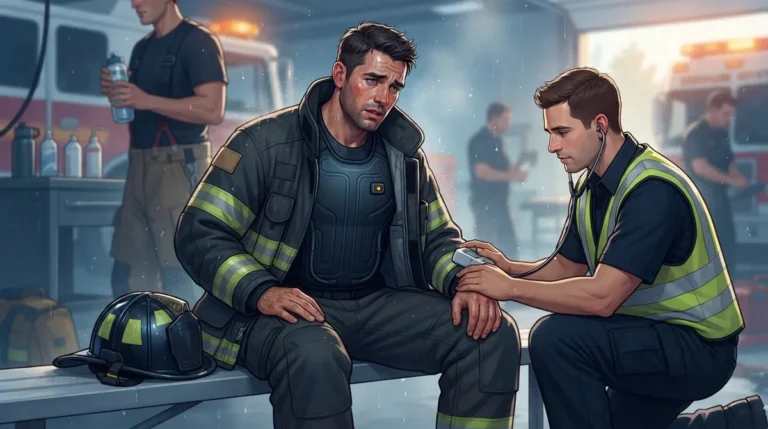
Ventilation vests, like the BluHalo vest, are fantastic tools. But they are not a substitute for real rehabilitation. NFPA 1584:2022 sets minimum standards for rehab during emergency operations and training, and those standards include rest, fluids, and medical evaluation, not just a cooling gadget.
Here’s a simple way to remember it: cooling vests support rehab, they don’t replace it. Use your vest during rest periods, but still follow your department’s SOPs for hydration and monitoring. Combining both approaches gives you the best shot at avoiding heat exhaustion.
Mistake 2: Expecting Fans to Work the Same as Ice or Water-Based Systems
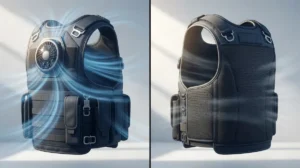
Not all cooling vests work the same way, and that mix-up causes a lot of frustration. Fan-based ventilation vests move ambient air across your skin to boost evaporation and convective heat loss. Phase-change vests use frozen packs. Water-perfused vests circulate chilled water through tubes. Each has strengths and weaknesses.
| Cooling Technology | How It Works | Best Use Case | Limitation |
|---|---|---|---|
| Fan-Based Ventilation Vest | Moves ambient air through channels near torso | Staging, rehab, overhaul, training | Less effective in high humidity or under sealed outer shells |
| Phase-Change (Ice Pack) Vest | Frozen packs absorb body heat | Short bursts of intense heat exposure | Heavy, needs freezer access, limited duration |
| Water-Perfused Vest | Chilled water circulates through tubing | Controlled rehab stations with power/ice supply | Bulky, requires external pump or reservoir |
| Water-Soaked Vest | Evaporative cooling from wet fabric | Dry, low-humidity climates | Loses effectiveness once fabric dries or humidity rises |
A 2014 study comparing water-perfused and water-soaked chest-cooling systems found both improved perceived coolness, but only the water-perfused vest reduced scapular skin temperature and fluid loss. Neither system significantly lowered heart rate or rectal temperature in that particular protocol. That’s an important reminder: feeling cooler and actually cooling your core are two different things, and knowing the difference helps you pick the right gear for the job.
Mistake 3: Ignoring Humidity and PPE Permeability
Fans move air, but they can only move the air that’s available. In high humidity, sweat doesn’t evaporate as easily, which reduces the cooling power of any ventilation system. If your outer shell blocks airflow completely, even the best fan struggles to make a difference.
This doesn’t mean ventilation vests don’t work. It means timing matters. Ventilation is most useful during staging, rehab, transport, overhaul, and training, periods when you’re not buried in an impermeable, sealed ensemble facing direct radiant heat. Save your active cooling gear for these windows, and you’ll get much better results.
- Use ventilation vests during staging before an interior attack
- Switch them on during rehab breaks between SCBA cylinders
- Rely on them heavily during overhaul, training days, and transport
- Pair them with shade or air-conditioned rehab areas when possible
- Avoid expecting airflow cooling to perform miracles inside a fully sealed ensemble near active flame
Mistake 4: Choosing a Vest That Doesn’t Fit Under Your Gear
A bulky, poorly designed cooling vest can snag on straps, restrict movement, or simply not fit under your turnout coat. That’s a real problem when seconds matter. When evaluating any ventilation vest, check these factors carefully.
- Compatibility with your specific PPE and SCBA harness
- Freedom of movement during bending, reaching, and climbing
- Snag resistance around zippers, straps, and buckles
- Battery and electrical safety in wet or hot conditions
- Durability through repeated decontamination cycles
- Overall added weight and bulk under the outer shell
The BluHalo vest weighs under 7 ounces and sits flat when deflated, which solves a lot of these fit issues right out of the box. It attaches with Velcro to a clean vest and inflates on demand, lifting the vest slightly to create a cooling air gap without adding meaningful bulk. That kind of low-profile design matters when you’re gearing up fast for a call.
Mistake 5: Overlooking Battery Life and Backup Options
Fan-based systems need power, and running out mid-shift is a common complaint. If you’re working a 12-hour shift in 95-degree heat, a cooling device with a short battery life just adds another thing to worry about. This is where a strong power system actually changes the game.
The Blufano fan system includes a built-in 10,000mAh power bank that runs the fan for 8 to 32 hours depending on the setting, and it can even charge your other USB devices in a pinch. It also has a forward-facing light for hands-free visibility, which is a nice bonus during overhaul or nighttime calls. Pairing a reliable power source with your cooling routine means one less thing to stress about on a long shift.
Mistake 6: Skipping Objective Measures When Judging Performance
Marketing claims like “keeps you cool” sound great, but they don’t tell you much on their own. A 2024 experimental study found cooling vests reduced core temperature by up to about 0.21°C, lowered heart rate by roughly 7 beats per minute, and cut perceived strain by around 32% under lab conditions. A separate 2023 thermal-manikin study tested vests at 35°C to 45°C with radiant heat loads, finding one vest delivered over two hours of cooling power while another lasted about 90 minutes.
These numbers matter because they’re measurable. When comparing gear, look for real data: core or skin temperature changes, heart rate, sweat rate, recovery time, and battery duration. A 2019 study on a dual-function cooling vest found the biggest benefits showed up during recovery periods rather than active exercise, which lines up with how most departments actually use cooling gear during rehab.
Building a Complete Heat-Safety Routine
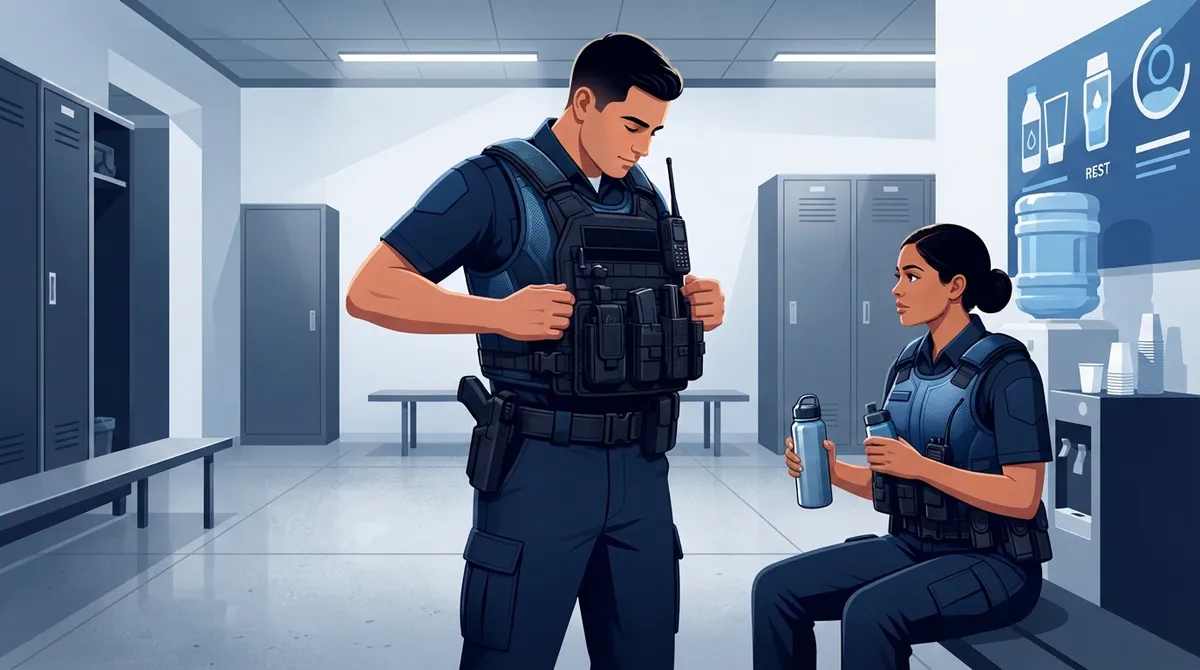
Ventilation vests work best as one piece of a bigger heat-management puzzle. Departments following USFA guidance based on NFPA rehab practices recommend at least 10 minutes of self-rehab after one 30-minute SCBA cylinder, and at least 20 minutes of formal rehab with fluids and medical evaluation after two cylinders or 40 minutes of intense work. Building your cooling strategy around these benchmarks keeps your crew safer.
| Rehab Trigger | Minimum Rest Recommended | Additional Actions |
|---|---|---|
| One 30-minute SCBA cylinder | 10 minutes self-rehab | Loosen PPE, hydrate, use ventilation vest if available |
| Two 30-minute cylinders or one 45–60 minute cylinder | 20 minutes formal rehab | Medical evaluation, fluids, shade or conditioned air |
| 40 minutes intense work without SCBA | 20 minutes formal rehab | Active cooling, vitals check, rest before re-entry |
Reviewing Body Armor Standards alongside your department’s PPE policies can also help you understand how ventilation accessories interact with certified protective gear. And if your crew wants real-world proof before adopting new gear, browsing customer reviews or watching product demonstration videos is a smart next step.
A Note for Other Everyday Heroes
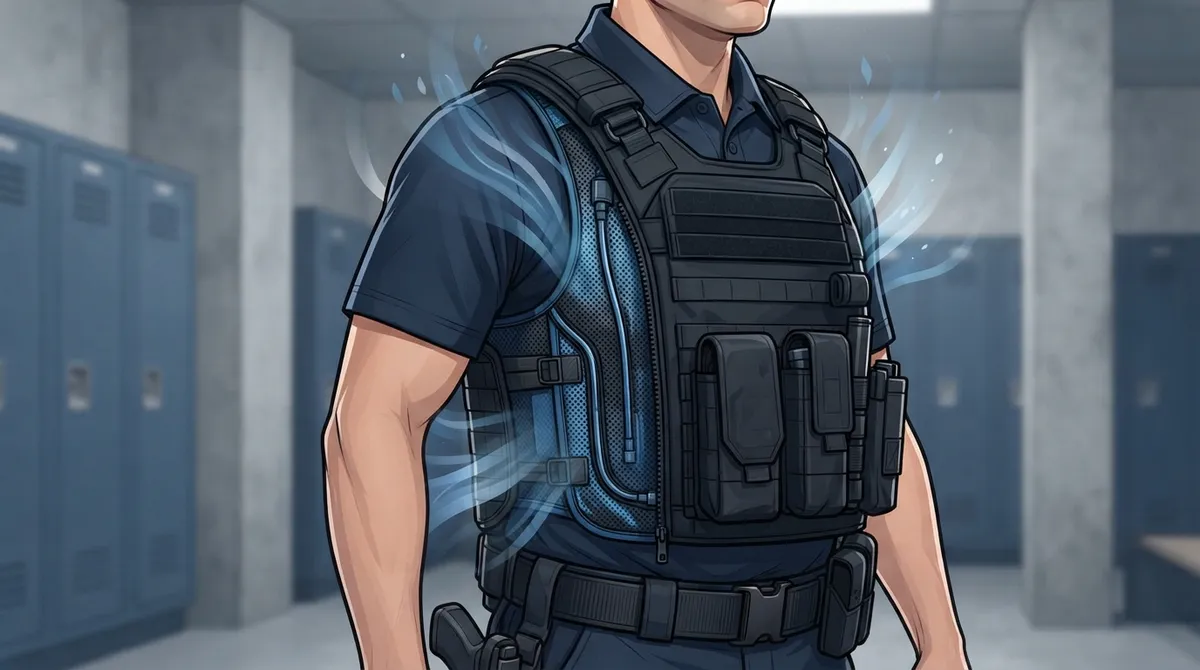
While this article focuses on firefighter cooling, the same principles apply to police officers, tactical teams, security professionals, and military personnel wearing body armor for hours at a time. If you’re curious how ventilation vests apply outside the fire service, check out our guide on preventing heat stress while wearing body armor or learn how active cooling systems work in ventilation vests. The gear may differ slightly, but overheating under heavy protective equipment is a shared challenge across every uniformed profession.
Interestingly, staying cool under pressure isn’t just a workplace issue for first responders. Facilities like Panther Pools know a thing or two about managing heat and comfort in outdoor environments too, which is a nice reminder that beating the heat is a universal goal, whether you’re on a fireground or relaxing poolside after a long shift.
Choosing the Right Vest for Your Crew
When your department is ready to invest in cooling gear, don’t just grab whatever’s cheapest. Compare products side by side using real specs. Ask vendors for test data, not just testimonials. Look at battery life, weight, attachment method, and how the vest performs during your actual rehab windows, not just in a lab.
Many departments start with a bundle to get the best of both worlds: the lightweight, on-demand lift of BluHalo combined with the long-lasting powered airflow of Blufano. You can browse both options, along with bundle pricing, in the shop. Reading through the company’s story, which began with a Chicago police officer solving his own overheating problem, might also give your crew extra confidence in the product’s real-world roots.
Final Thoughts on Firefighter Cooling
Firefighter cooling isn’t about one magic gadget. It’s about smart habits, good timing, and gear that actually earns its place on your rig. Avoid these six mistakes, lean on proven rehab practices, and choose ventilation vests designed with real firefighters in mind, and you’ll notice the difference on your next hot shift. Your body will thank you, and honestly, so will your crew, because a cooler firefighter is a sharper, safer firefighter.
Ready to upgrade your rehab routine and stay cooler on every call? Get in Touch with Our Team today to find the right ventilation solution for your department.
FAQs
Q: What is firefighter cooling, and why does it matter under turnout gear?
A: Firefighter cooling refers to the mix of rest, hydration, medical checks, and cooling gear used to manage heat buildup from heavy PPE and hard physical work. It matters because turnout gear traps heat so effectively that your core temperature can rise dangerously fast without a solid cooling plan.
Q: Do ventilation vests actually lower core body temperature, or just improve comfort?
A: Research shows it can be a bit of both, depending on conditions. Some studies found modest core temperature reductions alongside lower heart rate and perceived strain, while others found the biggest wins were in comfort and perceived coolness rather than dramatic core temperature drops.
Q: Can I wear a ventilation vest safely under my structural firefighting PPE?
A: Yes, as long as you choose a low-profile design that fits your gear without snagging or adding bulk. Vests like BluHalo are built to sit flat under body armor and turnout gear, so they shouldn’t interfere with your movement or safety equipment.
Q: When is the best time to use a cooling vest during firefighting operations?
A: Ventilation vests work best during staging, rehab breaks, overhaul, and training, times when ambient airflow can actually reach your skin. They’re less effective during intense interior attacks with sealed, impermeable gear and heavy radiant heat.
Q: How long does a firefighter cooling vest battery typically last?
A: It really depends on the system. Some fan-based vests run for several hours on a single charge, while systems like Blufano offer 8 to 32 hours depending on the fan setting, thanks to a built-in power bank designed for long shifts.