Key Takeaways
-
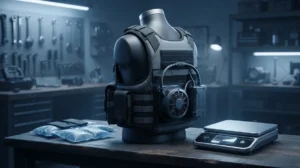
Heat-related fatalities averaged 40 deaths annually among U.S. workers (2011-2022), with nearly 75% of firefighters experiencing heat symptoms on the job, making ventilation vests critical safety equipment.
-
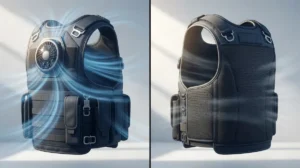
Active fan-powered vests like Blufano work during stationary tasks with 8-32 hour battery life, while inflatable air-gap vests like BluHalo provide on-demand cooling without batteries—choose based on shift length and climate conditions.
-
Passive mesh vests require no power and are machine washable but depend on body movement and air temperature, making them less effective in humid conditions compared to active systems.
-
Ventilation vests must never compromise body armor coverage or range of motion; always verify fit and compatibility with existing ballistic plates and tactical gear before daily use.
-
Studies show cooling garments reduce heat-related injury risk by 91% and measurably lower core temperature, heart rate, and skin temperature when combined with hydration, breaks, and heat safety protocols.
-
Maintenance is simple: wipe active units with damp cloth, air dry passive components, avoid submerging batteries, and check Velcro regularly to extend vest lifespan and performance during peak summer months.
Picture this: it’s a 95-degree afternoon, you’ve got 40 pounds of gear on, and your shift still has eight hours left. Sound familiar? If you’re a firefighter, EMS worker, or police officer, you already know that heat is one of the toughest parts of the job. The good news is that first responder vests built for ventilation have come a long way, and they’re helping everyday heroes stay cooler, drier, and sharper on the job.
We put together this friendly guide to help you understand what these vests actually do, how they work, and which types might fit your needs best. Whether you’re on patrol, riding in an ambulance, or gearing up for a tactical callout, we want you to feel confident about your cooling options. Let’s dig in together, no jargon overload, just honest info you can use today.
What Makes First Responder Vests Different From Regular Cooling Gear
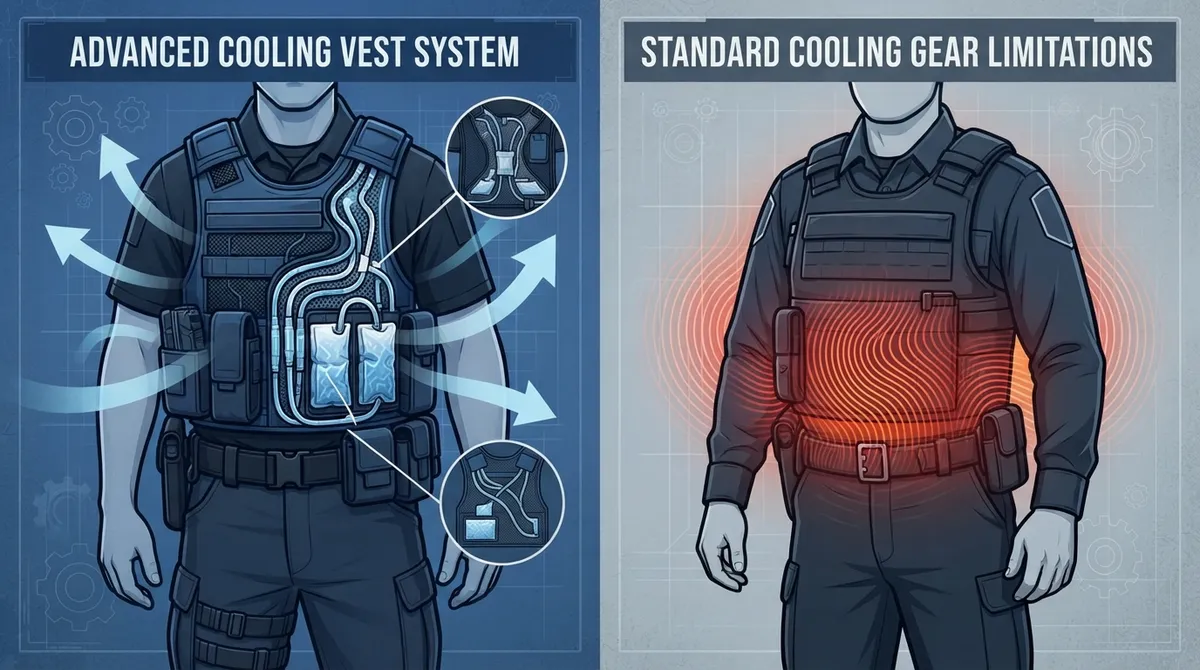
First responder vests are built to work with the gear you already wear, not against it. They sit under body armor, turnout gear, or duty belts and create space for air to move around your torso. This helps sweat evaporate and heat escape instead of getting trapped against your skin.
These vests come in two main flavors: passive and active. Passive vests use mesh, spacer fabric, or structured channels to let air flow naturally as you move. Active vests use small fans or air pumps to push air around, even when you’re standing still. Both approaches can help, but they work a little differently depending on your job and environment. If you want a deeper breakdown, check out this guide on passive versus active body armor ventilation options.
Why Heat Management Matters So Much on the Job
Heat isn’t just uncomfortable. It’s a real safety issue. The Bureau of Labor Statistics reported 479 worker deaths tied to heat exposure between 2011 and 2022, averaging about 40 fatalities every year. On top of that, there were roughly 33,890 heat-related injuries and illnesses over that same period that caused workers to miss time on the job.
For firefighters specifically, the numbers get even more eye-opening. A Japanese firefighter study found that nearly 75% of the 646 people surveyed had experienced at least one heat-related symptom on the job. Another survey of almost 800 firefighters found that about half had dealt with some kind of heat disorder. These aren’t small numbers, and they show why cooling gear matters so much for people who wear heavy protective equipment every day.
5 Types of First Responder Vests Worth Knowing About
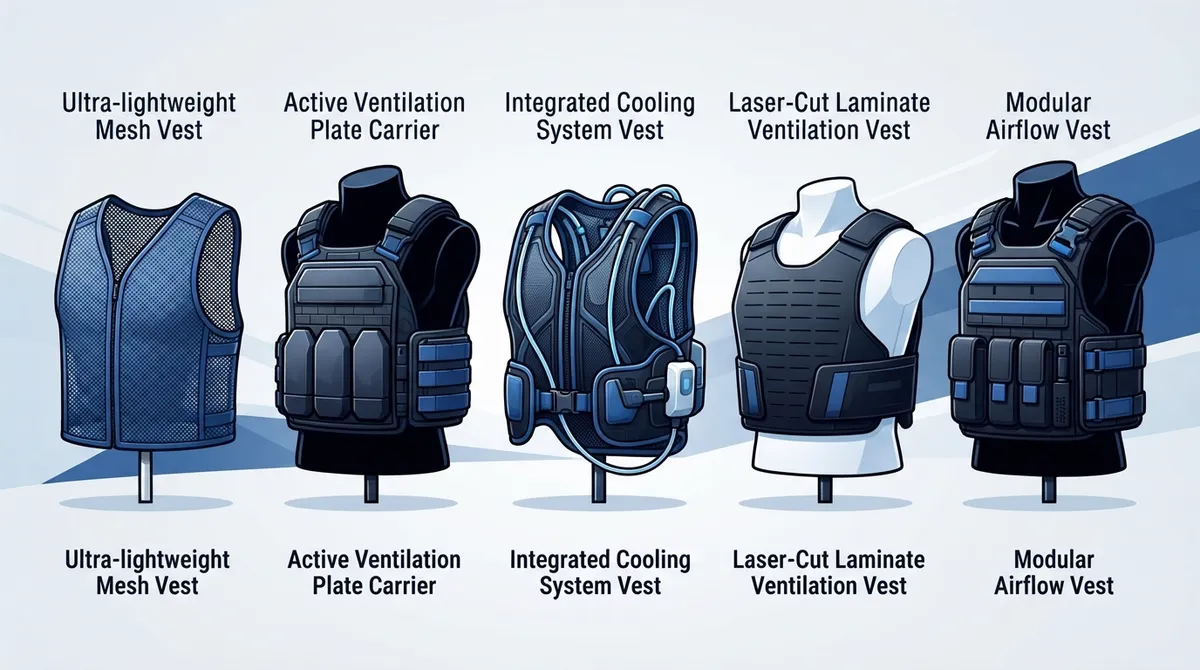
Not all ventilation vests are built the same way. Here’s a friendly rundown of the main categories you’ll come across, so you can pick what fits your work best.
1. Active Fan-Powered Ventilation Vests
These vests use small, quiet fans to pull fresh air in and push warm, moist air out. They’re great for long shifts because they keep working even when you’re sitting in a patrol car or standing at a checkpoint. Our own Blufano fan system is a great example. It slides under any style of body armor and delivers adjustable airflow for 8 to 32 hours, depending on the fan setting you choose.
Blufano also comes with a 10,000mAh power bank built right in, so you can charge your phone or radio while staying cool. It even has a forward-facing light for those early morning or late-night shifts. Officers who’ve tried it say it noticeably reduces sweat and helps them stay focused, especially on hot summer days.
2. Inflatable Air-Gap Vests
Inflatable vests work a little differently. Instead of using a fan, they create a physical air gap between your body and your armor. Our BluHalo vest is a perfect example of this approach. It weighs under 7 ounces and lies flat when deflated, but with a quick pump, it lifts your vest up to 1.5 inches off your body. That air gap makes a huge difference in how much heat gets trapped against your skin.
BluHalo was actually designed by a Chicago police officer who got tired of sweating through his shirt during long, hot shifts. It attaches to a clean vest with Velcro and deflates instantly with the push of a button, so it stays out of your way when you don’t need it. You can browse the shop to see current pricing and options.
3. Passive Mesh and Spacer Fabric Vests
If you like keeping things simple, passive vests might be your best bet. They don’t need batteries or pumps. Instead, they rely on mesh panels or spacer fabric to create small channels for air to move through. They’re lightweight, quiet, and easy to wash, which makes them popular with people who want low-maintenance gear.
The tradeoff is that passive vests depend more on your movement and the surrounding air temperature. In very humid conditions, they may not cool you down as much as active options. Still, for officers who want something simple and reliable, passive designs remain a solid choice. Learn more about how these compare in our article on mesh vest versus inflatable vest cooling.
4. Hybrid Vests With Combined Airflow Features
Some first responder vests combine elements of both passive and active designs. They might use a spacer fabric base with a small fan attachment, giving you the best of both worlds. These hybrid options are becoming more popular among tactical teams who need reliable cooling but don’t want to sacrifice mobility or add too much bulk.
If you’re on a SWAT team or work extended operations, a hybrid vest can offer flexibility. You get passive airflow during quiet moments and active cooling boost when things heat up, literally and figuratively.
5. Compact Battery-Powered Vest Fans
These are smaller, more portable cooling units that clip onto your existing gear rather than replacing your whole ventilation setup. They’re a great add-on option if you already have a vest you love but want a little extra airflow boost. Many officers pair these with existing body armor to extend comfort during those brutal 12-hour summer shifts.
Comparing First Responder Vest Options at a Glance
Here’s a quick comparison table to help you see how these options stack up side by side.
| Vest Type | Power Source | Best For | Maintenance |
|---|---|---|---|
| Active Fan (Blufano) | Rechargeable battery | Long shifts, humid climates | Charge regularly, wipe clean |
| Inflatable Air-Gap (BluHalo) | Manual pump | Quick on-demand cooling | Wipe down, no charging needed |
| Passive Mesh | None | Simplicity and low weight | Machine washable |
| Hybrid Vest | Battery + passive fabric | Tactical flexibility | Moderate upkeep |
| Compact Fan Add-On | Battery | Boosting existing gear | Charge and clean regularly |
How to Choose the Right Vest for Your Role
Picking the right vest really depends on what you do every day. Here’s a simple way to think through it.
- Consider your shift length. If you’re working 10 to 12-hour shifts, an active vest with long battery life like Blufano might serve you better than a passive option.
- Think about your climate. In humid areas, evaporative cooling doesn’t work as well, so active airflow becomes more valuable. Passive vests can still help, but you may notice less relief in sticky conditions.
- Check compatibility with your existing gear. Your vest should never interfere with ballistic plates, radios, or breathing apparatus. Always confirm fit before committing to daily use, as outlined in the National Institute of Justice’s body armor standards.
- Factor in maintenance habits. If you don’t want to deal with charging batteries, a passive or inflatable option might suit your lifestyle better.
- Set your budget. Ventilation vests range from affordable passive options to more advanced active systems. Bundle deals, like pairing BluHalo with Blufano, can offer great value if you want maximum cooling coverage.
Fit and Safety Come First, Always
No matter which vest you choose, fit matters more than anything else. A ventilation vest should never compromise the protective coverage of your body armor or turnout gear. Always check that your chosen vest doesn’t shift your plates out of place or restrict your range of motion.
It’s also worth remembering that a ventilation vest isn’t a certified protective garment on its own. It’s designed to work alongside your existing PPE, not replace any part of it. For more safety-focused reading, our guide on choosing effective first responder cooling equipment walks through what to look for.
Ventilation Vests Work Best With Other Heat Safety Habits
Here’s something we always like to remind our customers: a great ventilation vest is a powerful tool, but it works best as part of a bigger heat safety plan. Staying hydrated, taking breaks when you can, and giving your body time to adjust to hot weather all matter too.
The National Fire Protection Association recommends keeping core body temperature between 36°C and 38°C during demanding operations and recovery periods. Following your department’s official heat safety procedures alongside your cooling gear gives you the best shot at staying safe and comfortable. The OSHA Heat Stress Guide also offers helpful guidance on rest, hydration, and monitoring practices that pair well with any ventilation vest.
Studies back this up too. One controlled study found that wearing a cooling garment under encapsulating firefighter gear made people 91% less likely to reach dangerous heat thresholds during hot, humid exercise. Another 2024 study on cooling vests found measurable drops in core temperature, skin temperature, and heart rate, though results can vary depending on the specific vest and conditions.
Cleaning and Caring for Your Vest
Keeping your ventilation vest clean isn’t complicated, but it does matter for both hygiene and performance. Here’s a quick checklist:
- Wipe down active fan units with a damp cloth after each shift.
- Air dry passive mesh components fully before storing them.
- Avoid submerging battery-powered units in water.
- Check Velcro attachments regularly to make sure they still hold securely.
- Store your vest in a cool, dry place when not in use.
Taking a few minutes to care for your gear helps it last longer and keeps it working the way it should. Many of our customers say a little regular maintenance goes a long way, especially during peak summer months.
Real Stories From People Who Use These Vests Every Day
We love hearing from officers and first responders who’ve tried our vests. Many describe working 12-hour shifts in 95-degree heat and feeling a real difference once they started using BluHalo or Blufano. Some mention using their vehicle’s air conditioning combined with the fan system for even faster cooling relief. Others simply appreciate not having to change their sweat-soaked undershirt halfway through a shift.
You can read more detailed experiences on our reviews page, where real users share how ventilation vests have changed their daily routine. It’s always encouraging to see how small changes in gear can make a big difference in comfort and focus during tough shifts.
If you’re curious about the story behind our products, our about us page shares how a Chicago police officer’s frustration with overheating led to the creation of BluHalo. It’s a nice reminder that these products come from real experience, not just a lab somewhere far removed from the job.
Wrapping Up: Finding Your Perfect Cooling Match
At the end of the day, staying cool under body armor or turnout gear shouldn’t feel impossible. Whether you lean toward the on-demand air gap of BluHalo, the steady airflow of Blufano, or a simpler passive option, there’s a first responder vest out there that fits your needs. We also want to give a friendly shoutout to trusted partners in related trades, like Bucheli Trim Carpentry, who understand the value of quality craftsmanship just as much as we value quality cooling gear.
We know every shift is different, and every officer, medic, or firefighter has unique needs. That’s exactly why we built our products the way we did, with real feedback from real professionals. If you have questions about which vest might work best for you, our team would love to help you figure it out. Feel free to get in touch with our team and we’ll walk you through your options with zero pressure and plenty of patience.
Thanks so much for reading, and stay cool out there. You’ve got a tough job, and you deserve gear that works as hard as you do.
FAQs
Q: What is a first responder ventilation vest?
A: It’s a wearable cooling system worn under body armor or turnout gear that boosts airflow and reduces heat and moisture buildup. Think of it as a little breathing room for your body during long, hot shifts. Both passive and active versions exist, so there’s an option for almost everyone.
Q: How do ventilation vests help firefighters and EMS workers stay cooler?
A: They create space between your body and protective gear so sweat can evaporate and heat can escape. Active vests, like our Blufano fan system, keep air moving even when you’re standing still. This can make a real difference during those brutal 12-hour shifts in extreme heat.
Q: What is the difference between a ventilation vest and a cooling vest?
A: Ventilation vests focus on moving air around your body to help sweat evaporate naturally, while cooling vests often use ice packs or phase-change materials to actively lower your skin temperature. Both have their place, but ventilation vests tend to be lighter and easier to wear all day. If you want a deeper comparison, our ventilation versus phase-change article breaks it down nicely.
Q: Can a ventilation vest be worn under body armor or turnout gear?
A: Yes, that’s exactly what they’re designed for. Vests like BluHalo sit flat and unobtrusive until you need them, then create an air gap without interfering with your armor’s protective coverage. Just always double check fit and compatibility with your specific gear first.
Q: Are first responder ventilation vests effective in humid environments?
A: Active fan-powered vests tend to work better in humid conditions because they physically move air instead of relying on evaporation alone. Passive vests can still help, but you might notice less relief when the air is already thick with moisture. If you work in a humid climate, an active option like Blufano may be worth considering.