Key Takeaways
-
Modern tactical cooling gear uses passive ventilation (like BluHalo's inflatable design creating 1.5-inch air gaps) or active fan systems (like Blufano with 8-32 hours battery life) to prevent heat stress that impairs judgment and reaction time during critical operations.
-
Law enforcement officers should choose lightweight, low-profile vests that inflate on-demand for 8-12 hour shifts, while military personnel need durable fan-assisted systems with extended battery life for demanding field conditions and extended operations.
-
Ventilation vests complement but don't replace formal heat-illness prevention: pair them with proper hydration (balanced electrolytes, max 6 cups/hour), 7-14 day heat acclimatization, and work-rest scheduling for optimal protection.
-
When selecting tactical cooling apparel, verify manufacturer testing data, check compatibility with existing body armor, confirm battery life meets your shift length, and prioritize durability and ease of cleaning for daily use.
-
Proper fitting is critical: attach vests with clean Velcro surfaces, center positioning without restricting weapon access, test inflation/fan settings before shifts, and adjust throughout the day based on activity levels.
-
Different professions require different cooling solutions: security professionals need adaptable vests for mixed indoor/outdoor shifts, SWAT teams need rapid-response active airflow systems, and first responders benefit from layered cooling approaches with hydration protocols.
If you’ve ever finished a shift soaked in sweat under 20 pounds of body armor, you already know the problem. Traditional tactical gear apparel wasn’t built with airflow in mind. It was built to protect you, full stop. But here’s the good news: today’s tactical gear apparel has come a long way, and cooling technology now plays a huge role in how comfortable you feel on duty. Whether you’re a patrol officer sweating through a 12-hour shift, a soldier operating in triple-digit heat, or a security professional standing post for hours, the right gear can make a real difference.
This guide walks you through everything you need to know about tactical gear apparel built for heat management. We’ll cover the cooling technologies available, how to pick gear that fits your specific job, and why ventilation vests like BluHalo have become a go-to solution for so many professionals. By the end, you’ll know exactly what to look for so you can stay cooler, drier, and sharper, no matter what your day throws at you.
What Is Tactical Gear Apparel in the Cooling Space?
Tactical gear apparel covers all the clothing and wearable equipment designed for people who work in tough, high-stakes environments. Think military, law enforcement, security, and emergency response. When we talk about tactical gear apparel in the context of ventilation vests, we mean gear built specifically to manage heat and moisture while you’re wearing body armor or a plate carrier.
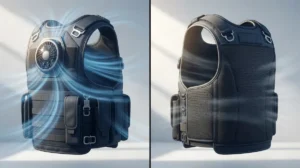
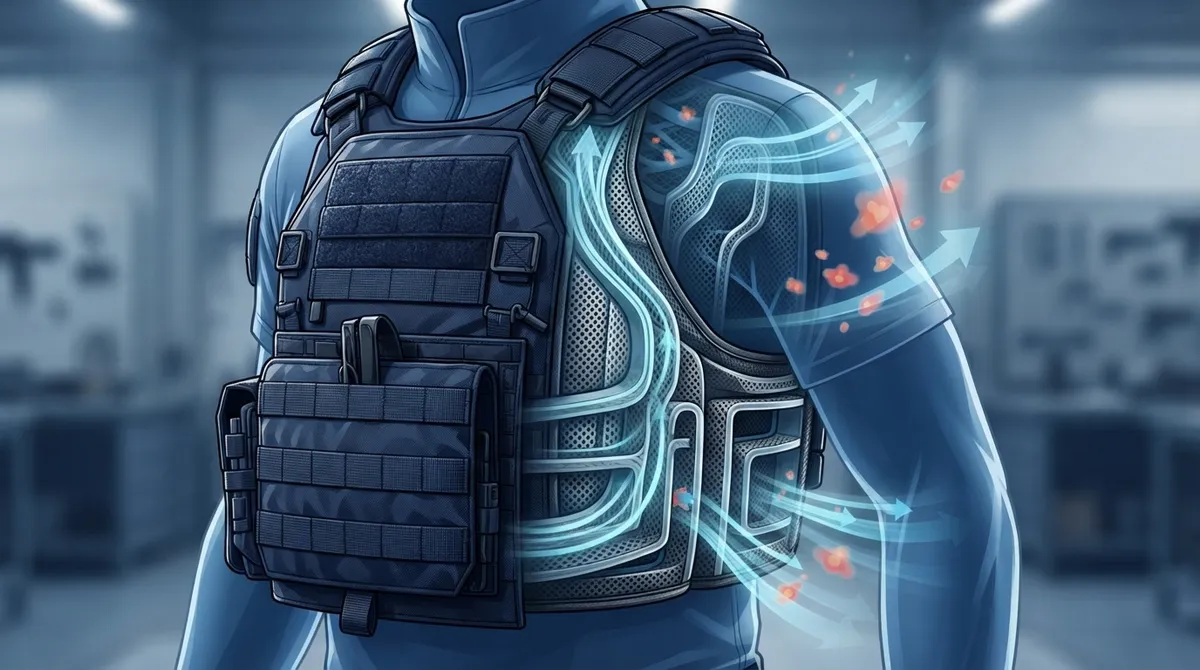
A ventilation vest is worn underneath your protective gear. Its job is simple: create a small air gap between your body and your armor. That gap lets heat and sweat escape instead of getting trapped against your skin. This isn’t about replacing your armor. It’s about making the armor you already wear feel a whole lot more livable.
Why Airflow Matters So Much Under Body Armor
Body armor is heavy, tight, and traps heat like nothing else. Your body naturally tries to cool itself through sweat evaporation, but a sealed vest blocks that process. The result? Overheating, fatigue, and reduced focus, exactly what you don’t want during a critical moment.
According to the OSHA Heat Stress Guide, heat exposure can impair judgment, slow reaction time, and increase the risk of heat-related illness. That’s a serious concern for anyone whose job depends on quick thinking and physical performance. Learning how to prevent heat stress while wearing body armor should be a priority, not an afterthought.
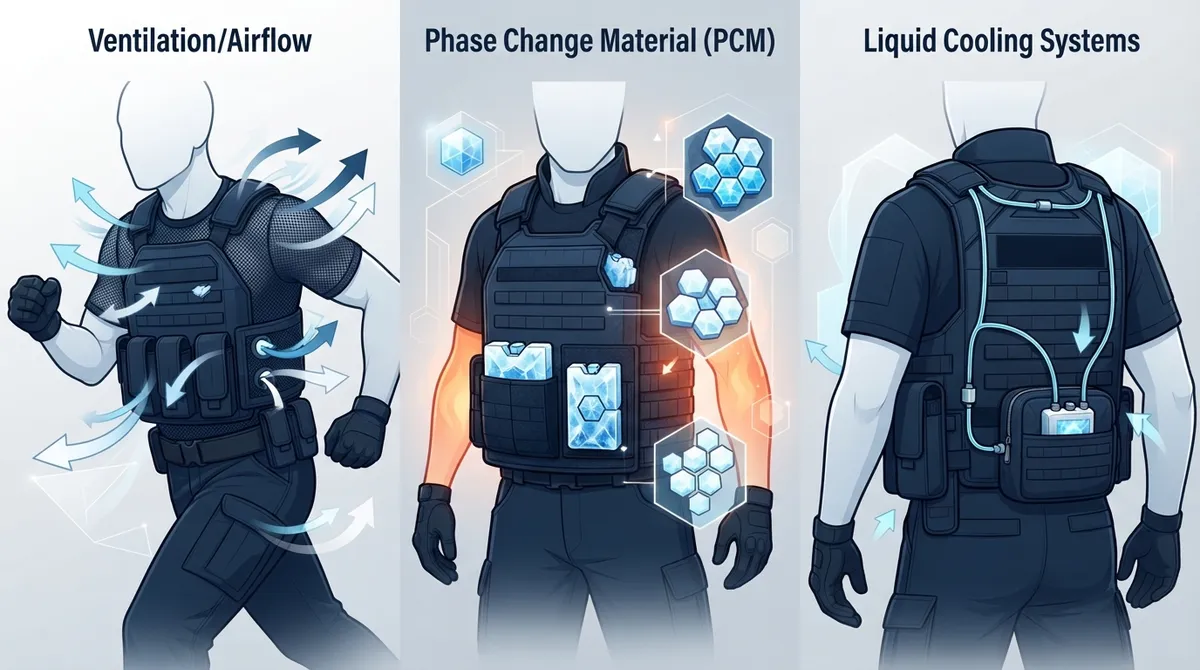
The Main Types of Cooling Technology in Tactical Gear Apparel
Not all cooling gear works the same way. Understanding the differences helps you choose the right tactical gear apparel for your specific climate and job.
- Passive ventilation vests: These use spacer materials, mesh, or inflatable air channels to lift your armor slightly off your body. No batteries needed. BluHalo is a great example, using an inflatable design that creates up to 1.5 inches of air gap on demand.
- Fan-assisted (active) systems: These use small battery-powered fans to push fresh air under your vest continuously. Blufano falls into this category, offering adjustable airflow for hours at a time.
- Evaporative cooling garments: These rely on moisture-wicking fabrics that use evaporation to pull heat away from the body. They tend to work best in dry, hot climates.
- Phase-change cooling inserts: These use gel packs or materials that absorb heat for a set period before needing to be recharged or swapped out.
A 2025 defense-clothing study found that evaporative cooling vests provided mild, sustained cooling for up to 3.5 hours at 35°C under lab testing conditions (Georgievska et al., 2025). Meanwhile, NIOSH notes that cooling vests using ice packs can offer up to four hours of relief in hot, humid conditions, though two to three hours before pack replacement is more typical.
Comparing Cooling Technologies
| Cooling Type | Best For | Battery Required | Typical Duration |
|---|---|---|---|
| Passive Ventilation (BluHalo) | All climates, quick comfort boost | No | All-day, on demand |
| Fan-Assisted (Blufano) | Humid, high-heat conditions | Yes | 8-32 hours per charge |
| Evaporative Fabric | Hot, dry environments | No | Varies with humidity |
| Phase-Change Inserts | Short bursts of intense heat | No | 2-4 hours |
If you want to dig deeper into how these systems stack up, check out our comparison on passive versus active tactical vest ventilation.
How to Choose the Right Tactical Gear Apparel for Your Role
Different jobs come with different heat challenges. Here’s how to think through your choice based on your specific role.
For Law Enforcement Officers
Patrol officers often wear the same vest for 8 to 12 hours straight, sitting in patrol cars, walking beats, and responding to calls. Comfort and moisture control matter just as much as cooling power. A lightweight, low-profile vest like BluHalo works well because you can inflate it when you need airflow and deflate it flat when you’re getting in and out of your vehicle. Many officers also look into optimal cooling for tactical vests as a daily comfort upgrade rather than an occasional fix.
For Military Personnel
Deployed soldiers face extreme heat with heavier loads and longer mission times. Durability and long-lasting airflow become the priority. Fan-assisted systems like Blufano, with 8 to 32 hours of adjustable airflow and a built-in power bank, are especially useful for extended operations where recharging opportunities are limited. Learn more about why soldiers need tactical vest ventilation in demanding field conditions.
For Security Professionals
Security guards and protective detail specialists often stand for long stretches, sometimes indoors and outdoors on the same shift. A vest that adapts to changing conditions, like inflating for outdoor posts and deflating indoors, gives the flexibility this job demands.
For Tactical and SWAT Teams
High-intensity operations mean heavy gear and short bursts of extreme exertion. Cooling needs to work fast without adding bulk or restricting movement. This is where active airflow systems shine, since fan-assisted cooling responds quickly during rapid heat buildup.
For Emergency Response Personnel
Firefighters, hazmat teams, and first responders face some of the harshest heat conditions of any profession. Layered protective gear traps heat fast, so any cooling advantage counts. Many teams pair ventilation vests with proper hydration and work-rest scheduling for the best results.
Step-by-Step: Fitting Tactical Gear Apparel Under Your Armor
Getting the fit right matters just as much as picking the right technology. Follow these steps for the best results.
- Start with a clean, dry vest surface. Most ventilation vests, including BluHalo, attach with Velcro, so a clean surface helps it stick securely.
- Position the ventilation vest centered on your back or chest, depending on the design, making sure it doesn’t interfere with weapon access or belt equipment.
- Check your range of motion. Raise your arms, reach for your duty belt, and simulate a few common movements to confirm nothing feels restricted.
- Test the inflation or fan settings before your shift starts, not during a call. This way you know exactly how it feels and performs.
- Adjust as needed throughout your shift. Deflate when you’re seated for long periods, then reinflate when you’re active again.
For a deeper walkthrough, see our guide on how to use the BluHalo ventilation vest for maximum comfort.
What to Look for When Buying Tactical Cooling Apparel
With so many options out there, here’s a simple checklist to guide your decision.
- Compatibility with your existing body armor, plate carrier, or duty belt setup
- Weight and bulk, since anything too heavy defeats the purpose
- Battery life or on-demand inflation speed, depending on the system type
- Durability of materials, especially for daily use in tough conditions
- Ease of cleaning and maintenance
- Manufacturer testing data or third-party verification of cooling claims
Speaking of testing data, always read the fine print on cooling claims. One manufacturer reported a 23°F lower surface temperature compared to a control group, along with 97% more airflow from a redesigned strap system. These are manufacturer-reported results from specific testing conditions, so they shouldn’t be assumed to apply universally. Still, they show how far cooling technology in tactical gear apparel has come. You can also review real user feedback in our collection of customer reviews to get a sense of everyday performance.
Ventilation Vests vs. Formal Heat-Stress Protection
It’s important to set the right expectations. Ventilation vests improve comfort and reduce sweat buildup, but they aren’t a substitute for formal heat-illness prevention protocols. According to NIOSH’s guidance on body armor standards and occupational heat exposure, cooling vests should complement, not replace, hydration, acclimatization, and work-rest scheduling.
NIOSH also recommends gradual heat acclimatization over 7 to 14 days for anyone entering hot environments regularly. And for prolonged sweating lasting more than two hours, European workplace heat guidance suggests drinks with balanced electrolytes, generally not exceeding six cups per hour. Pairing smart hydration habits with the right tactical gear apparel gives you the best overall protection against heat stress.
Why BluHalo and Blufano Stand Out in Tactical Cooling Apparel
When it comes to combining comfort, durability, and simplicity, BluHalo and Blufano lead the pack. BluHalo weighs under 7 ounces, sits flat when deflated, and lifts your armor up to 1.5 inches off your body when inflated. It was designed by a Chicago police officer who understood firsthand what it feels like to sweat through a 12-hour shift in 95-degree heat. That kind of real-world experience shows in the product’s simple pump-and-release design.
Blufano takes things further with a self-contained fan system, a patented air-redirect spout, and a built-in 10,000mAh power bank that can also charge your phone or other devices. With 8 to 32 hours of adjustable airflow, it’s built for professionals who need dependable cooling all shift long. Many customers combine both products for maximum performance, since passive lift and active airflow work well together. You can browse both options anytime in the shop or compare them directly in our BluFano vs BluHalo comparison.
Maintenance Tips to Extend the Life of Your Cooling Gear
Taking care of your tactical gear apparel keeps it working well for years. Follow these simple habits.
- Wipe down your vest surface after each shift to remove sweat and debris
- Check Velcro attachments regularly to ensure a secure fit
- Charge fan systems fully before long shifts to avoid mid-shift power loss
- Store your gear in a cool, dry place when not in use
- Inspect for wear and tear on straps, seams, and connectors every few months
Bringing It All Together
Tactical gear apparel has evolved way beyond basic fabric and straps. Today’s cooling technology genuinely helps professionals stay comfortable, focused, and ready for whatever the job demands. Whether you choose a passive ventilation vest, an active fan system, or a combination of both, the goal stays the same: give your body a fighting chance against heat buildup.
If you’re ready to upgrade your comfort on duty, our team would love to help you find the right fit. Reach out to our team today and let’s get you set up with cooling gear that actually works for your job.
FAQs
Q: What is tactical gear apparel, and how do ventilation vests fit into it?
A: Tactical gear apparel covers clothing and wearable equipment for military, law enforcement, security, and emergency response professionals. Ventilation vests are a key part of that world, worn under body armor to create airflow and keep you cooler and drier during long shifts.
Q: Can a ventilation vest be worn under body armor or a plate carrier?
A: Absolutely, that’s exactly what they’re designed for! Vests like BluHalo attach right onto your armor with Velcro and stay low-profile until you need that extra airflow.
Q: How long does a tactical cooling vest remain effective?
A: It really depends on the type. Passive vests like BluHalo work on demand for as long as your shift lasts, while fan-assisted systems like Blufano offer 8 to 32 hours of adjustable airflow depending on your settings.
Q: Do ventilation vests reduce heat stress under tactical gear?
A: They can definitely help with comfort and sweat reduction, but they work best alongside good hydration and rest breaks. Think of them as one important piece of a bigger heat-safety puzzle, not a total replacement for smart heat habits.
Q: What should law enforcement officers look for when choosing a ventilation vest?
A: Look for something lightweight, easy to attach, and comfortable during long shifts. Officers especially love vests that inflate on demand and deflate flat, so it feels barely there until you actually need the cooling boost.