Key Takeaways
-
Heat trapped under body armor impairs decision-making and reduces physical performance according to OSHA guidelines, making ventilation a safety issue not just a comfort upgrade for officers and tactical professionals.
-
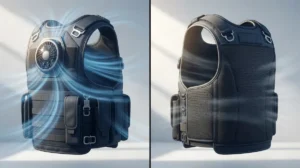
BluHalo inflatable vest liner creates up to 1.5 inches of air gap at just $60 and 7 ounces, offering lightweight passive ventilation on-demand without compromising ballistic protection or profile.
-
Blufano active fan system delivers 8-32 hours of battery-powered cooling with adjustable airflow, ideal for extreme heat and long shifts where passive ventilation alone is insufficient.
-
Proper vest fit, moisture-wicking base layers, and correct layering order (skin, base layer, ventilation vest, armor) are essential to maximize airflow effectiveness regardless of which system you choose.
-
Well-designed ventilation systems sit between body and armor without altering ballistic panels, so they maintain full NIJ protection standards while improving thermal management and reducing heat-related illness risk.
-
For extreme heat environments over 8-12 hours, active ventilation like Blufano outperforms passive systems, while BluHalo works best for mild conditions or active movement roles.
If you wear body armor every day, you already know the struggle. The heat builds up fast. Sweat soaks through your shirt. By mid-shift, your focus starts slipping — not because of the job, but because you’re just so hot. Sound familiar? You’re not alone. Improving air circulation under a bulletproof vest is one of the most important comfort upgrades any officer, soldier, or security professional can make. And the good news? In 2026, there are more smart, effective solutions than ever before. This article breaks down exactly how vest ventilation works, what your options are, and how to choose the right system for your needs. Whether you’re on a 12-hour patrol in July or a long tactical operation in the desert heat, understanding airflow under your armor can genuinely change your day — and your career.
Why Air Gets Trapped Under Body Armor
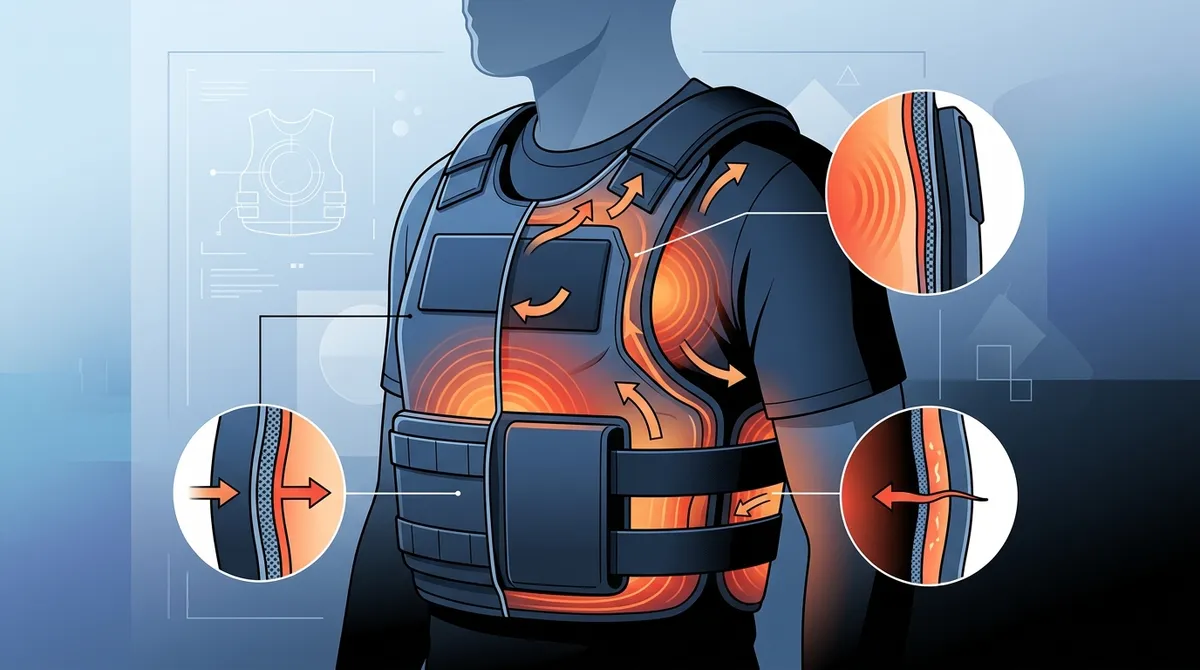
Body armor is designed to stop threats. But that same tight, close-fitting design also traps heat. When a vest sits flat against your body, there’s no space for warm air to escape. Your skin keeps generating heat and moisture, but it has nowhere to go. This creates what experts call a heat microclimate — a pocket of hot, humid air stuck between your skin and the armor.
According to the OSHA Heat Stress Guide, prolonged heat exposure can impair decision-making, reduce physical performance, and increase the risk of heat-related illness. For someone wearing body armor in a high-stakes environment, that’s a serious concern. Better fresh air circulation under body armor isn’t just a comfort perk — it’s a safety issue.
Passive vs. Active Ventilation: What’s the Difference?
There are two main approaches to improving air circulation under a bulletproof vest. Understanding the difference helps you pick the right solution for your situation. Let’s break them down simply.
Passive Ventilation
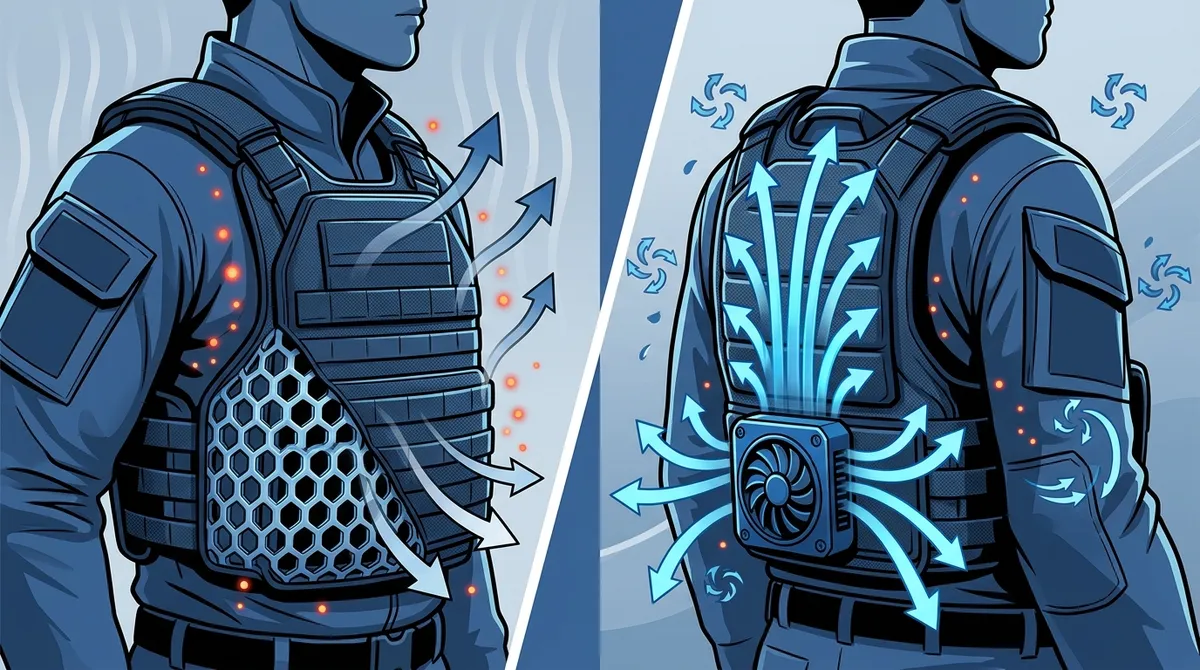
Passive systems don’t use motors or power. Instead, they rely on design features to encourage natural airflow. Common examples include:
- Mesh panels — Allow some air movement through the fabric itself
- 3D spacer fabrics — Create a small gap between your skin and the vest
- Built-in air channels — Guide airflow vertically or front-to-back through the vest
- Foam or rigid spacer layers — Lift the armor slightly off your body to allow heat to escape
Passive ventilation is lightweight and silent. It works best in cooler conditions or when you’re moving around regularly. However, on very hot days or during static duties, it may not provide enough relief on its own. You can explore the passive vs. active body armor ventilation comparison to dig deeper into the differences.
Active Ventilation
Active systems use battery-powered fans or pumps to force air movement. Instead of waiting for natural convection, these systems pull cool air in and push warm, humid air out. The results are faster and more consistent — especially during long, hot shifts. The passive vs. active tactical vest ventilation debate often comes down to just how hot your environment gets.
| Feature | Passive Ventilation | Active Ventilation |
|---|---|---|
| Power Required | No | Yes (battery) |
| Cooling Power | Moderate | High |
| Weight | Very light | Light to moderate |
| Best For | Mild heat, active movement | Extreme heat, long shifts |
| Noise Level | Silent | Very quiet |
| Cost | Lower | Moderate to higher |
How Ventilation Vests Create Airflow
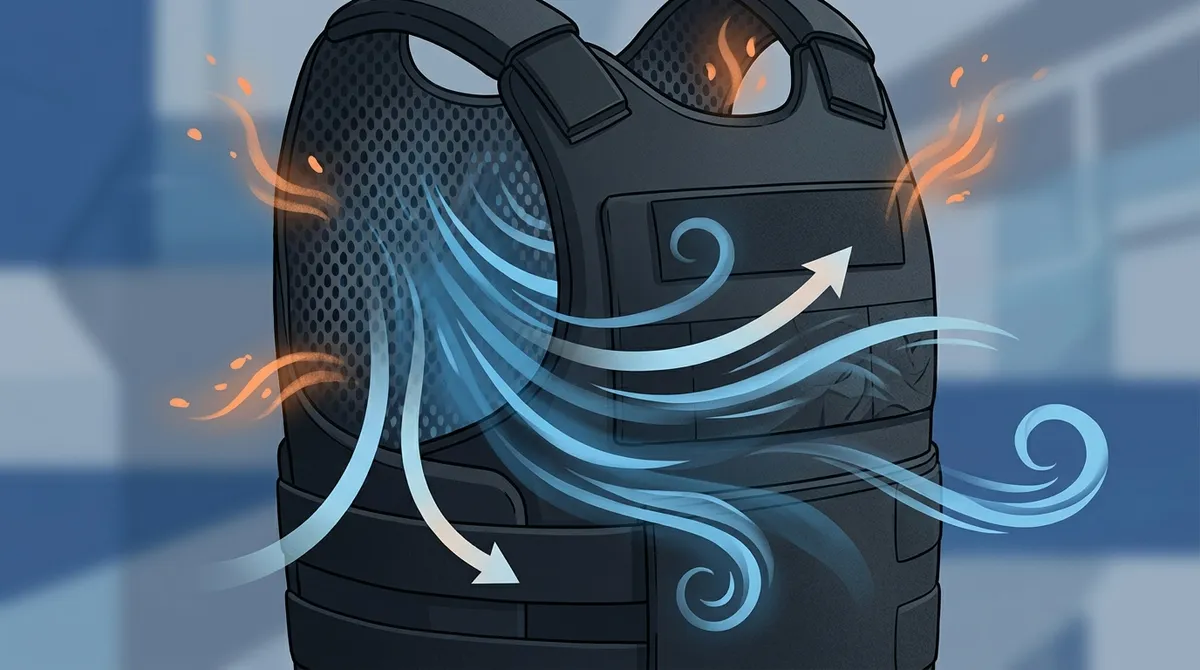
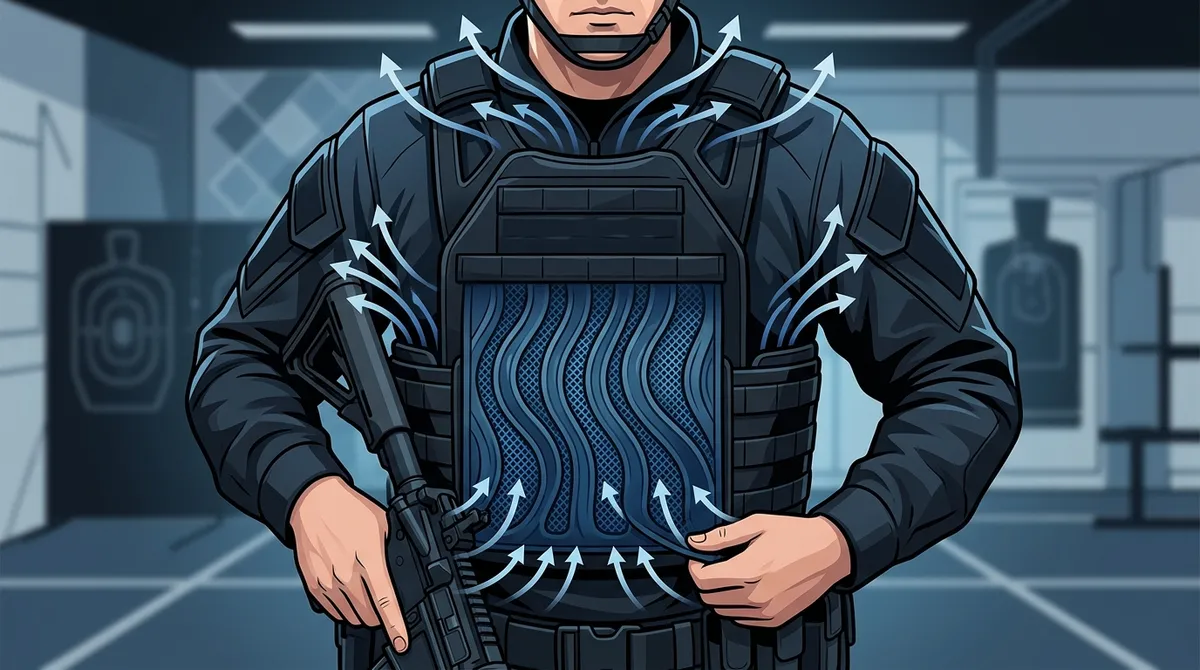
A ventilation vest works by creating a physical gap between your skin (or undershirt) and the inside surface of your body armor. This gap is the key. Even a small separation — as little as an inch or so — allows warm air to rise and escape while cooler air flows in from below.
Some designs use structured foam or inflatable bladders to lift the armor. Others use rigid 3D mesh that holds its shape even under pressure. The goal in every case is the same: break the seal between your body and the vest so that heat has somewhere to go. If you want to understand the mechanics in more detail, how plate carrier ventilation actually works is a great resource to explore.
The Role of Moisture Management
Heat is only half the problem. Moisture — sweat — makes everything worse. When sweat has no way to evaporate, it stays on your skin, raising discomfort levels and increasing chafing and irritation. Good ventilation systems also help with moisture management by encouraging evaporation through airflow. Some vests use moisture-wicking fabrics alongside their ventilation features for even better results. Check out the guide on moisture-wicking vests for body armor comfort for more tips.
Meet the BluHalo and Blufano: Smart Solutions for 2026
When it comes to improving air circulation under a bulletproof vest, two products stand out in 2026: the BluHalo ventilation vest and the Blufano fan system.
BluHalo Ventilation Vest
The BluHalo was created by a Chicago police officer who was tired of overheating on the job. It’s an inflatable vest liner that sits under your body armor and lifts it up to 1.5 inches off your body when inflated. This creates a real air gap for heat and moisture to escape. It weighs under 7 ounces and lies completely flat when deflated, so it doesn’t bulk up your profile. You can inflate it on demand and deflate it instantly with a button. It’s made from double-layer high-strength polyethylene, and it attaches easily to your vest with Velcro. At just $60, it’s an affordable, low-profile passive ventilation solution. You can learn more in the guide on how to use the BluHalo ventilation vest for maximum comfort.
Blufano Fan System
The Blufano takes things to the next level with active cooling. It’s a self-contained fan unit with a patented air-redirect spout that slides under any style of body armor. It delivers adjustable fan-driven airflow for 8 to 32 hours depending on the fan speed setting. It includes a built-in 10,000mAh power bank — so it can also charge your USB devices — plus a forward-facing light for hands-free use in low-light situations. Users report faster cooling when using vehicle AC, reduced sweat, and better focus throughout their shifts. See how it compares in the Blufano fan system vs. passive cooling breakdown.
| Feature | BluHalo | Blufano |
|---|---|---|
| Type | Passive (inflatable) | Active (fan-powered) |
| Weight | Under 7 oz | Compact, duty-rated |
| Battery Life | N/A | 8–32 hours |
| Air Gap | Up to 1.5 inches | Fan-driven airflow |
| Extra Features | On-demand inflation | USB power bank + light |
| Price | $60 | See shop |
| Best For | Lightweight daily carry | Extreme heat, long shifts |
Want both? You can bundle the BluHalo and Blufano together at a discount for maximum cooling performance. Visit the shop to explore all available options.
Who Benefits Most From Vest Ventilation?
Pretty much anyone who wears body armor regularly can benefit. But certain roles feel the heat more than others. Here’s a quick look at who gains the most from better air circulation under a bulletproof vest:
- Law Enforcement Officers — Long patrol shifts in all weather conditions make daily cooling essential. Read more about why police officers need a ventilation vest.
- Military Personnel — Deployed in high-heat environments wearing heavy tactical armor, soldiers need consistent thermal management. Explore how to choose a military cooling vest.
- Security Professionals — Armed guards standing posts in outdoor heat for hours need reliable relief. See the guide on staying cool in body armor for security guards.
- SWAT and Tactical Teams — High-intensity operations with heavy gear demand advanced cooling to maintain peak performance.
- Emergency Responders — Firefighters and hazmat teams in extreme heat need every advantage to stay safe. Check out how to choose emergency responder gear that keeps you cool.
Does Ventilation Affect Ballistic Protection?
This is a very fair question, and it’s one of the most important ones to answer clearly. A well-designed ventilation layer sits between your body and the armor — it does not replace or alter the armor itself. Your ballistic panels stay exactly where they’re supposed to be. The Body Armor Standards from the National Institute of Justice apply to the armor panels themselves, not the comfort layers worn underneath.
That said, it’s always smart to check with your agency or manufacturer to ensure any added layer is compatible with your specific armor system. A good ventilation vest should never compromise your protection — it should only make it easier to wear. Learn more about why breathable body armor matters and how to find the right balance.
Tips for Maximizing Air Circulation Under Your Vest
Beyond choosing the right ventilation system, a few simple habits can make a big difference in how cool and comfortable you stay on the job.
- Wear a moisture-wicking base layer — This pulls sweat away from your skin before airflow can carry it away
- Ensure proper vest fit — An overly tight vest restricts airflow even with a ventilation system in place
- Use vehicle AC strategically — With an active system like Blufano, vehicle air conditioning charges the cooler air that gets pushed under your armor
- Stay hydrated — Good hydration reduces your core temperature and helps your body manage heat naturally
- Clean your ventilation vest regularly — Clogged mesh or fabric reduces airflow effectiveness over time
For a deeper dive, the guide on body armor fit and airflow tips for all-day comfort covers everything you need to know.
Common Mistakes to Avoid
Even with a great ventilation system, a few common mistakes can cancel out the benefits. Here are the biggest ones to watch out for:
- Choosing the wrong vest size — Too tight and there’s no room for air to move; too loose and the armor shifts around
- Ignoring maintenance — Dirty or compressed ventilation materials perform poorly over time
- Relying only on passive systems in extreme heat — In 95°F weather during a 12-hour shift, passive ventilation alone often isn’t enough
- Not layering correctly — The order matters: skin, then base layer, then ventilation vest, then body armor
Avoid these pitfalls and you’ll get much more out of whatever cooling system you choose. The article on 7 mistakes to avoid with a body armor ventilation system goes into even more helpful detail.
Making the Right Choice for Your Role
Choosing the right air circulation solution comes down to three things: your environment, your shift length, and your personal comfort priorities. Here’s a simple guide to help you decide:
| Your Situation | Recommended Solution |
|---|---|
| Mild heat, shorter shifts | BluHalo inflatable vest liner |
| Extreme heat, 8–12 hour shifts | Blufano active fan system |
| Both mild and extreme conditions | BluHalo + Blufano bundle |
| Budget-conscious first purchase | BluHalo at $60 |
| Tactical/SWAT high-intensity ops | Blufano with active airflow |
| Emergency response extreme heat | Blufano with USB power bank |
If you’re still not sure which product fits your needs best, the guide on how to choose the right body armor ventilation vest in 2026 walks you through every factor step by step. You can also check out real user reviews from professionals in the field who’ve made the switch.
Conclusion: Stay Cool, Stay Sharp
Heat under body armor is a real problem — but it’s a solvable one. Good air circulation under a bulletproof vest can reduce sweating, prevent heat stress, and help you stay focused during the moments that matter most. Whether you go with a passive inflatable option like BluHalo or upgrade to the active cooling power of Blufano, the right ventilation system can genuinely transform how you feel on the job. You work hard to protect others — you deserve to be comfortable while you do it. Don’t let trapped heat slow you down. Reach out to our team if you have questions about which solution is right for you, and take the first step toward a cooler, more comfortable shift today.
FAQs
Q: What is air circulation under a bulletproof vest?
A: Air circulation under a bulletproof vest refers to the movement of air between your body and the inside surface of your body armor. This airflow helps release trapped heat and moisture, reducing discomfort during long shifts. Ventilation vests and fan systems are designed specifically to create and maintain this airflow.
Q: Do ventilation systems under body armor affect ballistic protection?
A: Nope — a good ventilation layer sits between your body and your armor without changing the armor itself. Your ballistic panels stay exactly in place, so your protection is fully maintained. Always check with your agency or armor manufacturer to confirm compatibility with your specific system.
Q: What is the difference between passive and active vest ventilation?
A: Passive ventilation uses design features like mesh, spacer fabrics, or inflatable layers to create an air gap without any power source. Active ventilation uses battery-powered fans to force air movement for stronger, more consistent cooling. Active systems like the Blufano are great for extreme heat and longer shifts.
Q: Can I wear a ventilation vest with an external plate carrier?
A: Yes! Most ventilation vests and systems are designed to work with both internal armor vests and external plate carriers. Products like the Blufano have a patented spout that slides under any style of body armor, making them very versatile across different gear setups.
Q: Are ventilation vests worth it for police officers and security professionals?
A: Absolutely — especially if you’re wearing body armor for eight or more hours a day in warm weather. Better air circulation under a bulletproof vest reduces sweating, skin irritation, and fatigue, which helps you stay focused and comfortable throughout your entire shift. Many officers who try them say they wouldn’t go back to wearing armor without one.