Key Takeaways
-
Military cooling vests significantly reduce heat stress, using liquid cooling, phase change materials, and active ventilation to maintain optimal body temperature during high-intensity missions.
-
Weight and profile are critical when selecting a cooling vest; look for solutions under one pound that integrate seamlessly with body armor and tactical gear.
-
Different operational scenarios require specific cooling technologies: ventilation systems work best for long shifts, while liquid/PCM systems excel in short, extreme heat missions.
-
Proper maintenance is essential for cooling vest longevity, including regular cleaning, battery care, and careful handling of specialized components like tubes and cooling packs.
-
Real-world testing shows cooling vests can reduce core temperature by 1.5°F and extend heat tolerance by 20-30%, making them crucial for maintaining performance in challenging environments.
-
Emerging technologies like smart cooling systems with automatic temperature sensors promise even more advanced and adaptive cooling solutions for military and law enforcement personnel.
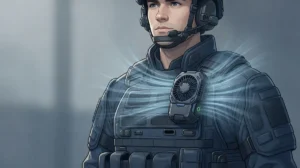
When you’re wearing body armor in extreme heat, every degree matters. Whether you’re on patrol in the desert, standing guard in scorching temperatures, or conducting high-intensity operations, heat stress can compromise your performance and safety. Military cooling vests have become essential gear for soldiers, law enforcement officers, and security professionals who need to stay sharp and comfortable under heavy protective equipment.
The right cooling vest can reduce your core temperature, prevent heat exhaustion, and help you maintain peak performance during extended missions. But with so many options available in 2026—from liquid cooling systems to phase change materials and ventilation technology—how do you choose the one that truly fits your operational needs?
This guide walks you through everything you need to know about selecting a military cooling vest that works with your body armor, matches your mission requirements, and delivers reliable cooling when you need it most. Let’s dive into what makes these systems work and how to find your perfect match.
Understanding Military Cooling Vest Technology
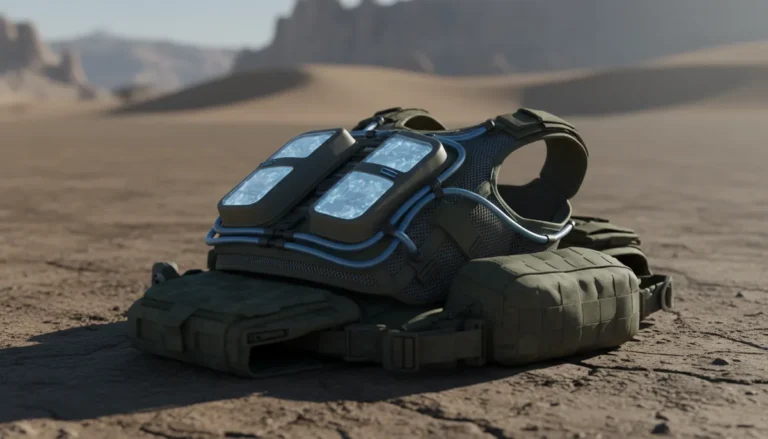
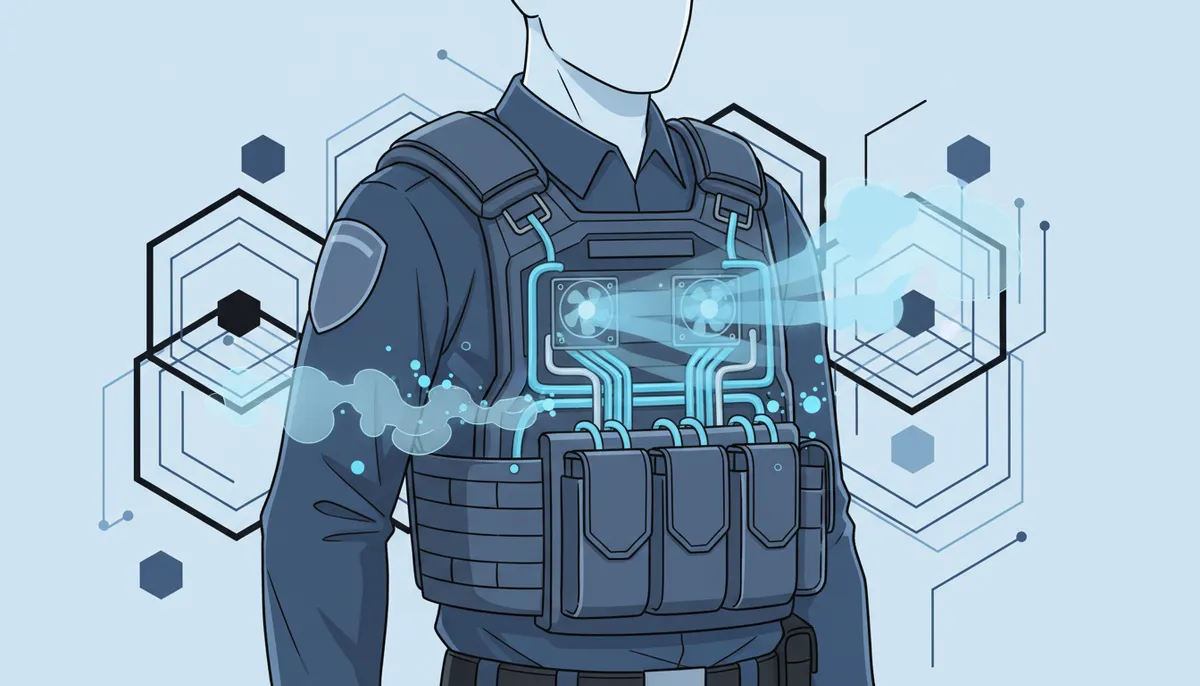
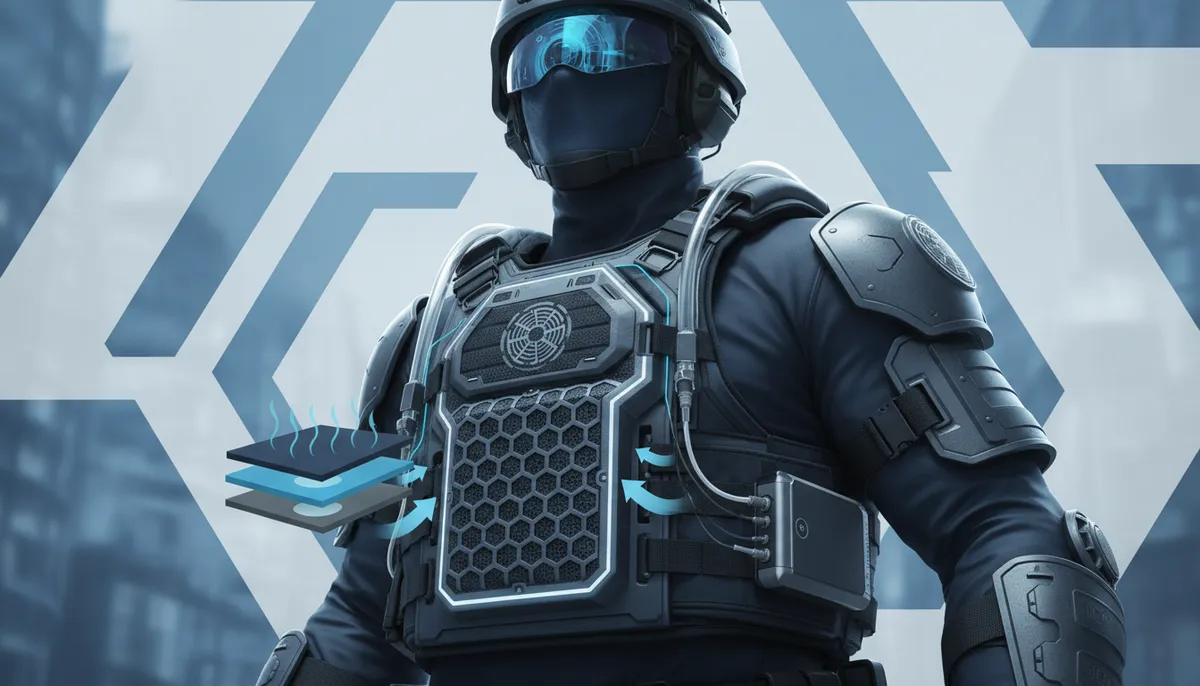
Military cooling vests use three main technologies to manage heat under body armor: liquid cooling, phase change materials, and active ventilation. Each approach has unique strengths depending on your operational environment and mission duration.
Liquid cooling garments circulate chilled water through tubes against your skin, extracting heat efficiently. Recent developments from DEVCOM Soldier Center show new liquid cooling vests that are nearly 30% more efficient in heat extraction and 15% lighter than previous models using Thermocore® tubing technology. These systems excel in extreme heat but require ice or refrigeration for preparation.
Phase change material (PCM) vests use freezer-charged packs that maintain a constant temperature as they melt. The Texas Cool Vest’s Military Cool Vest maintains 65°F for approximately 2.5 hours using PCM packs that charge in just 20 minutes in ice water. These offer simplicity and predictable cooling duration without batteries or pumps.
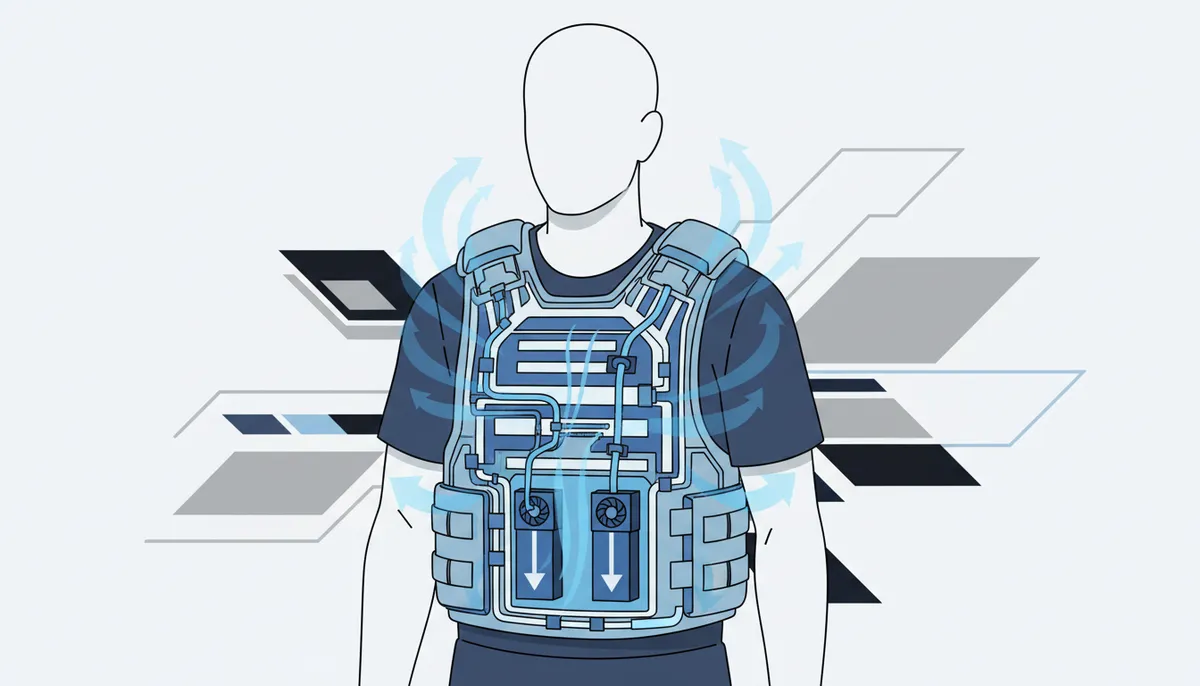
Active ventilation systems like the BluHalo and Blufano create airflow under body armor to prevent heat buildup. These lightweight solutions continuously move air against your skin, reducing moisture and trapped heat throughout your entire shift. Unlike liquid or PCM systems that deplete over time, ventilation vests provide constant cooling relief as long as you’re wearing them.
Key Features That Matter Most
When selecting a military cooling vest, certain features directly impact your comfort and operational effectiveness. Understanding these elements helps you make an informed decision.
Weight and profile are critical considerations. You’re already carrying body armor, ammunition, communication equipment, and other tactical gear. Adding several pounds of cooling equipment can increase fatigue. Look for solutions under one pound that sit flat against your body. The BluHalo weighs under 7 ounces and lies completely flat when not inflated, making it one of the most low-profile options available.
Duration of cooling determines whether a vest will last through your entire shift or mission. Liquid and PCM systems typically provide 2-4 hours of cooling before requiring recharging or ice replacement. Ventilation systems with battery-powered fans can run 8-32 hours depending on settings, like the Blufano system with its 10,000mAh power bank.
Integration with body armor matters tremendously. Your cooling vest must work seamlessly with your specific armor setup without interfering with plate carriers, straps, or quick-release mechanisms. Systems that attach with Velcro or slip between your undershirt and armor typically offer the best compatibility across different armor types.
| Cooling Technology | Cooling Duration | Weight | Recharge Time | Best For |
|---|---|---|---|---|
| Liquid Cooling | 2-4 hours | 2-4 lbs | 30-60 minutes | Extreme heat, short missions |
| Phase Change Material | 2-3 hours | 3-5 lbs | 20-30 minutes | Predictable duration needs |
| Active Ventilation | 8-32 hours | Under 1 lb | USB charging | Extended shifts, all-day wear |
| Passive Ice Systems | 3-4 hours | 4-6 lbs | Overnight freezing | High-intensity short operations |

Matching Cooling Technology to Your Mission Requirements
Different operational scenarios demand different cooling approaches. Your mission profile should guide your technology choice.
For patrol officers working 8-12 hour shifts in moderate to hot climates, active ventilation systems provide the best value. These systems deliver continuous cooling without mid-shift recharging. Officers in Chicago, Phoenix, and Miami report staying comfortable throughout entire shifts using ventilation vests under their body armor, even during summer months exceeding 95 degrees.
Military personnel on short, high-intensity missions in extreme heat environments may prefer liquid cooling or PCM systems. Special operations teams conducting 2-4 hour operations in desert conditions benefit from the aggressive cooling these technologies provide. The ICEPLATE® system from Qore Performance integrates with body armor and provides passive ice-based cooling while preventing heat injuries.
Security professionals standing post for extended periods need lightweight, long-duration solutions. Armed security guards and protective detail specialists often choose ventilation systems because they maintain comfort without adding significant weight or requiring break time for recharging. The ability to adjust airflow with a control knob lets you match cooling intensity to current conditions.
Environmental Considerations
Your operating environment significantly influences which cooling technology performs best. Desert operations with dry heat respond differently than humid tropical conditions.
In dry, hot climates above 100°F, evaporative cooling works exceptionally well. Ventilation systems that move air across sweat-moistened skin provide remarkable cooling in low-humidity environments. The airflow helps evaporate perspiration efficiently, creating a natural cooling effect that feels refreshing throughout your shift.
Humid environments require different approaches since sweat doesn’t evaporate as readily. Liquid cooling and PCM systems that don’t rely on evaporation often perform better in tropical or coastal regions with high humidity. These technologies cool through direct heat absorption rather than evaporative processes.
Cold weather operations still benefit from ventilation. Even in winter, body armor traps heat during physical activity, causing uncomfortable sweating that turns cold when you stop moving. Adjustable ventilation systems let you prevent overheating during activity while quickly shutting off airflow during stationary periods.
Installation and Integration With Body Armor
The best cooling vest is worthless if it doesn’t integrate smoothly with your existing tactical gear. Proper installation ensures maximum cooling efficiency and comfort.
Most ventilation vests attach directly to your body armor’s interior surface using hook-and-loop (Velcro) fasteners. Clean your armor’s inner surface with alcohol wipes before attachment to ensure strong adhesion. Position the vest to cover your core area—chest, back, and sides—where heat buildup occurs most intensely.
Follow these steps for optimal installation:
- Remove your body armor and lay it flat with the interior facing up
- Clean the attachment areas with alcohol wipes and let dry completely
- Position the cooling vest to ensure even coverage across your torso area
- Press firmly along all Velcro strips to create a strong bond
- Route any control cables or charging ports to easily accessible locations
- Put on your armor and test the system before heading out
The Blufano system features a patented air-redirect spout that slides under any style of body armor with an optional strap for secure attachment. This design works with plate carriers, soft armor, and external vests without modification. The self-contained unit requires no permanent installation, making it ideal for officers who use multiple armor sets.
For inflatable ventilation vests like BluHalo, keep the small inflation pump accessible in a pocket or attached to your belt. The vest stays completely flat until you need cooling, then inflates in seconds to lift your armor 1-2 inches off your body. This creates an air gap that dramatically reduces heat transfer from your armor to your skin.
Maintenance and Longevity Tips
Proper care extends the life of your military cooling vest and ensures reliable performance when you need it most. Different technologies require specific maintenance approaches.
Ventilation systems need regular cleaning and battery maintenance. Wipe down surfaces with antimicrobial wipes after each shift to prevent odor-causing bacteria growth. Check fan intakes for lint or debris that might restrict airflow. Charge batteries fully before storage, and if you won’t use the system for several weeks, store batteries at 50-60% charge in a cool, dry location.
Liquid cooling garments require careful handling of tubing and connections. After each use, drain all water from the system and hang it to dry completely before storage. Inspect tubing for kinks, cracks, or wear spots that could cause leaks. Replace worn components immediately—a leak during a mission defeats the entire cooling system.
PCM vests need proper freezer preparation and careful handling of cooling packs. Store packs flat in your freezer to prevent deformation. Never microwave, puncture, or expose them to extreme heat. Most PCM packs last 2-3 years with regular use before cooling duration noticeably decreases. Replace packs as a set to maintain even cooling across your vest.
Troubleshooting Common Issues
Even the best cooling vests occasionally experience issues. Knowing how to troubleshoot saves you from discomfort during critical moments.
If your ventilation fan seems weak or stops working, first check the battery charge and connections. Loose cables or depleted batteries account for most fan issues. Clean fan intakes if airflow seems restricted. For persistent problems, contact your manufacturer—most quality brands like VestVentilation offer excellent customer support and warranty coverage.
Liquid cooling systems that warm too quickly may have air bubbles in the lines or insufficient ice in the reservoir. Purge air from the system by holding it vertically and letting water flow through all tubes. Use crushed ice rather than cubes for better contact with cooling tubes in your reservoir.
PCM packs that don’t stay cold long enough are likely not freezing completely or have degraded. Ensure your freezer stays at 0°F or below and freeze packs for the full recommended time (usually overnight). If properly frozen packs still underperform, they’ve likely reached end-of-life and need replacement.
Cost Considerations and Value Analysis
Military cooling vests range from $60 to over $500 depending on technology and features. Understanding the total cost of ownership helps you make a smart investment.
Initial purchase price is just one factor. Consider ongoing costs like replacement ice, PCM packs, batteries, or charging equipment. Ventilation systems typically have the lowest operating costs since they only require occasional battery replacement or USB charging. The BluHalo vest costs just $60 and requires only a small inflation pump, making it one of the most cost-effective solutions available.
Duration of use directly impacts value. If you need cooling for 200+ days per year during 10-hour shifts, a $300 ventilation system costing pennies per day in electricity delivers better value than a $150 PCM vest requiring daily ice and lasting only 2-3 hours. Calculate your annual cooling hours to determine true cost-per-hour of operation.
| System Type | Initial Cost | Operating Cost/Year | Replacement Cycle | Total 3-Year Cost |
|---|---|---|---|---|
| Basic Ventilation | $60-$150 | $10-$20 | 3-5 years | $90-$210 |
| Advanced Ventilation | $200-$350 | $15-$30 | 3-5 years | $245-$440 |
| PCM System | $150-$250 | $50-$100 | 2-3 years | $300-$550 |
| Liquid Cooling | $300-$500 | $75-$150 | 3-4 years | $525-$950 |
Real-World Performance From Military and Law Enforcement Users
Nothing beats actual field experience when evaluating cooling vest performance. Testimonials from military personnel and law enforcement officers reveal what works in real operational conditions.
A Chicago police officer using BluHalo reported significant comfort improvements during 12-hour shifts in 95-degree weather. The ability to inflate the vest on-demand provided instant relief during the hottest parts of the day, while deflating it quickly when entering air-conditioned buildings or vehicles prevented overcooling.
Military personnel using Qore Performance ICEPLATE® systems have reported zero heat injuries among tens of thousands of daily users according to company data. The passive cooling approach requires no batteries or maintenance, making it ideal for deployed soldiers in remote locations without reliable electricity.
Officers using the Blufano system consistently mention faster cooling when combining ventilation with vehicle AC, reduced sweat and moisture buildup, and better focus during hot days. The forward-facing light feature also provides hands-free illumination during low-light situations, adding tactical utility beyond just cooling.
Canadian Defence Research reports that cooling vests reduce core temperature by approximately 1.5°F and extend heat tolerance times by 20-30% during moderate to hard work. This temperature reduction might seem small, but it makes the difference between effective performance and dangerous heat stress during extended operations.
Innovations Coming in 2026 and Beyond
Military cooling technology continues advancing rapidly. Understanding upcoming innovations helps you make forward-thinking equipment investments.
INUTEQ’s Respire® ventilation system represents the latest breakthrough in body-mapped cooling. Featuring proprietary air channels designed for constant skin airflow, this system was unveiled at MILIPOL 2025 and focuses specifically on ventilation rather than liquid cooling. The body-mapped design targets high-heat zones more effectively than uniform cooling approaches.
First Line Technology’s PhaseCore vests offer lightweight, long-lasting heat absorption without bulk. These systems use advanced materials that maintain cooling performance longer than traditional PCM packs while weighing less and taking up less space under body armor. This technology particularly benefits military personnel who need every ounce of weight savings during long foot patrols.
Smart cooling systems with temperature sensors and automatic adjustment represent the next frontier. Prototypes currently in development monitor your core temperature and adjust cooling intensity automatically, optimizing battery life while maintaining comfort. These systems will likely become commercially available within 1-2 years.
According to OSHA guidelines on heat stress, employers must protect workers from heat-related illness. As awareness grows, more agencies will provide cooling equipment as standard issue rather than optional gear. This trend will drive further innovation and price reductions across all cooling technologies.
Making Your Final Decision
Choosing the right military cooling vest comes down to matching technology to your specific operational requirements, environmental conditions, and budget constraints.
Start by honestly assessing your typical shift duration and heat exposure. If you work 8-12 hour shifts in moderate heat, active ventilation systems deliver the best combination of performance, comfort, and value. For shorter missions in extreme conditions, liquid or PCM systems provide more aggressive cooling.
Consider your armor setup and whether you can easily recharge or replace cooling elements during shifts. Officers with regular access to patrol vehicles can manage PCM or liquid systems that require mid-shift attention. Personnel on foot patrol or extended missions need self-contained systems that operate all day without intervention.
Weight matters more than many people initially realize. Every pound you carry increases fatigue and reduces endurance. Systems under one pound like ventilation vests minimize this burden while still providing significant cooling benefits. Test different systems if possible to feel the weight difference and determine what you can comfortably carry all day.
Think about maintenance realistically. Will you remember to freeze PCM packs overnight? Can you drain and dry a liquid system after every use? Ventilation systems require the least maintenance—just charge the battery and clean occasionally—making them ideal for busy professionals who want reliable performance without fussy upkeep.
Review the standards set by organizations like the National Institute of Justice for body armor to ensure your cooling solution doesn’t interfere with your armor’s protective capabilities. Your cooling vest should enhance your operational effectiveness without compromising the safety your armor provides.
Stay Cool, Stay Effective, Stay Safe
The right military cooling vest transforms how you perform under body armor. Whether you’re conducting high-risk operations, standing security details, or patrolling hot streets, managing your body temperature directly impacts your effectiveness, safety, and comfort.
Ventilation systems like BluHalo and Blufano represent the latest advancement in comfortable, practical cooling technology. These lightweight solutions provide all-day cooling relief without the weight, maintenance, or recharging hassles of liquid and PCM systems. They work seamlessly with any body armor style and adjust instantly to changing conditions.
Don’t let heat stress compromise your performance or safety. The small investment in proper cooling equipment pays dividends in comfort, effectiveness, and reduced heat-related health risks. Thousands of military personnel, law enforcement officers, and security professionals have already discovered how the right cooling vest makes every shift more bearable and every mission more successful.
Ready to experience the difference proper ventilation makes under your body armor? Contact our team today to find the perfect cooling solution for your specific operational needs. Your comfort and performance deserve the best technology available in 2026.
FAQs
Q: How long do military cooling vests typically last during operations?
A: It depends on the technology you choose. Active ventilation systems like BluHalo and Blufano can run 8-32 hours on a single charge, making them perfect for full shifts. Liquid cooling and phase change material (PCM) vests typically provide 2-4 hours of cooling before needing ice replacement or recharging. For extended missions without access to recharging, ventilation systems offer the longest continuous cooling.
Q: Can cooling vests be worn comfortably under body armor all day?
A: Absolutely! Modern ventilation vests are designed specifically for all-day wear under body armor. Lightweight options like BluHalo weigh under 7 ounces and sit completely flat when not activated, so you barely notice them. The key is choosing a low-profile system that doesn’t add bulk or significant weight to your already heavy gear load.
Q: What’s the most effective cooling technology for hot, humid climates?
A: In humid environments where sweat doesn’t evaporate easily, liquid cooling and PCM systems often work best because they cool through direct heat absorption rather than evaporation. However, ventilation systems still provide excellent relief by reducing moisture buildup and preventing the “wet blanket” feeling that makes humid heat so uncomfortable. Many users find combining vehicle AC with ventilation gives the best results in humid conditions.
Q: Do I need to remove my cooling vest when I take off my body armor?
A: Not with most ventilation systems! Vests like BluHalo attach directly to your body armor’s interior, so they come off together as one unit. This makes transitions quick and easy—just remove your armor like normal. The vest stays attached and ready for your next shift. For comfort during breaks, you can simply deflate or turn off ventilation systems without removing anything.
Q: How much does a quality military cooling vest cost in 2026?
A: Prices range from $60 to over $500 depending on the technology. Basic ventilation vests like BluHalo start around $60 and offer excellent value for daily use. Advanced fan systems like Blufano cost $200-$350 with extended battery life and additional features. Liquid cooling systems typically run $300-$500. Consider your total cost of ownership including replacement parts and operating costs when making your decision.