Key Takeaways
-
TacVent passive ventilation panels reduce body surface temperature by 14.5–17°F using a half-inch corrugated gap with no power needed, while active systems like Blufano provide continuous fan-driven cooling for up to 32 hours.
-
Always verify compatibility with your specific armor carrier before purchasing—TacVent uses Velcro attachment while BluHalo slides under most carriers, but confirmation is essential to avoid fit issues.
-
TacVent has been tested to reduce blunt force trauma by over 50% with zero back face deformation, providing safety benefits beyond comfort that many buyers overlook when evaluating ventilation systems.
-
Choose between passive systems for no-power reliability in deployments versus active systems for on-demand cooling during intense operations; passive suits tactical roles while active suits long shifts in extreme heat.
-
Maintenance directly impacts performance—wash TacVent in a regular sink or dishwasher regularly, and keep active system power banks charged and fan intakes clean to prevent sweat and debris buildup.
-
Don’t prioritize price alone; TacVent at $39.99 and BluHalo at $60 are reasonably priced purpose-built tools tested by actual officers, offering better value than cheaper repurposed consumer products that may compromise armor fit.
If you wear body armor for work, you already know the struggle. Heat builds up fast. Sweat soaks through everything. By midday, you’re uncomfortable, distracted, and drained. A tacvent body armor ventilation system can help — but only if you use it the right way.
Too many officers, soldiers, and security professionals make avoidable mistakes when choosing or using body armor ventilation. These mistakes cost them comfort, performance, and sometimes their safety. The good news? Every mistake on this list is easy to avoid once you know what to look for.
Whether you’re exploring passive ventilation panels like TacVent, active fan-driven systems, or full ventilation vests, this guide is for you. Let’s walk through the seven biggest mistakes — and how to sidestep each one.

Mistake 1: Choosing a System Without Understanding How It Works
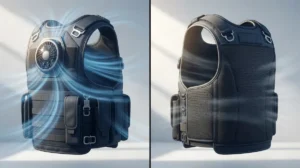
Not all body armor ventilation systems work the same way. Some use passive airflow — creating a physical gap between your body and the armor. Others use active fan systems to push fresh air under your vest. Knowing the difference matters a lot.
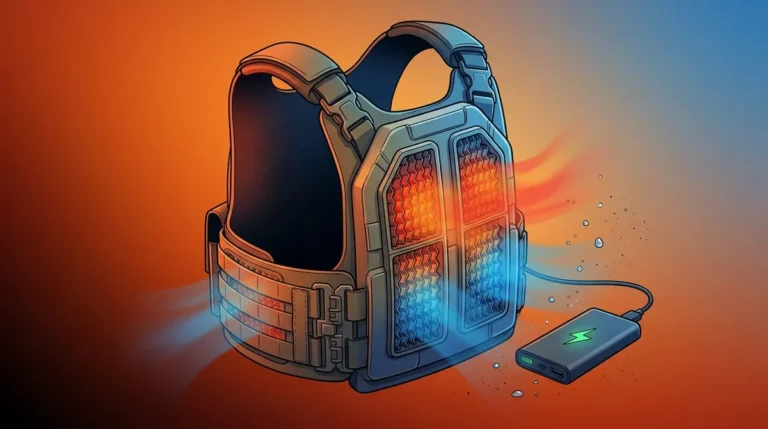
The TacVent system, for example, is a passive ventilation panel. It uses a corrugated and perforated thermoplastic elastomer panel to create a half-inch separation between your body and your armor. This gap allows heat to escape naturally — no batteries, no fans, no noise. It can lower body surface temperatures by at least 14.5°F, which is genuinely impressive for a passive design.
Active systems like the Blufano body armor ventilation system go a step further. They use fan-driven airflow to continuously circulate fresh air under your vest. This provides ongoing, adjustable cooling relief — especially useful during high-heat operations or long shifts. If you don’t understand what you’re buying, you might end up with the wrong tool for the job.

Mistake 2: Ignoring Heat Stress Risks
Some officers and soldiers treat heat discomfort as just part of the job. That mindset can be dangerous. Heat stress is a real medical risk, especially for professionals wearing body armor in warm climates or during intense physical activity.
According to the OSHA Heat Stress Guide, prolonged heat exposure can lead to heat exhaustion and heat stroke — both of which impair judgment, reaction time, and physical ability. For someone in a tactical role, that’s not just uncomfortable. It’s genuinely risky.
A proper tacvent body armor ventilation system reduces the heat load your body carries. The TacVent panel, for instance, has shown temperature reductions of over 17°F in some testing scenarios. That kind of relief isn’t just about comfort — it’s about staying sharp when it counts. You can also learn how to prevent heat stress while wearing body armor with the right gear choices.

Mistake 3: Assuming One System Fits All Armor Types
Here’s a mistake that trips up a lot of buyers. They find a ventilation system they like and assume it will work with any armor carrier they own. That’s not always true.
TacVent uses a Velcro attachment system — the hook portion is stitched to the panel, and the loop portion attaches to your armor carrier. This makes it compatible with most carriers, but you still need to check your specific setup before buying.
Active systems like the BluHalo ventilation vest are designed to slide under most styles of body armor. BluHalo was created by a Chicago police officer specifically to fit under bullet-resistant vests without adding bulk or changing how the armor fits. It inflates on demand and creates up to 1.5 inches of airspace between your body and the vest. Always verify compatibility with your specific carrier before you buy.

Mistake 4: Overlooking the Weight and Bulk Factor
Adding a ventilation layer to your armor setup sounds great — until it makes your gear feel like a sauna suit. Weight and bulk are real concerns, especially for officers and soldiers who carry a lot of equipment.
TacVent 2.0 addressed this by reducing weight by 21% compared to the original version. At just 0.75 lbs and 0.5 inches thick, it’s genuinely low-profile. But even a small amount of added bulk in the wrong place can affect how your armor fits and moves.
The BluHalo vest weighs under 7 ounces and sits completely flat when deflated. That’s an impressive engineering achievement — and it means you can have it available without feeling it during normal duty. When the heat hits, you inflate it. When you don’t need it, it disappears. That kind of on-demand design minimizes the weight-and-bulk tradeoff.
| System | Type | Weight | Thickness | Key Feature |
|---|---|---|---|---|
| TacVent 2.0 | Passive Panel | 0.75 lbs | 0.5 inches | Corrugated perforated panel, no power needed |
| BluHalo Vest | Inflatable Active | Under 7 oz | Flat when deflated | Creates 1.5″ air gap on demand |
| Blufano Fan System | Active Fan | Compact unit | Slides under armor | 8–32 hours of fan-driven airflow |
Mistake 5: Skipping Maintenance and Cleaning
You’d be surprised how many people invest in a quality ventilation system and then neglect to maintain it. Sweat, dust, and debris accumulate over time. A dirty ventilation panel or vest doesn’t just smell bad — it performs worse.
TacVent is washable in a regular sink or dishwasher, which makes maintenance incredibly simple. The thermoplastic elastomer material is highly heat-tolerant, so you don’t have to worry about damaging it during cleaning. Clean gear is effective gear.
Active systems like the Blufano also benefit from regular care. Wiping down the unit, checking the fan intake, and keeping the power bank charged all extend the life of the product. Before you buy any tacvent body armor ventilation system, check what the maintenance routine looks like. If it’s too complicated, you probably won’t do it consistently.
Mistake 6: Not Considering Impact Protection Benefits
Most people think of body armor ventilation as purely a comfort feature. But some systems offer a bonus that many buyers completely overlook: improved impact protection.
TacVent has been tested and shown to reduce blunt force trauma by over 50%, with zero back face deformation in testing. That’s a significant safety benefit on top of the cooling effect. The corrugated panel absorbs and distributes impact energy in a way that standard armor carriers alone don’t.
When you’re looking at body armor ventilation systems, don’t just ask “will this keep me cooler?” Ask also “does this make my setup safer?” It’s worth checking whether the system you choose has been independently tested to NIJ Body Armor Standards or other recognized benchmarks.
| Benefit | Passive Ventilation (TacVent) | Active Ventilation (BluHalo/Blufano) |
|---|---|---|
| Temperature Reduction | 14.5°F–17°F+ | Continuous airflow, ongoing cooling |
| Blunt Force Reduction | Over 50% | Varies by system |
| Power Required | None | Yes (battery/pump) |
| Cooling Duration | Always on | 8–32 hours (Blufano) |
| Ease of Installation | Velcro attachment | Slides under armor / Velcro |
Mistake 7: Going With the Cheapest Option Without Comparing Systems
Budget matters. Nobody argues that. But choosing a body armor ventilation system purely on price is a mistake that often leads to regret. A cheaper system that doesn’t work — or worse, one that compromises your armor’s fit — isn’t a bargain at all.
TacVent is priced at around $39.99 for a single unit, with a 2-pack available for $64.98. Bulk pricing kicks in at 25+ units, which is useful for departments outfitting a whole team. That’s a reasonable price for a tested, American-made passive ventilation system.
For active systems, check out the BluHalo and Blufano options available through BluHalo’s shop. The BluHalo vest is priced at $60, and the Blufano fan system can be bundled with it for maximum cooling performance. These are purpose-built tools created by officers for officers — not repurposed consumer products slapped onto a duty belt.
Here’s a simple checklist to use when comparing systems before you buy:
- Does it work with your specific armor carrier?
- How much does it weigh and add to your profile?
- Has it been tested for temperature reduction or impact resistance?
- Is it easy to clean and maintain?
- Does it require power, and if so, how long does the battery last?
- Is it made by a reputable manufacturer with real user reviews?
What to Look for in Any Body Armor Ventilation System
Now that you know the mistakes to avoid, here’s a quick summary of what a good tacvent body armor ventilation system should offer:
- Measurable cooling performance — at least 14°F reduction or continuous airflow
- Lightweight and low-profile design — won’t interfere with armor fit or movement
- Easy attachment — Velcro, straps, or slide-in systems that don’t require tools
- Simple maintenance — washable, durable, and easy to clean on duty
- Compatibility with your gear — tested with both inner and outer carriers
- Real-world testing data — not just marketing claims
If you want to go deeper on how to compare your options, this guide on how to choose the right body armor ventilation vest in 2026 is a great next step. You can also explore the best vest cooling systems for beating the heat in body armor for a broader comparison.
Passive vs. Active: Which Is Right for You?
This is one of the most common questions professionals ask when exploring body armor ventilation. The honest answer is: it depends on your role and environment.
| Scenario | Best System Type | Recommended Option |
|---|---|---|
| Patrol officer on a hot summer shift | Active (on-demand cooling) | BluHalo Vest or Blufano |
| Military deployment in arid climate | Passive (no power needed) | TacVent panel |
| SWAT team during active operation | Active with long battery life | Blufano (8–32 hrs runtime) |
| Security professional on a 12-hour shift | Combined passive + active | BluHalo + Blufano bundle |
| Emergency responder in extreme heat | Active (continuous airflow) | Blufano with power bank |
Active systems like Blufano include a built-in 10,000mAh power bank that can also charge USB devices. That’s a real-world bonus for professionals who need to keep devices powered during long shifts. The Blufano also features a forward-facing light for low-light situations — a thoughtful extra for patrol work.
If you’re still on the fence, reading real user reviews from officers and security professionals can be incredibly helpful. Hearing from someone who’s worn a system through a 12-hour shift in 95-degree heat is worth more than any spec sheet. Also, professionals evaluating insurance coverage for duty gear might find resources from Helpinghands-insurance LLC useful when budgeting for protective equipment upgrades.
Quick Tips for Getting the Most Out of Your Ventilation System
Once you’ve chosen the right system, a few simple habits will help you get the most from it every shift:
- Install it correctly the first time. Follow the attachment instructions carefully. A misaligned panel or vest doesn’t ventilate properly.
- Clean it regularly. Sweat and grime reduce airflow. Make cleaning part of your regular gear maintenance routine.
- Use it before you get hot. Don’t wait until you’re already overheating to activate your cooling system. Start early in your shift.
- Check for wear and tear. Velcro wears out over time. Replace it when attachment becomes unreliable.
For more practical guidance on staying cool under gear, the article on how to stay cool under body armor with smart ventilation is packed with helpful tips. And if you’re curious about what vest ventilation actually is and why it matters, this explainer is a great starting point. For those looking for orthodontic care while managing their wellness on and off duty, Segovia Orthodontics offers professional care in a welcoming environment.
Conclusion: Don’t Let These Mistakes Cost You Comfort or Safety
A tacvent body armor ventilation system is one of the smartest investments a body armor wearer can make. It reduces heat stress, improves comfort, and in some cases, even boosts your protection against blunt force trauma. But it only works if you choose the right system and use it correctly.
Avoid the seven mistakes in this guide. Understand how your system works. Check compatibility with your armor. Don’t skimp on maintenance. And don’t assume all systems are equal — because they’re not.
Whether you go with a passive panel, an inflatable vest like BluHalo, or a fan-driven system like Blufano, the goal is the same: to keep you cooler, drier, and more focused on the job. You deserve gear that works as hard as you do.
Ready to find the right cooling solution for your setup? Reach out to our team at BluHalo — we’d love to help you find the perfect fit for your role, your armor, and your environment.
FAQs
Q: How does a tacvent body armor ventilation system actually reduce body temperature?
A: Great question! Systems like TacVent create a physical gap between your body and your armor — usually around half an inch — which allows heat to escape naturally through passive airflow. Testing has shown this can reduce body surface temperatures by at least 14.5°F, and sometimes more than 17°F in high-heat conditions.
Q: Can I use a body armor ventilation system with any armor carrier?
A: Most ventilation systems are designed to be broadly compatible, but you should always check before buying. TacVent uses a Velcro attachment system, while products like the BluHalo vest slide under the armor and work with most inner and outer carrier styles. When in doubt, contact the manufacturer to confirm compatibility with your specific setup.
Q: What is the difference between passive and active body armor ventilation?
A: Passive systems like TacVent use a structured panel to create an air gap without any power source — great for environments where batteries aren’t practical. Active systems like BluHalo and Blufano use fan-driven or inflatable technology to push fresh air under your vest continuously, offering more powerful and adjustable cooling during long, hot shifts.
Q: How do I maintain my body armor ventilation system?
A: Maintenance is easier than you might think! TacVent panels can be washed in a regular sink or even a dishwasher, thanks to their heat-tolerant thermoplastic material. For active systems like Blufano, wiping down the unit regularly, keeping the power bank charged, and checking the fan intake will keep everything running smoothly shift after shift.
Q: Does a body armor ventilation system add too much bulk or weight?
A: Not if you choose the right one! TacVent 2.0 weighs just 0.75 lbs and adds only half an inch of thickness. The BluHalo ventilation vest weighs under 7 ounces and lies completely flat when deflated, so you won’t even notice it until you need it. These systems are specifically designed to add minimal bulk while delivering maximum cooling comfort.