Key Takeaways
-
Ice packs cool by direct contact but typically lose effectiveness after about 2 to 4 hours, so spare pre-chilled packs are needed for full shifts.
-
Cooling fans keep moving air under armor as long as they have power, helping sweat evaporate and cutting the clammy, soaked feeling on long shifts.
-
Fans depend on evaporation, so their benefit shrinks in very humid weather; ice packs still cool by contact in those conditions.
-
Choose based on shift length, climate, and resupply options: fans suit long, dry-heat shifts, while ice packs fit short, intense bursts with no battery.
-
Creating an air gap between body and armor, such as with an inflatable ventilation vest, is a third option that can be paired with a fan.
-
Cooling gear supplements but never replaces water, shade, rest, and heat-illness monitoring, and any insert must not compromise armor fit or protection.
If you wear body armor for a living, you know the feeling. It’s hour six of a hot shift, your shirt is soaked, and your vest feels like a personal sauna. You start looking for relief, and two ideas pop up fast: a body armor cooling fan vs ice packs. Both promise to take the edge off the heat. But they work in very different ways.
The good news is that you don’t need an engineering degree to pick the right one. You just need to know how each option works, where it shines, and where it falls short. In this guide, we’ll break it all down in plain language, from police patrol to security details to EMS calls. We’ll cover how long each lasts, how they feel under armor, and what to ask before you buy. Think of this as a friendly chat with a coworker who has tried both. Let’s find the cooling approach that fits your shift.
How Each Cooling Method Actually Works
Before we compare, let’s get clear on what is happening under your vest. Body armor traps heat and sweat against your torso. Your body cannot shed that heat the normal way. So you feel hotter, tire faster, and lose focus sooner.
How a Cooling Fan Works
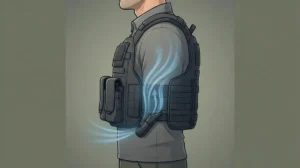
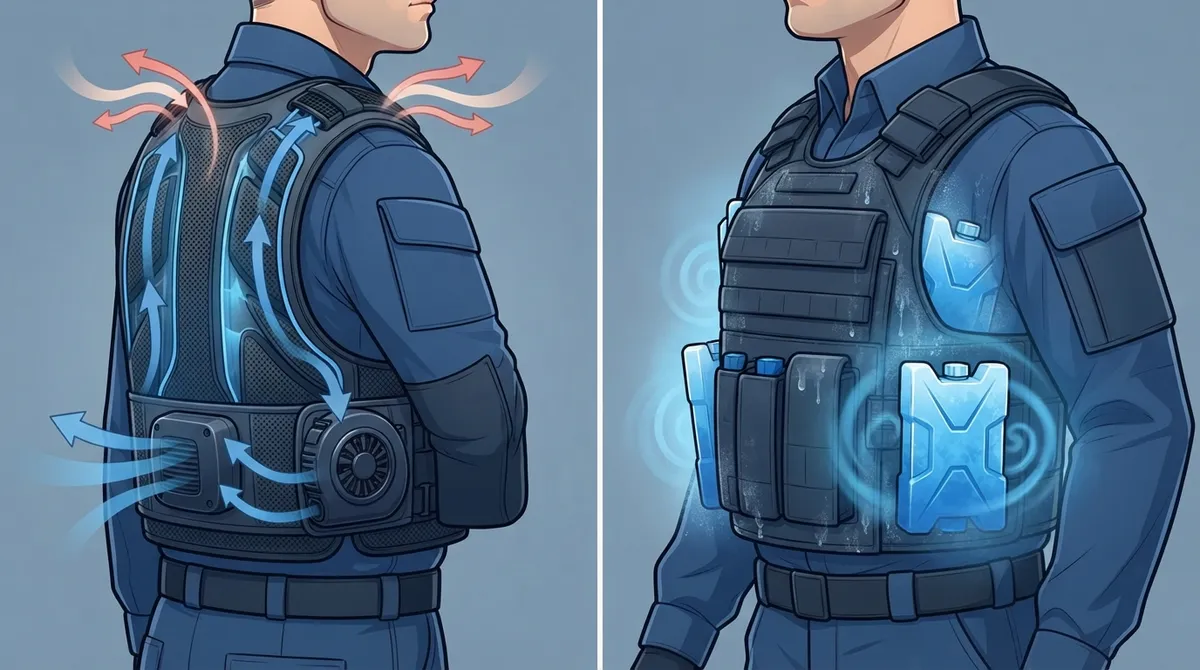
A fan-based ventilation system moves air beneath your armor. That moving air pushes out trapped warm, humid air and helps sweat evaporate. Evaporation is how your body naturally cools off. The fan just helps it along.
The Blufano fan system is a good example. It uses a patented air-redirect spout that slides under your armor, so fresh air flows right where you need it. It is built for daily duty use, not just short bursts.
How Ice Packs Work
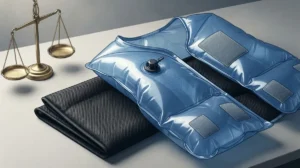
Ice packs and phase-change inserts cool by direct contact. They absorb heat from your body, a bit like a cold drink soaking up warmth from your hand. They need no battery and make no noise. But as they warm up, they cool less.
Packs need to be frozen or chilled before your shift. You also need spare packs if you want relief later in the day.
Cooling Fan vs Ice Packs: Quick Comparison
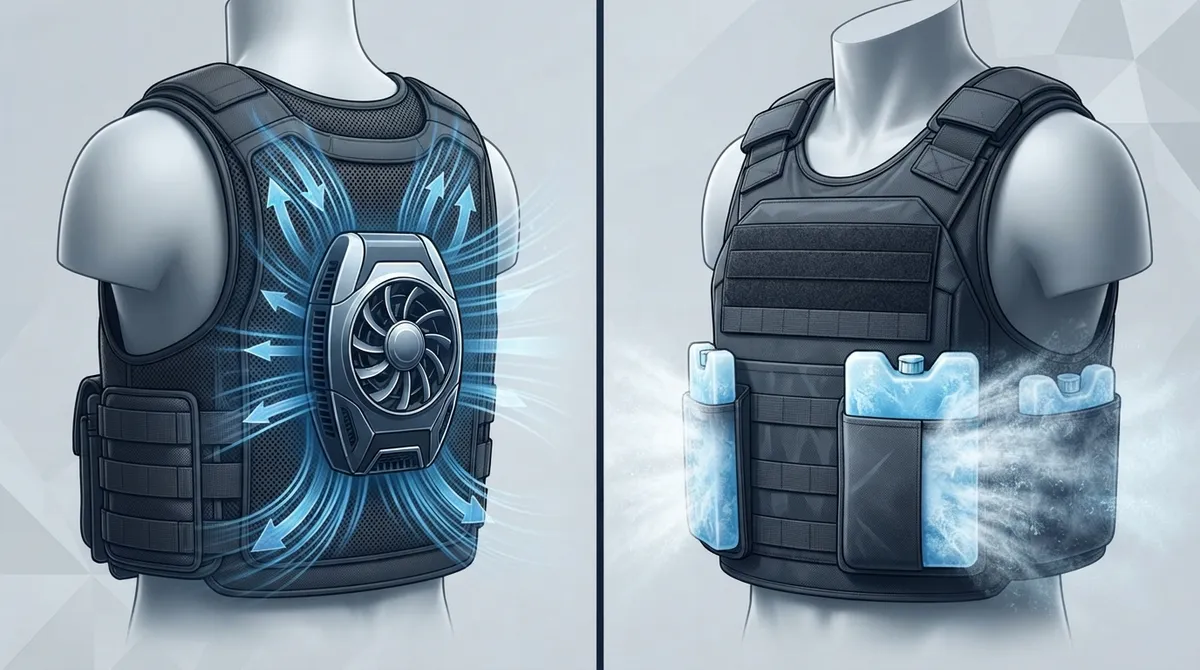
Here is a side-by-side look at the big differences. Keep in mind that research does not name a universal winner. The right pick depends on your shift, climate, and gear setup.
| Factor | Cooling Fan System | Ice or Phase-Change Packs |
|---|---|---|
| Cooling method | Moves air, helps sweat evaporate | Absorbs heat by direct contact |
| Power needed | Battery or power bank | None, but needs pre-chilling |
| How long it lasts | Hours, depends on fan setting and battery | Often about 2 to 4 hours of relief |
| Noise | Low hum possible | Silent |
| Bulk under armor | Usually slim | Can be bulky or heavy |
| Humid weather | Less effective when sweat can’t evaporate | Still cools by contact |
| Resupply | Recharge the battery | Swap in fresh frozen packs |
| Possible downsides | Battery logistics | Cold spots, condensation, warming over time |
The Case for Cooling Fans
Fans have a lot going for them, especially on long days. Here is where they tend to shine.
- Ongoing relief. A fan keeps working as long as it has power. It does not fade like a pack that warms up.
- Moisture control. Moving air helps dry sweat, which cuts that clammy, soaked feeling.
- Less bulk. Many fan systems sit flat and slim under your gear.
- Flexible settings. You can turn the airflow up or down as the heat changes.
Blufano runs for roughly 8 to 32 hours depending on the setting. It also has a built-in 10,000mAh power bank that can charge your USB devices, plus a forward-facing light. If you want to dig into battery life, see our guide on how fan speed affects vest cooling battery life.
Where Fans Can Struggle
Fans are not magic. Airflow works best when sweat can evaporate. In very humid weather, that process slows down. Fans also need charging and may add a little noise or bulk. Fit matters too, so it helps to learn how to position a fan under body armor for best airflow.
The Case for Ice Packs
Ice packs have fans of their own, and for good reason. They are simple, and they cool you fast.
- Instant cold. You feel direct cooling on your torso right away.
- No battery. There is nothing to charge and nothing to forget.
- Silent. No hum, no vibration, no noise at all.
- Good for short, intense jobs. A quick burst of cooling can help during brief high-heat tasks.
A NIOSH-reported study found that people wearing cooling vests under protective gear had smaller rises in body temperature and heart rate than people without them. Gel-pack designs did well on those measures. That is encouraging, but it was not a head-to-head test of fans versus ice packs under body armor. So we should not read too much into it.
Where Ice Packs Can Struggle
Packs warm up over time. Guidance summarizing NIOSH advice suggests relief often lasts around 2 to 4 hours, though it varies a lot. After that, you need fresh packs. That means freezer space, spares, and a plan for swapping them mid-shift.
Packs can also feel heavy and bulky under armor. They may create cold spots or condensation against your skin. And anything you slide under your vest should never change how your armor fits or covers you. For more on this, check out our breakdown of fans vs. ice packs for thermal regulation.
How to Choose: A Simple 5-Step Process
Not sure which way to lean? Walk through these steps. They take just a few minutes.
- Check your shift length. Short, intense exposure may suit ice packs. Long shifts often favor a fan with a solid battery.
- Look at your climate. Dry heat helps fans work well. Heavy humidity may limit airflow benefits.
- Think about resupply. Can you recharge a battery at your station or vehicle? Or can you reach a freezer to swap packs?
- Test the fit. Make sure your armor still sits right and covers what it should. Comfort should never cost you protection.
- Pair it with good habits. Water, shade, rest, and cool recovery spots still matter most.
If you want more help comparing options, our guide on how to pick a cooling fan system for body armor goes deeper.
Who Benefits Most From Each Option
Different jobs create different heat problems. Here is how the choice often plays out in the real world.
- Patrol officers: Long shifts in hot cars and sunlight favor all-day airflow. Pair a fan with your car’s AC for a quick cool-down.
- Military personnel: Extended missions make battery-free packs tricky to resupply. A fan with a long runtime can be a better fit.
- Security professionals: Standing posts for hours means steady, quiet airflow is a plus.
- Tactical and SWAT teams: Short, high-intensity entries may call for a quick burst of cold, while staging periods benefit from airflow.
- Emergency responders: Heavy protective gear and long calls make moisture control a big deal.
Our article on active vs passive body armor cooling shows how these approaches stack up across different duty types.
A Third Option: Build an Air Gap With BluHalo
Here is something many people miss. You do not have to pick only between a fan and an ice pack. There is another way to fight heat: create space between your body and your armor.
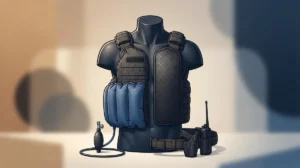
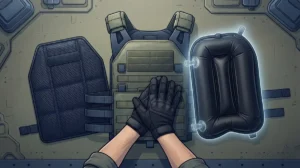
The BluHalo ventilation vest was created by a Chicago police officer who was tired of overheating on the job. It weighs under 7 ounces and lies flat when deflated. When you inflate it with a small pump, it lifts your armor up to about 1.5 inches off your body. That gap lets heat escape and air move. When you are done, you press a button and it deflates.
It uses double-layer, high-strength polyethylene for durability. It attaches to a clean vest with Velcro. Many officers describe real comfort gains on 12-hour shifts in 95-degree heat.
Why BluHalo and Blufano Work So Well Together
Think of it like this. BluHalo builds the space. Blufano moves the air through that space. Together, they release trapped heat, cut moisture, and keep cooling steady without freezing packs or constant swaps. You can buy either product alone or bundle them at a discount. If you are curious about the pairing, read 8 steps to use BluHalo and BluFano together. You can also compare them in BluFano vs BluHalo: which cooling vest fits you.
Safety First: Cooling Gear Is a Helper, Not a Cure-All
Let’s be honest about one important thing. No vest, fan, or pack can replace smart heat safety. Cooling gear is a supplement. It does not prevent heat illness on its own.
The OSHA heat stress guidance puts engineering and work-practice controls first. Personal cooling devices help most when protective clothing limits how well your body sheds heat. OSHA’s 2024 rulemaking notice also cited Bureau of Labor Statistics data showing 1,042 U.S. worker deaths from occupational heat exposure. That is a cumulative number, not a single year, but it shows why heat is serious.
Keep these habits close, no matter what cooling gear you use:
- Drink water before you feel thirsty.
- Take breaks in shade or cooled areas when you can.
- Ease into hot weather so your body can adjust.
- Watch yourself and your partner for signs of heat illness.
Also remember that any insert or ventilation device must work with your armor. Check the NIJ body armor standards and your manufacturer’s guidance so nothing compromises fit, coverage, or protection. For more on the risks, see heat stress vs. heat illness: what officers must know.
Common Mistakes to Avoid
A few simple slip-ups can sour your experience with any cooling gear. Watch out for these.
- Skipping the pre-chill. Ice packs only work well if they are fully cold before you suit up.
- Forgetting to charge. A dead fan is just extra weight. Charge it the night before.
- Ignoring fit. A bulky insert that shifts around can be uncomfortable and distracting.
- Skipping your hydration plan. Cooling gear does not replace water.
Our guide on body armor cooling fan mistakes to avoid covers more of these in detail.
So, Which One Wins?
Here is the honest answer. There is no single winner for everyone. Ice packs are great for short, intense heat with no battery needed. Fans are great for longer wear, steady airflow, and moisture control. The evidence we have supports cooling garments in general, but it does not crown one clear champion for body armor.
That said, for most officers working long, hot shifts, ongoing airflow tends to be the more practical day-to-day solution. And pairing BluHalo’s air gap with Blufano’s active airflow gives you a setup that does not depend on freezers, spare packs, or mid-shift swaps. It simply keeps working.
Ready to feel the difference on your next hot shift? Get in touch with our team and we will help you find the right cooling setup for your gear and your duty. Stay cool, stay sharp, and stay safe out there.
FAQs
Q: Is a body armor cooling fan or an ice-pack vest better for hot-weather patrols?
A: It depends on your shift. Fans tend to suit longer patrols because they keep moving air as long as the battery lasts, while ice packs can help during short, intense heat. Many officers like a fan system such as Blufano for all-day comfort.
Q: How long do ice or phase-change packs last under body armor?
A: Guidance summarizing NIOSH advice suggests relief often lasts roughly 2 to 4 hours. Real results vary with heat, pack design, clothing, and how well the pack touches your body. You will usually want spare packs for a full shift.
Q: Do ventilation vests work in humid weather?
A: They can still help, but airflow works best when sweat is able to evaporate. In very humid conditions, evaporation slows down, so the cooling effect may feel smaller. Creating an air gap with BluHalo and adding airflow with Blufano can still help release trapped heat.
Q: Can a cooling vest be worn under a plate carrier without affecting armor fit or protection?
A: It can, but you need to check fit and compatibility first. Any insert or ventilation device should never change your armor’s coverage or protective function. Always follow your armor maker’s guidance and test the setup before duty.
Q: Can a cooling vest prevent heat illness?
A: No. Cooling gear is a helpful extra, not a replacement for water, rest, shade, acclimatization, and watching for heat-illness signs. Use it alongside those proven heat-safety steps.