Key Takeaways
-
BluHalo is made of double-layer, high-strength polyethylene per the manufacturer, but exact polymer grade, film thickness, and seam specs are not publicly detailed.
-
No independent lab durability tests for abrasion, puncture, or fatigue have been published, so BluHalo's service life cannot be confirmed.
-
BluHalo is a ventilation insert, not certified protective equipment, and sources do not show it preserves armor's tested protection; follow armor maker guidance.
-
The valve and Velcro hook-and-loop patches are the main wear points; keep them clean and dry, and press deflate gently.
-
Weight claims differ: the manufacturer says under 7 ounces while one marketplace listing shows about 10.4 ounces, so check what is included and the current version.
-
Inflate to a comfortable level rather than maximum lift, wipe down after shifts with mild soap, and store it deflated and flat away from heat and heavy objects.
If you wear body armor for a living, you know gear has to earn its spot on your shift. Every ounce and every attachment point gets judged. So when you hear about an inflatable ventilation insert, the first question is simple: what is it made of, and will it last?
That is what this guide is about. We will walk through BluHalo materials and durability in plain language. You will learn what the manufacturer says about the build, what is still unproven, and how to care for the insert so it works longer. We will also keep it honest. Some claims come straight from the maker. Others come from user stories. We will label each one so you always know what you are reading.
Whether you patrol a city beat, run security details, or work long hours in the heat, this article is for you. Let’s get into it.

What Is BluHalo, and What Does It Do?
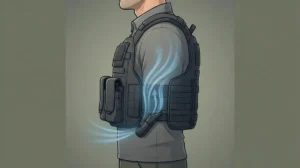
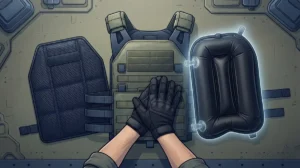
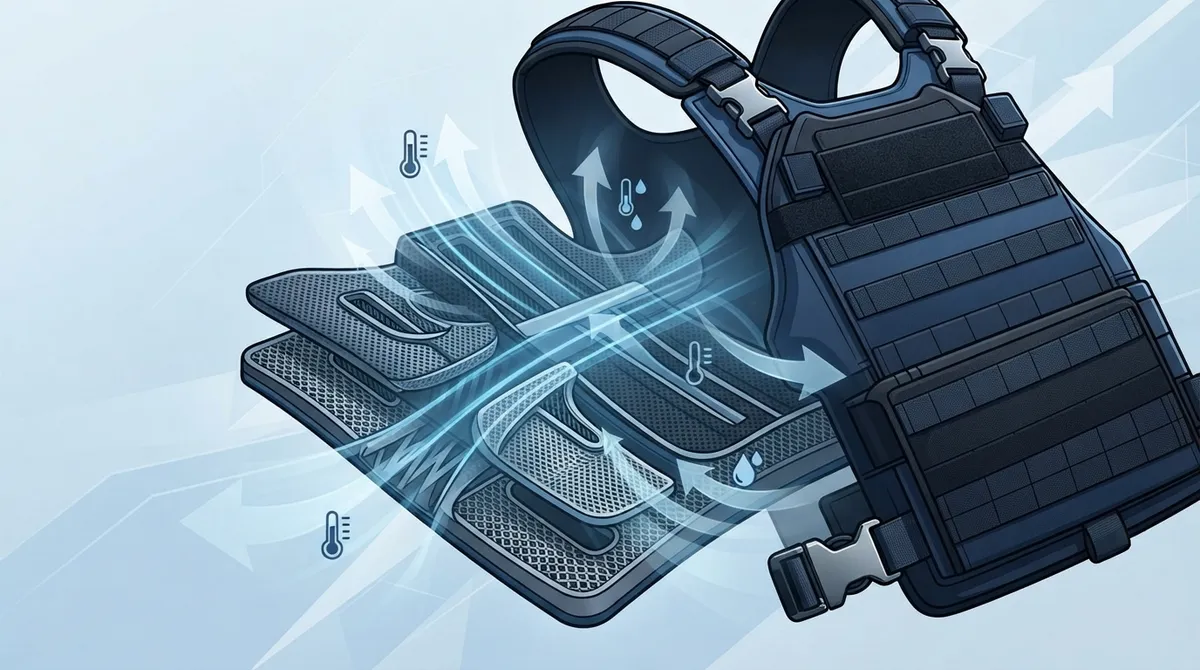
BluHalo is an inflatable ventilation insert. You wear it between your body and your body-armor carrier. When you inflate it, it lifts the carrier off your torso and creates an air gap. That gap lets heat and moisture escape instead of staying trapped against your skin.
It was created by a Chicago police officer who was tired of overheating on duty. It is not armor. It does not stop bullets, and it is not a refrigerated cooling system. Think of it as a smart spacer that gives you cooling on demand. To see how this fits into a bigger picture, check out how a bulletproof vest inflatable cooling pad works.
Because it sits right against your body and under heavy gear, the materials matter a lot. They have to handle sweat, flexing, pressure, and daily movement.
What Are BluHalo Materials Made Of?
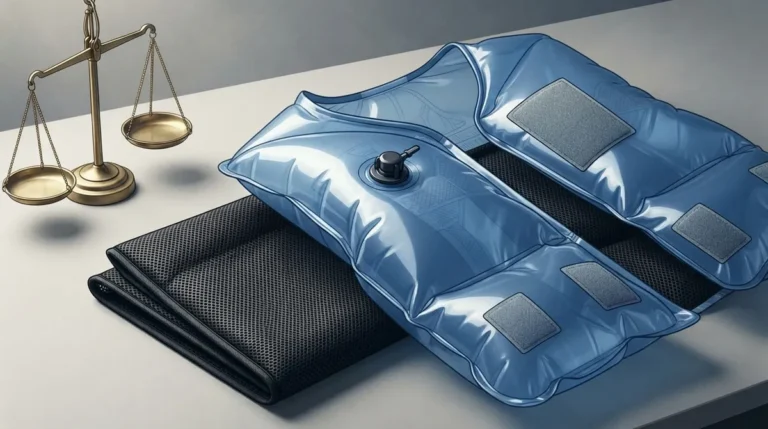
BluHalo describes its construction as double-layer, high-strength polyethylene. That is the main material claim from the manufacturer. Polyethylene is a common plastic known for being light, flexible, and resistant to moisture. Those traits make sense for a product that sits under a vest and deals with sweat all day.
Here is what the manufacturer says and what remains unconfirmed:
- Stated by the manufacturer: double-layer, high-strength polyethylene construction.
- Stated by the manufacturer: weight under 7 ounces.
- Stated by the manufacturer: lifts the carrier up to about 1.5 inches when inflated.
- Not publicly detailed: exact polymer grade, film thickness, and seam or weld specs.
- Not publicly available: independent lab tests for abrasion, puncture, or fatigue.
That last point is worth saying out loud. The manufacturer calls the build suitable for daily duty use, but standardized third-party durability testing has not been published in the sources we reviewed. We think you deserve that clarity before you buy anything.
Why Polyethylene Makes Sense for a Ventilation Vest
Polyethylene is not a random choice. It brings a few helpful traits to an inflatable insert that lives under armor.
- Moisture resistance: Plastic film does not soak up sweat like fabric. That helps keep the insert from getting heavy or smelly.
- Light weight: A lighter insert adds less load to your already heavy kit.
- Flexibility: It can fold flat when deflated and expand when you need airflow.
- Easy wipe-down: A smooth surface is simple to clean between shifts.
Of course, plastic film has limits too. Sharp edges, rough hardware, or repeated hard creasing can stress any thin material over time. That is why smart setup and care matter just as much as the material itself.
BluHalo Weight: Why Do Listed Numbers Differ?
You may notice different weights online. The manufacturer says BluHalo weighs under 7 ounces. One marketplace listing shows an item weight of about 10.4 ounces. So which is right?
The gap may come from product version or what is included in the listing, such as the pump or extra patches. We cannot confirm the cause from the available information. If weight matters to you, ask the seller what is included and check the current version. For a deeper look at this topic, read how much weight vest cooling gear adds.
| Detail | Source | Reported Value |
|---|---|---|
| Construction | Manufacturer | Double-layer, high-strength polyethylene |
| Weight | Manufacturer | Under 7 oz |
| Weight | Marketplace listing | About 10.4 oz |
| Maximum lift | Manufacturer | Up to about 1.5 inches |
| Attachment | Manufacturer | Hook-and-loop (Velcro) patches |
| Independent durability testing | Not found | None published in reviewed sources |
How Durable Is BluHalo in Real Use?
Here is where we keep things honest. The best durability data would come from lab tests and large user surveys. Those are not publicly available for BluHalo. What we do have is manufacturer claims and a handful of user stories.
The manufacturer markets the polyethylene build as ready for daily duty. Officer testimonials on the brand site describe big comfort gains during long, hot shifts, including 12-hour days in 95-degree weather.
A marketplace listing shows a 3.4 out of 5 star rating from 57 reviews at the time of the search. Ratings change, so check the current numbers. One reviewer said they used the insert for about a year after replacing a valve early on. Other comments mentioned attachment and wear concerns.
Treat these as individual stories, not a failure rate. They tell us that real people use this product for long stretches, and that the valve and attachment points are the areas to watch.
The Weak Points to Watch: Valve and Velcro
On any inflatable product, the moving parts and attachment points see the most stress. For BluHalo, that means two spots.
The Valve and Pump
The valve lets you inflate with a small pump and release air with a button. Repeated use over many shifts puts wear on this part. Press the deflate button gently, keep dirt out of the valve, and avoid forcing the pump connection. If you want a smooth routine, our guide on how to inflate and deflate BluHalo walks you through it. You can also learn how to remove the BluHalo pump without damaging it.
The Hook-and-Loop Patches
BluHalo attaches with Velcro patches. The manufacturer advises sticking them to a clean, dry surface. Dirt, oil, and sweat residue can weaken the grip. Compatibility also depends on your carrier lining and the attachment surface you have available. Follow our steps on how to attach BluHalo Velcro patches the right way to get a solid hold.
7 Simple Steps to Make Your BluHalo Last Longer
Good habits can add real life to any piece of duty gear. Here is a simple routine you can follow.
- Start with a clean carrier. Wipe the attachment area dry before you place the patches.
- Install it carefully. Use our guide on how to install BluHalo on body armor so it sits flat and secure.
- Inflate to comfort, not to the max. You do not need full lift all shift. A moderate gap often feels great and puts less strain on the seams.
- Check for sharp edges. Look over buckles, zippers, and rough hardware that could rub the film.
- Wipe it down after shifts. Use a damp cloth and mild soap, then let it air dry fully.
- Store it deflated and flat. Avoid tight folding, heat, or heavy objects pressing on it.
- Inspect the valve and patches regularly. Catch small issues early before they turn into big ones.
These steps are our practical suggestions based on how inflatable gear generally works. Always follow the instructions that come with your product.
Does BluHalo Affect Your Armor’s Protection or Fit?
This is an important question, and it deserves a careful answer. BluHalo is a ventilation insert. It is not certified protective equipment. The sources we reviewed do not show that adding it keeps your armor system’s tested performance unchanged.
So please follow your armor and carrier manufacturers’ guidance. If you have questions about how any accessory affects fit or protection, check with them directly. You can also review the National Institute of Justice body armor resources to understand how armor standards work.
Fit also plays a role in comfort and airflow. Our article on how vest fit affects cooling airflow explains how to get a better setup. And if you want to know what to do when it is not inflated, see how to wear BluHalo when it is deflated.
Why the Right Materials Matter for Heat Safety
Durable, moisture-friendly materials are not just about saving money. They tie into your safety. Heat stress is a real hazard for anyone in heavy gear. The OSHA heat stress guidance explains why managing heat on the job matters so much.
When your gear traps heat and sweat, you tire faster and think less clearly. Reliable airflow under your vest helps fight that. If you are curious about the science, read how heat affects police reaction time on duty.
BluHalo and Blufano: A Strong Pair
BluHalo creates the air gap. Blufano adds active fan-driven airflow beneath your armor. Together they give you a space for air to move and a fan to move it. Many wearers like using both for the best cooling relief. Our walkthrough of using BluHalo and Blufano together shows how, and you can compare them in BluFano vs BluHalo: which cooling vest fits you.
Wondering how it stacks up against other options? See our breakdown of BluHalo versus mesh vests. We think BluHalo is a standout choice for anyone who wants flexible, on-demand airflow in a slim, light package.
Final Thoughts: Is BluHalo Built to Last?
Here is the honest summary. BluHalo uses a double-layer, high-strength polyethylene build that is light, flexible, and moisture friendly. The manufacturer designed it for daily duty. Real users report long stretches of use, and the valve and Velcro patches are the spots to care for most.
What we cannot tell you is a precise service life, because independent durability testing is not published. That is why smart habits like clean attachment, gentle inflation, and regular checks matter. With good care, you give your BluHalo its best shot at a long run.
Ready to beat the heat on your next shift? Have a question about materials, fit, or setup? Get in touch with our team and we will gladly help you find the right setup for your gear.
FAQs
Q: What material is the BluHalo ventilation vest made from?
A: The manufacturer describes BluHalo as double-layer, high-strength polyethylene. That plastic film is light, flexible, and resists moisture, which suits an insert worn under body armor. Exact polymer grade and thickness have not been publicly detailed.
Q: How long does the BluHalo valve and inflation system last?
A: There is no published service-life number, so we can’t promise a set timeline. One user reported about a year of use after an early valve replacement, but that is a single story. Gentle use and keeping the valve clean can help it last longer.
Q: How should I clean and store my BluHalo?
A: Wipe it with a damp cloth and mild soap, then let it dry fully. Store it deflated and flat, away from heat and heavy objects. Keep the Velcro patches clean and dry, since sweat and oil can weaken their grip.
Q: Why do the listed weights for BluHalo differ?
A: The manufacturer says it weighs under 7 ounces, while one marketplace listing shows about 10.4 ounces. The difference may come from product version or included parts like the pump. Ask the seller what is included to be sure.
Q: Does BluHalo change how my body armor protects me?
A: BluHalo is a ventilation insert, not certified protective gear. The reviewed sources do not show that it preserves your armor’s tested performance. Always follow your armor and carrier maker’s guidance before adding any accessory.