Key Takeaways
-
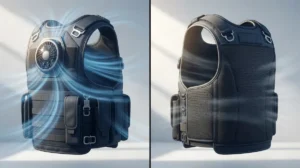
A ventilation spacer creates a 0.75-inch air gap between your body and armor that allows heat and moisture to escape, with high-performance mesh designs achieving nearly 100% air flow-through efficiency compared to standard carrier mesh.
-
Choose between passive mesh frames (5.4 oz, always-on, best for patrol) and inflatable spacers (under 7 oz, adjustable gap up to 1.5 inches, ideal for tactical situations requiring quick profile changes).
-
Layer your cooling strategy by combining a passive spacer as your foundation with moisture-wicking base layers, active fan systems during peak heat, and proper hydration rather than relying on the spacer alone.
-
Proper installation is critical: clean and dry the vest surface, center the spacer on your back or chest plate, secure with firm Velcro attachment, and test movement to ensure the air gap doesn’t collapse during duty.
-
Maintain your spacer by rinsing after heavy shifts, air drying completely, inspecting weekly for damage, deep cleaning monthly with mild soap, and testing inflation integrity monthly to preserve performance.
-
Different roles have different needs: patrol officers benefit from lightweight passive spacers, military personnel in extreme heat should combine spacers with active systems, and SWAT/tactical teams need maximum cooling for high-intensity operations.
If you wear body armor every day, you already know the struggle. Heat builds up fast. Sweat soaks through your uniform. By mid-shift, you feel drained before the real work even begins. A ventilation spacer for body armor can change all of that — but only if you choose and use it correctly.
The good news? Most of the mistakes people make are totally avoidable. Whether you’re a patrol officer, a soldier on deployment, or a security professional working long outdoor shifts, this guide is for you. We’ll walk through the five most common errors people make with body armor ventilation spacers, and more importantly, how to fix them. Let’s keep you cool, comfortable, and mission-ready all shift long.

What Is a Ventilation Spacer for Body Armor?
Before we dive into the mistakes, let’s make sure we’re on the same page. A ventilation spacer for body armor is a specialized layer — usually made from 3D polyester mesh or an inflatable frame — that sits between your body and your armor carrier. Its job is simple but powerful: it creates a physical air gap so heat and moisture can escape instead of getting trapped against your skin.
Most quality spacers create an airflow gap of approximately 0.75 inches (19 mm), which is enough to allow meaningful air circulation. High-performance mesh designs can achieve nearly 100% air flow-through efficiency compared to a standard carrier mesh. That’s a massive difference when you’re working a 10-hour shift in summer heat. You can learn more about how these systems work by reading about how plate carrier ventilation actually works.
Passive spacers require no batteries or power source. They’re lightweight — some weigh as little as 5.4 oz (153 g) — and they work silently around the clock. That makes them a popular first choice for officers and operators who want a low-maintenance cooling solution. According to Body Armor Standards from the National Institute of Justice, comfort and wearability are key factors in consistent armor compliance — which is exactly where spacers shine.

Mistake #1: Choosing the Wrong Type of Spacer for Your Needs
Not all ventilation spacers are created equal. The first big mistake people make is grabbing whatever looks affordable without thinking about their specific use case. There are two main types of spacers: passive mesh frames and inflatable spacer vests. Each has its strengths.
Passive mesh frames like ultralight ventilation frames are rigid, always-on solutions. They weigh as little as 5.4 oz and stay in place without any setup. They’re great for officers on patrol who want a simple, no-fuss system. Inflatable spacers, on the other hand, offer flexibility. You can inflate them when you need a cooling boost and deflate them when you need a lower profile. This makes them ideal for plainclothes work or tactical situations where you need to adapt quickly.
| Spacer Type | Weight | Air Gap | Power Needed | Best For |
|---|---|---|---|---|
| Passive Mesh Frame | 5.4 oz (153 g) | ~0.75 in (19 mm) | None | Daily patrol, low maintenance |
| Inflatable Spacer Vest | Under 7 oz | Up to 1.5 in | None (manual pump) | Undercover work, variable shifts |
| Active Fan System | Varies | Full vest coverage | Battery/USB | High-heat missions, max cooling |
If you’re unsure which direction to go, check out this helpful breakdown of passive vs. active body armor ventilation to find the right fit for your role.
Mistake #2: Ignoring the Air Gap Size
Here’s something most people don’t think about: the size of the air gap actually matters a lot. A spacer that creates too small a gap won’t allow enough airflow to make a real difference. One that’s too thick might interfere with your armor’s fit or your draw stroke if you’re carrying a sidearm.
The sweet spot for most users is around 0.75 inches (19 mm). This gap is large enough to let heat and moisture escape but small enough to keep your armor fitting properly. Some inflatable vests can lift your armor up to 1.5 inches, which provides even more airflow for extremely hot conditions. The key is matching the gap size to your environment and duty requirements.
For those operating in extreme heat, research from the OSHA Heat Stress Guide shows that even small reductions in body heat buildup can significantly reduce the risk of heat exhaustion. That 0.75-inch gap isn’t just a comfort feature — it’s a safety margin. To understand more about the science, explore our full guide on under vest ventilation and staying cool in body armor.
Mistake #3: Treating a Spacer as Your Only Cooling Solution
A ventilation spacer for body armor is a great tool. But thinking of it as a complete cooling system on its own is a common mistake — especially during the hottest months of summer or during high-intensity operations.
Passive spacers work by allowing natural air to circulate. That means they work best when there’s some ambient airflow — like when you’re moving around on patrol. During static positions in direct sun, or inside hot buildings, passive airflow slows down. That’s when layering your solutions really pays off.
Here’s a simple approach to layering your cooling strategy:
- Start with a passive spacer as your foundation layer for constant, maintenance-free ventilation.
- Add a moisture-wicking base layer beneath the spacer to manage sweat before it builds up.
- Use an active fan system like the BluFano fan system during the hottest hours or most demanding operations.
- Stay hydrated and take breaks when possible to help your body’s natural cooling mechanisms do their job.
BluHalo’s inflatable ventilation vest pairs beautifully with the BluHalo cooling system, giving you both passive spacing and active airflow in one versatile setup. It’s a combination that many officers and military personnel have called a game-changer for long, hot shifts.
| Scenario | Spacer Alone | Spacer + Active Fan |
|---|---|---|
| Walking patrol in moderate heat | Effective | Excellent |
| Standing post in direct sun | Limited | Highly effective |
| High-intensity tactical operation | Limited | Recommended |
| Indoor/vehicle work | Moderate | Excellent |
Mistake #4: Poor Installation and Fit
Even the best ventilation spacer won’t do its job if it’s not installed correctly. This is one of the most common issues we hear about from new users. If the spacer shifts, bunches up, or doesn’t sit flat against your armor carrier, the air gap collapses — and so does your cooling.
Here’s how to set up your spacer correctly every time:
- Clean your vest surface first. Attach the spacer to a clean, dry vest panel. Velcro attachment points need a firm, debris-free surface to stay secure.
- Center the spacer on the panel. Make sure it aligns with the widest part of your back or chest plate for maximum coverage.
- Check for movement. Put your gear on and move around. The spacer should stay firmly in place without shifting or riding up.
- Adjust inflation level if applicable. If you’re using an inflatable model, inflate it gradually and check that your armor still sits properly at each level.
- Test your range of motion. Bend, crouch, and reach. Your spacer should never restrict your movement or interfere with equipment access.
Getting the fit right is worth the extra few minutes. A well-fitted spacer can dramatically improve your comfort and keep you performing at your best. For more tips, check out our guide on body armor fit and airflow tips for all-day comfort. You can also watch installation videos to see exactly how it’s done.
Mistake #5: Neglecting Maintenance and Hygiene
A ventilation spacer sits right against your body during long, sweaty shifts. If you don’t clean it regularly, it becomes a breeding ground for bacteria and odor. Worse, a dirty or damaged spacer can lose its structural integrity — meaning the air gap gets compromised over time.
Here’s a simple maintenance routine to keep your spacer performing at its best:
- Rinse after heavy shifts. A quick rinse with cool water removes sweat and salt buildup that can degrade mesh materials over time.
- Air dry completely. Never store a wet spacer inside your gear bag. Moisture trapped in the mesh leads to mold and odor fast.
- Inspect for damage weekly. Check for tears in the mesh, bent frame sections, or failing Velcro attachment points.
- Deep clean monthly. Hand wash with mild soap and let air dry before reinstalling.
- Check inflation integrity. If you’re using an inflatable model, test it monthly for air retention to make sure it still holds its shape and gap.
Taking care of your spacer means it takes care of you. A well-maintained ventilation spacer for body armor can last for years, giving you reliable cooling shift after shift. For more on managing sweat and heat under armor, read our detailed guide on how sweat management works under body armor.
Passive Spacer vs. Active Ventilation: Quick Comparison
We get this question a lot: “Is a passive spacer enough, or do I need an active fan system?” The honest answer is that it depends on your environment, your mission, and how much heat you generate. Here’s a side-by-side look to help you decide.
| Feature | Passive Ventilation Spacer | Active Fan System (e.g., BluFano) |
|---|---|---|
| Power source | None required | Battery / USB power bank |
| Cooling intensity | Moderate (ambient airflow) | High (forced air circulation) |
| Weight | Under 7 oz | Heavier (includes battery) |
| Noise level | Silent | Low hum |
| Shift length suitability | Any shift length | 8–32 hours (adjustable settings) |
| Best for | Patrol, undercover, light duty | High-heat ops, SWAT, long static posts |
| Maintenance | Minimal (wash and air dry) | Regular charging required |
If you’re weighing your options carefully, our full breakdown of passive vs. active tactical vest ventilation goes deep on this comparison. And if you’re ready to explore active cooling, the BluFano fan system vs. passive cooling article is a great next read.
Who Benefits Most From a Body Armor Ventilation Spacer?
The short answer is: anyone who wears body armor regularly in warm conditions. But let’s get a little more specific because different roles have different needs.
- Law enforcement officers on daily patrol benefit enormously from passive spacers. They’re always moving, which means ambient airflow is usually available to work with the spacer’s design.
- Military personnel in deployed environments often face extreme heat for extended periods. A spacer combined with an active system offers the best heat management for these conditions. See our guide on choosing a military cooling vest for more detail.
- Security professionals who stand post outdoors for hours in the sun will find that a spacer helps prevent the slow heat buildup that leads to fatigue and loss of focus.
- SWAT and tactical teams need maximum performance during high-intensity operations. A combined passive and active cooling setup is often the best call for these high-stakes situations.
- Emergency responders including firefighters and hazmat teams operating in extreme heat environments can benefit from any additional ventilation layer between their body and protective equipment. Our guide on choosing emergency responder gear that keeps you cool covers this in depth.
No matter your role, the principle is the same: keeping heat and moisture away from your body helps you stay alert, focused, and mission-ready. Heat stress doesn’t just feel bad — it impairs decision-making and reaction time, which can have serious consequences in the field.
The BluHalo Difference: Cooling on Demand
When it comes to ventilation solutions designed specifically for body armor wearers, BluHalo stands out as a trusted name built by someone who truly understands the problem. The BluHalo ventilation vest was created by a Chicago police officer who experienced the daily discomfort of body armor firsthand. It weighs under 7 ounces, attaches easily with Velcro, and inflates on demand to create a generous air gap under your vest.
The BluHalo vest is a form of inflatable ventilation spacer — but it goes further by offering “cooling on demand.” When you need airflow, inflate it. When you need a low profile, deflate it instantly. It’s a smart, practical design that fits real-world duty conditions perfectly. You can explore the full BluHalo shop to find the right setup for your needs, or read verified reviews from officers who’ve put it to the test on long, hot shifts.
Conclusion: Small Mistakes, Big Consequences
Choosing and using a ventilation spacer for body armor is one of the best investments you can make in your daily comfort and long-term performance. But the five mistakes we’ve covered — picking the wrong type, ignoring air gap size, relying on a spacer alone, installing it poorly, and skipping maintenance — can undermine even the best gear.
The fix for each mistake is simple once you know what to look for. Choose based on your specific role. Respect the air gap science. Layer your cooling strategies. Install your spacer properly. And take care of it like the essential piece of duty gear it is. Your body will thank you after every shift.
Ready to find the right ventilation solution for your needs? Our team is happy to help you figure out the best setup for your specific role and environment. Get in touch with our cooling gear specialists today and take the first step toward a more comfortable, safer shift — every single day.
FAQs
Q: What is the best ventilation spacer for body armor to reduce heat?
A: The best spacer depends on your role and environment! For most patrol officers, an inflatable spacer vest like the BluHalo — which creates up to a 1.5-inch air gap — offers a fantastic balance of cooling power and low-profile design. If you need something ultra-lightweight and always-on, a passive 3D mesh frame weighing around 5.4 oz is a reliable, no-fuss option that works every single shift.
Q: How does a 3D mesh spacer vest work under body armor?
A: Great question! A 3D mesh spacer sits between your body and your armor carrier, physically lifting the armor away from your skin. This creates an air gap — typically around 0.75 inches — that allows heat and moisture to escape naturally instead of getting trapped. High-quality 3D mesh can achieve nearly 100% air flow-through efficiency, which means dramatically less sweating and overheating during your shift.
Q: Are passive ventilation spacers better than active fan systems for body armor?
A: Both are great tools — it really comes down to your situation! Passive spacers are silent, require no power, and work perfectly during active movement like patrol. Active fan systems like the BluFano are more powerful and shine during static duties in extreme heat or high-intensity operations. Many professionals use both together for the best of both worlds, and it’s a combo we highly recommend for demanding environments.
Q: How much does a typical body armor ventilation spacer weigh?
A: Most quality spacers are surprisingly light — that’s part of what makes them so popular! Passive mesh frame spacers can weigh as little as 5.4 oz (153 g), while inflatable options like the BluHalo come in at under 7 oz. You truly won’t notice the extra weight on your vest, but you’ll absolutely notice the difference in comfort by the end of a long shift.
Q: Can I use a ventilation spacer with a bulletproof vest for law enforcement?
A: Absolutely, and we love to hear it! Ventilation spacers are designed specifically to work with bulletproof and ballistic vests. They attach with Velcro to the inside of your armor carrier and don’t interfere with your armor’s protective properties. Just make sure to follow the installation steps carefully so the spacer stays in position and maintains its air gap throughout your shift for maximum cooling benefit.