Key Takeaways
-
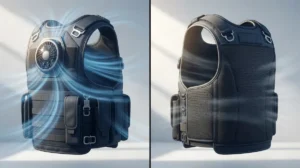
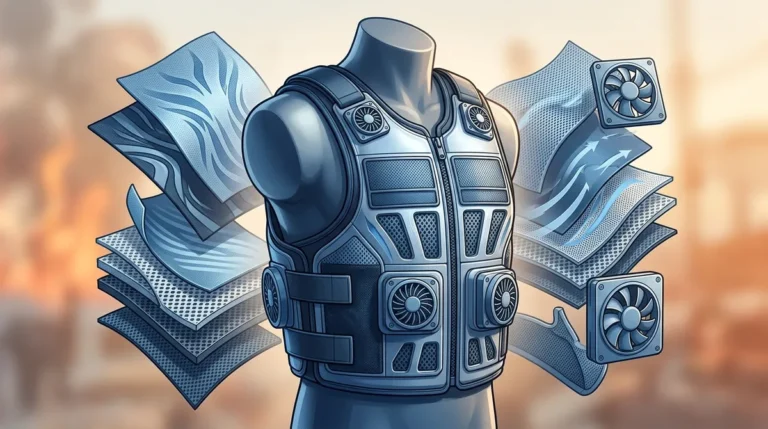
Invest in active cooling systems like fan-driven ventilation vests for extreme heat or high-intensity work, as passive cooling alone cannot effectively manage airflow on hot days with little breeze.
-
Always verify compatibility between cooling accessories and your specific armor setup (plate carrier, soft armor, wraparound vest) before purchasing, as poor fit is the leading reason people abandon these products.
-
Combine multiple cooling strategies—moisture-wicking base layer, ventilation vest, active fan system, and proper hydration—for maximum effectiveness rather than relying on a single cooling accessory.
-
Choose cooling accessories based on airflow design, material quality, and fit rather than price alone; well-designed ventilation products significantly outperform basic $20 spacer pads.
-
Confirm that any cooling accessory is NIJ-compliant and positioned correctly to avoid compromising ballistic protection or shifting armor panels out of place.
-
Check verified customer reviews from professionals in your same role before purchasing, as real-world feedback from law enforcement and security workers provides honest product performance insights.
Wearing body armor in hot weather is tough. The heat builds up fast, sweat soaks through your undershirt, and before long you’re distracted, uncomfortable, and drained. If you wear a vest every day for work, you know exactly what this feels like. The good news? The right bulletproof vest accessories for hot weather can make a huge difference. But here’s the catch — many people make avoidable mistakes that actually make things worse instead of better.
Whether you’re a police officer on a long patrol shift, a military professional in a hot deployment zone, or a security guard working outdoors all day, choosing and using your cooling accessories correctly matters a lot. In this article, we’re going to walk through nine mistakes you’ll want to avoid so you can stay cooler, drier, and more focused on the job.

Why Hot Weather Body Armor Accessories Matter
Body armor traps heat against your body. There’s simply no airflow between your skin and the vest. Over time, this causes your core temperature to rise, your sweat to build up, and your focus to fade. According to the OSHA Heat Stress Guide, heat-related illness is a serious occupational hazard — and professionals in heavy gear are among the most at risk.
That’s why breathable body armor accessories have become essential gear for serious professionals. The right products create an air gap between your skin and your armor, letting heat escape and air circulate. But choosing wrong — or using even good products incorrectly — can leave you no better off than before.
Mistake #1: Choosing Accessories Based on Price Alone
It’s tempting to go with the cheapest option. But not all hot weather accessories offer the same performance. A basic $20 foam insert and a well-designed ventilation vest are very different things. Products in this category range widely in price and capability — from simple spacer pads at around $20 to fully active fan-driven systems that offer hours of cooling airflow.
If staying cool directly affects your safety and performance on the job, it’s worth investing in gear that actually works. Choosing the right body armor cooling vest means looking at airflow design, material quality, and fit — not just the sticker price.
Mistake #2: Ignoring Compatibility with Your Armor Setup
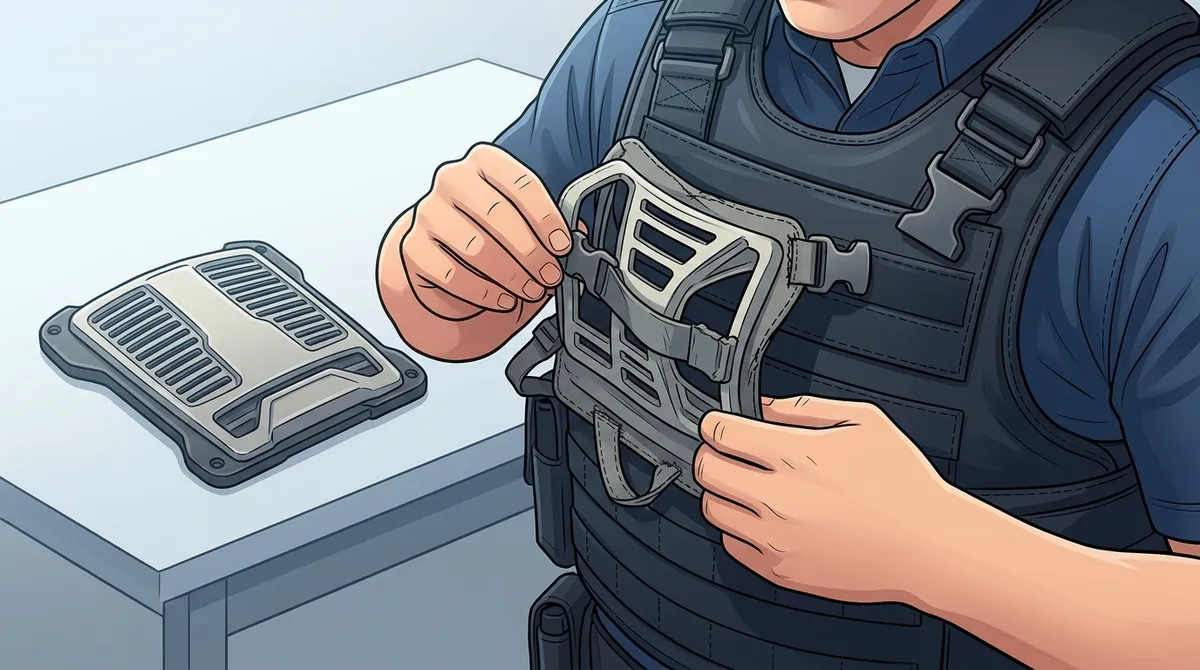
Not every cooling accessory fits every vest. Some products are designed for plate carriers while others work best with wraparound soft armor. When a product isn’t compatible with your specific armor setup, it can block the very airflow channels it’s supposed to open. Always check fit before committing to a product.
Poor fit is one of the most common reasons people give up on bulletproof vest accessories for hot weather — not because the technology doesn’t work, but because the wrong product was matched to the wrong armor. Check out this passive vs. active body armor ventilation comparison to understand which type suits your setup best.
Mistake #3: Relying Only on Passive Cooling
Passive accessories like mesh inserts and foam spacers can help — but they have real limits. On a hot day with little breeze, passive cooling just moves the same warm air around. If you’re working in extreme heat or doing high-intensity activity, passive cooling alone may not cut it.
Active cooling systems — like fan-driven ventilation vests — push fresh air through the gap beneath your armor continuously. That’s a much bigger comfort upgrade than a spacer pad on a 95-degree day. BluFano by BluHalo is a great example of active cooling done right. It slides under any style of body armor, runs for 8 to 32 hours depending on the fan setting, and includes a built-in 10,000mAh power bank. It even has a forward-facing light for low-light situations — a smart, multi-function tool for the field.
Mistake #4: Not Understanding the Difference Between Ventilation and Cooling Vests
These two terms get mixed up a lot, but they mean different things. A ventilation vest creates an air gap to allow passive airflow beneath your armor. A cooling vest typically uses phase-change materials, ice packs, or active fan systems to actively lower temperature. Each has its place, and knowing which one you need matters.
| Type | How It Works | Best For | Approx. Cost |
|---|---|---|---|
| Spacer/Foam Insert | Creates physical gap for passive airflow | Mild heat, short shifts | $20–$35 |
| Mesh Ventilation Vest | Breathable structure under armor | General daily use | $70–$100 |
| Phase-Change Cooling Vest | Absorbs body heat with special materials | Extreme heat, limited mobility | $100–$215 |
| Active Fan Ventilation System | Circulates fresh air with powered fan | Long shifts, high heat, high activity | $60–$150+ |
Mistake #5: Skipping Moisture Management
Staying cool isn’t just about temperature — it’s also about sweat. If moisture builds up against your skin with nowhere to go, you’ll feel hot, uncomfortable, and irritated even with a ventilation accessory in place. The best bulletproof vest accessories for hot weather combine airflow with moisture-wicking properties.
Look for products made from breathable, moisture-managing fabrics. Sweat management under body armor is a key part of all-day comfort, and it’s one area where better materials really pay off. Pairing a ventilation vest with a good moisture-wicking base layer makes a noticeable difference.
Mistake #6: Not Checking If Accessories Affect Ballistic Performance
This is a critical one. Cooling and ventilation accessories are designed to sit between your body and your armor — not to replace or modify the armor itself. A well-designed accessory should never compromise the protective panels or shift them out of position.
Always confirm that any product you use is intended to work with body armor and is positioned correctly. The Body Armor Standards from the NIJ provide helpful guidance on what matters for ballistic performance. Your protection comes first — comfort enhancements should never come at the cost of safety.
Mistake #7: Overlooking Inflation-Style Ventilation Vests
One of the most innovative solutions in this space is the inflatable ventilation vest. It sits flat and out of the way when deflated, then lifts your armor up to 1.5 inches off your body when inflated — creating a significant cooling air gap on demand. It’s a smart design that gives you control over when and how much ventilation you want.
The BluHalo ventilation vest works exactly this way. Created by a Chicago police officer who knew firsthand how brutal a long hot shift could be, BluHalo weighs under 7 ounces, attaches with Velcro, and inflates quickly whenever you need relief. Officers wearing it during 12-hour days in 95-degree weather have reported major comfort improvements. At $60, it’s an affordable and practical solution for everyday heroes.
| Feature | BluHalo Ventilation Vest | Typical Mesh Insert |
|---|---|---|
| Weight | Under 7 oz | Varies (1–9 oz) |
| Air Gap Created | Up to 1.5 inches | Fixed, limited |
| On-Demand Control | Yes – inflate/deflate as needed | No |
| Profile When Not in Use | Flat and low-profile | Always adds bulk |
| Price | $60 | $20–$100 |
Mistake #8: Not Layering Your Cooling Strategy
The best results come from combining more than one approach. Using only a ventilation vest is good. But pairing it with a fan system, a moisture-wicking base layer, and good hydration habits? That’s a full cooling strategy that can keep you comfortable through even the toughest shifts.
Here’s a simple layered cooling approach that works well for patrol officers, security professionals, and tactical teams:
- Start with a moisture-wicking base layer — pulls sweat away from skin right from the start.
- Add a ventilation vest — creates an air gap between your skin and armor to let heat escape.
- Use an active fan system — circulates fresh air through that gap continuously for deeper cooling relief.
- Stay well hydrated — your body’s own cooling system works better when you’re properly hydrated.
- Use vehicle AC during downtime — the BluFano fan system can help circulate cooled air from your vehicle’s AC under your vest during breaks.
Check out the best vest cooling systems for beating the heat in body armor for more ideas on how to build out your approach.
Mistake #9: Not Reading Reviews from Real Professionals
Marketing copy can say almost anything. What really tells you whether a product works is what people in the field say about it. Officers, soldiers, and security professionals who wear armor every day have real, unfiltered opinions about what helps and what doesn’t.
Before buying any bulletproof vest accessories for hot weather, look for verified feedback from people in your same role. Real customer reviews give you the honest picture. You can also reach out to the brand directly — a company that stands behind its product will always be happy to answer your questions before you buy.
Quick Comparison: Popular Hot Weather Vest Accessories
| Product Type | Active or Passive | Key Benefit | Limitation |
|---|---|---|---|
| Foam/Spacer Inserts | Passive | Lightweight, affordable | Minimal airflow in still air |
| Mesh Ventilation Vest | Passive | Consistent air gap | No moisture management |
| BluHalo Inflatable Vest | Passive (on-demand) | Adjustable air gap, low-profile | Manual inflation needed |
| BluFano Fan System | Active | Continuous airflow, long battery life | Requires charging |
| Phase-Change Cooling Vest | Active | Direct temperature reduction | Higher cost, recharge needed |
What to Look for When Choosing Hot Weather Accessories
Now that you know the mistakes to avoid, here’s a quick checklist for choosing the right gear:
- Compatibility: Will it fit your specific armor type — plate carrier, soft armor, or wraparound vest?
- Airflow design: Does it actually create and maintain an air gap, or just add a thin breathable layer?
- Active vs. passive: Do you need powered airflow for long hot shifts, or is passive ventilation enough?
- Weight and bulk: Will it add noticeable weight or change how your armor fits and moves?
- Moisture management: Does it help wick away sweat as well as move air?
- Ease of use: Can you put it on, adjust it, and take it off quickly during a shift?
If you want a deeper dive on this topic, the team at Brain Buzz Marketing has helped build out resources specifically for professionals navigating tactical gear decisions. You can also explore how to choose hot weather tactical gear that actually keeps you cool for a full breakdown.
Final Thoughts: Stay Cool, Stay Sharp
Heat isn’t just uncomfortable — it’s a real performance and safety issue for anyone who wears body armor on the job. The right bulletproof vest accessories for hot weather help you manage that heat before it manages you. Avoiding the nine mistakes above puts you in a much better position to find gear that actually works for your role, your armor, and your environment.
Whether you start with the affordable and clever BluHalo ventilation vest, step up to the powerful BluFano active fan system, or bundle them both for maximum relief, the goal is the same: cooler, drier, and more comfortable all shift long. You do important work every day — you deserve gear that keeps up with you.
Ready to find the right cooling solution for your setup? Get in touch with our team and we’ll help you figure out exactly what you need to beat the heat under your vest.
FAQs
Q: What are the best bulletproof vest accessories for hot weather?
A: The best options combine airflow and moisture management — think ventilation vests, active fan systems, and breathable base layers working together. Products like the BluHalo inflatable ventilation vest and the BluFano fan system are popular choices among law enforcement and security professionals who need reliable cooling during long, hot shifts.
Q: Do ventilation vests really keep body armor cooler?
A: Yes, they really do! By creating an air gap between your skin and your armor, ventilation vests allow heat to escape and fresh air to circulate — which makes a noticeable difference in comfort. Some products like the Maxx Dri Vest 4.0 have even been tested to show a 23°F cooler surface temperature compared to wearing armor without ventilation accessories.
Q: Can cooling accessories affect the ballistic protection of my vest?
A: When used correctly, no — cooling and ventilation accessories are designed to sit between your body and your armor without interfering with the protective panels. Always make sure any accessory you use is specifically designed for use with body armor and is positioned so it doesn’t shift your armor plates out of place.
Q: What is the difference between a ventilation vest and a cooling vest?
A: A ventilation vest creates a physical air gap to allow passive airflow beneath your armor, while a cooling vest typically uses active technology — like fans, phase-change materials, or ice packs — to actively reduce temperature. Both are useful, but active cooling generally performs better in extreme heat or during high-intensity work.
Q: Are spacer pads or mesh inserts better for hot weather body armor?
A: Both can help, but the right choice depends on your situation. Mesh inserts offer consistent breathability throughout the day, while spacer pads create a more defined air gap. For serious heat management, many professionals find that upgrading to an inflatable ventilation vest or an active fan system delivers much more noticeable relief than either of these basic options alone.