Key Takeaways
-
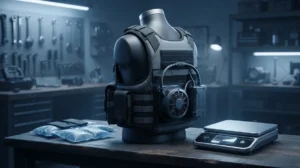
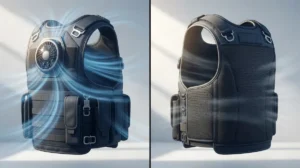
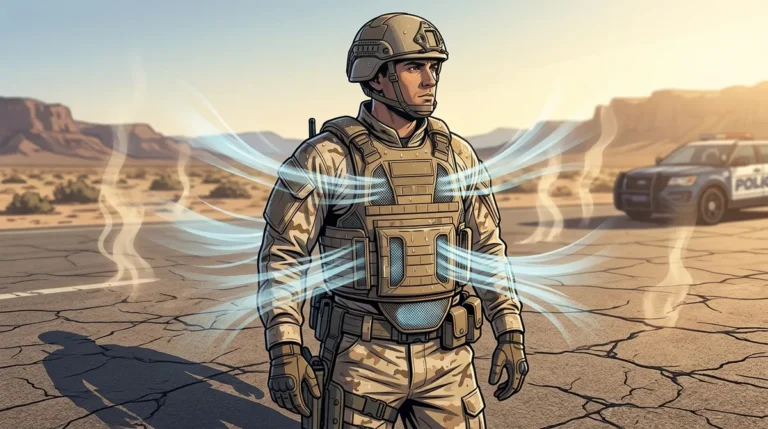
Trapped heat under body armor reduces focus and causes heat-related illness; ventilation systems creating just 0.75-inch air gaps can reduce body surface temperature by up to 14.5°F, significantly improving safety and performance.
-
Choose between passive systems (always-on, no batteries) like BluHalo for daily patrol or active fan systems (8-32 hour runtime) like Blufano for extended high-heat operations; many professionals use both for maximum cooling.
-
Key features to prioritize: 360-degree airflow around entire torso, antimicrobial moisture-resistant materials, high-density polyethylene mesh construction, adjustable straps for secure fit, and easy cleaning—these determine gear effectiveness.
-
Ventilation gear works best when combined with hydration, moisture-wicking base layers, and proper fit adjustment before shifts; use vehicle AC during breaks to enhance cooling effects during extended operations.
-
Over 250,000 tactical professionals worldwide use advanced ventilation systems with 20,000+ five-star reviews; this is a proven solution, not a trend, for law enforcement, military, security, and SWAT personnel in warm climates.
-
Most quality ventilation systems add minimal weight (BluHalo under 7 ounces) and lie flat when not in use, making them practical additions to existing gear without significant bulk or profile increase.
Working in body armor during summer is brutal. The heat builds fast, sweat soaks through your uniform, and focus starts to slip. If you’ve ever finished a long shift feeling like you ran a marathon in a sauna, you already know the problem. Hot weather tactical gear isn’t just about comfort — it’s about staying sharp, safe, and ready when it matters most.
The good news? In 2026, there are real solutions designed specifically for professionals who wear protective vests every day. From passive ventilation systems to active fan-driven cooling, today’s options are smarter, lighter, and more effective than ever. This guide will walk you through everything you need to know about choosing the right cooling gear for your needs.
Why Heat Is a Serious Problem Under Body Armor
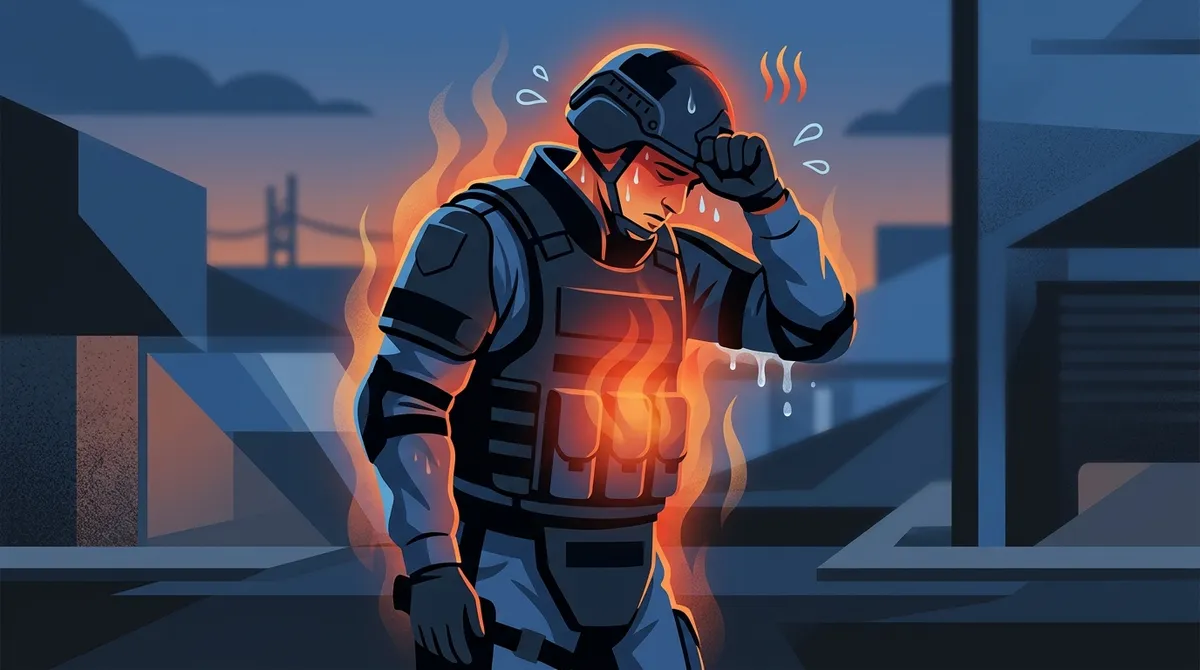
Body armor traps heat against your skin. It creates a sealed pocket where sweat has nowhere to go. Over time, that trapped moisture and heat leads to fatigue, reduced focus, and even heat-related illness. According to the OSHA Heat Stress Guide, heat stress is a real occupational hazard — and tactical professionals face it more than most.
The problem is made worse because modern body armor is designed for protection, not breathability. Even lightweight soft armor blocks airflow almost completely. Without a solution, your body works overtime just to regulate its temperature. That’s energy you need for the job.
What Is Hot Weather Tactical Gear for Ventilation?
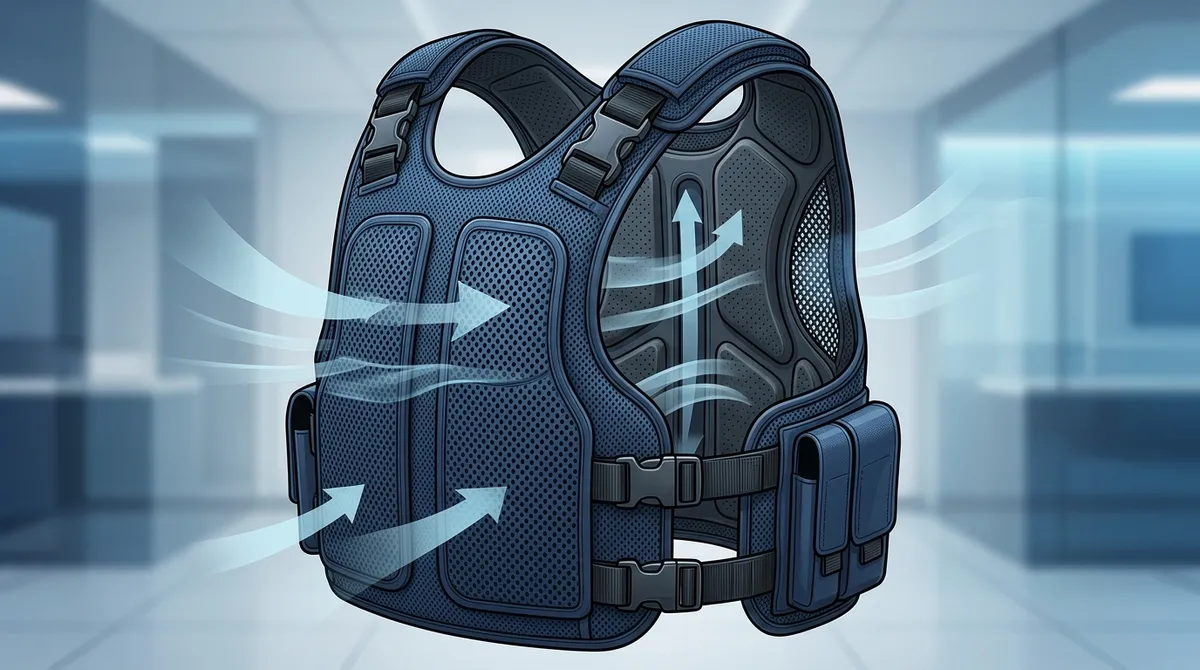
When we talk about hot weather tactical gear in the context of ventilation, we’re talking about systems worn under or alongside body armor to improve airflow. These aren’t fashion accessories — they’re functional tools that create a physical separation between your armor and your skin.
That gap might be as small as 0.75 inches (19 mm), but it makes an enormous difference. Air can move through that space, pulling heat and moisture away from your body. Testing has shown that passive ventilation devices alone can reduce body surface temperature by at least 14.5°F. That’s a significant drop — and it can make the difference between a comfortable shift and a dangerous one.
Want to understand the basics better? This breakdown on what vest ventilation is and why you need it is a great starting point.
Types of Tactical Cooling Systems Explained
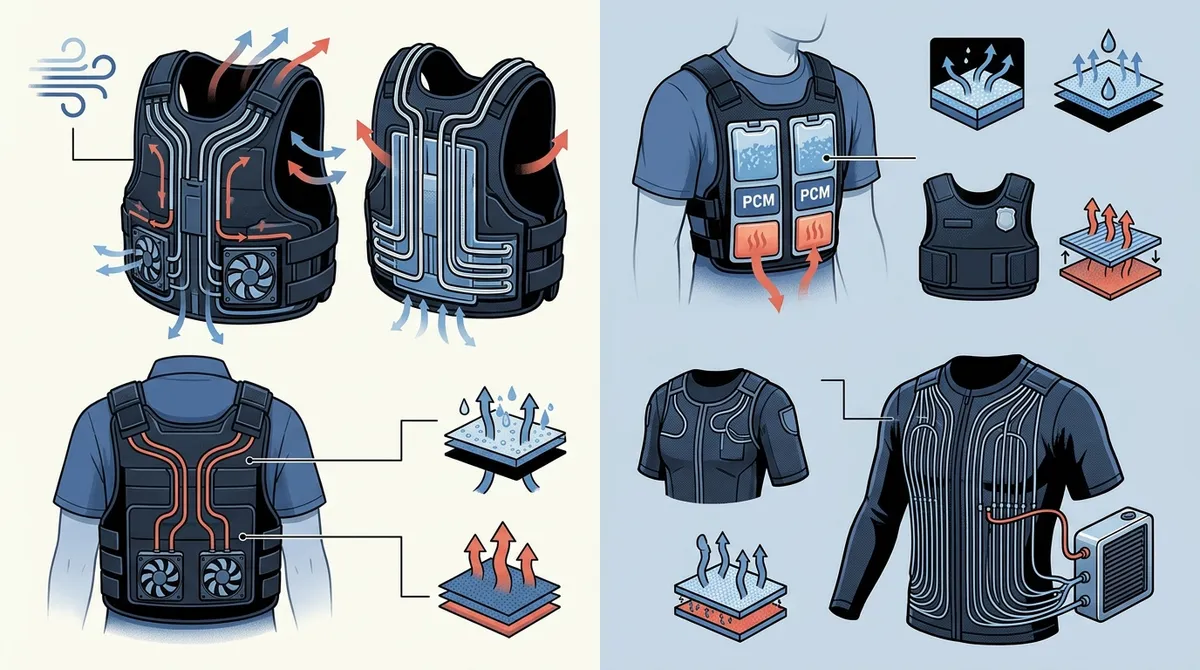
Not all ventilation gear works the same way. Here’s a quick look at the main types available in 2026:
| Type | How It Works | Best For | Key Benefit |
|---|---|---|---|
| Passive Ventilation Vest | Creates an air gap using structured mesh or frame | Patrol officers, security professionals | No batteries needed, always on |
| Inflatable Ventilation Vest | Inflates on demand to lift armor off the body | Law enforcement, military | Adjustable gap, ultra-low profile when deflated |
| Active Fan System | Uses a fan to circulate fresh air under armor | SWAT, high-intensity operations | Continuous airflow, faster cooling |
| Evaporative Cooling System | Moves air over moisture to create a cooling effect | Hot, dry climates | Works like a personal air conditioner |
Each type has its place. The right choice depends on your specific role, climate, and how long you’re wearing your gear each day.

How to Choose the Right Hot Weather Tactical Gear
Choosing the right system doesn’t have to be complicated. Follow these steps to find the best fit for your situation.
- Assess your heat exposure. Think about your typical shift. Are you outdoors in direct sun? Working in a hot vehicle? Indoors but still sweating heavily? The more intense your heat exposure, the more active your cooling solution should be.
- Consider your armor type. Some ventilation systems are designed for soft armor carriers, others for plate carriers. Make sure your chosen system is compatible with your setup. A good ventilation vest should fit securely underneath without shifting during movement.
- Think about weight and profile. You’re already wearing protective gear. Adding more bulk isn’t ideal. Look for systems that are lightweight and low-profile. The best options add minimal weight and lie flat when not in use.
- Decide between passive and active cooling. Passive systems are always working and require no power. Active systems use fans or pumps for stronger cooling but need charging. For most daily-wear situations, a combination of both offers the best results.
- Check for adjustability. Your gear needs to fit correctly to work correctly. Look for adjustable shoulder straps, side straps, and center dividers that let you customize the fit and prevent shifting during tactical movements.
For a more detailed guide, check out this helpful resource on how to choose the right body armor ventilation vest in 2026.
Key Features to Look for in Ventilation Gear
Once you understand the types and your needs, it’s time to evaluate specific features. Here’s what separates good hot weather tactical gear from great gear:
- 360-degree airflow: The best systems create separation around your entire torso, not just the back or front.
- Anti-microbial materials: Moisture-resistant and antimicrobial fabrics keep your gear clean and odor-free during long shifts.
- Durable construction: Look for high-density polyethylene or 3D polyester mesh with large perforations for maximum airflow and longevity.
- Backface deformation protection: Some ventilation vests also help reduce the effects of backface deformation from body armor impacts — a bonus safety benefit.
- Easy cleaning and maintenance: Your gear gets sweaty. Make sure it’s easy to wash and quick to dry.
The NIJ Body Armor Standards are a great reference for understanding what qualifies as protective gear and how ventilation systems should complement it.
BluHalo and Blufano: Top Choices for 2026
When it comes to hot weather tactical gear for ventilation, two products consistently rise to the top: the BluHalo ventilation vest and the Blufano fan system.
The BluHalo was actually created by a Chicago police officer who got tired of overheating on long, hot shifts. It weighs under 7 ounces, sits flat and unobtrusive when deflated, and can lift your vest up to 1.5 inches off your body when inflated. That air gap allows heat and moisture to escape continuously throughout your shift. It attaches easily with Velcro and inflates on demand — no complicated setup required.
The Blufano takes things a step further with an active fan system. It slides under any style of body armor and circulates fresh air continuously for 8 to 32 hours depending on the setting. It also includes a built-in 10,000mAh power bank for charging your devices and a forward-facing light for low-light situations. It’s a complete comfort upgrade for anyone who wears body armor regularly.
| Feature | BluHalo | Blufano |
|---|---|---|
| Cooling Type | Passive (inflatable air gap) | Active (fan-driven airflow) |
| Weight | Under 7 oz | Compact, self-contained unit |
| Battery Required | No | Yes (built-in 10,000mAh bank) |
| Run Time | Always on when inflated | 8–32 hours per charge |
| Extra Features | Low-profile, on-demand inflation | USB charging, forward light |
| Best For | Everyday patrol, light duty | Extended shifts, high-heat ops |
You can buy each product separately or bundle them together for maximum cooling performance. Many professionals use both — the BluHalo for passive, always-on separation and the Blufano for active airflow when the heat really cranks up. See the full lineup at the BluHalo ventilation gear shop.
Tips for Getting the Most Out of Your Cooling Gear
Even the best hot weather tactical gear works better when you use it correctly. Here are some practical tips to maximize your comfort on the job:
- Hydrate consistently. Ventilation gear reduces heat buildup, but it doesn’t replace hydration. Drink water regularly throughout your shift.
- Use your vehicle’s AC strategically. If you’re in a patrol car, use break time to actively cool down. The Blufano’s fan system pairs well with vehicle AC to speed up your cooldown time.
- Wear moisture-wicking base layers. Pairing your ventilation vest with the right undershirt improves results dramatically.
- Maintain your gear regularly. Rinse or wash your ventilation vest according to the manufacturer’s instructions to keep it performing at its best.
- Adjust fit before your shift. A properly adjusted ventilation system stays in place and works evenly. Take a minute before your shift to check straps and positioning.
For more tips on staying safe and comfortable, the article on how to prevent heat stress while wearing body armor is packed with actionable advice.
Who Needs Hot Weather Tactical Cooling Gear?
The short answer: anyone who wears body armor in warm conditions. But let’s be specific. If you fall into any of these categories, ventilation gear should be part of your kit:
- Law enforcement officers on daily patrol in warm climates
- Military personnel on extended missions in high-heat environments
- Armed security guards working outdoor posts or events
- SWAT and tactical team members in heavy protective gear
- Emergency responders wearing protective equipment in field conditions
Over 250,000 police, military, and security professionals worldwide already use advanced ventilation systems — and the products have earned more than 20,000 five-star reviews. That’s not a trend. That’s a proven solution to a real problem. Read what real users are saying on the BluHalo reviews page.
Even professionals in non-tactical roles can benefit. Just like clients of Segovia Orthodontics trust specialists for specialized care, tactical professionals deserve gear designed specifically for their unique demands — not off-the-shelf compromises. And just as All Trusted Lawn Care understands that consistent maintenance leads to better results, consistent use of the right ventilation gear leads to noticeably better comfort and performance over time.
Comparing Ventilation Gear Performance
| Condition | Without Ventilation Gear | With Ventilation Gear |
|---|---|---|
| Body Surface Temp | Significantly elevated | Up to 14.5°F cooler |
| Moisture Buildup | Heavy sweat accumulation | Moisture wicked and vented away |
| Focus and Alertness | Reduced over time | Maintained through better comfort |
| Odor and Hygiene | Rapid gear degradation | Antimicrobial materials slow buildup |
| End-of-Shift Fatigue | High due to heat stress | Noticeably reduced |
The numbers tell the story clearly. Ventilation gear isn’t a luxury — it’s a performance tool. For a deeper dive into the best systems available, this guide on best vest cooling systems and how to beat the heat in body armor covers everything in detail.
Final Thoughts and Next Steps
Choosing the right hot weather tactical gear comes down to understanding your environment, your armor, and your body’s cooling needs. Whether you go with a passive system like the BluHalo or add active fan cooling with the Blufano, investing in proper ventilation gear is one of the smartest decisions you can make for your health and performance.
You work hard to protect others. You deserve gear that works just as hard to protect you from heat stress. The right ventilation system will keep you cooler, drier, and more focused — shift after shift, all summer long.
Ready to find the perfect solution for your needs? Reach out to the BluHalo team and get personalized guidance on the best ventilation gear for your specific role and climate. Your coolest shift yet is just around the corner.
FAQs
Q: How does a ventilation vest help with hot weather tactical gear comfort?
A: A ventilation vest creates a physical gap between your body armor and your skin, allowing heat and moisture to escape instead of building up. That simple air gap can reduce your body surface temperature by up to 14.5°F — which is a huge relief on a long, hot shift!
Q: Can I use a ventilation vest with any type of body armor?
A: Most ventilation vests are designed to work with a wide range of body armor styles, including soft armor carriers and plate carriers. Products like the BluHalo and Blufano are specifically built to fit under any style of armor, so compatibility is rarely an issue.
Q: What is the difference between passive and active ventilation for tactical gear?
A: Passive ventilation uses physical structure (like an inflatable gap or mesh frame) to allow natural airflow without any power source. Active ventilation uses a fan to circulate fresh air continuously and tends to provide faster, more powerful cooling — great for high-heat operations.
Q: How much weight does hot weather tactical ventilation gear add to my kit?
A: Most quality ventilation systems are surprisingly lightweight. The BluHalo, for example, weighs under 7 ounces and lies flat when deflated, so you barely notice it’s there. Adding cooling gear doesn’t mean adding bulk!
Q: How do I maintain my ventilation vest to keep it working well?
A: Regular cleaning is key — most ventilation vests can be rinsed or washed according to the manufacturer’s instructions. Many are made with antimicrobial, moisture-resistant materials that help keep odors and bacteria at bay even with frequent use.