Key Takeaways
-
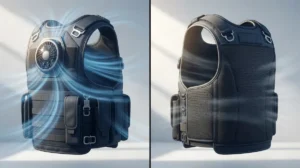
Vest ventilation accessories create critical air gaps that prevent heat buildup and moisture trapping during long shifts in protective gear.
-
Ventilation pontoons provide targeted cooling by creating elevated spaces between body and armor plates, promoting air circulation.
-
Full separation vest systems offer 360-degree airflow, keeping users consistently cooler without complex mechanisms or power requirements.
-
Active fan ventilation systems provide continuous cooling power, with adjustable settings and long battery life for extended professional use.
-
Inflatable cooling accessories offer flexible, on-demand ventilation that can be quickly deployed or deflated based on environmental conditions.
-
Layering ventilation accessories strategically – starting with moisture-wicking base layers and ending with armor – maximizes overall cooling effectiveness.
-
Modular ventilation systems allow targeted replacement of individual components, making maintenance affordable and extending overall gear lifespan.
When you wear body armor or protective vests for hours every day, staying cool and comfortable isn’t just nice to have—it’s essential for staying focused and safe. The right vest accessories can completely transform how your gear feels, especially during long shifts in hot weather. Whether you’re a law enforcement officer, security professional, or military personnel, choosing accessories that boost airflow and reduce heat buildup makes a real difference in your daily comfort.
In 2026, vest ventilation technology has come a long way. Modern accessories focus on creating separation between your body and armor, allowing air to circulate and moisture to escape. This guide will walk you through everything you need to know about selecting the best cooling and ventilation accessories for your protective vest, so you can perform at your best without battling heat exhaustion.
Understanding Vest Ventilation Accessories
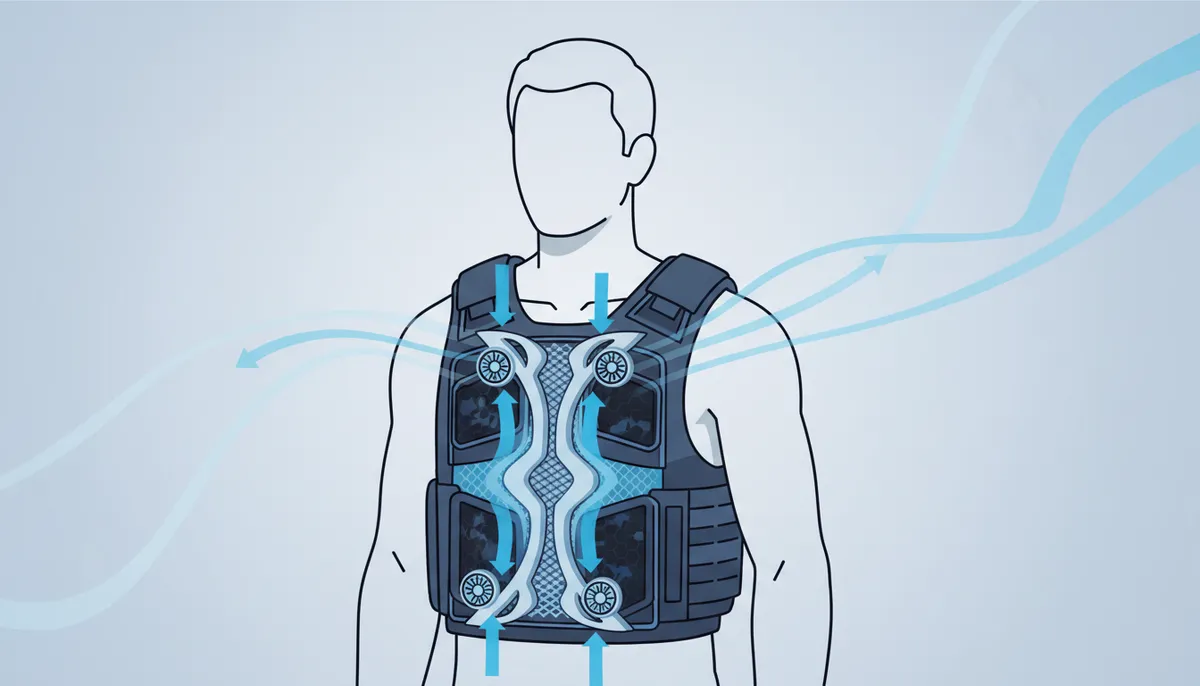
Vest accessories for ventilation work by creating space between your body and your armor. This simple concept makes a huge difference. When your vest sits flat against your chest and back, heat and sweat get trapped with nowhere to go. You end up soaking wet and overheated, which drains your energy and makes it harder to focus on your job.
The best ventilation accessories use different approaches to solve this problem. Some create physical standoffs that lift the vest away from your body. Others use special materials that promote airflow even when compressed. And some combine both methods for maximum cooling power.
Think of it like this: your body is constantly producing heat, especially when you’re active. Without ventilation, wearing body armor is like wrapping yourself in a blanket on a hot day. Ventilation accessories create pathways for that heat to escape and for fresh air to reach your skin.
Types of Ventilation Accessories
The ventilation accessory market includes several different product categories. Ventilation pontoons are foam or inflatable inserts that create air gaps behind armor plates. Harness pads replace standard foam padding with breathable alternatives. Stand-off systems use specialized materials to maintain airflow channels. And active ventilation devices use fans to push air circulation.
Each type has its place depending on your needs, budget, and the type of armor you wear. Some work best with plate carriers, while others are designed for soft vests. The key is understanding what problem you’re trying to solve and matching it with the right solution.
Ventilation Pontoons and Stand-Off Systems
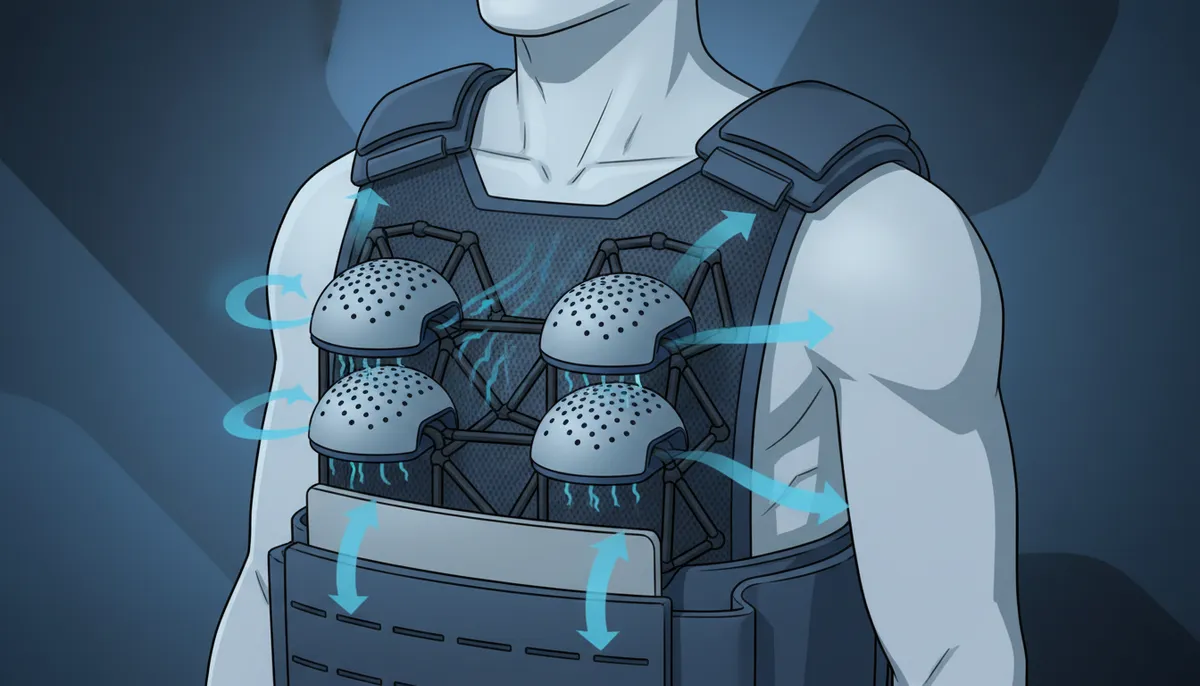
Ventilation pontoons are one of the most popular accessories for plate carriers and hard armor systems. These inserts sit between your body and the armor plate, creating a cushioned air gap that promotes cooling. ICEVENTS® Classic Plate Carrier Ventilation Pontoons provide stand-off ventilation and padding against hard body armor, promoting evaporative cooling inside plate carriers or soft vests.
These pontoons work through a combination of elevation and airflow channels. When you move, air naturally flows through the spaces created by the pontoons. This movement helps evaporate sweat from your skin, which cools you down more effectively than just having an air gap alone.
Modern pontoon systems often use materials like Stimulite®, a honeycomb-like structure that forces air movement with your natural motion. The harder you work and move, the more air flows through the system. It’s like having automatic climate control that adjusts based on your activity level.
Installing and Positioning Pontoons
Getting the placement right makes a big difference in how well pontoons work. For plate carriers, you typically want pontoons positioned directly behind the front and back plates. This creates the maximum cooling effect in the areas where heat buildup is worst.
Most modern pontoons attach with Velcro or integrate with MOLLE webbing, making them easy to install and remove for washing. ICEVENTS® Classic Ventilated AVS Harness Pad Set replaces standard foam pads in Crye Precision AVS systems with four ventilated pontoons for improved airflow and comfort.
| Pontoon Feature | Benefit | Best For |
|---|---|---|
| Stand-off design | Creates air gap for cooling | All armor types |
| Impact absorption | Reduces plate pressure points | Extended wear |
| Modular attachment | Easy cleaning and maintenance | Daily use gear |
| Low profile | Minimal bulk addition | Covert operations |
Vest Separation Systems for Maximum Airflow
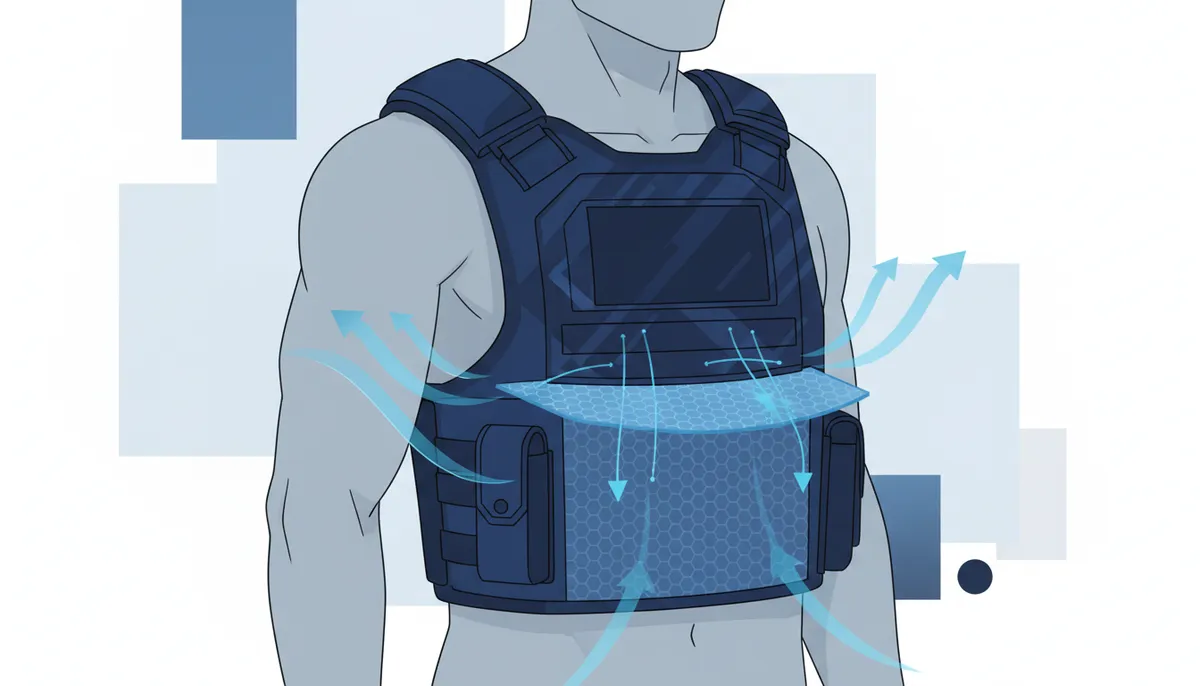
Full vest separation systems take ventilation to the next level by creating 360-degree separation between your body and armor. Unlike pontoons that focus on specific areas, separation vests work across your entire torso to maximize cooling.
Maxx-Dri Vests create 360-degree separation between body and armor to allow heat and moisture escape, keeping users cooler and drier. These systems typically use a mesh or channeled fabric that sits against your skin, with the vest or armor worn over the top. The design maintains consistent airflow all around your torso, not just in specific spots.
The beauty of full separation systems is their simplicity and effectiveness. You don’t need batteries, pumps, or complex installation. Just put on the separation vest, wear your armor over it, and the system works automatically as you move and breathe.
Choosing Between Different Separation Vest Models
When shopping for separation vests, you’ll find several generations and styles available. The Maxx-Dri Vest 3.0 (priced at $69.95-$89.00) focuses on full 360-degree ventilation with a basic design. The Maxx-Dri Vest 4.0 ($99.00, rated 4.83/5.0 from 6 reviews) adds improved materials and construction. And the Maxx-Dri Vest 5.0 ($139.95, discounted from $160.00, also 4.83/5.0 from 6 reviews) includes the latest ventilation technology.
Higher-end models typically offer better durability, more effective moisture management, and improved comfort during extended wear. But even basic models provide significant cooling benefits compared to wearing armor without any ventilation system. Your choice should depend on how often you wear your vest, how hot your environment gets, and your budget.
For law enforcement officers working 12-hour shifts in summer heat, investing in a top-tier separation system pays for itself quickly in improved comfort and energy levels. Security professionals with less demanding schedules might find mid-range options perfectly adequate.
Active Ventilation Fan Systems
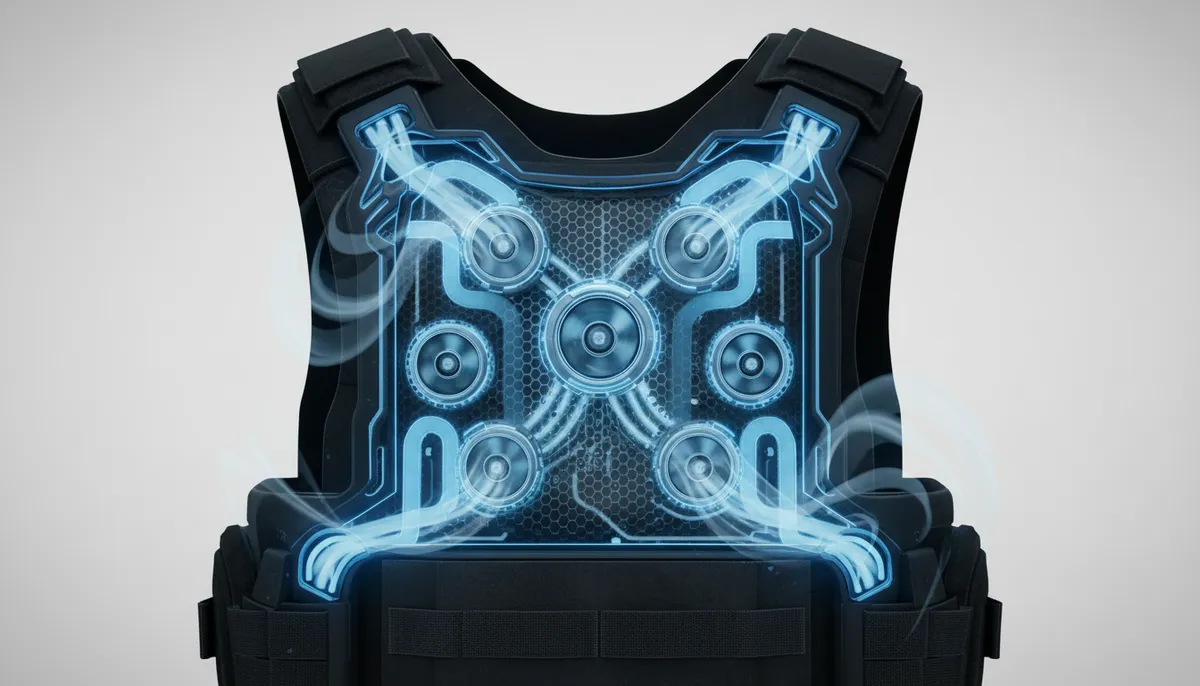
While passive ventilation systems work well, active fan-based systems provide the strongest cooling power available. These accessories use small, quiet fans to push continuous airflow under your armor, preventing heat buildup before it starts.
Active ventilation options push continuous airflow under armor to prevent heat buildup. The Blufano ventilation system exemplifies this approach with a patented air-redirect spout that slides under any style of body armor, delivering adjustable fan-driven airflow for 8 to 32 hours depending on your chosen setting.
The advantage of fan systems is consistent cooling regardless of your activity level. Even when you’re sitting still in a vehicle or standing post, the fan continues circulating air. This makes them particularly valuable for situations where you need cooling but aren’t moving enough to generate natural airflow.
Power Management and Runtime
One concern with fan-based systems is battery life. You need enough runtime to get through your entire shift without recharging. Modern systems like Blufano include built-in 10,000mAh power banks that provide all-day operation while also allowing you to charge USB devices like your phone.
The adjustable fan settings let you balance cooling power with battery life. Run it on high during the hottest parts of the day, then dial it back during cooler periods to extend runtime. This flexibility ensures you always have cooling when you need it most without running out of power at the wrong time.
| Fan System Feature | Runtime Impact | Cooling Benefit |
|---|---|---|
| Low speed setting | 24-32 hours | Moderate constant airflow |
| Medium speed setting | 12-16 hours | Strong cooling for extended shifts |
| High speed setting | 8-10 hours | Maximum cooling in extreme heat |
| 10,000mAh battery | Full shift coverage | No cooling interruptions |
Inflatable Cooling Accessories
Inflatable vest accessories offer unique advantages for officers and professionals who need cooling on demand. These systems sit flat when deflated, adding virtually no bulk to your profile. When you need cooling, simply inflate them to create an air gap that lifts your vest away from your body.
The BluHalo ventilation vest weighs under 7 ounces and sits flat when deflated, but can lift your vest up to about 1.5 inches off your body when inflated. This creates substantial airflow space without permanently adding bulk to your gear profile.
Inflatable systems work great for situations where you need cooling flexibility. Inflate during hot outdoor activities, then deflate when you move indoors to air conditioning or need a lower profile. The ability to adjust your ventilation on the fly gives you control over your comfort throughout the day.
Installation and Daily Use
Most inflatable accessories attach with Velcro to the inside of your vest, making installation straightforward. Make sure you’re attaching to a clean surface for the best hold. You’ll use a small pump (usually included) to inflate the system when needed, which typically takes less than a minute.
A quick-release button lets you deflate instantly when you want the vest to sit flat again. This feature is valuable when you need to quickly change your profile or when you’re moving from hot outdoor conditions to climate-controlled spaces. The inflation and deflation process is simple enough to do even with gloves on.
For daily users, inflatable systems require minimal maintenance. Just keep the Velcro clean and check occasionally for any air leaks. The double-layer construction used in quality systems like BluHalo ensures durability for years of regular use.
Combining Multiple Ventilation Accessories
You don’t have to choose just one type of ventilation accessory. Many professionals combine different systems to maximize cooling effectiveness. For example, you might use ventilation pontoons behind your armor plates along with an inflatable separation system for full torso cooling.
The bundled approach works well because different accessories target different aspects of the heat problem. Pontoons create localized high-flow areas behind plates, while separation vests handle overall torso cooling. Add an active fan system, and you’re pushing fresh air through the entire ventilation network.
BluHalo and Blufano can be purchased individually or bundled together at a discount to maximize cooling performance under your gear. This combination gives you both on-demand elevation (from BluHalo) and continuous fan-driven airflow (from Blufano) working together.
Layering Strategies for Maximum Comfort
When using multiple accessories, the order matters. Start with what touches your skin—typically a moisture-wicking base layer or separation vest. Next add any inflatable or pontoon systems that create air gaps. Finally, wear your armor over the entire setup.
This layering approach ensures each component can do its job without interfering with the others. The separation vest manages moisture close to your skin, the air gap accessories create cooling space, and your armor sits properly positioned on top of everything.
- Put on moisture-wicking base layer or separation vest against skin
- Attach and position inflatable accessories or ventilation pontoons
- Secure modular padding components to vest or carrier
- Don body armor ensuring all accessories remain properly positioned
- Test range of motion and adjust straps for proper fit
Maintenance and Care for Ventilation Accessories
Taking care of your ventilation accessories extends their life and keeps them working effectively. Most systems include removable components that you can wash separately from your vest or armor. This is important because the accessories collect sweat and bacteria just like any other gear worn close to your body.
Modular designs allow customizable placement via Velcro or MOLLE compatibility, enabling easy integration and maintenance by washing pads separately. Follow the manufacturer’s washing instructions, but most can be hand-washed with mild soap or machine-washed in a mesh bag on gentle cycle.
For fan-based systems, keep the air intake areas clear of lint and debris. A quick inspection before each shift prevents reduced airflow from clogged vents. Check battery charge levels regularly and develop a charging routine so your system is always ready when you need it.
Replacing Worn Components
Even quality accessories eventually wear out with daily use. Watch for signs that replacement is needed: compressed foam that no longer springs back, Velcro that doesn’t hold strongly, or materials that have thinned from repeated washing.
The modular nature of most ventilation systems means you can replace individual components without buying an entirely new setup. A set of ventilation pads might last 12-18 months with daily use, while the structural components of your carrier or vest last much longer.
According to the OSHA Heat Stress Guide, maintaining proper cooling equipment is essential for worker safety in hot environments. Regularly checking and replacing worn ventilation accessories isn’t just about comfort—it’s about protecting yourself from heat-related illness during demanding shifts.
Budget Considerations and Value
Ventilation accessories range from under $70 for basic separation vests to over $140 for advanced multi-feature systems. For many professionals, this feels like a significant expense on top of already costly body armor. But the investment pays dividends in daily comfort and long-term health.
Consider the cost per use. If a $100 ventilation system lasts 18 months and you wear it 250 days per year, that’s about 27 cents per day to stay significantly cooler and more comfortable. When you factor in reduced fatigue, better focus, and decreased risk of heat illness, the value becomes clear.
Start with accessories that address your biggest pain points. If heat behind armor plates bothers you most, begin with ventilation pontoons. If overall sweat and moisture is your main issue, a separation vest might be the better first purchase. You can always add more components as budget allows.
| Accessory Type | Price Range | Primary Benefit | Best First Purchase For |
|---|---|---|---|
| Basic separation vest | $69-$89 | Full torso ventilation | Budget-conscious buyers |
| Advanced separation vest | $99-$140 | Enhanced materials and cooling | Daily vest wearers |
| Ventilation pontoons | $40-$80 | Targeted plate area cooling | Plate carrier users |
| Active fan system | $150-$250 | Continuous powered airflow | Extreme heat environments |
Professional Recommendations and User Experiences
ICEVENTS® technology is used by tens of thousands of U.S. and Allied military, law enforcement, security contractors, and prepared citizens. This widespread adoption across professional communities speaks to the real-world effectiveness of quality ventilation accessories.
User testimonials consistently highlight improved comfort during long, hot shifts. Officers report staying cooler, sweating less, and maintaining better focus during 12-hour days in 95-degree weather. The difference is especially noticeable during high-activity situations like foot pursuits or extended outdoor assignments.
Security professionals working convention centers, outdoor events, and industrial facilities report similar benefits. The ability to stay comfortable in body armor for entire shifts without heat exhaustion means better alertness and job performance. For many, ventilation accessories have made the difference between tolerating their job and truly being able to perform at their best.
What Military and Tactical Users Report
Military personnel operating in high-heat environments particularly value ventilation accessories. Deployed soldiers wearing tactical body armor for extended missions need effective thermal management to maintain operational capability. The combination of physical exertion, heavy gear, and environmental heat makes cooling technology essential, not optional.
Tactical and SWAT teams engaged in high-intensity operations with heavy body armor require advanced cooling technology to maintain peak physical performance. The Body Armor Standards set by the National Institute of Justice focus on protection, but comfort and thermal management are equally critical for real-world operational effectiveness.
Emergency response personnel including firefighters and hazmat teams face even more extreme heat challenges. While their protective gear differs from ballistic vests, many use similar ventilation accessories to prevent heat exhaustion during extended operations in high-temperature environments.
Making Your Selection
Choosing the right vest accessories comes down to understanding your specific needs. Consider these key factors: How many hours do you wear your vest daily? What’s the typical temperature and humidity in your work environment? Does your job involve mostly stationary work or active movement? What’s your realistic budget for cooling equipment?
If you’re wearing a vest 8-12 hours daily in warm climates, investing in a comprehensive ventilation system makes sense. Combine a separation vest with an active fan system for maximum cooling. For part-time wear or moderate climates, a basic separation vest or set of ventilation pontoons might be perfectly adequate.
Don’t forget about compatibility with your existing gear. Check whether accessories are designed for soft vests, plate carriers, or both. Verify that attachment systems work with your specific vest model. And if you’re considering multiple accessories, ensure they can work together without interference.
Testing and Adjustment Period
Give new ventilation accessories a proper trial period. It might take a few days to find the optimal positioning and adjustment for your body and vest style. Don’t make final judgments after just one shift. Try different inflation levels with inflatable systems, experiment with pontoon placement, and adjust fan speeds to find what works best for you.
Most professionals notice significant improvement immediately, but fine-tuning the setup takes a little time. Pay attention to which areas of your torso get the most cooling benefit and which might need additional ventilation. This helps you decide whether you need supplemental accessories or just adjustment of what you already have.
Your fellow officers, security professionals, or team members can be valuable resources. If someone on your team already uses ventilation accessories, ask about their experience. Many departments and organizations are starting to recognize the value of cooling equipment and may even provide it or offer reimbursement for approved accessories.
Future Developments in Vest Cooling Technology
The vest ventilation industry continues to innovate in 2026. New materials with improved moisture-wicking and airflow properties are regularly introduced. Fan systems are becoming more efficient, offering longer runtime with the same battery capacity. And integration between different accessory types is improving, making combined systems work better together.
Smart technology is beginning to appear in some high-end systems. Temperature sensors that automatically adjust fan speed based on body heat, apps that track cooling performance over time, and battery management systems that optimize runtime are all emerging features. While not yet standard, these technologies point toward the future of vest cooling.
For most users, current technology already provides excellent cooling performance. The basics—creating air gaps, promoting circulation, and managing moisture—work extremely well with existing products. Future innovations will refine and optimize these approaches but the fundamental principles of effective vest ventilation are well established.
As more professionals discover the benefits of ventilation accessories, demand drives further innovation and often better pricing. What might have been a specialty item five years ago is now standard equipment for many law enforcement agencies and security companies. This growing market means more options and better value for buyers.
Taking Action to Stay Cooler
The difference between wearing body armor with and without proper ventilation accessories is dramatic. If you’ve been suffering through hot, sweaty shifts in your vest, you don’t have to keep tolerating that discomfort. The right accessories can transform your daily experience, helping you stay focused, comfortable, and safe even in the most challenging conditions.
Start by identifying which type of ventilation system best matches your needs and budget. Browse options at the Shop to see the latest ventilation solutions designed specifically for professionals who wear body armor daily. Whether you choose passive separation systems, active fan-based cooling, or a combination approach, the investment in your comfort and performance is worth making.
Don’t let another summer of overheating and exhaustion go by without taking action. Modern ventilation accessories are proven, trusted by thousands of professionals, and more affordable than ever. Your body will thank you, your performance will improve, and you’ll wonder why you didn’t make the switch sooner. Ready to experience the difference? Get in touch with our team to find the perfect ventilation solution for your specific gear and working conditions.
FAQs
Q: What vest accessories work best for cooling under body armor?
A: The best cooling accessories combine separation systems with active airflow. Ventilation pontoons create air gaps behind armor plates, while separation vests provide 360-degree cooling around your torso. For maximum effect, fan-based systems like Blufano push continuous airflow under your vest. Many professionals use a combination of these accessories for optimal comfort during long shifts.
Q: How much do quality vest ventilation accessories typically cost?
A: Basic separation vests start around $69-$89, while advanced models range from $99 to $140. Ventilation pontoons typically cost $40-$80, and active fan systems run $150-$250. While this might seem pricey upfront, the daily comfort improvement and reduced heat stress make it a worthwhile investment for anyone wearing body armor regularly.
Q: Can I use multiple ventilation accessories together?
A: Yes, combining different accessories often provides the best results. You can layer a separation vest as your base, add ventilation pontoons behind armor plates, and include an inflatable or fan system for extra cooling. Just make sure to layer them properly—moisture-wicking layer first, then air gap accessories, with armor on top—so each component works effectively without interfering with the others.
Q: How long do vest ventilation accessories typically last?
A: With regular daily use, most ventilation accessories last 12-18 months before needing replacement. The lifespan depends on how often you wear them, how well you maintain them, and the quality of the materials. Higher-end systems with better construction typically last longer. Modular designs are great because you can replace individual worn components without buying an entirely new setup.
Q: Do ventilation accessories add bulk to my vest profile?
A: Quality ventilation accessories add minimal bulk while providing significant cooling benefits. Inflatable systems like BluHalo sit completely flat when deflated, adding virtually no profile. Separation vests are typically thin mesh materials that add less than a quarter-inch. Even ventilation pontoons are designed low-profile, and the slight thickness is offset by the major comfort improvement they provide during extended wear.