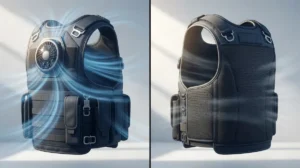
Key Takeaways
-
Active ventilation systems with adjustable fan speeds outperform passive ice pack solutions for full-shift wear, offering 8-32 hours of battery life versus 2-4 hours of cooling before requiring replacement.
-
Choose cooling vests weighing under 8 ounces with low-profile designs that sit flat when deflated to avoid interfering with movement, gear compatibility, or uniform printing during tactical operations.
-
Verify compatibility with your specific body armor carrier before purchasing, as most systems attach via velcro or adhesive patches and should work universally across different armor styles without permanent modifications.
-
Quality cooling vests with brushless motors and rechargeable batteries last 3-5 years of daily use, making premium systems ($150-$200) more cost-effective long-term than cheaper alternatives that fail after months.
-
Active ventilation systems prevent heat buildup by creating airflow gaps under armor that allow sweat to evaporate faster, adapting to changing conditions through adjustable fan speeds for different activity levels.
-
Officers in climates exceeding 80°F should prioritize systems designed specifically for law enforcement duty use with quiet fan operation that doesn’t compromise stealth during operations or standard patrols.
When you wear body armor every day, the heat and sweat can become overwhelming. Your vest traps heat against your body, creating a layer of moisture that makes long shifts feel even longer. If you’ve ever peeled off your vest after a 12-hour day and felt that rush of cool air, you know exactly what we’re talking about. The good news? Body armor cooling vests exist to solve this exact problem, and choosing the right one can transform your daily comfort at work.
Body armor cooling vests are specially designed systems that sit under your protective gear and create airflow to reduce heat buildup and moisture. Unlike regular cooling vests you might see for outdoor recreation, these are built specifically for the unique challenges of wearing ballistic protection. They need to fit under your armor without adding bulk, work quietly during operations, and deliver consistent cooling relief throughout your entire shift.
In this guide, we’ll walk you through everything you need to know about selecting a body armor cooling vest that actually works for your needs. Whether you’re in law enforcement, military service, security, or emergency response, understanding the key features and options will help you make a smart choice that keeps you cooler and more focused on the job.
Understanding How Body Armor Cooling Vests Work
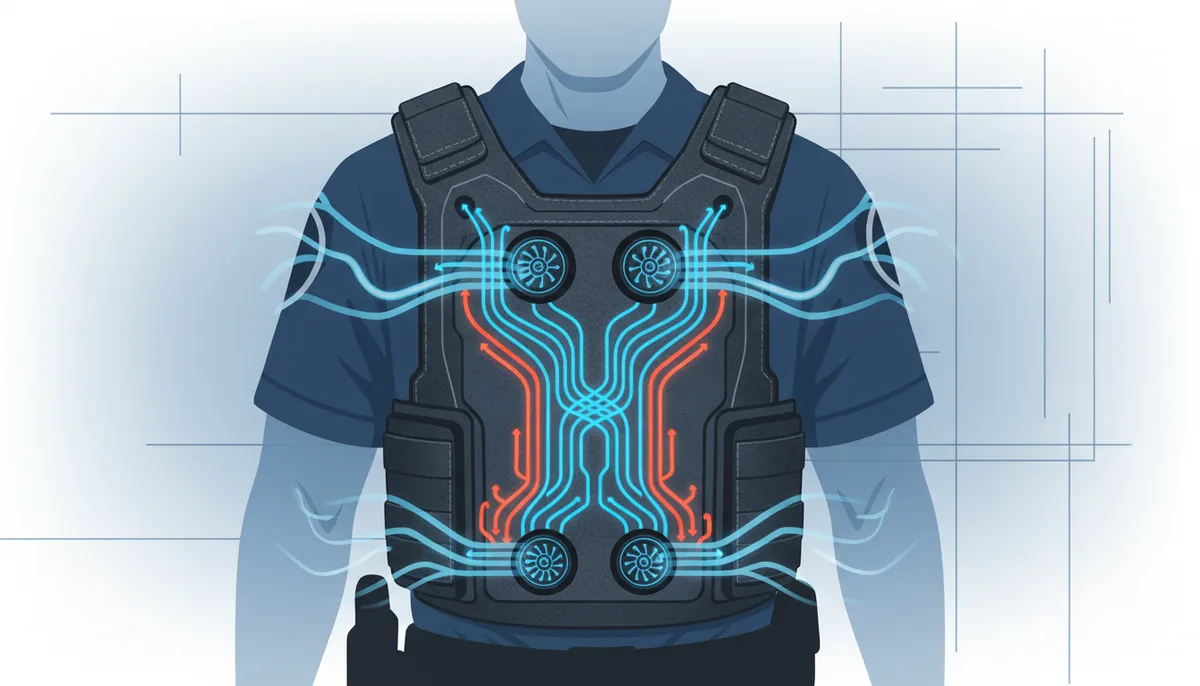
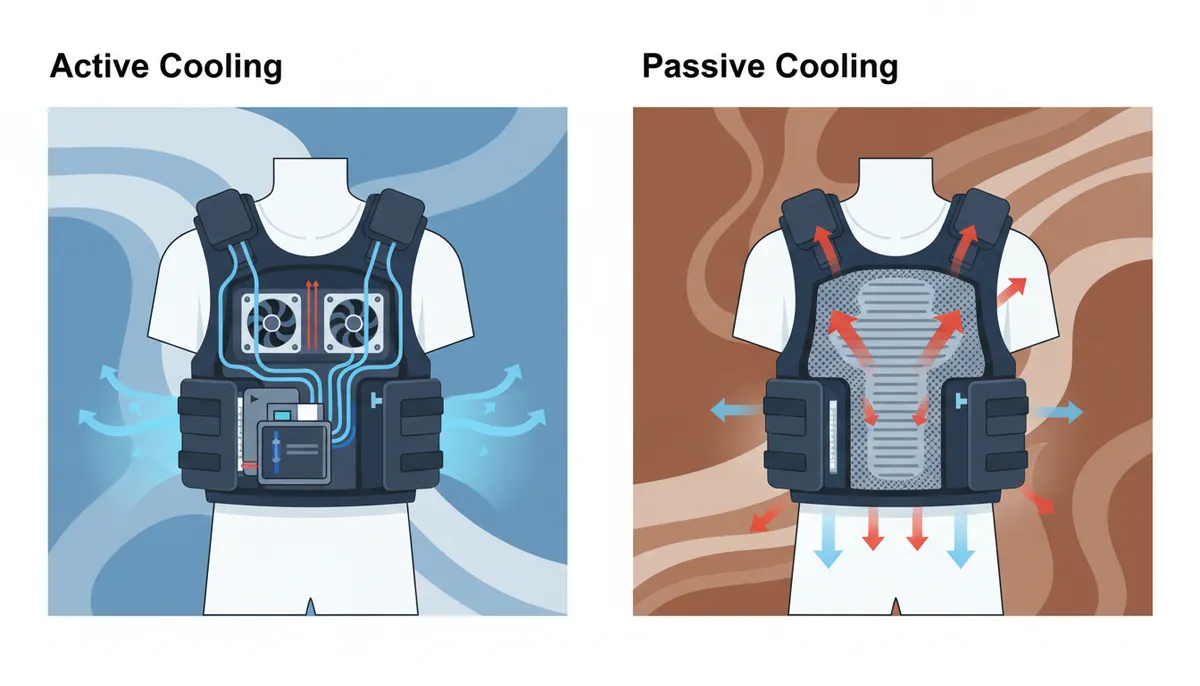
Before you choose a cooling vest, it helps to understand the basic technology. Most body armor cooling systems use one of two approaches: passive cooling or active ventilation. Passive systems rely on evaporative cooling or ice packs, while active systems use fans and airflow to move heat away from your body.
Active ventilation systems, like those from BluHalo, work by creating an air gap between your body and your armor. This gap allows heat and moisture to escape instead of getting trapped against your skin. Small fans circulate fresh air through this space, keeping you drier and cooler even during hot weather or high-intensity activity.
The science is simple but effective. Your body naturally produces heat and sweat when working in protective gear. Without airflow, that heat has nowhere to go. A good ventilation vest solves this by constantly moving air, which helps sweat evaporate faster and prevents the greenhouse effect that happens under sealed armor.
Key Features to Look for in a Cooling Vest
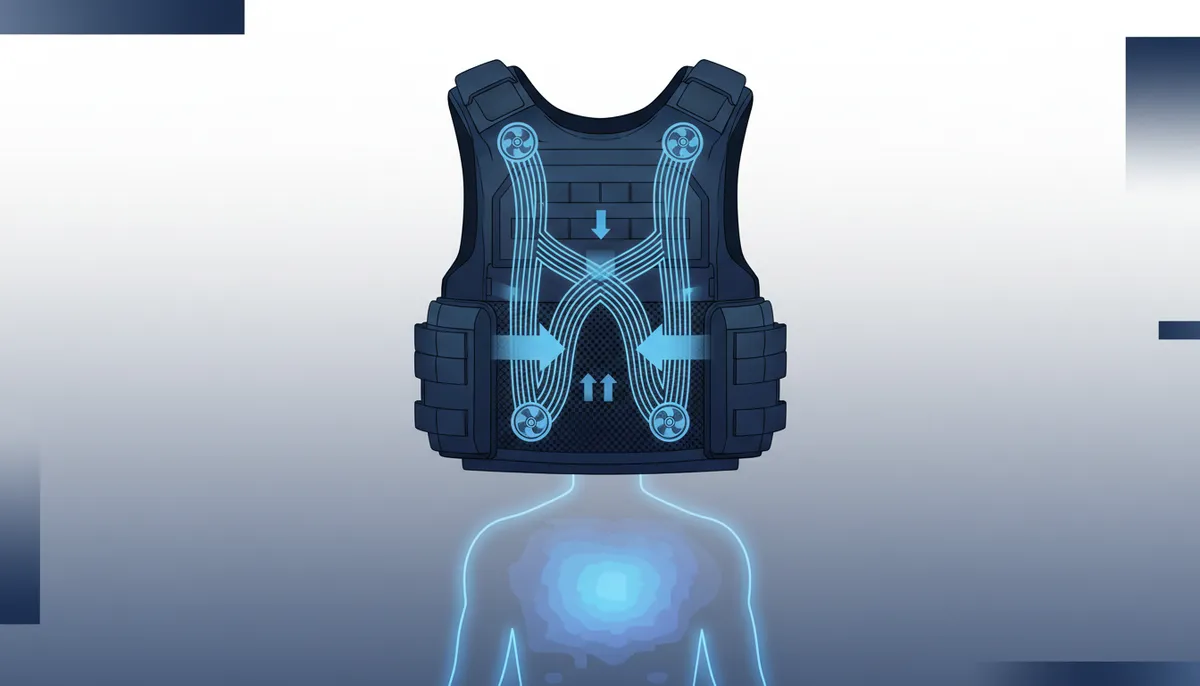
Not all body armor cooling vests are created equal. When you’re shopping for one, certain features make a real difference in how well it performs during actual use. Here’s what matters most:
Weight and Profile
You already carry enough weight with your body armor and duty belt. Your cooling vest shouldn’t add noticeable bulk or heaviness. Look for systems that weigh less than 8 ounces and sit flat against your body when not in use. The Bluhalo vest, for example, weighs under 7 ounces and becomes nearly invisible when deflated, so you barely notice it’s there.
A low-profile design means the vest won’t interfere with your gear, won’t print through your uniform, and won’t catch on equipment when you’re moving quickly. This matters especially for tactical operations or situations where you need full mobility.
Battery Life and Power Options
Active cooling systems need power to run their fans. Check how long the battery lasts on a single charge and whether it matches your typical shift length. Some systems offer 8 hours of runtime, while others can go 24 hours or more depending on fan speed settings.
Also consider whether the system includes a built-in power bank that can charge your phone or other devices. The Blufano system includes a 10,000mAh power bank that both runs the fan and charges USB devices, giving you backup power when you need it most.
Adjustability and Control
Different situations call for different cooling levels. During a foot pursuit in July, you need maximum airflow. During a winter patrol, you might want just a little ventilation to prevent moisture buildup. Look for systems with adjustable fan speeds so you can dial in the right amount of cooling for each situation.
The controls should be easy to reach and operate, even when you’re wearing gloves or focusing on something else. A simple knob or button works better than complicated settings you have to fumble with.
| Feature | Why It Matters | What to Look For |
|---|---|---|
| Weight | Reduces fatigue over long shifts | Under 8 ounces |
| Profile | Doesn’t interfere with movement or gear | Sits flat when not inflated |
| Battery Life | Lasts your entire shift | 8-32 hours depending on use |
| Noise Level | Doesn’t compromise stealth operations | Quiet fan operation |
| Durability | Withstands daily duty use | High-strength materials, reinforced construction |
Comparing Active vs Passive Cooling Systems
When researching body armor cooling options, you’ll encounter both active and passive systems. Understanding the difference helps you choose the right approach for your work environment and personal needs.
Passive Cooling Options
Passive cooling vests typically use ice packs, phase-change materials, or evaporative cooling. You freeze the inserts overnight, then wear them under your armor for cooling relief. These can work well for short periods, but they have significant drawbacks for all-day wear.
The cooling effect only lasts 2-4 hours before the ice melts. The inserts add considerable weight and bulk under your armor. As they warm up, they can actually trap heat and moisture against your body. For officers working 8-12 hour shifts, passive systems require multiple ice pack changes, which isn’t always practical in the field.
Active Ventilation Systems
Active systems use battery-powered fans to create constant airflow under your armor. They work all shift long without needing replacement or recharging mid-day. Instead of trying to cool you with cold materials, they prevent heat buildup in the first place by moving hot, humid air away from your body.
These systems adapt to changing conditions. When you’re sitting in your vehicle with AC running, you can turn the fan to low. When you respond to a call and start moving, you can increase airflow immediately. This flexibility makes active ventilation more versatile than passive cooling for real-world duty conditions.
| Cooling Type | Pros | Cons | Best For |
|---|---|---|---|
| Ice Packs | Simple, no batteries needed | Heavy, only works 2-4 hours, needs replacement | Short duration tasks |
| Evaporative | Lightweight when dry | Requires water, adds moisture, limited effectiveness in humid climates | Dry climates only |
| Active Fans | All-day cooling, adjustable, works in any climate | Requires charging | Full shift protection |
How to Determine Your Specific Cooling Needs
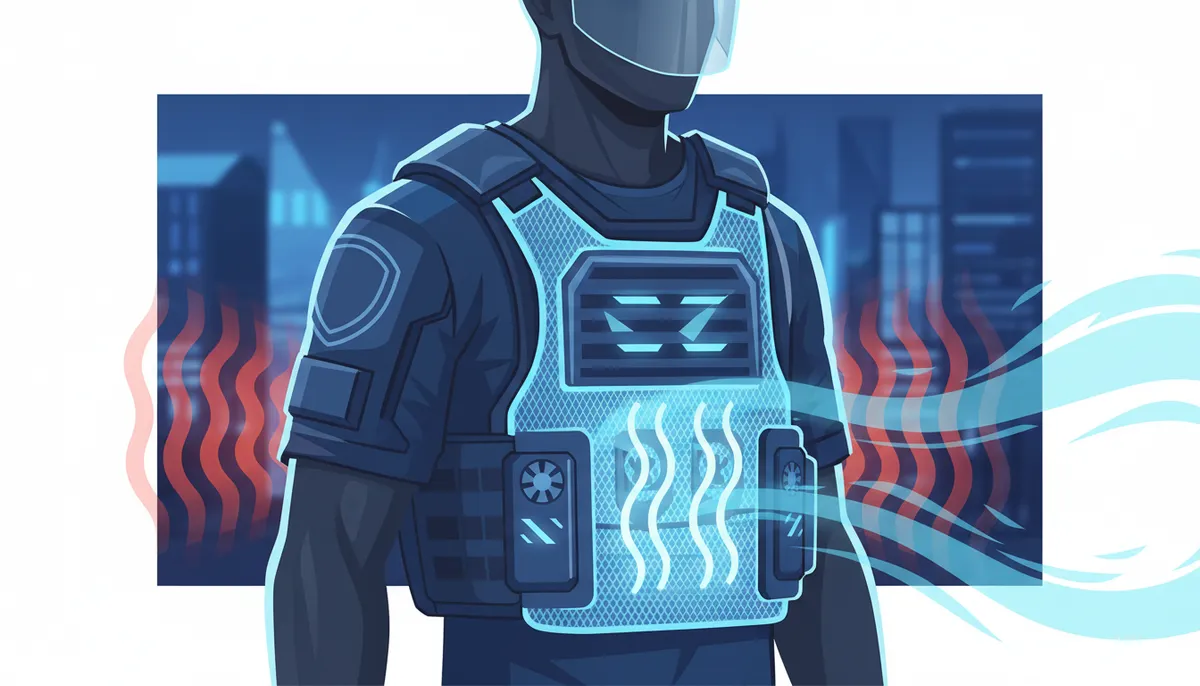
Your ideal cooling vest depends on your work environment, shift length, activity level, and the type of armor you wear. Here’s how to assess your specific needs:
Consider Your Climate and Season
Officers in Phoenix face different challenges than those in Seattle. If you work in consistently hot, dry climates, you need maximum cooling capacity all year. In moderate climates, you might only need serious cooling during summer months. Humid environments require systems that actively move moisture away, since evaporative cooling becomes less effective when the air is already saturated.
According to OSHA Heat Stress Guide, heat-related illness becomes a serious risk when temperatures exceed 80°F, especially when wearing heavy protective equipment. Your cooling vest should handle your local summer peak temperatures with room to spare.
Evaluate Your Typical Shift Length
An 8-hour shift needs different battery capacity than a 12-hour shift. Add extra time for court appearances, training, or unexpected overtime. Choose a system that can run continuously for your longest typical workday. Some officers prefer systems with swappable batteries for extended operations.
Account for Activity Level
Patrol officers who spend time in vehicles between calls have different needs than tactical team members engaged in high-intensity operations. Foot patrol in urban environments generates more heat than highway patrol. Be honest about your activity level and choose a system with enough airflow capacity for your most demanding days.
Installation and Compatibility with Your Body Armor
Even the best cooling vest won’t help if it doesn’t work with your specific armor setup. Before purchasing, verify compatibility with your current protective gear.
Most ventilation vests attach using velcro straps or adhesive patches that stick to the inside of your armor carrier. The installation should be simple enough to do once, then forget about it. Look for systems that don’t require permanent modifications to your expensive body armor.
The vest should fit under both external carriers and concealed armor without creating obvious bulges or printing through your uniform. It needs to stay in place during normal movement, running, and physical confrontations. Check user reviews from officers who wear the same armor style you do to see how well different systems perform.
Universal Fit vs Armor-Specific Systems
Some cooling vests are designed to work with any armor style, while others are made for specific carriers. Universal systems offer more flexibility if you switch between different armor setups or agencies. They typically use adjustable straps or generic attachment points that work with most vest designs.
BluHalo’s ventilation vest uses a universal design that attaches with velcro to any clean vest surface, making it compatible with virtually all body armor styles used by law enforcement and security professionals. This flexibility means you can transfer the system if you upgrade your armor or change departments.
Maintenance and Durability Considerations
Your cooling vest needs to survive the same harsh conditions as your other duty gear. It will get sweated on daily, potentially exposed to rain or vehicle fluids, and subjected to the general abuse of law enforcement work.
Material Quality and Construction
Look for vests made from high-strength, high-tensile materials that resist punctures and tears. The BluHalo protective vest uses double-layer polyethylene designed specifically for durability under body armor. Seams should be reinforced, and attachment points should handle repeated stress without failing.
Check whether the materials are washable or at least easy to wipe clean. You’ll want to sanitize your vest regularly, especially during summer months when sweat production increases.
Battery and Component Longevity
Rechargeable batteries eventually wear out after hundreds of charge cycles. Find out if batteries are user-replaceable or if you need to send the unit back for service. Good systems should last 2-3 years of daily use before needing battery replacement.
Fan motors also have a service life. Quality systems use brushless motors that can run thousands of hours before wearing out. Cheaper systems might fail after a few months of daily use, costing you more in replacements than investing in quality upfront.
Budget and Value: Making a Smart Investment
Body armor cooling vests range from $50 to $300 depending on features and quality. While budget matters, the cheapest option isn’t always the best value for daily duty use.
Calculate Cost Per Use
A $60 vest that lasts three years of daily use costs about 5 cents per shift. A $150 system that lasts five years costs about 8 cents per shift. The difference becomes insignificant when you consider the comfort improvement and heat stress prevention you gain.
Many officers report that cooling vests help them stay more alert and make better decisions during hot weather shifts. That increased effectiveness and safety has value that’s hard to quantify but very real.
Bundle Options and Complete Systems
Some companies offer bundles that combine ventilation vests with fan systems for maximum cooling. BluHalo offers both the Bluhalo vest and the Blufano fan system separately or bundled together at a discount. The combination provides the best overall cooling performance, but you can start with one component and add the other later if budget is tight.
| Price Range | Typical Features | Expected Lifespan | Best For |
|---|---|---|---|
| $50-$100 | Basic ventilation, shorter battery life | 1-2 years | Occasional use, trying the technology |
| $100-$200 | Good airflow, full-shift battery, durable construction | 3-5 years | Daily duty use |
| $200+ | Premium materials, extended battery, extra features | 5+ years | Extreme conditions, tactical operations |
Real-World Performance: What Officers Say
Reading specifications is helpful, but hearing from officers who actually use these systems in the field provides invaluable insight. According to user testimonials, the most common benefits reported include significantly less sweating, improved comfort during hot weather, better focus and alertness, and reduced fatigue at the end of long shifts.
Officers working in hot climates report the most dramatic improvements. One officer described wearing the BluHalo vest during 12-hour shifts in 95-degree heat, noting that the cooling relief was “significant” and made the shift much more bearable. Another mentioned that the system helped sweat and heat dissipate faster, especially when combined with vehicle air conditioning.
Tactical team members appreciate systems that work during high-intensity operations without adding bulk or restricting movement. The ability to quickly adjust airflow or deflate the vest when needed gives them control over their comfort level without compromising operational effectiveness.
Common User Concerns Addressed
Some officers initially worry about noise from fan systems during stealth operations. Quality systems like Blufano use quiet fan operation that doesn’t compromise operational security. The fan noise is typically quieter than normal breathing and undetectable beyond a few feet.
Others wonder if the systems will fail during critical moments. According to the Body Armor Standards resource, any equipment worn under protective gear should undergo rigorous testing. Choose manufacturers that build their products for law enforcement duty use specifically, not modified consumer products.
Step-by-Step Guide to Selecting Your Cooling Vest
Ready to choose your body armor cooling vest? Follow these steps to find the right system for your needs:
- Assess your work environment: Note your typical shift length, climate conditions, and activity level. Be specific about your hottest, most demanding shifts.
- Determine your budget range: Decide what you can spend upfront and whether your department offers equipment reimbursement programs.
- Research active ventilation systems: Focus on products specifically designed for body armor use, not generic cooling vests.
- Check compatibility: Verify the system works with your specific armor carrier and doesn’t interfere with your other gear.
- Read user reviews from officers: Look for feedback from people in similar roles and climates to yours.
- Evaluate battery life and charging options: Make sure the system runs long enough for your shifts with convenient charging between uses.
- Consider warranty and customer support: Choose companies that stand behind their products with good warranties and responsive service.
- Start with a basic system if unsure: You can always upgrade or add components later as you learn what works best for you.
Making the Most of Your Cooling Vest
Once you’ve selected and received your cooling vest, proper use maximizes its effectiveness. Charge the battery fully before your first use and test all functions to make sure everything works correctly. Install it according to manufacturer instructions, making sure attachment points are secure.
During your first few shifts, experiment with different fan speed settings to find what works best for various activities. You might want lower airflow when sitting in your vehicle and higher flow when on foot patrol or during physical activity. Most officers find their ideal settings within a week of regular use.
Keep the vest clean by wiping it down regularly with antibacterial wipes. This prevents odor buildup and extends the life of the materials. Charge the battery after every shift so it’s ready when you need it, and inspect the attachment points periodically to make sure they’re holding securely.
When to Upgrade or Replace Your System
Even quality cooling vests eventually need replacement. Watch for these signs that it’s time to upgrade:
- Battery no longer holds a charge for your full shift
- Fan motor becomes noticeably louder or less powerful
- Materials show wear, tears, or compromised structural integrity
- Attachment points fail to hold the vest securely in place
- New technology offers significant improvements in weight, battery life, or cooling capacity
Most officers get 2-4 years from a quality cooling vest with daily use. The investment pays for itself many times over in improved comfort, reduced heat stress, and better job performance during hot weather operations.
Taking the Next Step Toward Better Comfort
Choosing the right body armor cooling vest makes a real difference in your daily comfort and effectiveness on the job. The heat and moisture trapped under body armor aren’t just annoying—they can lead to heat exhaustion, reduced alertness, and compromised performance when you need to be at your best.
Active ventilation systems like those offered by BluHalo provide all-day cooling relief that adapts to your changing conditions throughout your shift. Whether you choose a basic ventilation vest or a complete system with integrated fan technology, you’re making an investment in your comfort, safety, and job performance.
Don’t let another summer of sweating through your shifts go by without taking action. The right cooling vest is out there, designed specifically for the challenges you face wearing body armor every day. Reach out to learn more about which cooling system best fits your specific needs and start experiencing the difference that proper ventilation makes under your protective gear.
FAQs
Q: How long does the battery last in a body armor cooling vest?
A: Battery life varies by system and fan speed settings, but quality active ventilation vests typically run 8-32 hours on a single charge. The Blufano system, for example, offers 8 hours on high speed and up to 32 hours on low speed, which covers most shift lengths. Always choose a system that can run your entire typical shift plus some extra time for unexpected overtime.
Q: Can I wear a cooling vest under concealed body armor?
A: Yes, most modern cooling vests are designed to fit under both external carriers and concealed armor without creating obvious bulges. Look for low-profile systems that weigh less than 8 ounces and sit flat when not in use. The BluHalo vest, for instance, becomes nearly invisible when deflated and works great under concealed armor without printing through your uniform.
Q: Do cooling vests work in humid climates?
A: Active ventilation systems work well in all climates, including humid environments, because they physically move hot, moist air away from your body rather than relying on evaporation. Passive evaporative cooling vests become less effective in high humidity, but fan-based systems like BluHalo and Blufano maintain their cooling power regardless of humidity levels by creating constant airflow under your armor.
Q: Are body armor cooling vests noisy during operations?
A: Quality cooling vests designed for law enforcement use quiet fan motors that don’t compromise stealth operations. The fan noise is typically quieter than normal breathing and isn’t detectable beyond a few feet. Most officers report that the noise level is so low it doesn’t interfere with radio communications or tactical situations where quiet movement matters.
Q: How much does a good body armor cooling vest cost?
A: Expect to spend $60-$150 for a quality cooling vest designed for daily duty use. The BluHalo ventilation vest costs $60, while more advanced systems like the Blufano with integrated fans and power banks run around $150. Many companies offer bundle discounts when you purchase multiple components together. When you calculate cost per use over several years of daily wear, even premium systems cost just pennies per shift.