Key Takeaways
-
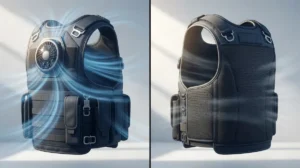
Inflatable ventilation vests like BluHalo create up to 1.5 inches of cooling air gaps under body armor at just $60, allowing sweat and heat to escape while weighing under 7 ounces and deflating quickly when not needed.
-
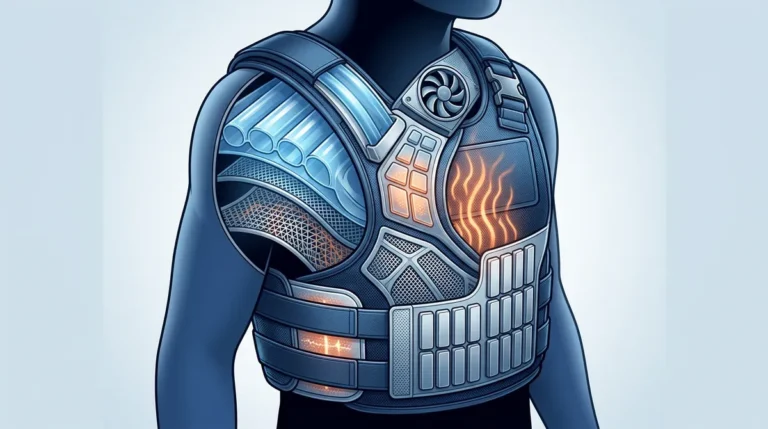
Active fan systems such as Blufano deliver adjustable airflow for 8-32 hours with built-in power banks and lights, making them ideal for extended missions where passive cooling alone isn’t sufficient.
-
Combining multiple cooling solutions—pairing an inflatable vest with an active fan system—provides layered heat management that tackles heat stress from multiple angles during long, demanding shifts.
-
Passive cooling technologies like 3D mesh panels, EVAP technology, and lattice-based padding require no batteries or maintenance while improving natural airflow and reducing heat buildup.
-
Phase Change Material (PCM) technology with graphene panels absorbs and disperses heat without batteries by dispersing heat around armor plates and preventing dangerous temperature spikes.
-
Proper hydration, pre-cooling in vehicles, correct vest fit, and moisture-wicking base layers are essential practices that maximize the effectiveness of any ventilation cooling system.
If you wear body armor for a living, you already know the feeling. The heat builds up fast. Sweat soaks through your shirt. Your focus starts to slip. Staying cool under pressure isn’t just about comfort — it’s about staying sharp, safe, and ready when it matters most.
Whether you’re a police officer on a 12-hour shift, a soldier on a long mission, or a security pro working a hot outdoor event, heat stress is a real threat. The good news? In 2026, there are better solutions than ever before. From passive mesh vests to active fan systems, cooling technology has come a long way. Let’s break down 7 smart ways to stay cool under pressure while wearing body armor.
Why Heat Builds Up Under Body Armor
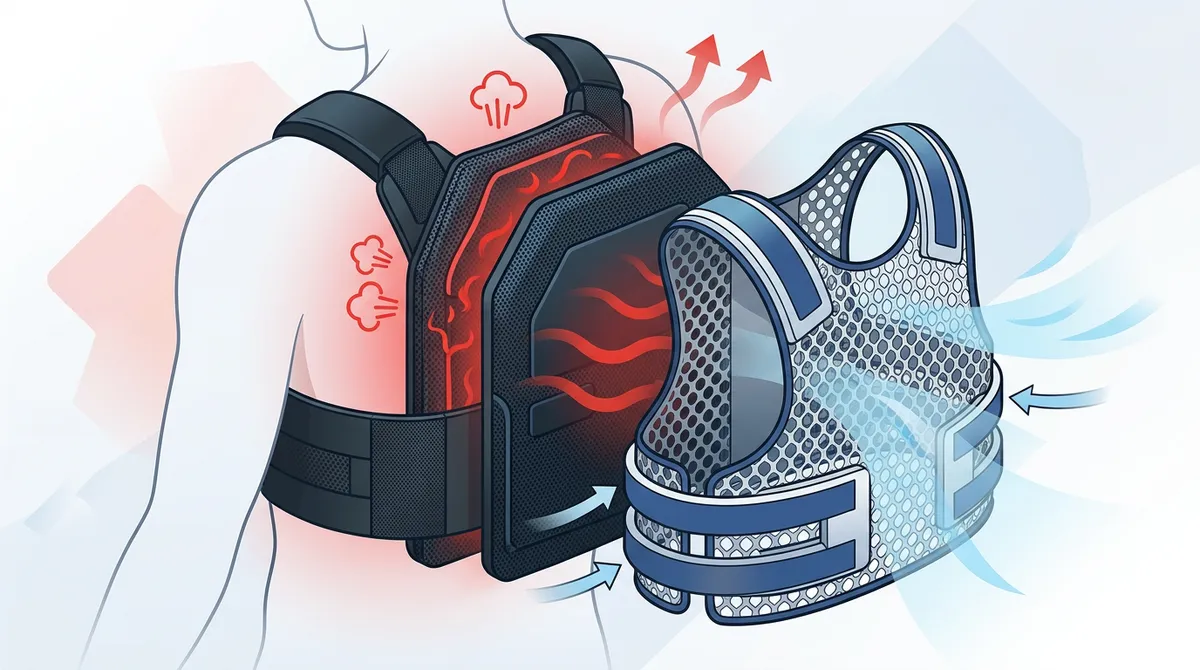
Body armor is designed to protect you — but it comes with a trade-off. The plates and panels sit close to your body, trapping heat and moisture with no way to escape. According to the OSHA Heat Stress Guide, heat stress can cause fatigue, dizziness, and even dangerous heat stroke if not managed properly.
The problem gets worse in hot weather or during intense physical activity. Your body produces sweat to cool itself, but when that sweat has nowhere to go, it stays against your skin. That leads to discomfort, distraction, and real health risks. The solution is creating airflow between your body and your armor.

7 Proven Ways to Stay Cool Under Pressure
1. Use an Inflatable Ventilation Vest
One of the most innovative solutions available today is the inflatable ventilation vest. The BluHalo ventilation vest was actually created by a Chicago police officer who got tired of overheating on the job. It weighs under 7 ounces and sits flat against your vest when deflated.
When you need cooling, you simply inflate it. It lifts your body armor up to 1.5 inches off your body, creating a cooling air gap. Fresh air flows in, hot air escapes, and you feel the difference almost immediately. It attaches with Velcro, deflates with a button, and doesn’t slow you down one bit.
- Weighs less than 7 ounces
- Creates up to 1.5 inches of cooling air gap
- Quick inflate and deflate design
- Built from double-layer high-strength polyethylene
- Priced at just $60 — affordable cooling on demand
2. Add an Active Fan System
If you want next-level cooling, an active fan system is the way to go. The Blufano body armor ventilation system slides under any style of body armor and delivers adjustable, fan-driven airflow for 8 to 32 hours depending on your setting.
It features a patented air-redirect spout and a built-in 10,000mAh power bank that also charges USB devices. There’s even a forward-facing light for low-light situations. Officers who use it report faster cooling, reduced sweat, and better focus during long, hot shifts. You can explore the full lineup at the BluHalo shop.
3. Choose 3D Mesh Ventilation Panels
Another great option is a vest with 3D polyester mesh panels. Products like the Militaur Ventilation Vest use extra-large perforations and four adjustment points to deliver 360-degree airflow around your torso. These vests work passively — no batteries or pumps needed.
The open mesh structure keeps armor lifted slightly off your skin, allowing natural air circulation. They’re lightweight, easy to wear, and work great in combination with fan systems for maximum cooling. Check the Body Armor Standards from the National Institute of Justice for guidance on what vest types work with different armor configurations.
4. Try EVAP Technology for Passive Cooling
EVAP (evaporative) technology is a clever passive cooling method. Products like Body Armor Vent’s I.C.E. Retro Fit Kit use foam-filled vertical air channels that draw cool air in from the bottom and push hot, humid air out from the top — all through the natural movement of your body. No batteries, no fans, no fuss.
This system works a lot like how your body cools itself through sweating. The channels mimic evaporative cooling by pulling fresh air across your skin and venting heat away. It’s a smart, low-maintenance solution for professionals who prefer a simpler setup.
5. Look Into Phase Change Material (PCM) Technology
For a more advanced approach, phase change materials are worth exploring. Ace Link Armor’s Thermacore™ system uses PCM alongside graphene panels to create what they call a “thermal highway.” This system disperses heat around armor plates without needing batteries or fans.
PCM absorbs and stores heat as it changes from solid to liquid, then slowly releases it over time. The result is a steady, regulated temperature that prevents dangerous heat spikes. It’s an exciting area of development — the Body Armor Innovation Award 2026 received 17 entries, with multiple ventilation-focused solutions competing for recognition.
6. Use Lattice-Based Padding Systems
Lattice-based padding is gaining popularity in 2026. Systems like Send Nods Nightvision’s AirPad use open lattice structures instead of traditional foam to improve airflow and reduce heat buildup under plate carriers and helmets. These pads also reduce backface deformation to just 2–3 mm in NIJ/VPAM plates, which is a bonus for safety.
Traditional foam compresses and holds heat against your body. Lattice padding stays open, lets air flow through, and doesn’t soak up sweat the same way. It’s a simple swap with a noticeable difference in comfort during long operations.
7. Bundle Your Cooling Solutions for Maximum Relief
Sometimes one solution isn’t enough. Combining a ventilation vest with an active fan system creates a layered approach to cooling that tackles heat from multiple angles. Many professionals find that pairing the BluHalo vest with the Blufano fan system gives them the best results on the hottest days.
You can also bundle both products together at a discount through the vest ventilation shop. Think of it like layering up for cold weather — but in reverse. The more cooling tools you use together, the better your body can manage heat stress during long, demanding shifts.
Comparing the Top Cooling Approaches
Not sure which option is right for you? Here’s a quick comparison of the most popular ventilation methods used in body armor today.
| Cooling Method | Power Required | Best For | Ease of Use |
|---|---|---|---|
| Inflatable Vest (BluHalo) | No | All-day patrol wear | Very Easy |
| Active Fan System (Blufano) | Yes (battery) | Extended missions | Easy |
| 3D Mesh Panels | No | Lightweight passive cooling | Very Easy |
| EVAP Technology | No | Natural evaporative cooling | Easy |
| Phase Change Material | No | Regulated temperature control | Moderate |
| Lattice Padding | No | Helmet and plate carrier use | Easy |

Who Benefits Most From Ventilation Vests?
Ventilation vests aren’t just for one type of professional. Here’s a breakdown of who stands to gain the most from investing in a quality cooling solution.
| Professional Group | Key Challenge | Best Cooling Solution |
|---|---|---|
| Police Officers | Long patrol shifts in heat | BluHalo inflatable vest |
| Military Personnel | Extended missions in high heat | Blufano fan system + vest bundle |
| Security Professionals | Outdoor events and various climates | 3D mesh panels or EVAP tech |
| SWAT / Tactical Teams | High-intensity operations | PCM or active fan systems |
| Emergency Responders | Extreme heat and physical exertion | Bundled vest and fan combo |
Tips to Maximize Your Cooling Vest Performance
Getting the right vest is just the first step. Here are some practical tips to get the most out of your cooling system.
- Pre-cool when you can. Use your vehicle’s AC to cool down before a long stretch outdoors. The Blufano’s fan system works great in combination with your car’s vents.
- Stay hydrated. No cooling vest can replace proper hydration. Drink water regularly throughout your shift.
- Check your fit. A poorly fitted vest reduces airflow. Make sure your armor and ventilation vest are adjusted correctly.
- Clean your gear regularly. Sweat and debris can clog mesh panels over time. Follow the manufacturer’s care instructions.
- Combine solutions. Pair your ventilation vest with moisture-wicking base layers for even better results.
What Real Users Are Saying
Officers who use the BluHalo vest describe significant comfort improvements — even on 12-hour days in 95-degree weather. The ability to quickly inflate and deflate the vest means you can adjust your cooling on the fly. You can read real experiences on the BluHalo reviews page to see how it’s made a difference for professionals in the field.
The Blufano fan system has also received strong feedback for its durability and ease of use. Officers appreciate that it also charges their devices and provides a hands-free light — making it a multi-tool for the job. If you’re curious about how these products look and work in real life, the vest ventilation video library has helpful demonstrations.
The Bottom Line on Staying Cool Under Pressure
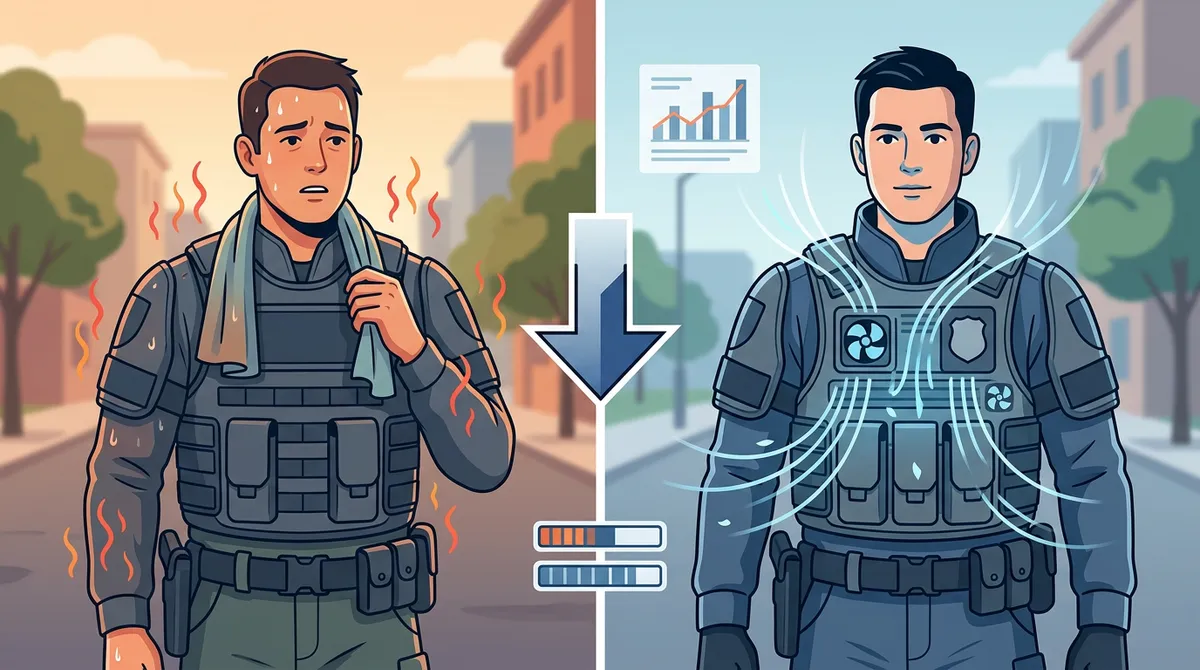
Heat doesn’t have to be your enemy on the job. With the right ventilation gear, you can stay cool under pressure, focus on what matters, and finish your shift feeling better than you started. Whether you go with a simple passive vest, an active fan system, or a full bundle, investing in cooling technology is investing in your health and performance.
The best ventilation solutions of 2026 are lighter, smarter, and more effective than ever. From inflatable vests to PCM thermal highways, there’s something for every professional and every budget. Don’t let heat be the thing that slows you down.
Ready to find the right cooling solution for your needs? Get in touch with the BluHalo team and let us help you find the perfect fit. You can also explore our full range of products at vestventilation.com. And if you’re looking to boost your online visibility as a professional in this space, Visit SEO Rocket for powerful digital marketing tools built for growing businesses.
FAQs
Q: What is the best ventilation vest for body armor in 2026?
A: The BluHalo inflatable ventilation vest is one of the top choices in 2026 — it was actually created by a police officer who understood the problem firsthand! It lifts your armor up to 1.5 inches off your body, weighs under 7 ounces, and is priced at just $60. Pair it with the Blufano fan system for even better cooling on the hottest days.
Q: Can ventilation vests really reduce heat stress for police officers?
A: Absolutely! Ventilation vests work by creating an air gap between your body and your armor, allowing heat and sweat to escape instead of building up. Officers who use solutions like the BluHalo vest report major comfort improvements — even during 12-hour shifts in extreme heat. It’s one of the simplest upgrades you can make to your daily duty gear.
Q: How does the Blufano fan system work under body armor?
A: The Blufano uses a patented air-redirect spout that slides neatly under any style of body armor. It delivers fan-driven airflow for 8 to 32 hours depending on your speed setting, and it even has a built-in 10,000mAh battery bank to charge your devices. It’s basically a personal cooling station that goes wherever you go!
Q: Do I need batteries or power for a ventilation vest to work?
A: It depends on the type! Passive options like inflatable vests (BluHalo), 3D mesh panels, and EVAP technology require no power at all — they work using body movement and natural airflow. Active systems like the Blufano fan unit do require a battery, but they offer more powerful and consistent cooling, especially in high-heat environments.
Q: Can I combine multiple cooling solutions for better results?
A: You sure can — and it’s actually a great idea! Combining the BluHalo ventilation vest with the Blufano fan system gives you both passive and active cooling at the same time. You can bundle both products together at a discount through the vestventilation.com shop, making it an affordable way to maximize comfort on even the toughest shifts.