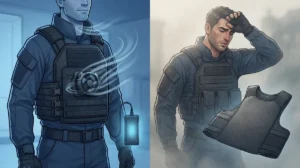
Picture this: it’s the middle of a summer shift, the sun is beating down, and your body armor feels like a wool blanket strapped to your chest. If you’re a police officer, you already know this feeling all too well. That heavy vest that keeps you safe from harm can also turn into a heat trap that leaves you soaked in sweat and struggling to focus. Let’s talk about why this happens and, more importantly, what you can actually do about it.
The good news is you’re not stuck sweating through every shift forever. Once you understand why body armor makes you overheat, you can take real steps to fix it. We’re going to walk through the science, the risks, and the solutions, so you can head into your next hot shift feeling cool, calm, and ready for anything.

Why Do Police Officers Overheat on Duty?
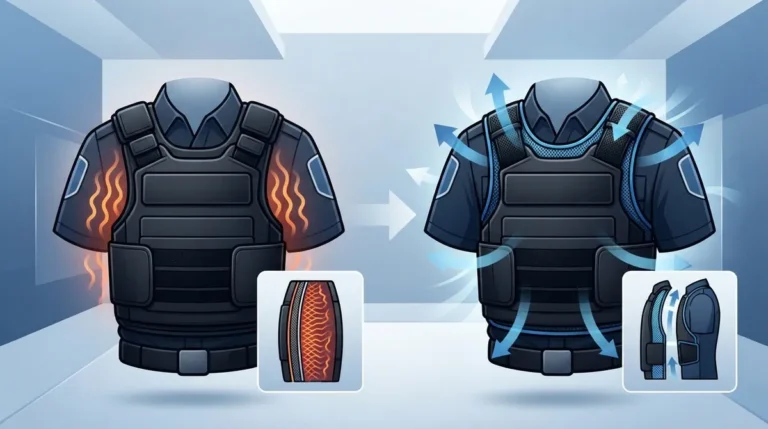
The short answer is simple: your body armor blocks airflow. Vest panels sit tight against your skin, which stops sweat from evaporating the way it’s supposed to. Instead of cooling you down, that trapped moisture just sits there, and your body temperature keeps climbing.
Think about it like wearing a raincoat on a humid day. Your body naturally wants to release heat through sweat evaporation. But when armor presses against your torso with no airflow gap, sweat has nowhere to go. Heat builds up fast, especially during long patrol shifts, foot pursuits, or standing in direct sun for hours.
The Hidden Danger Officers Don’t See Coming
Here’s the scary part. Overheating doesn’t always feel obvious right away. Your body starts struggling before you even notice you’re in trouble. According to the OSHA Heat Stress Guide, heat stress can cause confusion, slower reactions, and poor decision-making, sometimes before someone even feels thirsty or uncomfortable.
For an officer, that’s a serious safety issue. Foggy thinking during a traffic stop or a high-stress call could mean the difference between a safe outcome and a dangerous one. Staying cool isn’t just about comfort. It’s about keeping your mind sharp when it matters most.
The Science Behind Body Armor Heat Buildup
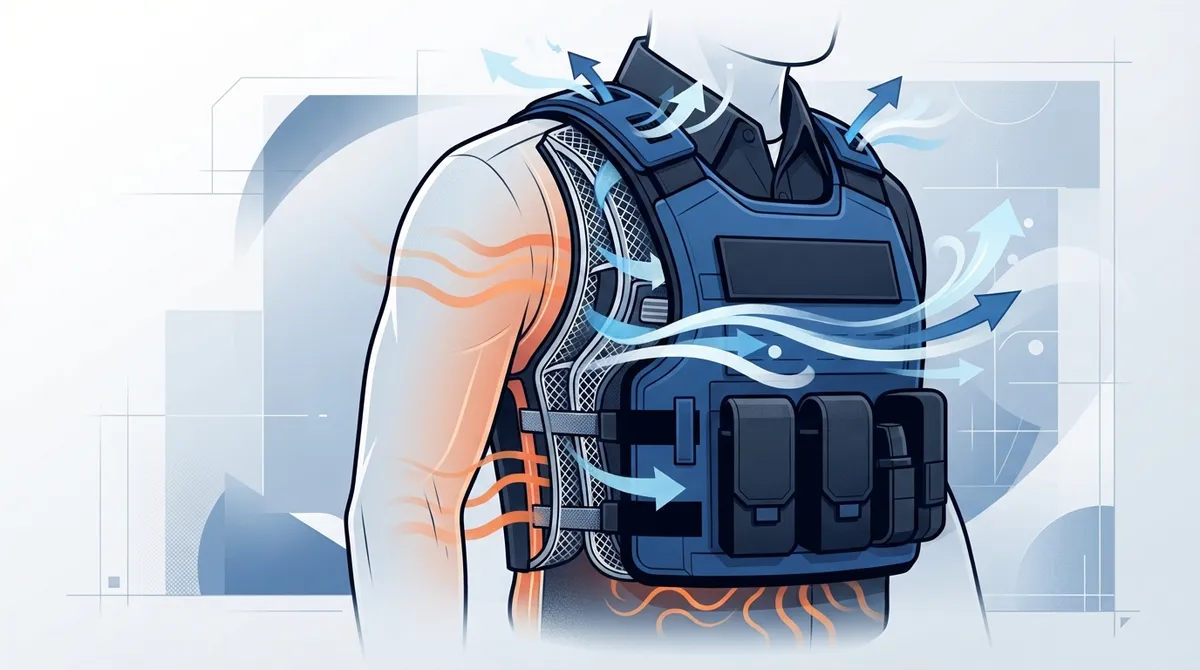
Body armor is designed to stop bullets, not to breathe. That’s just the nature of the material. Ballistic panels are dense and rigid, which means they sit flush against your body with almost no room for air to move.
Here’s what typically happens during a hot shift:
- Your body starts sweating to cool itself down naturally.
- Sweat gets trapped between your skin and the vest instead of evaporating.
- Heat builds up in that trapped layer, raising your skin temperature.
- Your core body temperature slowly climbs throughout the shift.
- Fatigue, irritability, and slower reflexes start to set in.
This cycle repeats over and over during a 10 or 12-hour shift, especially in summer months. It’s exhausting, and it’s exactly why so many officers dread wearing their vests in warm weather. You can read more about this cycle in our article on staying cool versus overheating for officer safety.
Why Some Officers Skip Their Vests Altogether
This might surprise you, but some officers have admitted to skipping their plate carriers because the heat becomes unbearable. That’s a real risk trade-off nobody should have to make. Body armor exists to protect lives, and standards from Body Armor Standards confirm just how critical proper wear is for officer safety.
The solution isn’t to skip your armor. It’s to make wearing it more comfortable so you never feel tempted to leave it behind. That’s exactly where ventilation vests come into the picture.
How Ventilation Vests Solve the Overheating Problem
Ventilation vests work by creating a small air gap between your skin and your body armor. This gap does two important things. First, it lets sweat evaporate instead of getting trapped. Second, it allows fresh air to circulate, carrying heat away from your body.
At BluHalo, we build lightweight vests specifically to solve this problem. Our flagship product creates a 360-degree air gap under your armor, so you stay drier and cooler throughout your shift. Officers who use ventilation systems report feeling noticeably more comfortable, even during long days in extreme heat.
Real Numbers That Prove It Works
We know officers want proof, not just promises. Here’s what independent testing has shown about ventilation technology:
| Cooling Product | Temperature Reduction | Testing Source |
|---|---|---|
| Maxx-Dri Vest | Up to 23°F reduction | 221B Tactical Testing |
| TacVent Cooling System | At least 14.5°F reduction | LA Police Gear Research |
| Maxx-Dri Vest (Backface Deformation) | 9.9% reduction with .44 magnum test | NIJ Certified Lab Test |
These numbers matter because they show ventilation isn’t just a nice idea. It’s a proven way to keep your body temperature under control during even the toughest shifts. You can explore more comparisons in our guide on the best vest cooling systems for beating heat in body armor.
Step-by-Step: How to Choose the Right Ventilation Solution
Not all cooling vests are created equal. Here’s a simple process to help you pick the right one for your needs.
- Check compatibility with your current body armor or plate carrier setup.
- Look for lightweight materials that won’t add bulk or extra weight.
- Choose moisture-wicking fabric that pulls sweat away from your skin.
- Decide between passive airflow gaps or active fan-powered systems.
- Read real user reviews to see how the product performs on actual duty shifts.
Our guide to choosing the right body armor ventilation vest in 2026 breaks this down even further if you want extra detail.
BluHalo: Cooling on Demand
Our BluHalo vest was actually invented by a Chicago police officer who got tired of sweating through his own shifts. It weighs less than 7 ounces and lies flat when deflated. When you need cooling relief, you simply inflate it with a small pump. It lifts your armor about 1.5 inches off your body, creating instant airflow space.
Officers love that it attaches to any clean vest with Velcro and deflates in seconds with a push of a button. It’s built from double-layer, high-strength polyethylene, so it holds up to daily wear and tear. You can check out the full BluHalo lineup and see why it’s become a go-to choice for officers battling heat on duty.
Blufano: Active Airflow for All-Day Relief
If you want continuous active cooling instead of on-demand inflation, our Blufano fan system is worth a look. It slides under any style of body armor and delivers adjustable airflow for 8 to 32 hours, depending on your fan setting.
Blufano also includes a 10,000mAh power bank, so it can charge your phone or radio while keeping you cool. Many officers combine both BluHalo and Blufano for maximum comfort during those brutal double shifts.
Comparing Passive vs Active Cooling Options
| Feature | Passive Ventilation (BluHalo) | Active Ventilation (Blufano) |
|---|---|---|
| Weight | Under 7 ounces | Slightly heavier due to fan motor |
| Power Source | Manual pump inflation | Rechargeable 10,000mAh battery |
| Runtime | Cooling on demand, no battery needed | 8-32 hours depending on fan speed |
| Best For | Quick relief, low-profile comfort | All-day continuous airflow |
Both options solve the same core problem: they stop heat and moisture from getting trapped under your armor. Choosing between them just depends on your shift length and personal comfort preference. Our breakdown of passive versus active tactical vest ventilation can help you decide which fits your routine best.
Why Staying Cool Improves Officer Performance
This isn’t just about comfort. Staying cool actually helps you do your job better. When your body isn’t fighting heat stress, your brain works faster and clearer. You react quicker, think more clearly, and make better decisions under pressure.
Consider these benefits of staying cool during a shift:
- Sharper mental focus during high-stress calls
- Faster reaction times in critical situations
- Reduced fatigue by the end of a long shift
- Lower risk of heat exhaustion or heat stroke
- Increased willingness to wear armor consistently and correctly
Every one of these benefits adds up to a safer, more effective officer. Nobody performs their best while drenched in sweat and battling brain fog. Learn more about this connection in our piece on how heat affects police reaction time on duty.
Tips for Staying Cool Beyond Your Vest
Ventilation vests are a huge piece of the puzzle, but a few extra habits can help too. Here are some simple things you can do alongside your cooling gear:
- Stay hydrated before, during, and after your shift.
- Take short breaks in shade or air conditioning when possible.
- Wear moisture-wicking undershirts beneath your armor.
- Keep your vehicle’s AC running during downtime to cool off fast.
- Know the early signs of heat exhaustion, like dizziness or confusion.
Combining these habits with a quality ventilation system gives you the best shot at staying comfortable all shift long. If you want to explore even more strategies, check out our resource on how to prevent heat stress while wearing body armor.
Ready to Beat the Heat This Season?
Overheating on duty isn’t something you just have to accept. It’s a real problem with a real solution, and thousands of officers have already found relief with ventilation technology. Whether you choose the on-demand comfort of BluHalo or the all-day airflow of Blufano, you deserve gear that works as hard as you do.
You can browse our full lineup and find the perfect fit for your shifts in our shop, or check out real feedback from fellow officers in our reviews section. If you have questions about which product fits your needs best, don’t hesitate to reach out to our team today. Stay cool, stay sharp, and stay safe out there.
FAQs
Q: Why does body armor make police officers overheat?
A: Body armor sits tight against your skin and blocks natural airflow, so sweat can’t evaporate the way it should. That trapped moisture and heat build up fast, especially during long shifts in warm weather, and your body temperature just keeps climbing.
Q: How much does a ventilation vest lower body temperature?
A: Some tested products, like the Maxx-Dri Vest, have shown reductions of up to 23°F in body surface temperature, while others like TacVent lower it by at least 14.5°F. Our own BluHalo system creates a real air gap that delivers similar relief for officers wearing it under their armor.
Q: Can wearing a ventilation vest improve officer reaction times?
A: Absolutely! When your body isn’t fighting off heat stress, your brain stays sharper and your reactions stay quicker. Staying cool helps you think clearly during high-stakes moments, which is exactly why so many officers swear by ventilation gear.
Q: Do ventilation vests work with all types of body armor?
A: Most quality ventilation vests, including BluHalo and Blufano, are designed to fit under any style of plate carrier or bullet-resistant vest. It’s always smart to double-check compatibility with your specific gear before you buy, just to be safe.
Q: Why do some officers refuse to wear their plate carriers due to heat?
A: Nobody wants to feel like they’re melting inside their own gear, and unfortunately, some officers have skipped their armor because the heat felt unbearable. That’s a risky trade-off nobody should have to make, which is exactly why ventilation vests exist, to keep armor comfortable enough that skipping it is never necessary.