Key Takeaways
-
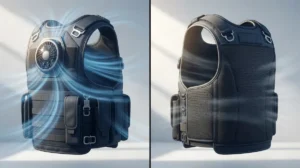
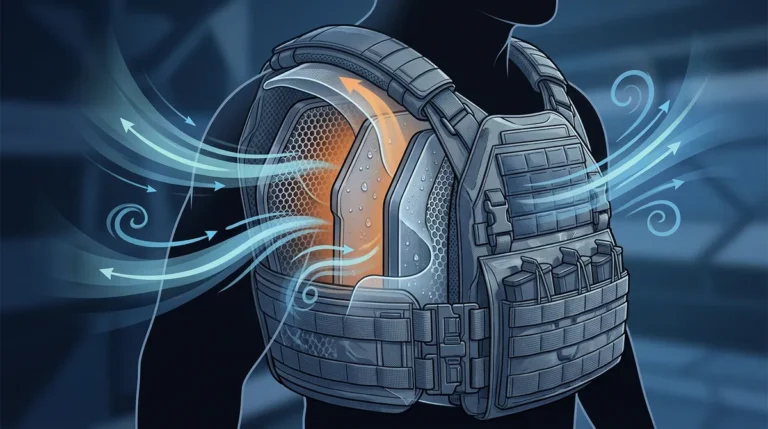
Poor body armor ventilation causes heat buildup, sweat trapping, and mental fatigue that directly impact job safety and performance—research shows advanced cooling can reduce core body temperature by up to 30%.
-
Passive ventilation (3D mesh, honeycomb panels) uses natural convection for continuous cooling, while active fan systems like Blufano deliver 8-32 hours of airflow on a single charge—choose based on whether you’re stationary or mobile.
-
BluHalo’s on-demand inflatable vest creates a 1.5-inch air gap under your armor at under 7 ounces, while pairing it with an active fan system provides layered cooling that handles both hot and cold climates effectively.
-
Look for ventilation products weighing under 10 ounces with anti-microbial fabric, universal fit compatibility, and easy Velcro attachment to ensure quick setup and removal before your shift.
-
Combine ventilation with moisture-wicking base layers (avoid cotton), clean your vest regularly, and use active fans on-demand during intense activity to maximize battery life and comfort throughout your shift.
-
Ventilation vests prevent dangerous hypothermia risk in cold climates by keeping trapped moisture away from skin—making them essential year-round protective gear, not just for hot-weather operations.
If you wear body armor every day, you know the struggle. Heat builds up fast. Sweat soaks through your uniform. By midday, discomfort becomes your biggest distraction. Whether you’re a patrol officer working a 12-hour shift or a soldier on a long deployment, poor body armour ventilation is a real problem that affects your focus, energy, and safety.
The good news? You don’t have to just tough it out. In 2026, there are smart, proven solutions designed specifically for professionals like you. From lightweight ventilation vests to active fan systems, this guide walks you through everything you need to know to stay cooler and more comfortable under your gear. Let’s get into it.
Why Body Armour Ventilation Matters So Much
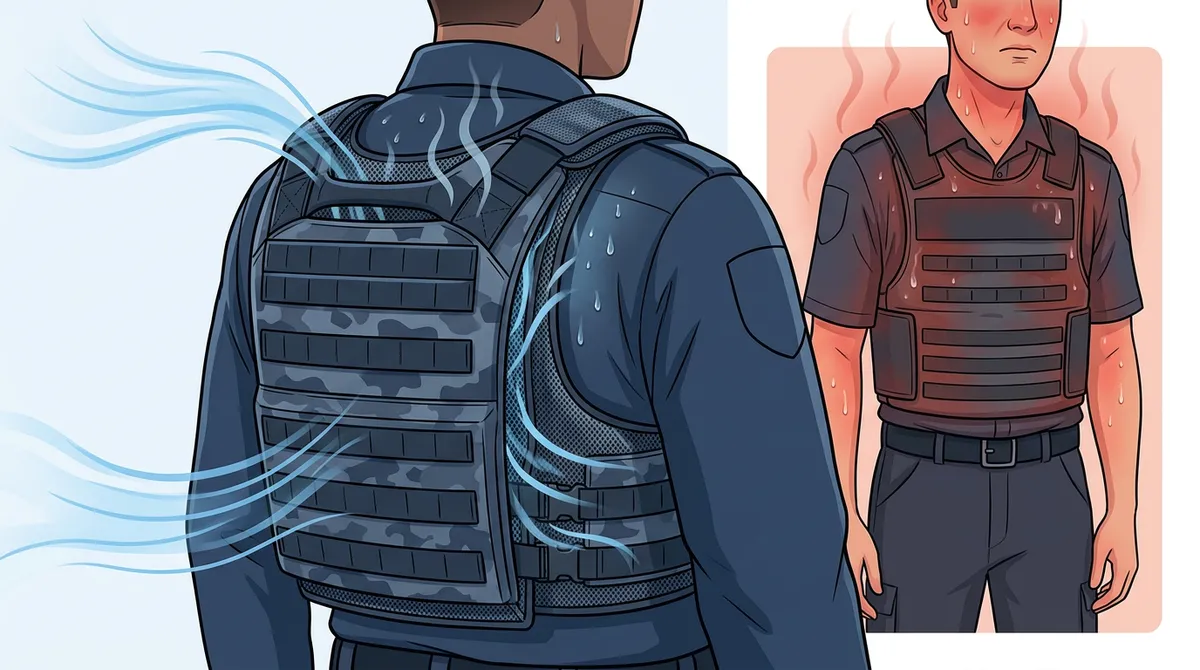
Body armor is essential. But it creates a sealed microclimate against your body. Heat has nowhere to go. Moisture gets trapped. That combination leads to heat exhaustion, skin rashes, and mental fatigue — all things you can’t afford on the job.
According to the OSHA Heat Stress Guide, working in hot conditions while wearing heavy equipment significantly raises your risk of heat-related illness. For law enforcement, military, and security professionals, this isn’t a minor inconvenience. It’s a health and performance issue that demands a real fix.
Good body armour ventilation creates airflow between your body and your vest. That gap allows heat to escape and fresh air to move in. The result? Lower core body temperature, less sweat buildup, and far greater comfort throughout your shift.
How Body Armour Ventilation Actually Works
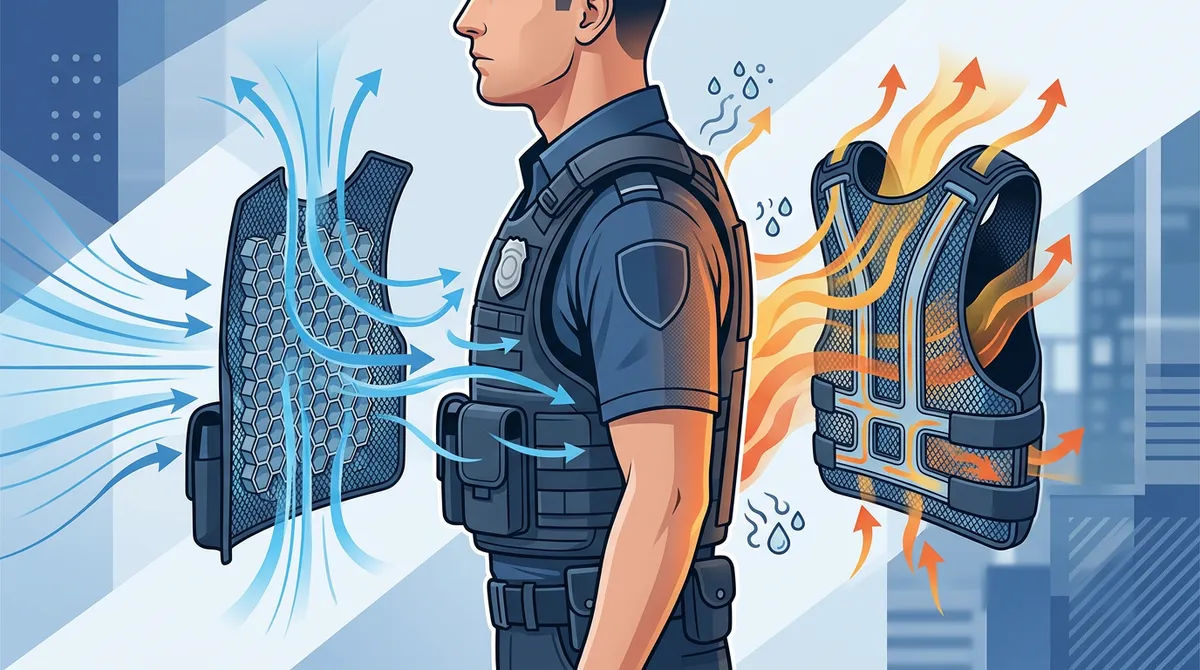
Understanding the basics helps you choose the right solution. There are two main approaches to improving airflow under body armor: passive ventilation and active ventilation.
Passive Ventilation
Passive systems rely on physical structure to create space between your body and your armor. Think 3D mesh panels, raised air channels, or honeycomb materials. These designs let natural convection do the work. Hot, moist air rises and escapes while cooler air moves in from below.
Products like the Maxx-Dri Vest use a patented 3D honeycomb mesh to create a 360-degree layer of space. This separates your torso from the vest lining so air can circulate freely. Some systems also use EVAP Technology, which harnesses airflow from your own breathing to push heat and moisture away from your skin continuously.
Active Ventilation
Active systems use fan-driven airflow to supercharge cooling. Instead of waiting for natural convection, a small fan pushes fresh air directly under your armor. This works even when you’re stationary — a huge advantage during surveillance, guard duty, or post-incident reporting.
The Blufano ventilation system is a great example. It features a patented air-redirect spout that slides under any style of body armor. Its adjustable fan delivers 8 to 32 hours of continuous airflow on a single charge, depending on the setting. It even includes a built-in 10,000mAh power bank and a forward-facing light — making it a seriously capable piece of duty gear.
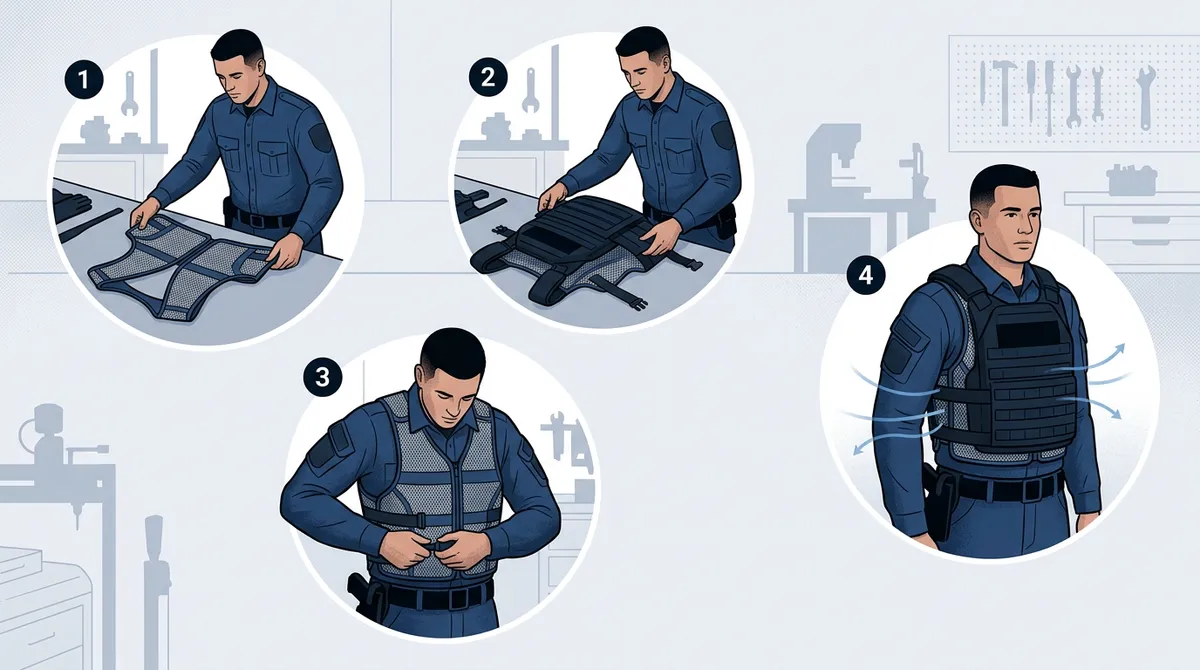
Step-by-Step: How to Set Up Better Body Armour Ventilation
Ready to take action? Here’s a simple process to get the best airflow under your gear starting today.
- Assess your current setup. Put on your armor and do a quick self-check. Where does heat build up the most? Back, chest, or sides? Knowing your hottest zones helps you pick the right product.
- Choose your ventilation type. For long stationary shifts, active fan ventilation works best. For high-movement duties, a passive vest with structured airflow channels may be more comfortable and discreet.
- Select the right product. Look for lightweight, anti-microbial materials. Make sure the product fits under your specific armor type — whether that’s a concealable vest or a plate carrier.
- Install and adjust. Most ventilation vests attach via Velcro directly to your vest interior. Fan units like Blufano secure with an optional strap and slide easily into place. Spend a few minutes adjusting the fit before your shift.
- Test and fine-tune. Wear your setup for one full shift. Pay attention to how your body feels. Adjust fan speed or vest positioning as needed to optimize your comfort.
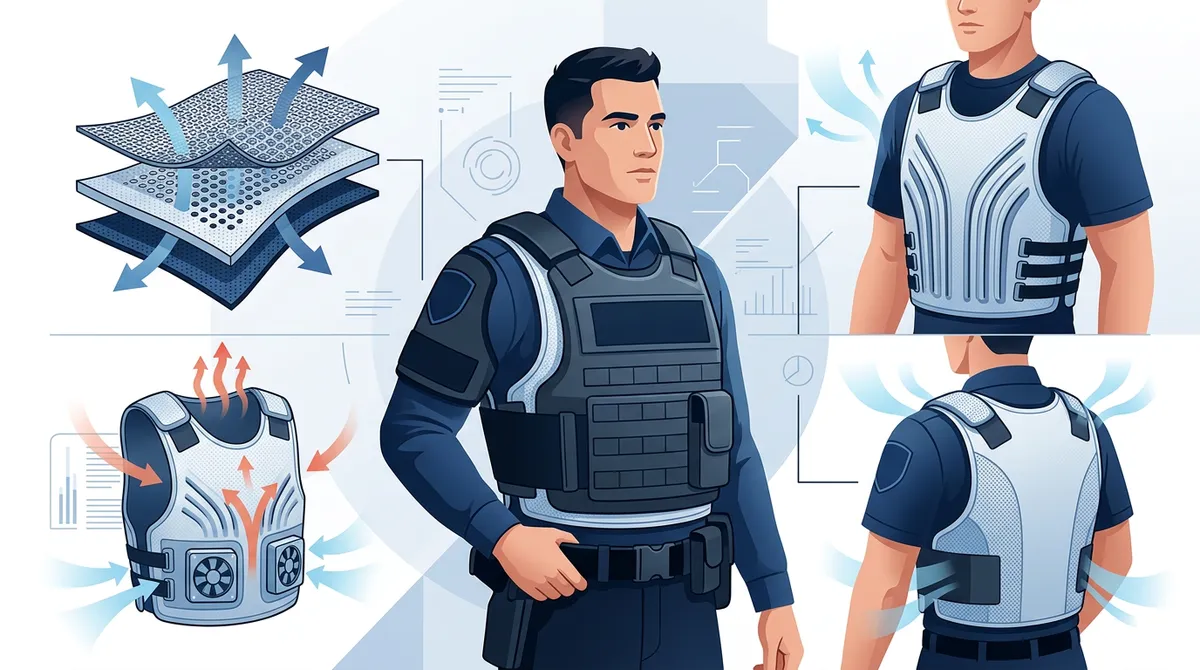
Top Features to Look For in a Ventilation Vest
Not all ventilation products are created equal. When shopping for the best body armour ventilation solution, keep an eye out for these key features:
- Lightweight construction: Look for products under 10 ounces so they don’t add noticeable bulk or weight.
- Anti-microbial fabric: This prevents odor and bacteria buildup during long, sweaty shifts.
- Universal fit: The best products work under both plate carriers and concealable vests.
- Easy attachment: Velcro strips or adjustable straps make setup and removal quick and hassle-free.
- Active or passive cooling options: Having choices lets you adapt to different environments and duty requirements.
The BluHalo ventilation vest checks all of these boxes. Created by a Chicago police officer who experienced the problem firsthand, BluHalo weighs under 7 ounces and inflates on demand to lift your vest up to 1.5 inches off your body. That creates a meaningful air gap that dramatically reduces heat and moisture buildup. Officers working 12-hour shifts in 95-degree heat have praised it for making a real difference in comfort and focus.
Comparing the Best Body Armour Ventilation Options in 2026
Here’s a side-by-side look at popular ventilation solutions to help you decide what’s right for your needs.
| Product | Type | Key Feature | Best For | Weight |
|---|---|---|---|---|
| BluHalo | Passive (Inflatable) | On-demand inflation, 1.5″ air gap | Law enforcement, concealable vests | Under 7 oz |
| Blufano | Active (Fan-Driven) | 8–32 hr airflow, 10,000mAh power bank | Security, tactical, long shifts | Compact unit |
| Maxx-Dri Vest 5.0 | Passive (3D Mesh) | 1.5mm honeycomb mesh, Stay-Put Grip | Military, plate carrier users | Lightweight |
| AirVest | Passive (Air Channels) | Raised strips for natural convection | General duty, moderate climates | Very light |
How Ventilation Technology Has Evolved
Body armour ventilation has come a long way. Early solutions were simple mesh liners with limited effectiveness. Today’s products use advanced materials science and engineering to solve real problems for real professionals.
In 2026, the latest innovations include phase-change materials that absorb excess heat, smart thermal regulation systems, and active cooling channels built directly into tactical carriers. Research shows that advanced cooling technologies can reduce core body temperature by up to 30% and extend operational endurance by the same margin. That’s not a small improvement — that’s a game changer for anyone working in high-heat environments.
The Body Armor Standards set by the National Institute of Justice are also evolving to recognize the importance of comfort alongside protection. The industry is taking heat management seriously, and the products available today reflect that shift.
Ventilation Performance by Climate and Duty Type
One common question is whether ventilation vests work in all climates. The short answer is yes — and here’s why.
| Climate/Condition | Ventilation Benefit | Recommended Solution |
|---|---|---|
| Hot and humid | Removes trapped moisture and heat quickly | Active fan system (Blufano) |
| Hot and dry | Evaporative cooling works efficiently | Passive mesh vest or inflatable vest |
| Cold climates | Reduces hypothermia risk from wet layers | Anti-microbial passive vest |
| High-intensity ops | Manages rapid heat buildup during movement | Active fan + inflatable combo |
Staying dry in cold climates matters just as much as staying cool in the heat. Wet layers close to the skin drain your body heat fast, increasing hypothermia risk. A good ventilation layer keeps moisture away from your skin regardless of the temperature outside.
Maximizing the Value of Your Ventilation System
Getting a great ventilation product is step one. Using it well is step two. Here are a few tips to get the most out of your body armour ventilation setup:
- Pair with moisture-wicking base layers. Ventilation works best when your base shirt also pulls sweat away from the skin. Avoid cotton — it holds moisture.
- Clean your vest regularly. Anti-microbial materials help, but regular washing keeps odors and bacteria under control.
- Use the fan on demand. With active systems like Blufano, crank up the fan during intense activity and dial it back during lower-output tasks to maximize battery life.
- Combine products for best results. Using a passive vest like BluHalo alongside an active fan system gives you layered cooling that covers all scenarios.
You can even bundle the BluHalo and Blufano together at a discount through the BluHalo shop to get maximum cooling performance from both systems. Officers who’ve tried the combination say it’s the most comfortable they’ve ever felt in armor.
What Real Users Are Saying
Numbers tell part of the story. Products like the Maxx-Dri Vest have over 250,000 users worldwide and more than 20,000 five-star reviews. BluHalo customers consistently highlight the difference it makes during long, hot shifts — especially in summer patrol conditions where temperatures push into the 90s.
One officer shared that after switching to a ventilation vest, he stopped dreading summer patrols. Another noted that the reduced sweat meant his uniform looked and smelled better at the end of a 12-hour shift. These aren’t small wins — they’re quality-of-life improvements that carry real morale and performance value.
Want to hear more stories from people just like you? Check out the BluHalo reviews page for first-hand accounts from law enforcement, military, and security professionals. You might find exactly the motivation you need to upgrade your setup.
If you’re curious about how these products actually work in practice, the video demonstrations on the BluHalo website show real-world performance in clear, easy-to-follow clips.
Caring for Your Health While on Duty
Staying cool in body armor is ultimately about protecting your health. Heat stress is a real and underreported issue in professions that require heavy protective gear. Addressing it proactively is one of the smartest things you can do for your long-term wellbeing.
If you experience recurring muscle soreness or physical strain from long duty shifts, it’s worth exploring recovery support as well. For example, Visit West Florida Therapy offers professional physical therapy services that can complement your on-duty care routine. And if you’re looking to unwind and recover after high-stress shifts, Visit Panther Pools for relaxation solutions that support your overall wellness.
Taking care of your body off duty is just as important as protecting it on duty. A cooler, drier experience under your armor is the first step — and the right ventilation system makes that possible every single day.
Take the Next Step Toward Real Comfort
You work hard. You show up every day in heavy gear, often in brutal heat, and you do it without complaint. But there’s no reason to suffer unnecessarily. Improving your body armour ventilation is one of the easiest, most impactful upgrades you can make to your daily duty setup.
Whether you go with the lightweight, on-demand cooling of the BluHalo inflatable vest or the powerful fan-driven airflow of Blufano, you’re investing in your comfort, focus, and long-term health. Both products are designed by people who understand your world — because they’ve lived it. Want to learn more about the team behind the gear? Read the BluHalo story here.
Ready to feel the difference? Reach out to the BluHalo team today with any questions, or head straight to the shop and start your cooler, more comfortable shift tomorrow. You’ve earned it.
FAQs
Q: What is the best body armour ventilation solution for hot weather?
A: For hot weather, an active fan system like Blufano is your best friend — it pushes fresh air directly under your armor for 8 to 32 hours on a single charge. Pairing it with a passive inflatable vest like BluHalo gives you layered cooling that handles even the toughest summer shifts with ease.
Q: Can ventilation vests be used with plate carriers?
A: Absolutely! Most ventilation vests and fan systems are designed to work under both concealable vests and plate carriers. Products like Blufano feature a patented spout that slides under any armor style, making them a versatile fit for military, SWAT, and tactical users.
Q: Does body armour ventilation work in cold climates too?
A: Yes, and it’s actually really important in cold weather too! Trapped moisture against your skin can accelerate heat loss and raise hypothermia risk. A good ventilation vest keeps that moisture away from your body, so you stay drier and warmer even in cold conditions.
Q: How does the BluHalo ventilation vest work?
A: BluHalo is an inflatable ventilation vest that lifts your body armor up to 1.5 inches off your body, creating an air gap for heat and moisture to escape. It weighs under 7 ounces, attaches with Velcro, and inflates on demand so you get cooling exactly when you need it — and it lies flat when you don’t.
Q: How much can body armour ventilation improve performance?
A: Research shows that advanced cooling technologies can reduce core body temperature and extend operational endurance by up to 30%. For real-world users, that means less fatigue, better focus, and a noticeably more comfortable shift — especially during high-heat operations or long patrol days.