Key Takeaways
-
Active ventilation systems can increase heat loss by 45 watts and reduce vapor resistance by 20%, providing measurable cooling benefits compared to passive options for long, hot shifts.
-
BluHalo’s inflatable design lifts armor 1.5 inches on demand to create instant airflow, weighs under 7 ounces, and works under both outer plate carriers and concealable vests without compromising protection.
-
Heat stress from trapped armor sweat impairs judgment, slows reaction time, and reduces physical performance—making ventilation systems critical safety equipment, not just comfort upgrades.
-
Blufano’s battery-powered fan provides 8-32 hours of continuous cooling regardless of movement, includes a 10,000mAh power bank, and fits under any armor style with an air-redirect spout design.
-
Pairing both BluHalo and Blufano together creates on-demand plus continuous cooling, giving professionals maximum temperature control across varied shift conditions and weather.
-
Passive ventilation systems cost $20-$85 but depend heavily on body movement and outside temperature, while active systems like Blufano offer consistent cooling at a higher price point but superior performance during stationary duty.
If you’ve ever finished a shift with a soaked undershirt and a vest that feels like a heat lamp strapped to your chest, you already know the problem. A good body armor ventilation system can be the difference between gutting out a hot shift and actually enjoying your workday. Whether you’re a police officer, a soldier, a security guard, or a first responder, trapped heat under your armor isn’t just uncomfortable. It can slow you down, cloud your focus, and even put your health at risk.
The good news? Ventilation technology has come a long way. From simple mesh spacers to smart fan-driven systems, there’s now a real solution for nearly every budget and use case. In this article, we’ll break down how these systems work, what the research says about their benefits, and how to choose one that actually fits your gear and your job. We’ll also introduce you to two standout options, BluHalo and Blufano, that are helping everyday heroes stay cooler and more comfortable on duty.
What Is a Body Armor Ventilation System?
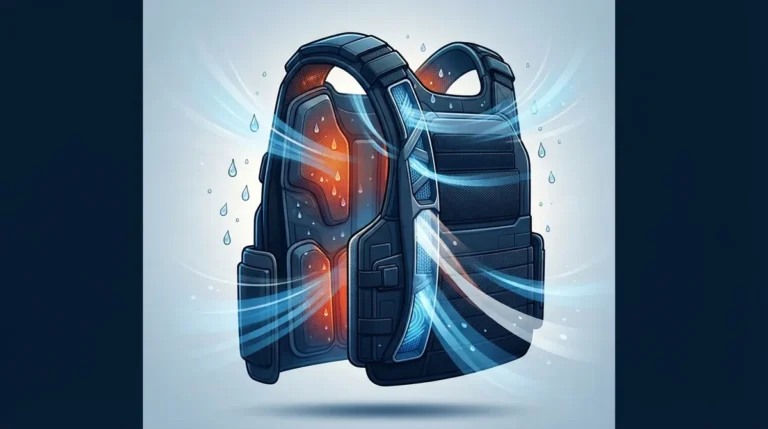
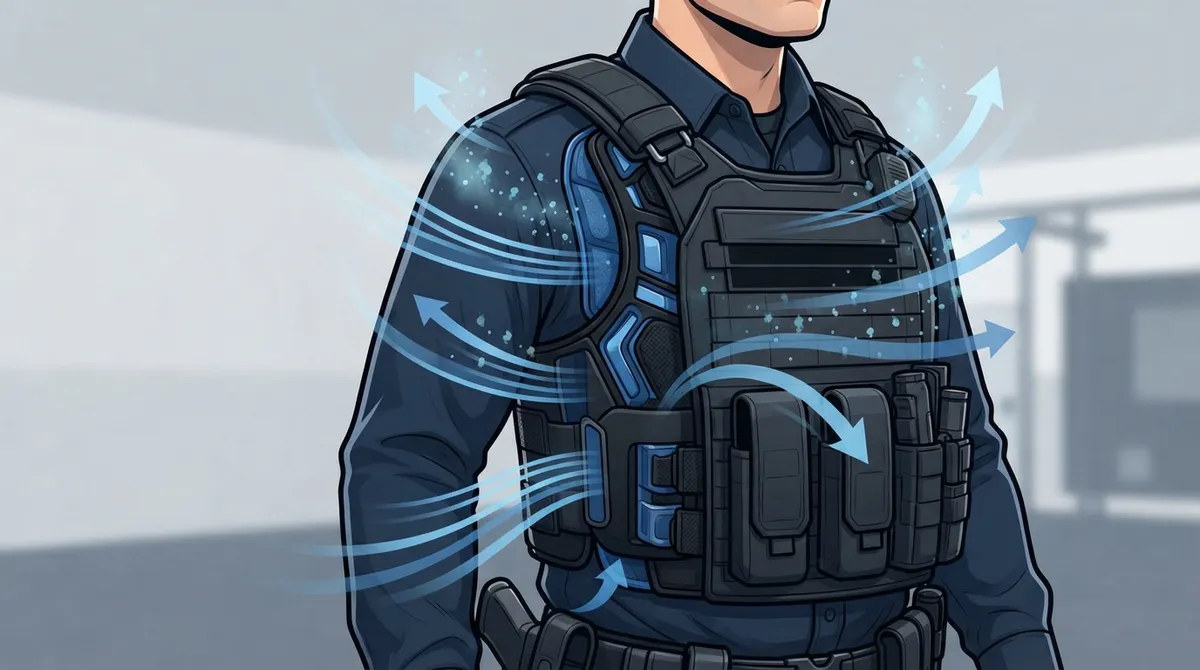
A body armor ventilation system is any product or design that creates airflow between your body and your protective vest. The goal is simple: move air, reduce sweat, and let trapped heat escape before it builds up.
These systems generally fall into two camps. Passive systems use spacers, mesh, or air channels to create a small gap that lets air move naturally. Active systems use battery-powered fans or inflatable air gaps to push air through on demand. Both approaches aim to fight the same enemy: the hot, damp microclimate that forms under heavy armor.
Industry reviews, including comparisons from passive vs. active body armor ventilation system comparisons, show that the market is centered around a few key factors. These include airflow strength, weight, placement, and how well the system fits under a plate carrier or concealable vest.
Why Trapped Heat Is a Bigger Problem Than You Think
Body armor is designed to protect you, not to breathe. That means heat and moisture naturally get trapped between your body and the vest panels. Over a long shift, this buildup can lead to sweat rashes, odor, fatigue, and even heat exhaustion in extreme cases.
According to the OSHA Heat Stress Guide, heat-related illness can impair judgment, slow reaction time, and reduce physical performance, all things that matter enormously for anyone wearing armor on the job. If you’ve ever felt foggy or sluggish halfway through a hot shift, heat stress may be part of the reason why.
How Does Ventilation Work Under a Plate Carrier or Tactical Vest
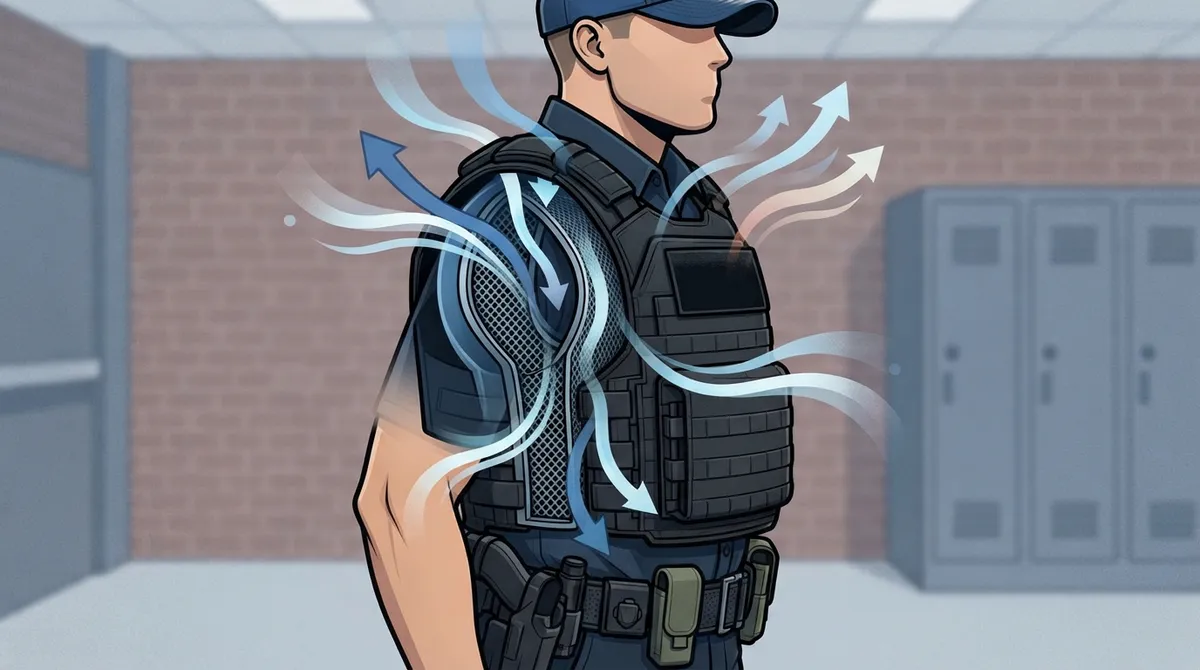
Ventilation systems work by creating a pathway for air to move. Some use vertical channels and horizontal vent holes to encourage evaporation, similar to how a wicking fabric pulls moisture away from skin. Others use a small fan to actively push fresh air across your torso.
Research backs up the benefits of active airflow. A DTIC study on forced ventilation under torso body armor found that delivering 9 L/s of ambient air increased heat loss from a sweating thermal manikin by 45 watts. That same study showed a 17% reduction in dry thermal resistance and a 20% reduction in vapor resistance, meaning heat and moisture escaped much more efficiently.
A separate DTIC evaluation of a battery-powered ventilation system used a fabric manifold and achieved an average cooling capacity of 45.1 watts at the same 9 L/s airflow rate. These numbers may sound technical, but the takeaway is simple: moving air under your armor genuinely helps your body cool down and stay drier.
Passive vs. Active Ventilation: What’s the Real Difference
Passive systems rely on spacing and mesh to let air move on its own. They’re lightweight, often inexpensive, and require no batteries. But they depend heavily on your movement and the outside air temperature to work well.
Active systems use fans or inflatable air gaps to push air through, regardless of how much you’re moving. This means more consistent cooling, even when you’re standing still at a checkpoint or sitting in a patrol car. For a deeper look at this comparison, check out our passive vs. active tactical vest ventilation comparison.
| Feature | Passive Ventilation | Active Ventilation |
|---|---|---|
| Power Source | None needed | Battery or pump |
| Cooling Consistency | Depends on movement | Consistent, on-demand |
| Weight | Very light (under 1 oz. in some cases) | Slightly heavier due to battery/fan |
| Best For | Budget-conscious users, minimal setup | Long shifts, extreme heat, hands-free cooling |
Meet BluHalo: A Ventilation Vest Built by an Officer, for Officers
BluHalo was created by a Chicago police officer who got tired of sweating through long, hot shifts under a bullet-resistant vest. It’s a lightweight ventilation vest that fits under your body armor and lifts it slightly away from your body, creating a cooling air gap on demand.
Here’s what makes BluHalo stand out:
- Weighs under 7 ounces, so it won’t add bulk to your gear
- Lifts your vest up to about 1.5 inches when inflated, creating instant airflow space
- Attaches easily to a clean vest using Velcro
- Inflates with a small pump and deflates instantly with a button press
- Sits flat and unobtrusive when not in use
- Built from double-layer, high-strength polyethylene for daily durability
Officers who’ve tried BluHalo describe major comfort improvements during brutal conditions, like 12-hour shifts in 95-degree heat. You can learn more about the design and technology behind it on our BluHalo product page, or read real experiences on our customer reviews page.
Meet Blufano: Active Airflow for All-Day Cooling
If you want continuous, fan-driven cooling, Blufano is our answer. It’s a self-contained active ventilation unit with a patented air-redirect spout that slides under any style of body armor, no matter the brand or cut.
Key features of Blufano include:
- Adjustable fan-driven airflow that runs 8 to 32 hours depending on the setting
- Built-in 10,000mAh power bank that also charges your phone or other USB devices
- Forward-facing light for hands-free illumination in low-light situations
- Simple control knob for easy operation while on duty
- Secures under armor with an optional strap for a snug, no-slip fit
Users report faster cooling, especially when paired with vehicle AC during patrol breaks, along with noticeably less sweat and better focus during long, hot days. Explore the full feature set on our Blufano product page.
Comparing Ventilation Options in the Market
The body armor ventilation market has grown quickly, with several brands offering different approaches. Here’s a quick snapshot based on industry comparisons:
| Product Type | Approx. Price | Ventilation Style |
|---|---|---|
| Body Armor Vent | $85 | Passive channel/vent holes |
| TacVent | $35 | Passive mesh spacer |
| SKD Tactical Pontoons | $20 | Passive foam spacer |
| IceVents | $70 | Passive, ultra-lightweight |
| MaxxDri Vest 3.0 | $100 | Passive airflow channels |
| BluHalo | $60 | Inflatable, cooling-on-demand |
While passive options are affordable and simple, they can’t match the consistent airflow of an active system like Blufano or the on-demand lift of BluHalo. If you’re comparing options, our guide on how to choose the right body armor ventilation vest in 2026 can help you weigh the tradeoffs.
Who Benefits Most From a Ventilation System
Body armor ventilation systems aren’t a one-size-fits-all product. Different professionals face different heat challenges, and the right system depends on your specific job demands.
- Law enforcement officers wearing armor daily benefit from consistent airflow during long patrol shifts, especially in summer months.
- Military personnel operating in extreme heat need durable, field-ready cooling that won’t fail during extended missions.
- Security professionals standing for hours at a time need lightweight, low-profile solutions that don’t interfere with movement.
- Tactical and SWAT teams engaged in high-intensity operations need cooling that keeps up with heavy exertion and quick decision-making.
- Emergency response personnel, including firefighters and hazmat teams, need ventilation that works even under multiple layers of protective gear.
No matter which group you fall into, the core need is the same: staying cool enough to think clearly and move confidently. This matters even more when your gear meets rigorous Body Armor Standards, since heavier, more protective panels often trap even more heat.
Can Ventilation Layers Fit Under Concealable Armor?
Yes, and this is one of the most common questions we hear. Both BluHalo and Blufano are designed to be low-profile enough to work under concealable vests, not just outer plate carriers. Because BluHalo sits flat when deflated and Blufano’s spout design slides under nearly any armor style, they won’t compromise your protection or your cover.
If you wear concealable armor for plainclothes or executive protection work, this compatibility is a major win. You get the cooling benefit without sacrificing the discreet profile your job requires.
What to Look for When Choosing a Ventilation System
With so many options out there, it helps to have a simple checklist. Here’s what we recommend focusing on:
- Weight and bulk added to your existing setup
- Battery life if you’re considering an active system
- Ease of attachment, ideally Velcro or strap-based for quick setup
- Compatibility with your specific armor type and cut
- Durability of materials for daily wear and tear
- Whether you want passive airflow or active, fan-driven cooling
An early Body Ventilation System (BVS) reported by Defense Update used a battery-powered blower, weighed about 5 pounds, and ran for up to 8 hours on rechargeable lithium-ion batteries. Compare that to Blufano’s 8 to 32 hour range on a much smaller footprint, and you can see how far this technology has come. For more buying guidance, take a look at our article on the best body armor ventilation options for 2026.
Real Talk: Does Ventilation Really Reduce Heat Stress
Short answer: yes, and the data backs it up. The 45-watt increase in heat loss from forced ventilation studies isn’t just a number on a page. It translates to feeling noticeably cooler, sweating less, and staying more alert during long shifts.
Officers and soldiers who’ve made the switch consistently report the same thing: less soaked undershirts, fewer rashes, and better focus when it counts most. If you want to dig deeper into the science, our article on how to prevent heat stress while wearing body armor breaks it down further.
Bundling BluHalo and Blufano for Maximum Cooling
Here’s a tip a lot of our customers love: you don’t have to choose just one system. Pairing BluHalo’s on-demand inflatable lift with Blufano’s continuous fan-driven airflow gives you the best of both worlds. You get instant relief when you need it and steady, ongoing cooling throughout your shift.
We offer both products individually or as a discounted bundle, so you can build the setup that fits your job and your budget. Browse our full lineup in the shop or watch real demonstrations on our videos page to see how each system performs in action.
Ready to Stay Cooler on Every Shift
Trapped heat under your body armor doesn’t have to be part of the job. Whether you choose the inflatable comfort of BluHalo, the active airflow of Blufano, or both together, you deserve gear that works as hard as you do. Thousands of officers, soldiers, and security professionals have already made the switch, and they’re not going back to sweaty, uncomfortable shifts.
If you have questions about which system fits your needs best, our team is happy to help. Feel free to get in touch with our team today, and let’s find the right cooling solution for you.
FAQs
Q: What is a body armor ventilation system?
A: It’s a cooling layer, either passive or fan-powered, that creates airflow between your body and your armor. Think of it as giving your skin room to breathe under all that protective gear. Products like BluHalo and Blufano are great examples of how this works in real life.
Q: How does body armor ventilation work under a plate carrier or tactical vest?
A: Ventilation systems either use spacing and mesh to let air flow naturally, or a small fan to push fresh air through actively. Both approaches aim to reduce trapped heat and sweat, and studies show active airflow can boost heat loss significantly. It really does make a noticeable difference on hot shifts!
Q: What’s the difference between passive and active ventilation vests?
A: Passive systems use mesh or spacers and rely on your movement to circulate air, no batteries needed. Active systems, like Blufano, use a fan to push air continuously, giving you steady cooling even when you’re standing still. Both have their place, it just depends on your comfort needs and budget.
Q: Can ventilation layers fit under concealable armor without affecting protection?
A: Yes! Both BluHalo and Blufano are designed to be low-profile enough to slide under concealable vests without changing how your armor protects you. You get the cooling benefit while keeping your discreet profile intact, which is a huge relief for plainclothes officers.
Q: How much do ventilation vests weigh and how long do battery-powered systems last?
A: BluHalo weighs under 7 ounces and sits flat when deflated, so it’s barely noticeable. Blufano runs anywhere from 8 to 32 hours on a single charge, depending on your fan setting, which is more than enough to cover even the longest shift.