Key Takeaways
-
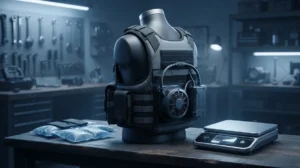
Active cooling systems like BluFano can reduce core body temperature and extend operational endurance by up to 30%, making them essential for 12+ hour shifts in high heat and humidity where passive solutions fall short.
-
Passive upgrades like Maxx-Dri 4.0 achieve 23°F cooler surface temperatures and are maintenance-free, lightweight solutions ideal for dry/moderate climates, but lose effectiveness in humid environments where sweat won’t evaporate naturally.
-
The BluHalo inflatable vest creates a 1.5-inch air gap under armor for under 7 ounces at $60, offering an affordable middle-ground option that can be paired with powered fans for maximum cooling performance.
-
Combine passive air-gap solutions with active fan systems for maximum heat and moisture management; this hybrid approach delivers both structural lift and powered airflow for demanding professional duty conditions.
-
When selecting body armor upgrades, prioritize air gap size, moisture-wicking layers, compatibility with your specific armor style, and durability for daily use rather than choosing based solely on weight or cost.
-
Ventilation upgrades benefit year-round comfort by managing sweat moisture in cold weather, preventing rapid chilling when body heat causes buildup under trapped armor during slower operational periods.
If you wear body armor for hours at a time, you already know the struggle. The heat builds up. Sweat soaks through your undershirt. By mid-shift, you’re distracted, uncomfortable, and just counting down the minutes. Sound familiar? You’re definitely not alone, and the good news is that body armor comfort upgrades have come a long way in 2026.
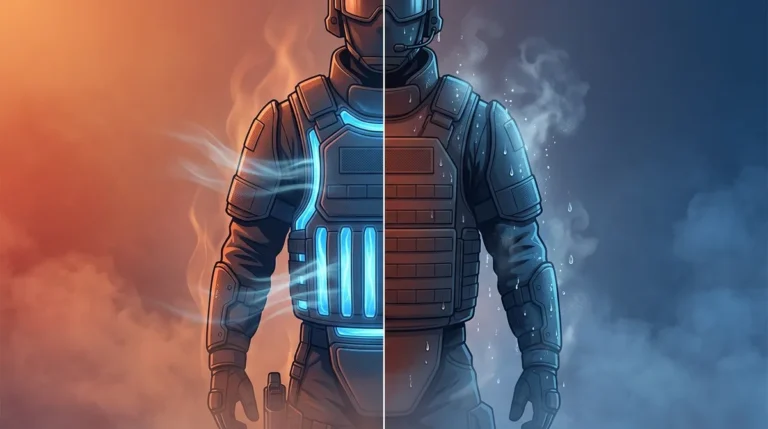
The big question most officers, soldiers, and security professionals face is this: should you go with a passive cooling solution or an active one? Both approaches promise relief, but they work very differently. This guide breaks down each option clearly so you can decide what’s right for your gear, your climate, and your shift.
What Are Body Armor Comfort Upgrades?
Body armor comfort upgrades are products or design features added to your existing setup to reduce heat, manage sweat, and improve airflow under your vest. They don’t replace your armor. Instead, they work alongside it to make wearing that armor much more bearable.
According to the Body Armor Standards from the National Institute of Justice, protective vests are designed for ballistic performance first. Comfort is often secondary. That’s where upgrades come in — they fill the gap between protection and wearability. You can learn more about what a body armor vent is and why you need one to get started.
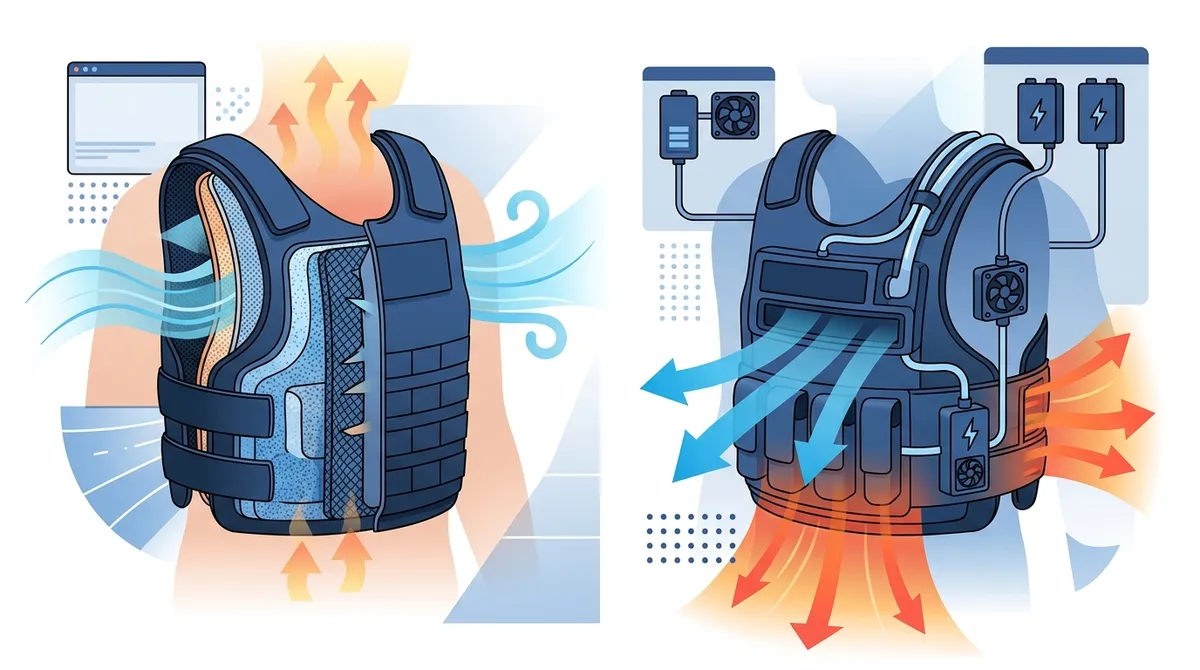
Passive vs. Active: The Core Difference
Before we dive into specific products, let’s make sure we’re clear on the two main categories. The difference is simple but important.
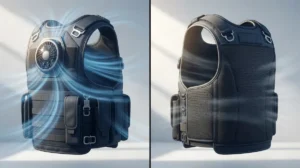
- Passive cooling uses no power source. It relies on physical spacing materials, mesh channels, or moisture-wicking fabrics to encourage natural airflow and sweat evaporation.
- Active cooling uses a powered fan or air-circulation system to push fresh air under your vest, actively removing heat and moisture in real time.
- Passive options are lightweight, low-maintenance, and always ready to go.
- Active options deliver stronger, more consistent cooling but require a battery or power source.
Both types qualify as legitimate body armor ventilation upgrades that can genuinely improve your on-duty comfort. The right pick depends on your specific needs.
Passive Body Armor Comfort Upgrades: Pros, Cons, and Products
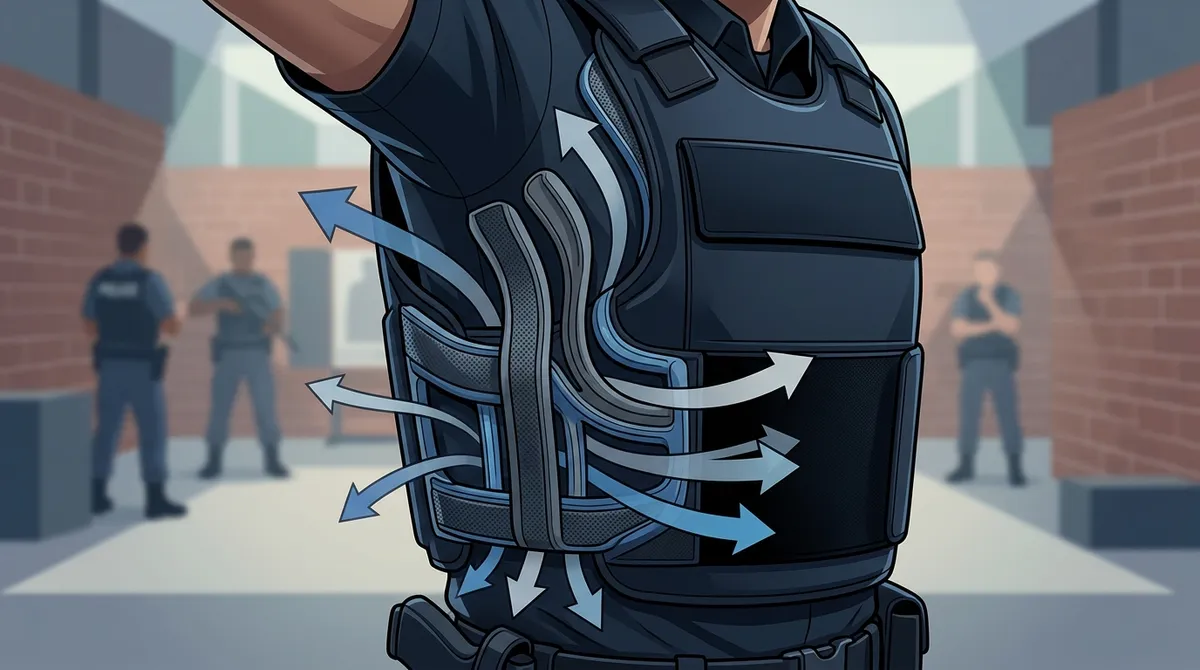
Passive upgrades create a physical gap between your skin and your armor. This gap allows heat to rise and escape while letting some natural airflow circulate. Common passive solutions include spacer mesh materials, honeycomb polymer inserts, and structured foam channels.
How Passive Upgrades Work
The idea is straightforward. A thin, structured layer sits between your body and the vest panels. It holds the armor slightly away from your torso so air can move. Some products also include moisture-wicking fabric layers that pull sweat away from your skin. For a deeper look, check out this guide on how to improve body armor airflow for all-day comfort.
One well-known passive product, the Maxx-Dri 4.0, claims that its updated material design produced surface temperatures 23°F cooler than a control group in certified testing. Its side straps are also 25% wider and 50% thinner than the previous version, delivering 97% more airflow. Those are impressive numbers for a passive system.
Pros of Passive Upgrades
- No battery required — always ready to use
- Very lightweight (some products weigh under 1.5 oz.)
- Low maintenance and easy to clean
- Fits under most body armor styles without bulk
Cons of Passive Upgrades
- Cooling effect depends heavily on ambient air temperature
- Less effective in humid environments where sweat doesn’t evaporate easily
- No powered airflow means limited relief during high-intensity activity
- May compress over time and lose their air-gap structure
Passive upgrades are a solid starting point, especially for officers or security professionals in dry, moderate climates. However, if you’re working a 12-hour summer shift in high heat, you might need more firepower — literally. For more options, browse the passive vs. active body armor ventilation comparison.
Active Body Armor Comfort Upgrades: Pros, Cons, and Products
Active cooling systems take things up a notch. They use battery-powered fans to force fresh air under your vest, actively pushing out heat and circulating cool air against your torso. These are the heavy hitters of body armor comfort upgrades in 2026.
How Active Upgrades Work
An active system — like the BluFano fan system — slides under your body armor and delivers adjustable fan-driven airflow for 8 to 32 hours depending on your setting. The BluFano includes a built-in 10,000mAh power bank, a patented air-redirect spout, and even a forward-facing light for low-visibility situations. It secures with an optional strap and is built tough for daily duty use.
Research cited by BluHalo suggests that advanced cooling technologies can reduce core body temperature and extend operational endurance by up to 30%. That’s a meaningful edge for anyone working long, hot shifts. According to the OSHA Heat Stress Guide, heat illness is a real occupational hazard — and prevention matters.
Pros of Active Upgrades
- Consistent, powerful airflow regardless of ambient temperature
- Highly effective in both hot and humid environments
- Can significantly reduce sweat buildup and core temperature
- Some units double as a USB power bank for device charging
Cons of Active Upgrades
- Heavier than passive options due to battery and fan components
- Requires charging between uses
- Slightly more setup time compared to passive inserts
- Higher upfront cost than passive spacer products
If you want to dig deeper into how active systems work, the guide on how active cooling systems work in ventilation vests is a great read.
Head-to-Head Comparison: Passive vs. Active Upgrades
Here’s a quick side-by-side look at how the two approaches stack up across the most important categories for armor wearers:
| Feature | Passive Upgrade | Active Upgrade |
|---|---|---|
| Power Source | None required | Battery / USB |
| Cooling Performance | Moderate | High |
| Weight | Very light (under 2 oz.) | Moderate (varies by model) |
| Humidity Performance | Limited | Excellent |
| Ease of Use | Very simple | Simple, with setup |
| Best For | Dry/moderate climates | Hot, humid, or intense duty |
| Cost Range | Lower | Moderate to higher |
The BluHalo Ventilation Vest: A Hybrid Approach Worth Knowing
One product that sits in a unique middle ground is the BluHalo ventilation vest. Created by a Chicago police officer, BluHalo is an inflatable vest worn under body armor. When inflated, it lifts the armor up to 1.5 inches off the body, creating a significant air gap without using a powered fan. When not needed, it deflates flat and stays totally unobtrusive.
The BluHalo weighs under 7 ounces and is built from double-layer high-strength polyethylene. It attaches to your vest with Velcro and inflates on demand with a small pump. Officers who’ve used it report major comfort improvements — even during 12-hour shifts in 95-degree weather. At $60.00, it’s an affordable first step into serious body armor cooling solutions.
For maximum results, pairing the BluHalo with the BluFano fan system gives you both structural air gap and powered airflow — a powerful combination. You can explore both through the BluHalo shop.
Popular Body Armor Comfort Upgrade Products Compared
Here’s a quick reference table comparing several well-known products in the space:
| Product | Type | Weight | Key Feature |
|---|---|---|---|
| BluHalo Vest | Inflatable / Passive | Under 7 oz. | Lifts armor 1.5″ off body |
| BluFano Fan System | Active (Fan-Powered) | Varies | 8–32 hrs airflow + power bank |
| Maxx-Dri 4.0 | Passive (Spacer Material) | ~9 oz. | Patented convection channels |
| IceVents | Passive (Spacer Insert) | Under 1 oz. | Ultra-lightweight, minimal profile |
| SKD Tactical Pontoons | Passive (Inflatable) | 1.4 oz. | Lightweight air-gap system |
Which Upgrade Is Right for You?
Choosing between passive and active body armor comfort upgrades really comes down to your environment and your duty demands. Here’s a simple guide to help you decide:
- You work in a dry climate or moderate heat: A passive spacer system or the BluHalo inflatable vest may be all you need. Lightweight and hassle-free.
- You work long shifts in high heat and humidity: Go active. The BluFano fan system will give you consistent relief when natural airflow isn’t enough.
- You want the best of both worlds: Bundle the BluHalo with the BluFano for structural lift plus powered airflow. This combo is the top-tier setup for serious professionals.
- You need something ultra-discreet: Look at low-profile passive inserts like IceVents (under 1 oz.) that add almost no bulk while still improving airflow.
For a more detailed breakdown of choosing the right system for your role, check out how to choose the right body armor ventilation vest in 2026. If you’re in law enforcement specifically, this guide on choosing the best police vest ventilation system is also worth a read.
What Features Should You Look For?
Not all body armor comfort upgrades are built the same. When you’re shopping, keep these key features in mind:
- Air gap size: Bigger spacing means more airflow. Look for products that create at least a meaningful separation between skin and armor.
- Moisture management: The best upgrades combine airflow with moisture-wicking layers to pull sweat away from your skin.
- Fit compatibility: Make sure the product works with your specific armor style — concealable, plate carrier, or external vest.
- Weight and profile: A good upgrade should add comfort without adding noticeable bulk or weight.
- Durability: You need gear that holds up through daily use, washes, and tough conditions.
You can also browse real user reviews to see how different products perform in the field. Hearing from fellow officers and professionals is one of the best ways to make a smart buying decision.
A Quick Note on Cold Weather Use
Here’s something that surprises a lot of people: ventilation vests aren’t just for hot weather. They also help in cold conditions by managing the moisture that builds up from body heat under armor. Trapped sweat in cold weather can cause rapid chilling once you slow down. A ventilation upgrade that keeps moisture moving can actually help you stay more comfortable year-round. For more on this, read about how to improve body armour ventilation for all-day comfort.
Final Verdict: Which Wins?
Honestly? It depends on you. Passive upgrades are a great low-effort, affordable way to improve daily comfort under body armor. Active systems like the BluFano deliver more powerful, consistent relief for demanding conditions. And hybrid products like the BluHalo give you smart, on-demand cooling without the complexity of a full powered system.
The best news is that you don’t have to choose just one. Pairing a passive air-gap solution with an active fan system gives you maximum protection against heat and moisture — and that’s exactly what everyday heroes deserve. Next-generation body armor in 2026 is already up to 40% lighter than traditional models, which means the gear is evolving. Your comfort upgrades should too.
Ready to find the right setup for your needs? Get in touch with the BluHalo team and let us help you find the perfect body armor comfort upgrade for your duty demands. You work hard to protect others — let us help protect your comfort.
FAQs
Q: What are body armor comfort upgrades in ventilation vests?
A: Body armor comfort upgrades are products or design features added beneath your vest to improve airflow, reduce heat buildup, and manage sweat. They work alongside your existing armor — not instead of it — to make long shifts much more comfortable. Think of them as a quality-of-life boost for anyone who wears protective gear regularly!
Q: How do ventilation vests help reduce heat under body armor?
A: Ventilation vests create a physical gap between your body and your armor, allowing heat to escape and fresh air to circulate. Some use structured spacer materials for passive airflow, while others — like the BluFano — use a powered fan to actively push cool air under the vest. Either way, the result is a noticeably cooler, drier experience during your shift.
Q: Are ventilation vests useful in cold weather as well as hot weather?
A: Yes, absolutely! Ventilation vests aren’t just a summer thing. In cold weather, they help manage moisture from body heat, which can cause rapid chilling when you slow down or stop moving. By keeping sweat moving away from your skin, a good ventilation system helps you stay comfortable year-round — pretty great, right?
Q: What is the difference between passive and active body armor cooling systems?
A: Passive systems use no power — they rely on physical spacing, mesh materials, or inflatable air gaps to naturally encourage airflow and sweat evaporation. Active systems use battery-powered fans to push fresh air under your vest for stronger, more consistent cooling. Passive options are lighter and simpler; active options deliver more powerful relief in challenging heat and humidity conditions.
Q: How much does a body armor ventilation vest weigh?
A: It varies by product! Ultra-lightweight passive inserts like IceVents weigh under 1 ounce, while inflatable options like the BluHalo come in at under 7 ounces. More feature-rich active systems will weigh a bit more due to the fan and battery components. The good news is that even the more substantial options are designed to stay low-profile and comfortable under your gear.