Key Takeaways
-
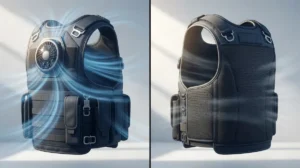
Passive cooling systems like TacVent reduce under-armor temperatures by 7.2-14.6°F using mesh and perforated panels, while active systems like BluFano deliver sustained cooling for 8-32 hours via fan-driven airflow—choose based on your duty style and shift length.
-
Combining passive and active cooling systems together is more effective than either alone; BluHalo (inflatable air gap) paired with BluFano (fan system) creates powerful, consistent temperature management even during long stationary shifts in extreme heat.
-
Wear moisture-wicking base layers, activate your cooling system before overheating occurs, and stay hydrated throughout your shift—these habits maximize any ventilation system’s effectiveness and protect cognitive function during hot patrols.
-
Active cooling is worth the higher cost for officers working 12+ hour summer shifts, as it prevents heat-induced performance and cognitive decline documented by OSHA guidelines, while passive systems work best for high-movement patrol officers.
If you’ve ever worn police body armor on a hot day, you know the struggle. Heat builds up fast. Sweat soaks through your uniform. And by midday, comfort feels like a distant memory. Staying cool in body armor isn’t just about comfort — it affects your focus, performance, and safety on the job. The good news? There are real solutions out there. The big question is: which cooling approach actually works best?
In 2026, officers and tactical professionals have more options than ever. You can go with a passive cooling system — like a structured mesh or perforated panel — or step up to an active cooling system with fan-driven airflow. Both have their strengths. But they’re not created equal. Let’s break down the difference, compare them side by side, and help you figure out which one is right for you.

What Is Passive Cooling Under Body Armor?
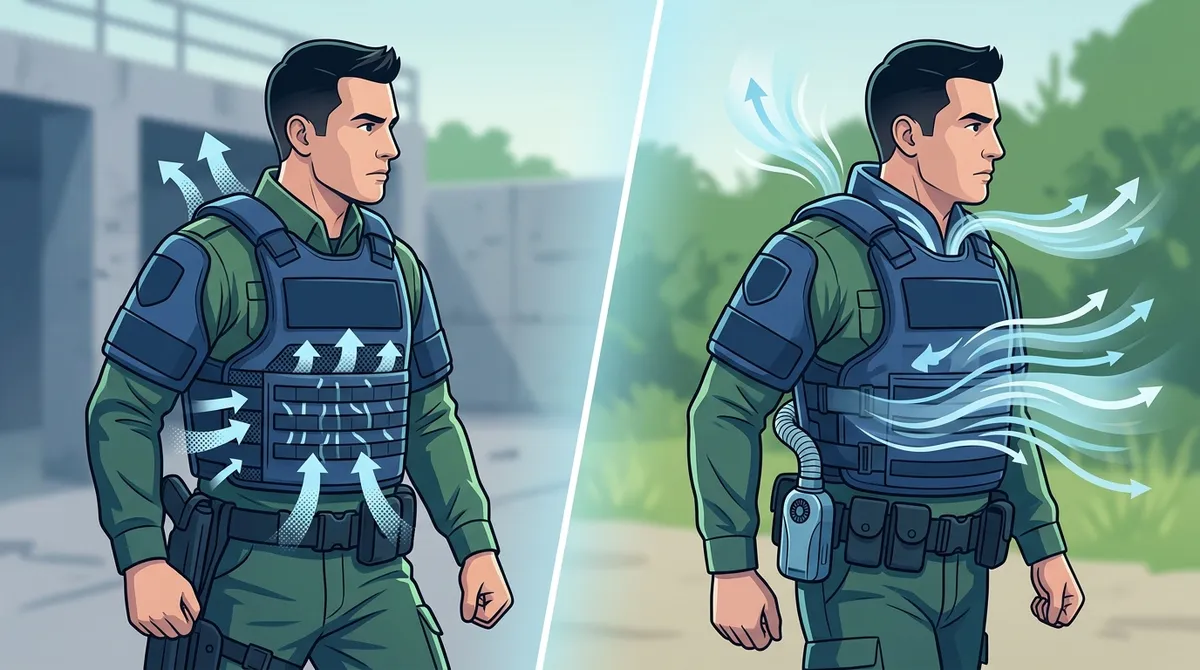
Passive cooling means your vest uses physical design — not power or motors — to improve airflow. Think of it like opening a window instead of turning on the AC. These systems use 3D mesh layers, perforated panels, or corrugated materials to create an air gap between your skin and your armor. That gap lets heat rise and escape naturally through convection.
A great example is the TacVent system — a corrugated perforated panel that lowers under-armor temperatures by 7.2 to 14.6 degrees Fahrenheit in real-world testing. It can even be trimmed to fit any armor carrier, making it super flexible. Passive systems are also lightweight, quiet, and don’t need charging. For officers who want a simple, always-on solution, they’re a solid starting point.
You can learn more about your options in our guide on what vest ventilation is and why you need it.
Pros and Cons of Passive Cooling
- No battery needed — always ready to go
- Lightweight and low-profile — won’t add bulk under your uniform
- Easy to install — most clip, trim, or slide into place
- Lower cost — budget-friendly entry point
- Limited cooling power — relies on body movement and ambient airflow
- Less effective in still air — like when you’re sitting in a patrol car

What Is Active Cooling Under Body Armor?
Active cooling takes things a step further. Instead of waiting for natural airflow, active systems use fans or inflation to push fresh air beneath your armor on demand. This is a game-changer for officers working long, hot shifts with little movement. The OSHA Heat Stress Guide highlights how sustained heat exposure impairs cognitive function and physical performance — exactly why active cooling solutions are gaining traction in law enforcement.
Products like the BluHalo ventilation vest and BluFano fan system represent the cutting edge of active cooling technology. BluHalo — created by a Chicago police officer — inflates on demand to lift your vest up to 1.5 inches off your body, creating a powerful air gap that keeps heat from building up against your skin. It weighs under 7 ounces and lies completely flat when deflated, so no one even knows it’s there.
The BluFano pairs perfectly with it. This fan-driven system slides under any body armor carrier and delivers adjustable airflow for 8 to 32 hours depending on your setting. It even includes a built-in 10,000mAh power bank to charge your devices. Talk about working smarter, not harder.
Pros and Cons of Active Cooling
- Powerful, consistent cooling — works even when you’re stationary
- On-demand control — adjust airflow based on your needs
- Longer shift comfort — up to 32 hours of temperature management
- Can reduce sweat buildup significantly — great for high-heat patrol
- Requires charging or inflation — needs maintenance between shifts
- Slightly higher cost — but the comfort return is worth it
Side-by-Side Comparison: Passive vs. Active Cooling
Here’s a quick look at how both systems stack up across the most important categories for officers and tactical professionals:
| Feature | Passive Cooling | Active Cooling |
|---|---|---|
| Power Required | None | Battery or inflation pump |
| Temperature Reduction | 7.2–14.6°F | Up to 14.6°F+ with sustained airflow |
| Cooling Duration | Continuous (movement-dependent) | 8–32 hours (adjustable) |
| Best For | Active patrols, outdoor movement | Long shifts, stationary duty, hot weather |
| Profile Under Uniform | Very low | Low (especially when deflated) |
| Ease of Use | Install and forget | On-demand control |
| Cost | Lower | Moderate to higher |
| Example Products | TacVent, Maxx-Dri | BluHalo, BluFano |
How to Stay Cool in Police Body Armor: Key Strategies
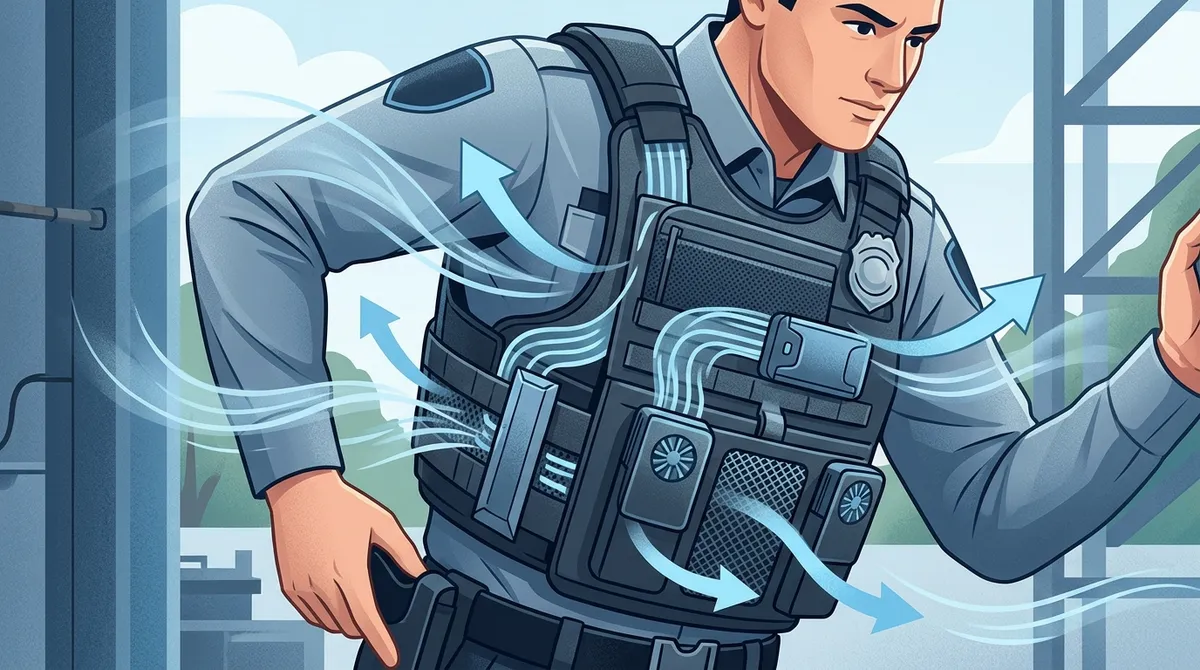
Whether you go passive or active, there are smart habits that help you stay cool in police body armor throughout your shift. Here are the top strategies professionals swear by:
- Choose the right ventilation system — Match your cooling method to your duty style. Active patrol officers may do well with passive mesh systems, while officers working 12-hour shifts in summer heat will love active fan solutions.
- Layer smart — Wear a moisture-wicking base layer beneath your ventilation vest. Moisture-wicking fabrics channel sweat away from your skin, speeding up evaporative cooling.
- Inflate or activate early — Don’t wait until you’re already overheated. Use your cooling system before heat builds up for better results.
- Use your patrol vehicle’s AC strategically — Officers using the BluFano report faster cooling when they direct vehicle AC toward their vest’s airflow intake. It turbocharges the effect.
- Stay hydrated — No cooling system replaces hydration. Drink water consistently throughout your shift, especially in 90°F+ conditions.
For a deeper dive into keeping comfortable under gear, check out our article on how to stay cool under body armor with smart ventilation.
Materials Matter: What to Look for in a Ventilation Vest
The materials your ventilation vest is made from make a huge difference. Here’s what the best options use and why:
| Material | Benefit | Found In |
|---|---|---|
| 3D Mesh | Creates air channels for natural convection | Maxx-Dri, passive panel systems |
| Perforated Panels | Allows airflow without adding bulk | TacVent |
| High-Strength Polyethylene | Durable, lightweight inflation structure | BluHalo |
| Moisture-Wicking Fabric | Moves sweat away from skin for evaporative cooling | Armadillo, base layers |
The Body Armor Standards from the NIJ remind us that protective performance must never be compromised. The best ventilation systems are designed to enhance comfort without affecting how your armor fits or performs. Always make sure your chosen vest works with your certified armor setup.
Which Option Is Best for Your Role?
Not every officer has the same needs. Here’s a quick breakdown to help you match the right system to your situation:
| Role | Recommended Cooling Type | Top Pick |
|---|---|---|
| Patrol Officer (high movement) | Passive or combo | TacVent + moisture-wicking layer |
| Patrol Officer (long stationary shifts) | Active | BluFano fan system |
| SWAT / Tactical Teams | Active (on-demand) | BluHalo (inflate/deflate as needed) |
| Security Professionals | Passive or active | Maxx-Dri or BluHalo |
| Military / Deployed Personnel | Active (extended battery) | BluFano (8–32 hour runtime) |
| Emergency Responders | Active or hybrid | BluHalo + BluFano bundle |
If you’re still unsure, our guide on how to choose the right body armor ventilation vest in 2026 walks you through everything step by step. And if you want to see the top-rated systems in one place, browse the BluHalo shop to find the perfect fit for your gear.
The Combo Approach: Why Not Both?
Here’s a little secret that experienced officers know: passive and active cooling work even better together. A structured mesh layer creates the air channel, while a fan system actively pushes fresh air through that channel. It’s like having both a window and a fan running at the same time — far more effective than either alone.
That’s exactly why BluHalo and BluFano are designed to complement each other. You can bundle both products together at a discount for maximum cooling performance. Officers who’ve made the switch report real comfort improvements, even on brutal 12-hour shifts in 95-degree heat. You can read real stories from officers in our customer reviews section — the results speak for themselves.
For more expert tips, check out our full breakdown on the best vest cooling systems and how to beat the heat in body armor. And if heat stress is a serious concern for your department, our article on how to prevent heat stress while wearing body armor is a must-read.
Final Verdict: Which Cooling Method Wins?
So, passive or active — which wins? Honestly, it depends on you and your duty environment. Passive cooling is a fantastic, always-on baseline that’s easy to use and affordable. But if you’re working long shifts in high heat, active cooling is the clear winner for consistent, powerful relief.
The smartest approach is to use both. Start with a quality ventilation vest like BluHalo to create an air gap, then add the BluFano fan system for active airflow throughout your shift. Together, they tackle the root causes of heat buildup under body armor — and keep you comfortable, focused, and ready for whatever the shift brings.
Ready to stop sweating through your shifts? Reach out to our team and we’ll help you find the right cooling setup for your gear and duty environment. You protect others — you deserve to be comfortable doing it.
FAQs
Q: How much cooler can a ventilation vest make you under body armor?
A: Great news — the difference is very real! Passive systems like TacVent can lower under-armor temperatures by 7.2 to 14.6 degrees Fahrenheit, while active systems like BluFano provide sustained, fan-driven cooling that keeps temperatures down for 8 to 32 hours. That’s a significant improvement for anyone working a long shift in summer heat.
Q: Will a ventilation vest affect how my body armor fits or performs?
A: Not at all — quality ventilation vests are specifically designed to work with certified body armor without compromising protection. Products like BluHalo lie flat when deflated and only lift your vest off the body when you need cooling, keeping your armor properly positioned at all times. Always check that your chosen system is compatible with your specific carrier.
Q: What’s the difference between BluHalo and BluFano?
A: Think of BluHalo as the foundation and BluFano as the power upgrade! BluHalo is an inflatable vest that lifts your armor up to 1.5 inches off your body to create an air gap, while BluFano is an active fan system that pushes fresh air beneath your armor for 8 to 32 hours. Many officers use both together for maximum cooling comfort.
Q: Can I wear a ventilation vest with any type of police body armor?
A: Most ventilation vests are designed to be compatible with a wide range of body armor styles and carriers. BluFano, for example, uses a patented air-redirect spout that slides under any style of body armor and can be secured with an optional strap. If you’re unsure about compatibility, reaching out to the manufacturer is always a smart move.
Q: Is active cooling worth the extra cost for law enforcement officers?
A: Absolutely — especially if you’re working long, hot shifts where staying sharp matters. Officers who’ve used active systems like BluHalo and BluFano consistently report better focus, less fatigue, and significantly more comfort during tough summer shifts. When your performance and safety depend on staying cool, the investment pays off fast.