Key Takeaways
-
Modular ventilation systems outperform built-in options for most professionals because they provide on-demand cooling during low-activity periods, are upgradeable without replacing armor, and work with any existing gear setup.
-
Heat-related illness from body armor significantly impacts performance—proper ventilation directly reduces heat exhaustion risk, prevents skin infections from sweat accumulation, and maintains mental focus during extended shifts.
-
Built-in ventilation relies on passive airflow from movement, making it ineffective during stationary duty; active modular fan systems like Blufano actively circulate air and run 8-32 hours per charge for sustained cooling.
-
Combining both ventilation approaches delivers maximum cooling—pairing a plate carrier’s built-in mesh with a modular passive vest like BluHalo (which lifts armor 1.5 inches off torso) creates superior airflow performance.
-
Key features to prioritize include 360-degree airflow coverage across the entire torso, moisture-wicking materials, adjustable fit with multiple strap points, low weight under 7 ounces, and compatibility verification with your specific armor style.
-
Modular ventilation systems eliminate the need to replace expensive body armor when upgrading cooling—they attach to existing vests and range from passive spacers to active fan systems with integrated power banks and multi-function features.
If you wear body armor for long shifts, you already know the struggle. Heat builds up fast. Sweat soaks through your uniform. And by hour six, you’re not just uncomfortable — you’re distracted. That’s a real problem when your job demands your full attention. The good news? Tactical gear ventilation has come a long way, and today’s solutions are genuinely impressive.
But here’s where it gets interesting: not all ventilation systems work the same way. Some are built directly into the vest or plate carrier. Others are modular add-ons you attach or wear separately. Both approaches have real fans (pun intended), and both have their trade-offs. So which one is actually better for you? Let’s break it down in a way that makes the choice feel easy.
Whether you’re a patrol officer sweating through a summer shift, a soldier deployed in a hot climate, or a security professional spending hours in protective gear, this comparison is for you. Let’s dig in.
What Is Tactical Gear Ventilation, Exactly?
Tactical gear ventilation refers to any system that creates airflow between your body and your body armor. The goal is simple: move heat and moisture away from your skin so you stay cooler, drier, and more focused. Without ventilation, body armor acts like a sealed lid — trapping heat and sweat against your body for hours.
According to the OSHA Heat Stress Guide, heat-related illness is a serious occupational hazard, especially for workers in heavy protective gear. Ventilation systems directly reduce this risk by helping regulate body temperature during extended wear.
The two main categories of tactical gear ventilation are:
- Built-in ventilation — ventilation features integrated directly into the vest or carrier during manufacturing
- Modular ventilation — separate, wearable or attachable systems added to existing gear
Understanding how each one works helps you make the right call for your needs. For a deeper look at how these systems function, check out what vest ventilation is and why you need it.
Built-In Tactical Vest Ventilation: The Pros and Cons
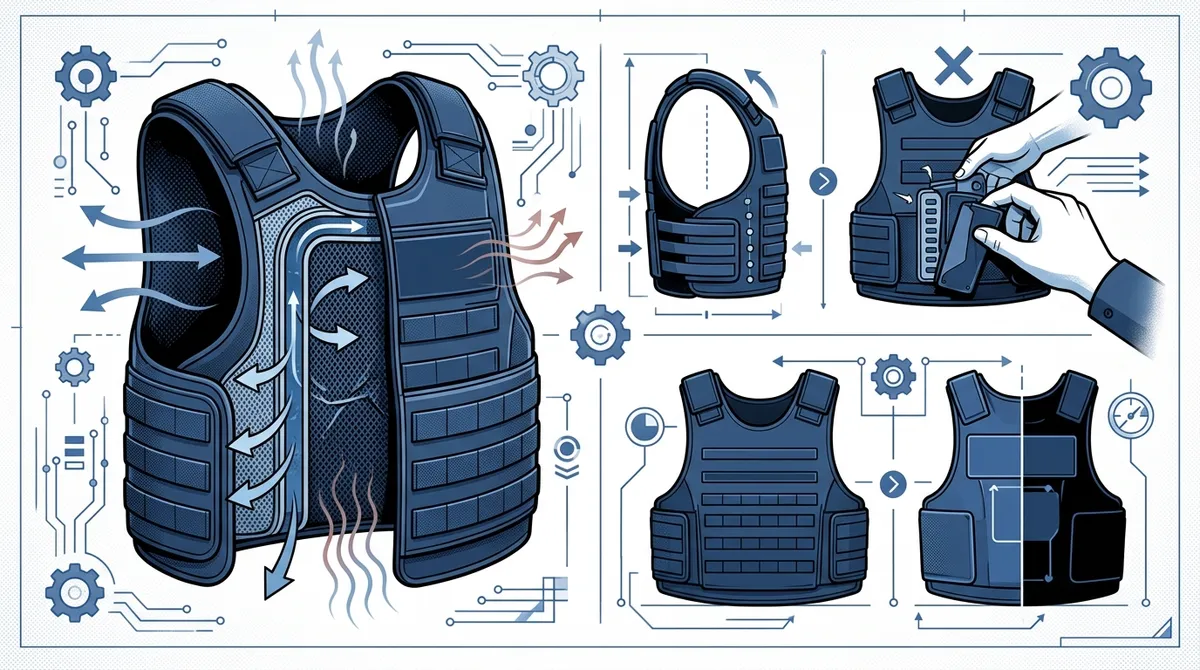
Built-in ventilation is exactly what it sounds like. The manufacturer designs airflow features directly into the vest. This might include 3D mesh panels, honeycomb foam inserts, or vertical air channels sewn into the carrier itself.
How Built-In Ventilation Works
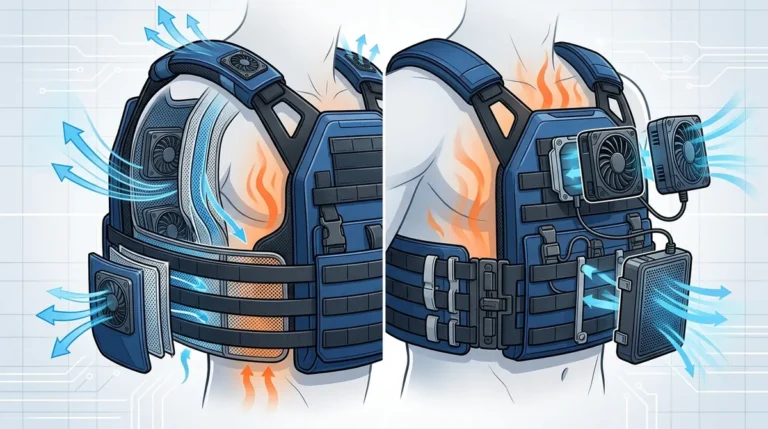
Most built-in systems use specially shaped foam or mesh that creates small gaps between the vest and your torso. As you move, air is forced through these channels. Some advanced designs use EVAP (evaporation and ventilation) technology — vertical air channels combined with horizontal vent holes that allow sweat to evaporate rather than just pool.
This passive airflow works automatically. No buttons, no batteries. Just movement-driven cooling. It’s kind of like how your car’s ventilation system works when you crack the windows — simple physics doing the heavy lifting.
Pros of Built-In Ventilation
- No extra gear to carry or maintain
- Seamless, low-profile appearance
- Works passively — no power source needed
- Often included in premium tactical carriers at no extra cost
Cons of Built-In Ventilation
- Limited cooling power during low-movement periods (standing guard duty, for example)
- Cannot be upgraded or replaced without buying a new vest
- Performance varies widely by manufacturer quality
- May add bulk or stiffness to the carrier
For officers and operators in high-movement roles, built-in ventilation can be a solid baseline. But in extreme heat or during long stationary shifts, it often isn’t enough on its own. You can explore how body armor ventilation is a game changer for officers to see why more professionals are seeking additional solutions.
Modular Tactical Gear Ventilation: The Pros and Cons
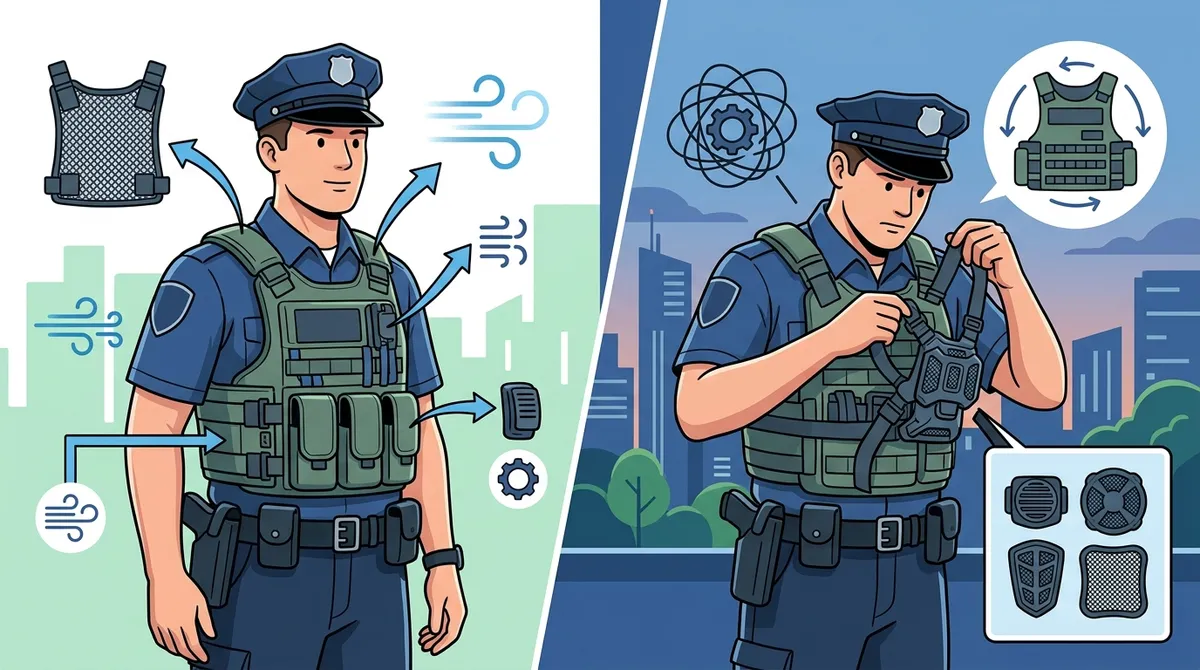
Modular ventilation systems are separate products worn under or attached to existing body armor. They don’t replace your vest — they enhance it. This category includes passive ventilation vests (like foam-based spacers) and active systems with fans and power banks.
How Modular Ventilation Works
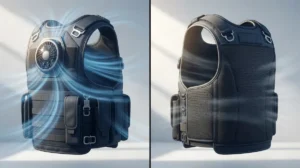
Passive modular systems — like the BluHalo ventilation vest — create a physical air gap between your body and the armor. BluHalo is a lightweight vest (under 7 ounces!) that inflates on demand to lift your body armor up to 1.5 inches off your torso. That gap allows heat and sweat to escape naturally. It deflates flat when not needed, making it incredibly low-profile.
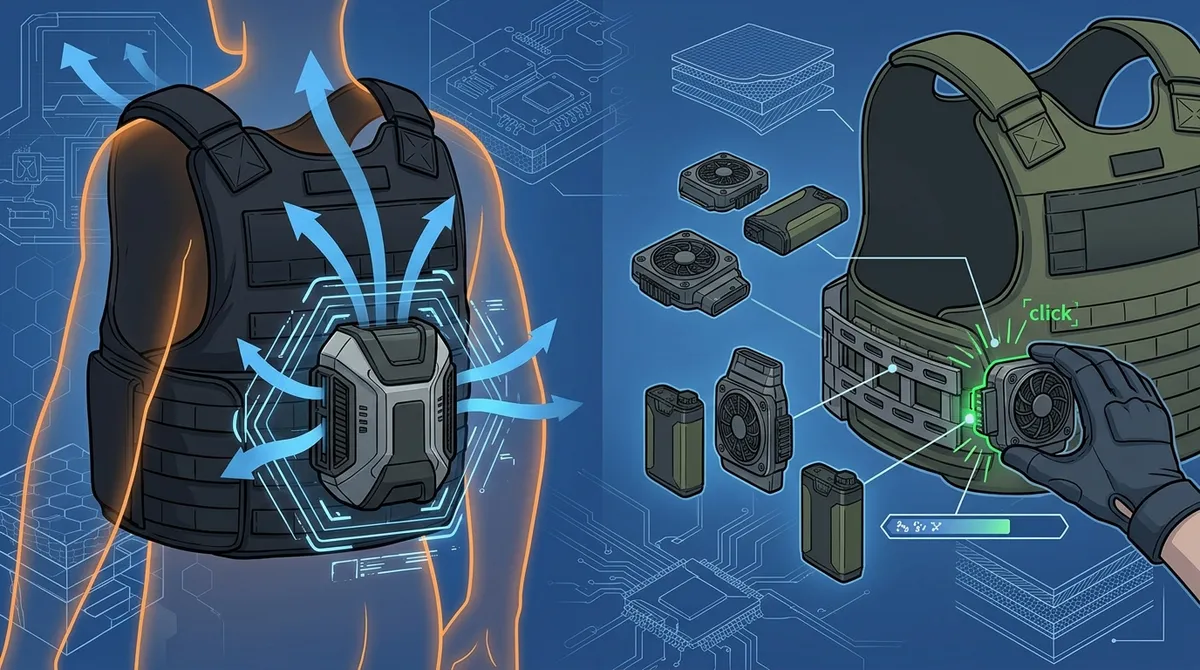
Active modular systems take it further. The Blufano fan system uses a patented air-redirect spout that slides under any body armor style. Its built-in fan actively circulates fresh air beneath your vest for 8 to 32 hours depending on the setting. It even includes a 10,000mAh power bank and a forward-facing light — making it a true multi-function tool for duty use.
Pros of Modular Ventilation
- Works with any existing vest or plate carrier
- Active fan systems provide cooling even when you’re standing still
- Can be upgraded independently without replacing your armor
- Options like BluHalo are adjustable and on-demand
- Versatile — usable across different gear setups
Cons of Modular Ventilation
- Active systems require charging or battery management
- Adds a layer of gear to your setup
- Requires some setup time before or during your shift
For those in extreme conditions or long shifts, the added effort is absolutely worth it. Many officers have reported significant comfort improvements — even on 12-hour days in 95-degree heat. Learn more about how to stay cool under body armor with smart ventilation.
Head-to-Head Comparison: Built-In vs. Modular
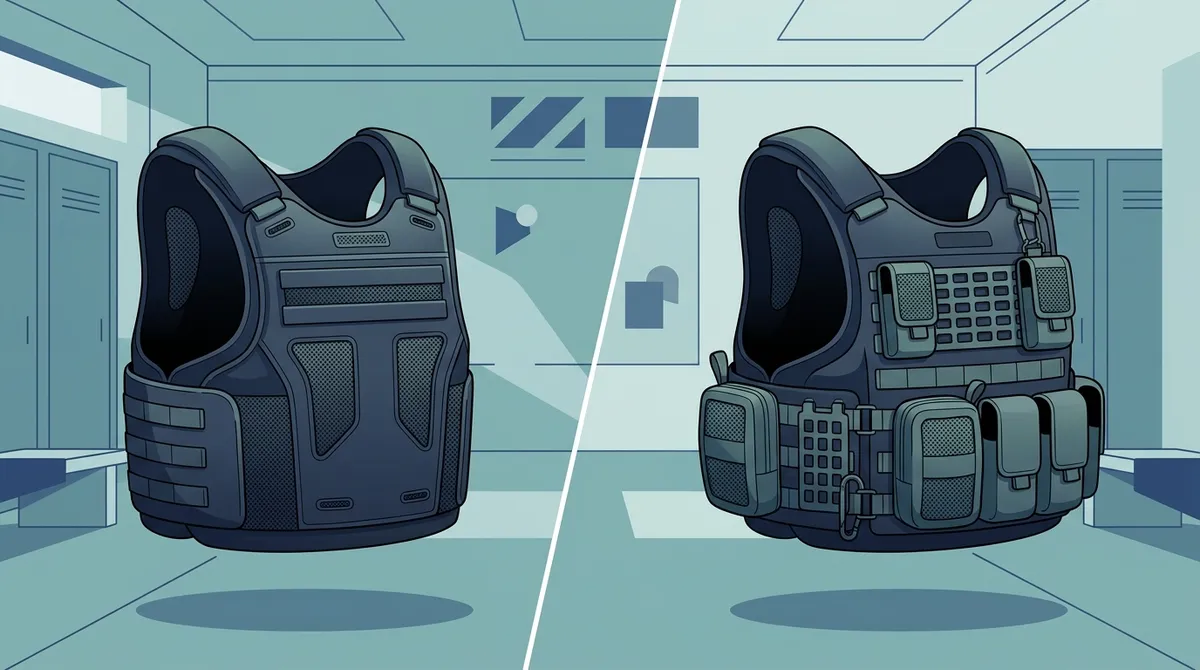
Let’s put both options side by side so you can see the differences clearly.
| Feature | Built-In Ventilation | Modular Ventilation |
|---|---|---|
| Works with existing gear | No — built into specific vests | Yes — compatible with most armor |
| Active vs. passive cooling | Passive only | Both options available |
| Cooling during low activity | Limited | Strong (especially with fans) |
| Weight added | Minimal | Low to moderate |
| Upgradeable | No | Yes |
| On-demand cooling | No | Yes (BluHalo, Blufano) |
| Battery required | No | Only for active systems |
| Best for | Light-duty, high-movement roles | Extended shifts, extreme heat |
Which Ventilation Type Fits Your Role Best?
The right choice really depends on your specific situation. Here’s a quick guide to help you match your role to the right system.
| Role | Recommended Ventilation Type | Top Pick |
|---|---|---|
| Patrol Officer (daily wear) | Modular passive + active | BluHalo + Blufano bundle |
| Military (deployed, high heat) | Active modular fan system | Blufano |
| SWAT / Tactical Teams | Built-in + modular passive | BluHalo under plate carrier |
| Security Professionals | Modular passive | BluHalo ventilation vest |
| Emergency Responders | Active modular | Blufano with power bank |
Not sure what fits your setup? You can always reach out to the team for personalized guidance on the right ventilation solution for your gear and role.
Key Features to Look for in Any Tactical Ventilation System
Whether you go built-in or modular, here are the most important features to look for when evaluating any tactical gear ventilation solution.
- 360-degree airflow coverage — The best systems create separation across your entire torso, not just the front or back panel.
- Moisture management — Look for materials or designs that actively wick or evaporate sweat, not just move it around.
- Adjustable fit — Quality ventilation vests typically offer 4 points of adjustment (shoulders and side straps) for a customized, secure fit.
- Low weight — Your ventilation system shouldn’t make you feel heavier. The best options weigh just a few ounces.
- Compatibility — Confirm the system works with your specific armor style, whether that’s a concealable vest, plate carrier, or tactical outer carrier.
Checking the NIJ Body Armor Standards can also help you understand how ventilation systems interact with armor protection ratings. It’s always smart to make sure your comfort upgrades don’t compromise your protection.
For a more detailed breakdown of what to consider, the guide on choosing the right body armor ventilation vest in 2026 is a fantastic resource.
The Real-World Impact of Proper Ventilation
We’re not just talking about comfort here. Proper tactical gear ventilation has real, measurable effects on performance and health. Heat-related fatigue sets in fast when sweat can’t escape. It slows your reaction time, clouds your judgment, and drains your energy.
Ventilation systems help prevent:
- Heat exhaustion and heat stroke
- Skin chafing and rashes from sweat accumulation
- Bacterial infections caused by trapped moisture
- Mental fatigue from prolonged thermal discomfort
For professionals who wear body armor every single day, these aren’t minor issues — they’re mission-critical concerns. You can read more about how to prevent heat stress while wearing body armor for practical strategies beyond ventilation gear alone.
Also worth exploring: the best vest cooling systems for beating the heat in body armor, which covers multiple approaches in one handy overview.
Combining Both: The Smartest Move
Here’s a little secret that experienced gear users already know: the best approach is often to combine both systems. If your plate carrier has decent built-in mesh ventilation, adding a passive modular vest like BluHalo on top creates an even bigger air gap and dramatically improves airflow. Add Blufano’s active fan system on particularly hot days, and you’ve essentially built your own personal cooling station under your armor.
BluHalo and Blufano are even available as a bundle through the BluHalo shop — giving you maximum cooling performance at a better value. It’s the kind of setup that makes long summer shifts actually manageable. Check out what real users are saying about the difference these systems make on the job.
Final Verdict: Which Wins?
So, built-in vs. modular tactical gear ventilation — which one wins? Honestly? Modular wins for most professionals. Here’s why.
Built-in ventilation is a great starting point. It’s seamless and requires zero extra effort. But it’s limited in power and can’t be upgraded as your needs change. Modular systems like BluHalo and Blufano give you control. You can adjust airflow on demand, upgrade your setup without replacing your armor, and get real, meaningful cooling even during low-activity periods.
For patrol officers, soldiers, security professionals, and first responders spending long hours in protective gear, modular ventilation isn’t just a nice upgrade — it’s a necessity. Your comfort directly affects your performance. And your performance can affect lives.
Ready to take control of your comfort on duty? Get in touch with the BluHalo team to find the right tactical gear ventilation solution for your specific needs. You deserve to stay cool, focused, and at your best — no matter how long the shift or how high the temperature.
FAQs
Q: What is the main benefit of tactical gear ventilation for body armor wearers?
A: Tactical gear ventilation creates airflow between your body and armor, helping heat and sweat escape instead of building up against your skin. This keeps you cooler, reduces fatigue, and helps you stay sharp and focused during long shifts — which is a total game changer for anyone in a demanding role!
Q: Can I add a modular ventilation system to my existing body armor?
A: Absolutely! That’s one of the biggest advantages of modular systems. Products like the BluHalo ventilation vest and the Blufano fan system are designed to work with virtually any style of body armor or plate carrier, so you don’t have to replace your existing gear to get real cooling relief.
Q: How long does an active fan ventilation system like Blufano last on a single charge?
A: The Blufano fan system runs for 8 to 32 hours depending on which speed setting you use — plenty of coverage for even the longest shifts. It also includes a built-in 10,000mAh power bank so you can charge other USB devices while it keeps you cool. Pretty handy, right?
Q: Is tactical gear ventilation only for law enforcement and military use?
A: Not at all! While ventilation vests are especially popular with police officers, soldiers, and first responders, they’re also great for security professionals, motorcyclists, athletes, and anyone who wears protective gear in warm conditions. If you’re wearing something that traps heat, ventilation can help.
Q: Does adding a ventilation vest affect the protection level of my body armor?
A: A properly designed ventilation vest like BluHalo is made to work alongside your armor without compromising its ballistic performance. It’s always a good idea to verify compatibility with your specific armor and check the NIJ Body Armor Standards for guidance on how add-ons interact with certified protection ratings.