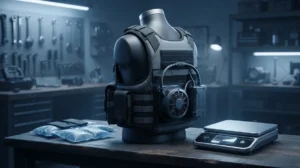
Key Takeaways
-
Active ventilation systems reduce heat storage by 19-24% and lower sweat rates by 21-25% compared to passive cooling, with mean skin temperature dropping 0.6-0.9°C during exercise.
-
Heat stress impairs cognitive function and decision-making ability in tactical professionals; ventilation vests help preserve mental sharpness by reducing the physiological strain index by 9-21%.
-
Body armor creates a trapped heat microclimate by blocking natural cooling through sweat evaporation and airflow; this requires active air-moving solutions, not just hydration or passive materials.
-
Pair active ventilation vests with moisture-wicking synthetic base layers instead of cotton to maximize cooling effectiveness and allow faster sweat evaporation during long shifts.
-
Ventilation systems work most effectively during active duty and movement; they provide sustained relief during demanding operations but offer limited additional cooling during rest periods.
-
On-demand systems like BluHalo (under 7 ounces, 1.5-inch air gap) and continuous airflow solutions like Blufano (8-32 hour battery) address different duty scenarios and should match your specific role demands.
Picture this: it’s your eighth hour on shift, the sun is blazing, and your body armor feels like a furnace strapped to your chest. Sound familiar? You’re not imagining things. Tactical gear heat stress is real, and it’s one of the biggest hidden threats facing officers, soldiers, and first responders every single day. The good news? You don’t have to just tough it out anymore.
Body armor is amazing at stopping threats, but it’s terrible at letting your skin breathe. That combination creates a hot, sweaty microclimate that traps heat right where your body needs to cool down most. Over time, this leads to fatigue, poor focus, and even serious health risks. Thankfully, ventilation vests like the ones from BluHalo were built specifically to solve this problem. We’re going to walk through exactly what causes tactical gear heat stress, why it matters so much for your safety, and how the right cooling gear can change your entire shift experience.
What Is Tactical Gear Heat Stress, Really?
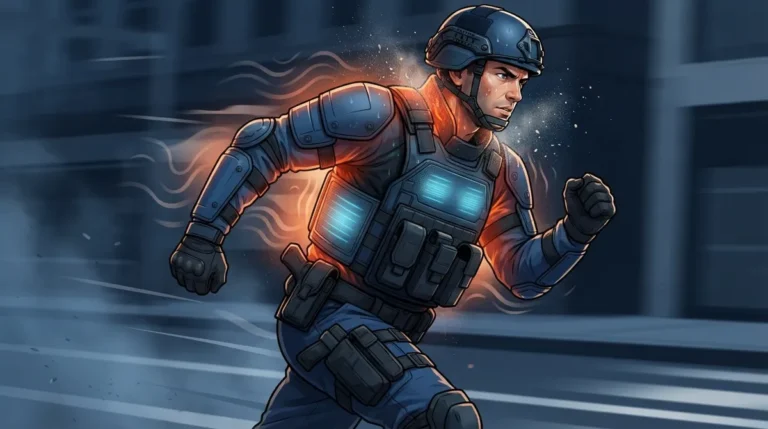
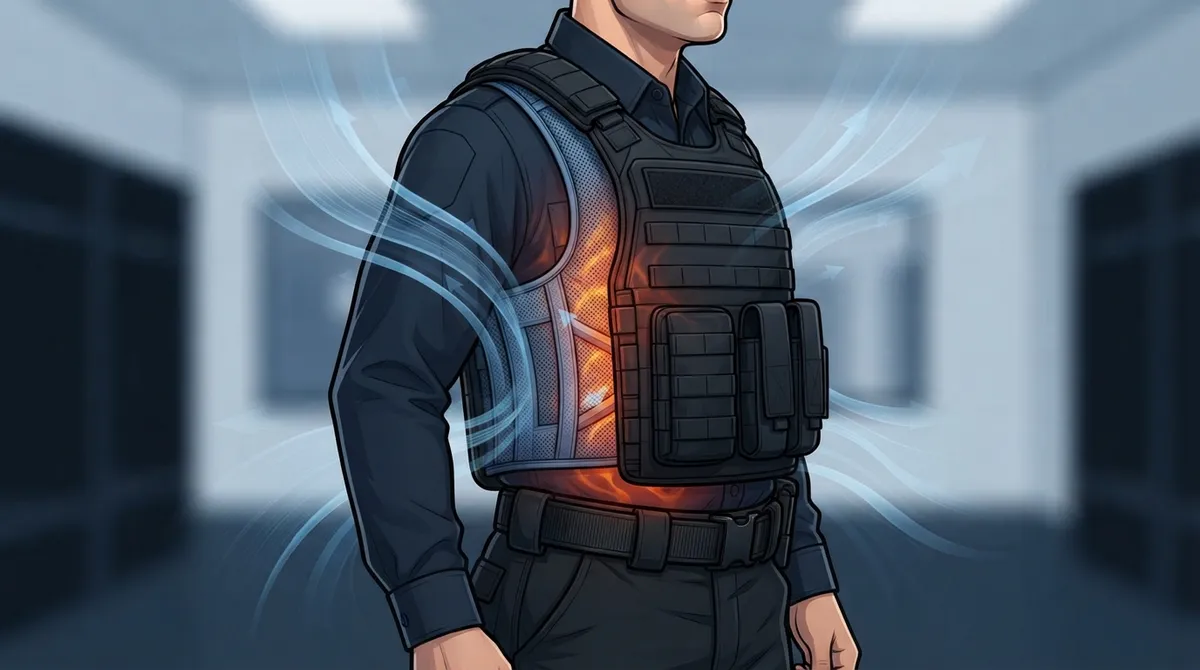
Tactical gear heat stress happens when your body armor blocks the natural ways your body cools itself. Sweating and airflow are your body’s built-in air conditioning system. When a heavy vest sits tight against your torso, that cooling system basically shuts down.
Heat and moisture get trapped between your skin and the armor. This creates a hot pocket that just keeps building the longer you wear your gear. It’s not just uncomfortable, it’s a genuine safety issue that affects how you think, move, and react on duty.
The Science Behind the Sweat
Your body works hard to release heat through sweat evaporation. But when there’s no airflow, that sweat just sits on your skin instead of evaporating. This means your internal temperature keeps climbing even though you’re soaked.
According to OSHA Heat Stress Guide, heat stress occurs when the body absorbs more heat than it can release. This is exactly what happens under tactical gear. Hydration alone won’t fix this problem because the real issue is trapped heat, not just fluid loss.
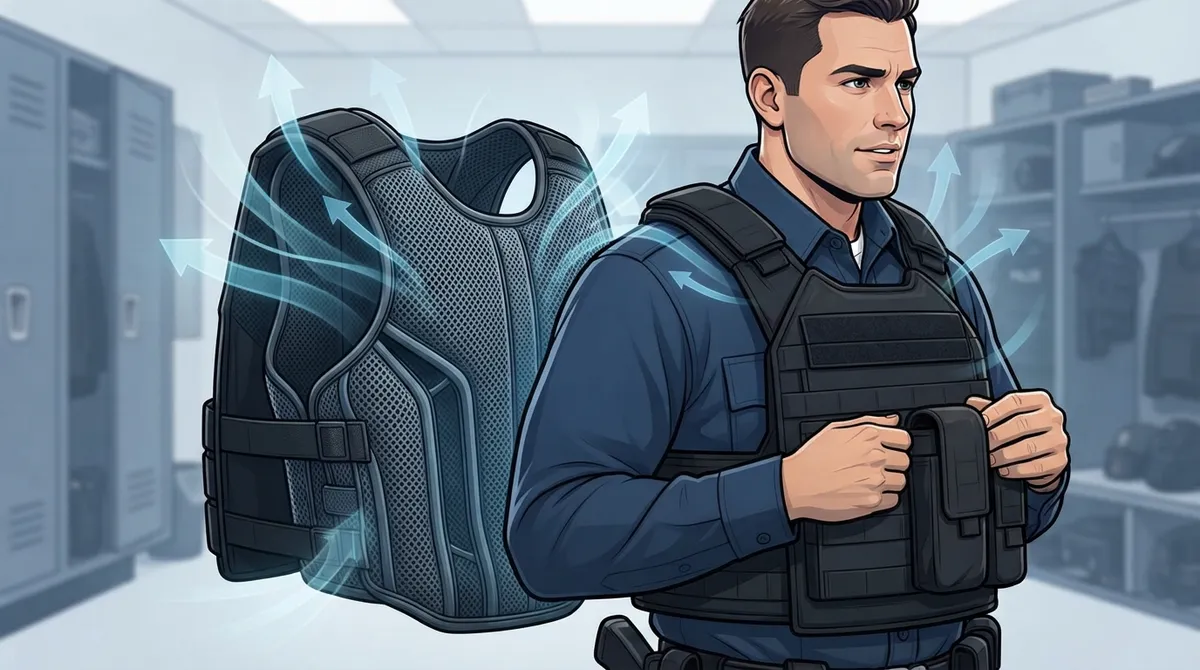
Why Everyday Heroes Feel It the Most
Law enforcement officers, military personnel, security guards, and first responders all share one thing in common: they wear heavy protective gear for hours at a time. Whether you’re doing a 12-hour patrol shift or standing guard duty in the desert, that heat builds up fast.
- Police officers often wear body armor for entire 10 to 12-hour shifts, sometimes in extreme summer heat.
- Military personnel operate in high-heat environments for extended missions, often with limited breaks.
- Security professionals stand for hours in various climates without relief from their vests.
- SWAT teams face heavy gear during high-intensity operations where every second counts.
- Firefighters and hazmat teams deal with extreme heat on top of already heavy protective layers.
For all these groups, tactical gear heat stress isn’t just a discomfort issue. It’s a performance and safety issue that can affect decision-making at the worst possible moment. Learn more about how to prevent heat stress while wearing body armor and why it matters so much for daily duty.
How Active Ventilation Beats Passive Cooling
Not all cooling solutions are created equal. There’s a big difference between passive cooling methods and active ventilation systems. Understanding this difference can help you choose gear that actually works.
Passive Cooling Methods
Passive options include things like mesh padding, gel inserts, or simple spacers. These can help a little, but they don’t move air. They just sit there and hope for the best. Once your body heat builds up, passive gear has no way to push it out.
Active Ventilation Systems
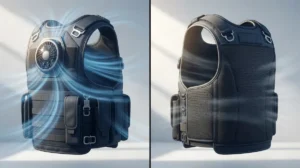
Active ventilation systems use fans or air-moving technology to physically pull fresh air under your armor. This creates a real air gap between your body and the vest, allowing continuous airflow that actually removes heat and moisture as you move.
Research backs this up in a big way. Studies show that active ventilation systems reduced heat storage rates by 19% to 24% and lowered sweat rates by 21% to 25% during exercise, compared to no cooling at all. Mean skin temperature also dropped by 0.6°C to 0.9°C with these systems in place. That’s a meaningful difference when you’re grinding through a long, hot shift.
| Cooling Method | How It Works | Effectiveness |
|---|---|---|
| Passive Mesh Padding | Creates small gaps for limited airflow | Low to moderate |
| Gel or Ice Inserts | Absorbs heat temporarily, melts over time | Moderate, short-lived |
| Active Fan Ventilation | Actively pushes air under the vest | High, sustained relief |
| BluHalo Inflatable Vest | Creates a 1.5-inch air gap on demand | High, on-demand cooling |
If you want to dig deeper into this comparison, check out our breakdown of passive vs. active tactical vest ventilation to see which one truly wins for your needs.
The Physiological Strain Index and Why It Matters
Scientists use something called the Physiological Strain Index, or PSI, to measure how much stress heat puts on your body. This combines heart rate and core temperature into one simple score.
Studies found that personal cooling systems with a layered vest and blower reduced PSI by 9% to 21% compared to wearing no cooling system at all. That’s a huge improvement in how your body handles the demands of a long shift or mission.
What This Means for Your Body
Lower PSI means your heart isn’t working as hard, your core temperature stays more stable, and you feel less wiped out by the end of the day. For tactical professionals, this translates directly into better focus, faster reaction times, and safer decision-making.
Why Cooling Vests Work Best During Activity, Not Rest
Here’s something a lot of people don’t realize. Ventilation vests are incredibly effective at lowering physiological strain while you’re active. But once you stop moving and sit down to rest, these systems don’t significantly speed up your cooling rate.
This makes sense when you think about it. Active ventilation works best when paired with movement and continuous airflow through the system. During recovery, your body naturally starts to cool on its own anyway. So the real value of a ventilation vest is keeping you comfortable and safe during the demanding parts of your shift, not during your coffee break.
The Role of Base Layers in Fighting Heat Stress
Your ventilation vest works even better when you pair it with the right base layer. Cotton might feel soft, but it actually holds onto sweat and makes things worse. Moisture-wicking synthetic fabrics like polyester are a much smarter choice.
- Choose a moisture-wicking synthetic base layer instead of cotton.
- Make sure the fabric fits snugly but doesn’t restrict movement.
- Pair it with your ventilation vest for maximum airflow benefit.
- Change your base layer if it becomes fully saturated during a long shift.
These fabrics pull sweat away from your skin and let it evaporate faster, which keeps your microclimate cooler and drier. Combined with a system like BluHalo, this creates a one-two punch against tactical gear heat stress.
How Heat Stress Impacts Your Mind, Not Just Your Body
This part often gets overlooked. Heat stress doesn’t just make you tired and sweaty, it actually impairs your thinking. Under high heat, your brain has to work harder just to keep your body functioning, leaving less capacity for sharp decision-making.
For tactical personnel, this is a serious problem. Split-second decisions matter in law enforcement, military operations, and emergency response. Ventilation vests help preserve cognitive function by neutralizing the heat stress that would otherwise become a major performance limiter. You can read more about this connection in our article on how heat affects police reaction time on duty.
Advanced Materials Changing the Cooling Game
Technology in this space keeps improving every year. New 3D polymer materials, like those found in the Maxx-Dri 4.0, have been certified to create surface temperatures up to 23°F cooler than a control group. This works by increasing air spacing between the vest and your body.
Other innovations, like the Qore Performance Ice Vest, provide around 70 watts of cooling power and can keep users safe in extreme environments for about four hours. These advancements show just how far cooling technology has come, and why sticking with outdated passive gear no longer makes sense.
| Technology | Key Benefit | Best For |
|---|---|---|
| Maxx-Dri 3D Polymer | Up to 23°F cooler surface temperature | Daily patrol wear |
| Qore Performance Ice Vest | 70 watts of cooling for 4 hours | Extreme heat missions |
| BluHalo Inflatable System | On-demand 1.5-inch air gap | Everyday shift comfort |
| Blufano Fan System | 8 to 32 hours adjustable airflow | Extended duty or deployment |
Meet BluHalo: Built by an Officer, for Officers
BluHalo wasn’t designed in some corporate lab far removed from the realities of daily duty. It was created by a Chicago police officer who understood firsthand how brutal tactical gear heat stress can feel during a 12-hour shift in 95-degree weather.
The BluHalo vest weighs under 7 ounces and sits flat and unnoticeable when deflated. When you need relief, a small pump inflates it to lift your body armor up to 1.5 inches off your skin, instantly creating a cooling air gap. Need to go flat again quickly? Just hit the button and it deflates in seconds. It attaches easily with Velcro to any clean vest, making it simple to add to your existing gear without a hassle.
Built from double-layer, high-strength polyethylene, this vest is designed for the demands of real duty, not just casual wear. Officers who’ve used it during brutal summer shifts describe major improvements in comfort, especially during those grueling high-heat calls where every minute matters. You can browse the full lineup in our shop and see for yourself why so many officers trust this cooling-on-demand design.
Blufano: The Next-Level Airflow Solution
If you want continuous, adjustable airflow rather than on-demand inflation, Blufano is worth a serious look. This self-contained active airflow unit slides under any style of body armor and uses a patented air-redirect spout to keep fresh air circulating beneath your gear.
- Delivers adjustable fan-driven airflow for 8 to 32 hours depending on your settings.
- Includes a built-in 10,000mAh power bank that also charges your USB devices.
- Features a forward-facing light for hands-free illumination during low-light situations.
- Secures easily with an optional strap for a snug, no-slip fit during movement.
Users describe faster cooling, especially when paired with vehicle AC during breaks, along with noticeably reduced sweat and better focus throughout long, hot shifts. You can explore the Blufano system directly and see how it compares to traditional passive cooling inserts. For those who want maximum performance, BluHalo and Blufano can even be bundled together at a discount.
Choosing the Right Cooling Vest for Your Role
Not every professional has the same needs. Here’s a quick breakdown to help you figure out what fits your situation best.
- Patrol Officers: Look for lightweight, on-demand inflation like BluHalo for quick comfort during long shifts.
- Military Personnel: Prioritize extended battery life and adjustable airflow settings for multi-day missions.
- Security Professionals: Choose vests that are easy to slide under existing gear without extra bulk.
- SWAT and Tactical Teams: Focus on systems that maintain cognitive sharpness during high-intensity operations.
- Emergency Responders: Combine ventilation with moisture-wicking base layers for maximum heat relief in extreme conditions.
For a deeper dive, check out our guide on how to choose the right body armor ventilation vest in 2026 to match your gear to your specific job demands. Body armor certification standards, as outlined by the Body Armor Standards, also matter when selecting gear that fits properly with your ventilation system.
Simple Steps to Beat Tactical Gear Heat Stress Today
You don’t need to overhaul your entire kit overnight. Small changes add up fast when it comes to staying cool and focused on duty.
- Pre-hydrate before your shift starts, since hydration alone can’t fix trapped heat but still supports your body’s cooling process.
- Switch to moisture-wicking synthetic base layers instead of cotton.
- Add an active ventilation vest like BluHalo or Blufano under your existing armor.
- Take short breaks when possible to let your body naturally cool during downtime.
- Check your gear fit regularly, since a loose or poorly fitted vest reduces ventilation effectiveness.
These steps work together, not separately. Hydration keeps your body ready, base layers manage moisture, and active ventilation removes the trapped heat that causes real strain. If you’re ready to see real results, our team would love to help you find the right fit. Get in touch with our team today to talk through your specific needs and shift demands.
Why This Matters More Than Ever in 2026
Summers keep getting hotter, and the demands on tactical professionals aren’t slowing down. Whether you’re patrolling city streets, guarding a facility, or deployed overseas, tactical gear heat stress remains one of the biggest threats to comfort, performance, and safety.
The good news is that solutions have never been better. Active ventilation technology has come a long way from basic mesh padding and gel packs. Companies like Smile District and Panther Pools understand the value of investing in comfort and performance solutions, and the same mindset applies here. When you invest in proper ventilation gear, you’re investing in your ability to stay sharp, safe, and effective on the job.
Final Thoughts on Staying Cool Under Pressure
Tactical gear heat stress is a real, measurable problem that affects everyone who wears body armor for a living. But it doesn’t have to control your shift anymore. With the right combination of active ventilation, smart base layers, and proper hydration, you can stay cooler, think clearer, and perform better no matter how hot it gets outside.
BluHalo and Blufano were both built with real-world duty in mind, designed by people who understand exactly what you’re dealing with every single day. Ready to experience the difference for yourself? Browse our full collection in the shop and take the first step toward a cooler, more comfortable shift starting today.
FAQs
Q: How do ventilation vests prevent heat stress while wearing body armor?
A: Ventilation vests create a physical air gap between your skin and the armor, letting fresh air circulate continuously. This stops heat and sweat from getting trapped, which is exactly what causes that miserable overheated feeling during long shifts.
Q: What is the difference between active ventilation and passive cooling vests for tactical gear?
A: Passive cooling relies on materials like mesh or gel that just sit there, offering limited relief. Active ventilation, like BluHalo or Blufano, actually moves air under your gear using fans or inflation, giving you noticeably better and longer-lasting cooling.
Q: Why are ventilation vests not effective during resting recovery?
A: Great question! Ventilation vests shine during activity because that’s when heat builds up fastest. Once you stop moving and rest, your body naturally starts cooling on its own, so the vest doesn’t add much extra benefit at that point.
Q: What base layers should be worn with a tactical ventilation vest?
A: Skip the cotton and go with moisture-wicking synthetic fabrics like polyester. These pull sweat away from your skin fast, working hand in hand with your ventilation vest to keep you drier and cooler all shift long.
Q: Are ventilation vests effective for police officers and military soldiers in hot weather?
A: Absolutely, yes! Studies show active cooling systems can reduce heat storage by up to 24% and lower sweat rates significantly. Whether you’re on patrol or deployed overseas, a good ventilation vest makes a real difference in comfort and performance.