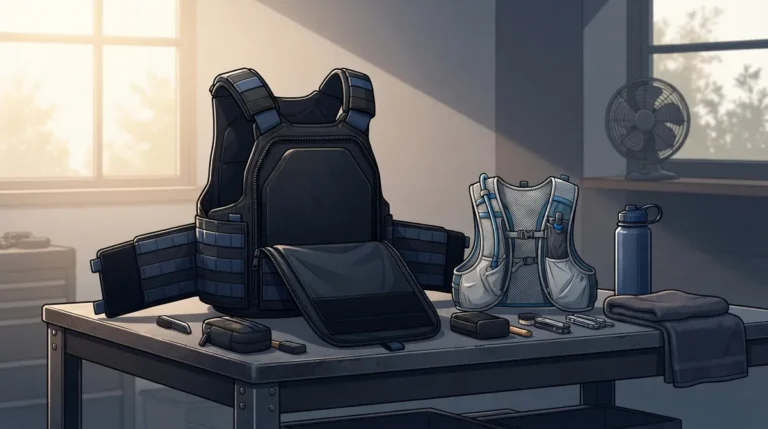
Key Takeaways
-
Inspect your armor panel covers, stitching, seals, and carrier straps before every hot shift and report any damage to your agency or manufacturer rather than repairing it yourself.
-
Never machine wash or dry ballistic panels, use bleach, dry clean, or dry armor in direct sun; always follow the label and manufacturer care instructions.
-
Never cut, alter, or modify ballistic panels or covers to fit a cooling product, since this can compromise your protection.
-
Ventilation vests like BluHalo create an air gap for airflow but are not ballistic protection and cannot replace water, rest, and shade.
-
Recheck your fit after adding any cooling accessory, confirming full coverage, secure closure, and free movement, then test your full loadout and fan battery before leaving.
-
Start the shift well hydrated, drink water regularly rather than waiting for thirst, and build heat exposure gradually if you have been away from hot weather.
If you wear body armor for a living, you already know the feeling. The shift starts fine, then the sun climbs, the sweat builds, and your vest turns into a personal sauna. It happens to patrol officers, soldiers, security guards, SWAT team members, and first responders alike. The good news is that a little prep work before you head out the door can make a big difference.
Learning how to prepare body armor for a hot shift is not just about comfort. It is about staying sharp, safe, and ready for whatever the day throws at you. Heat drains energy and clouds focus. Armor that is damaged, poorly fitted, or loaded with sweat from yesterday only makes things worse.
In this friendly guide, we will walk through a simple routine you can follow before every hot shift. You will learn how to inspect your armor, set up your ventilation vest, check your fit, and get your own body ready too. Think of it like a pre-flight checklist, only with more sweat and better snacks. Let’s get you ready.
Why Hot Shifts Call for Extra Prep
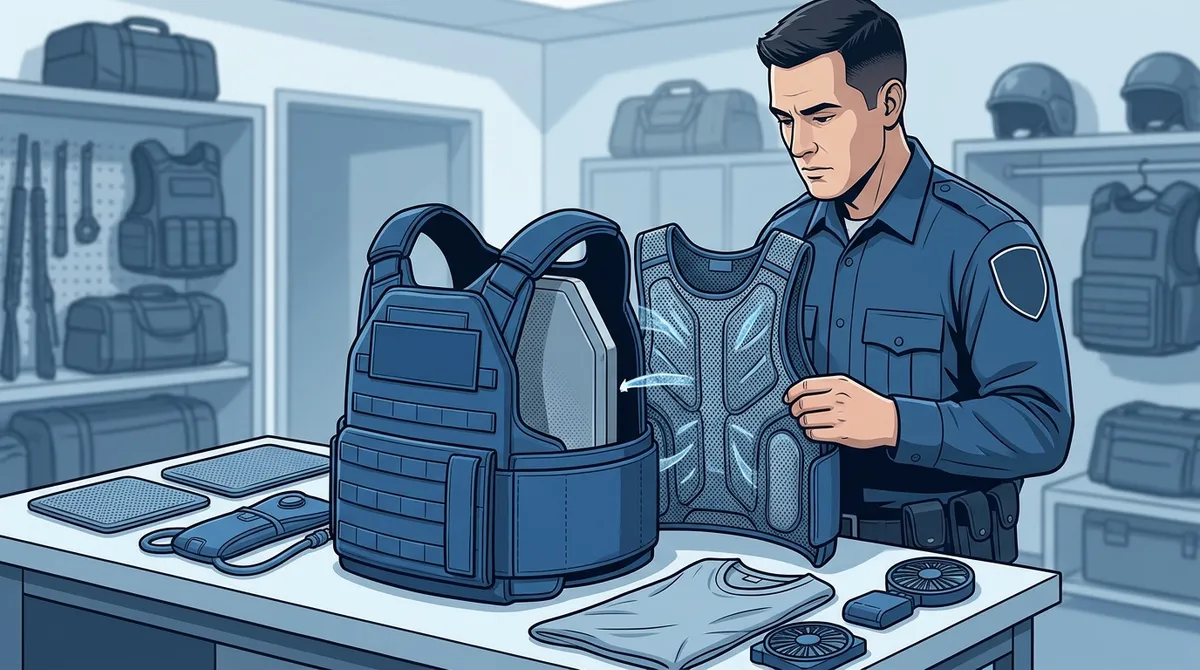
Body armor is built to stop threats, not to breathe. It holds heat close to your body, and your sweat has nowhere to go. That is why a hot day can feel twice as hot under a vest.
OSHA lists heavy physical work, hot conditions, lack of acclimatization, and heat-retaining clothing as common risk factors for heat illness. Body armor can check several of those boxes at once. You can read more in the OSHA Heat Stress Guide.
Here is the key idea: a ventilation vest can help you feel more comfortable, but it does not replace smart heat safety. Hydration, rest, shade, and slow adjustment to hot weather still matter. Your gear and your habits work best as a team.
If you want a deeper look at what heat does to the body under a vest, our guide on how to prevent heat stress while wearing body armor is a great companion read.
The 7-Step Routine to Prepare Body Armor for a Hot Shift
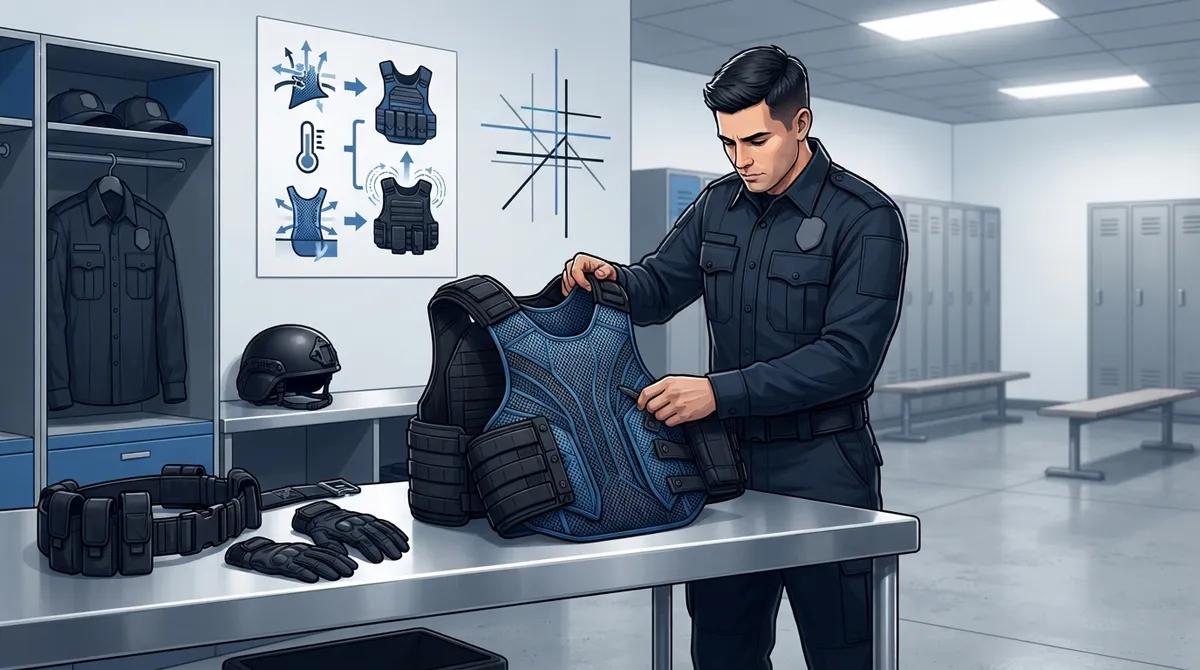
Here is the full routine at a glance. Each step is explained in detail below.
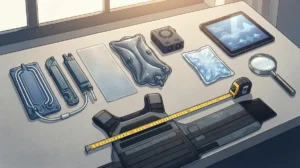
- Inspect your armor and carrier for damage.
- Clean and dry your carrier the right way.
- Check that your ventilation vest is compatible.
- Set up your cooling system.
- Fit and position your armor correctly.
- Test your full loadout.
- Prepare your body for the heat.
Step 1: Inspect Your Armor and Carrier
Before anything else, give your armor a careful look. This takes about two minutes and can catch problems early.
The National Institute of Justice (NIJ) recommends frequent visual checks of panel covers. You can find the full guidance in its Body Armor Standards resources. Look for these warning signs:
- Cuts or tears in the panel cover
- Stitching that is coming apart
- Damaged or broken seals
- Excessive wear, fraying, or thin spots
- Broken straps, buckles, or hook-and-loop closures on the carrier
If you spot a problem with a ballistic panel or its cover, do not try to fix it yourself. NIJ guidance says to report compromised panel covers and leave repairs to the agency or manufacturer. Damaged armor should be referred to your department, supervisor, or the maker. Never take a hot shift with armor you do not trust.
Step 2: Clean and Dry the Carrier the Right Way
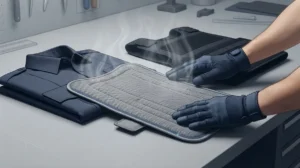
Sweat is hard on gear. Salt, moisture, and body oils can build up fast, especially after a long summer shift. But cleaning armor the wrong way can do more harm than good.
NIJ and Office of Justice Programs guidance warns against several common mistakes with ballistic panels:
- Do not machine wash or machine dry ballistic panels.
- Do not use bleach or dry cleaning.
- Do not dry armor outdoors in direct sun, since UV light can damage materials.
Always follow the label and manufacturer instructions for your specific armor. Carrier-only cleaning steps can be different from panel care, so read both. When in doubt, ask your armor maker.
A fully dry carrier also feels much better against your skin. Start the day with armor that is clean and dry, and you will already be ahead of the heat.
Step 3: Check Ventilation Vest Compatibility
A ventilation vest is an accessory. It is meant to boost airflow and comfort under or around your armor. It is not ballistic protection, and it should never be treated like it.
Before a hot shift, confirm that your ventilation vest works with your specific carrier and duty equipment. Follow both the armor maker’s instructions and the vest maker’s instructions. And please, do not cut, alter, or modify ballistic panels, covers, or armor construction to make room for a cooling product. That can put your protection at risk.
Not sure how to pick the right one? Our guide on how to choose the right body armor ventilation vest in 2026 breaks down what to look for.
Step 4: Set Up Your Cooling System
This is where the fun begins. A good ventilation setup creates space and moves air so heat and moisture do not stay trapped against your body.
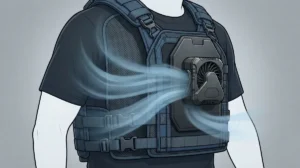
The BluHalo ventilation vest is a great place to start. It was created by a Chicago police officer who knew the struggle firsthand. It weighs under 7 ounces and lies flat when deflated. When you inflate it with the small pump, it lifts your vest up to about 1.5 inches off your body. That gap lets air move and gives heat a place to escape. When you do not need it, press the button to deflate it so it sits low and unobtrusive.
Here is a simple setup flow for BluHalo:
- Start with a clean, dry vest.
- Attach the BluHalo to the vest with the Velcro.
- Inflate it on demand with the pump when you need cooling.
- Deflate it with the button when you want a flatter profile.
For active cooling, the Blufano fan system takes things further. It is a self-contained unit with a patented air-redirect spout that slides under any style of body armor. It provides adjustable fan-driven airflow for 8 to 32 hours depending on the setting. It also includes a built-in 10,000mAh power bank and a forward-facing light, so it does double duty on long days and low-light calls.
For the best results, many officers pair them together. BluHalo creates the air gap, and Blufano keeps fresh air moving through it. You can learn more about how they compare in BluFano vs BluHalo: Which Vest Cooling System Is Better?
Step 5: Fit and Position Your Armor Correctly
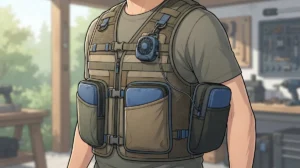
Fit matters for safety and for comfort. Put your armor on exactly as the manufacturer directs, then add your ventilation vest and check everything again.
After setting up, ask yourself these questions:
- Does my armor still cover everything it is supposed to cover?
- Does the carrier close securely?
- Can I move freely, bend, twist, and reach?
- Can I get to my radio, belt, and other required gear?
Recheck your fit any time you add a layer or accessory. A cooling product should never pull your armor out of position or leave gaps in coverage. If something feels off, adjust or ask for help before your shift starts. For more on this, see 9 body armor fit and airflow tips for all-day comfort.
Step 6: Test Your Full Loadout
Do a quick test run before you leave. Think of it as a dress rehearsal.
Put on your full kit, including duty belt, radio, and any other gear you carry. Walk around. Sit down the way you would in a patrol car or vehicle seat. Reach for your equipment. Make sure your cooling gear stays put and does not shift, rub, or pinch.
If you use Blufano, check the battery level and test the fan speed. Make sure the spout is placed so air flows where you need it. A few seconds of testing at home beats a surprise on the road.
Step 7: Prepare Your Body, Not Just Your Gear
Here is the part many people skip. Your body needs prep too. No vest, no matter how good, can prevent heat illness all by itself.
OSHA recommends access to cool drinking water and regular sips rather than waiting until you feel thirsty. For work that lasts two hours or longer, its guidance says employers should also provide fluids with electrolytes. Learn more on OSHA’s Water. Rest. Shade. page.
Use this quick body-prep list before a hot shift:
- Start the day well hydrated.
- Eat a balanced meal that sits well in the heat.
- Plan for scheduled water and recovery breaks.
- Know where shade or a cool area is on your route.
- Pack extra water and electrolyte drinks.
How to Build Up Heat Tolerance
If you have been off for a while, or the weather just turned hot, take it slow. Your body needs time to adjust to heat. This is called acclimatization.
OSHA lists lack of acclimatization as a risk factor for heat illness. A good rule of thumb is to build heat exposure gradually. Do not jump straight into your hardest, longest shift in the worst heat. Give yourself time, and follow your workplace’s heat plan if you have one.
Rest breaks matter too. OSHA advises increasing the frequency and length of breaks as heat stress rises. How much you need depends on the weather, your workload, and your own risk factors.
Quick Reference: Pre-Shift Checklist
Print this, screenshot it, or tape it inside your locker. It covers the main points.
| Check | What to Look For | Action If There Is a Problem |
|---|---|---|
| Panel cover | Cuts, tears, split stitching, damaged seals | Report it. Do not repair it yourself. |
| Carrier | Broken straps, worn closures, moisture | Replace or dry as the maker directs. |
| Ventilation vest | Compatible with carrier, no damage, secure attachment | Follow both manufacturers’ instructions. |
| Fan system | Charged battery, clear airflow, secure placement | Recharge or reposition before leaving. |
| Fit | Full coverage, secure closure, free movement | Adjust or ask for help. |
| Body prep | Hydrated, fed, water packed | Drink up and pack extra fluids. |
Armor Care vs. Ventilation Vest Care
It helps to keep these two separate in your mind. They are not cared for the same way.
| Item | Main Purpose | Care Rule |
|---|---|---|
| Ballistic panels | Provide protection | No machine washing or drying, no bleach, no dry cleaning, no outdoor drying. Follow the armor label. |
| Carrier | Holds the panels | Follow carrier-specific cleaning steps from the maker. |
| Ventilation vest | Boosts airflow and comfort | Follow the ventilation vest maker’s instructions. |
Common Mistakes to Avoid
Even experienced wearers slip up. Here are a few mistakes that make hot shifts harder than they need to be:
- Wearing a damp carrier. Moisture from the last shift makes you hotter and less comfortable.
- Skipping the inspection. Small cuts and torn stitching are easy to miss when you rush.
- Modifying armor. Cutting vent holes or altering panels can compromise protection. Our article on cutting holes in body armor explains why this is a bad idea.
- Relying on cooling gear alone. A vest cannot replace water, rest, and shade.
- Ignoring a dead battery. Always check your fan charge before you go.
For more on avoiding errors with active systems, see 7 body armor cooling fan mistakes you must avoid.
Know the Warning Signs of Heat Illness
Every worker in body armor should know the signs of heat trouble and how to get help fast. Heat illness can move quickly, and it can sneak up on you when you are focused on the job.
Watch for these red flags in yourself and your partner:
- Heavy sweating, dizziness, or weakness
- Headache or nausea
- Muscle cramps
- Confusion or trouble focusing
- Fainting
Confusion, fainting, or other severe symptoms call for an urgent emergency response. Follow your workplace heat-response procedures, get to a cool place, and call for help right away. Your partner can be your best safety net, so look out for each other. If you want to understand how heat affects thinking and reaction on duty, read how heat affects police reaction time on duty.
Special Tips for Different Roles
Every job has its own heat challenges. Here are a few ideas tailored to different wearers.
Patrol and Law Enforcement
Park in shade when you can and use your vehicle’s air conditioning during breaks. Several officers report that cooling down fast in the car, paired with active airflow, makes long days far easier.
Military and Tactical Teams
Heavy loads and long missions raise the stakes. Plan your hydration around your mission length, and check your batteries before you move out. Our guide on how to master body armor heat management for military use goes deeper.
Security and Emergency Response
Standing for hours in the sun is tiring in its own way. Take scheduled breaks, rotate posts when possible, and keep water within reach at all times.
If you are building a full summer kit, you may also like 9 police officer summer gear essentials for hot shifts.
Final Thoughts: Cool, Safe, and Ready
Preparing for a hot shift does not need to be complicated. Inspect your armor, care for it the right way, confirm your ventilation vest fits, set up your cooling system, check your fit, test your loadout, and take care of your own body. That is the whole recipe.
BluHalo and Blufano make that recipe a lot easier. BluHalo gives you cooling on demand with a low-profile air gap. Blufano keeps fresh air flowing for hours and even charges your devices. Together, they help you stay cooler, drier, and more focused when the temperature climbs. You can also browse our shop to see both products and bundle options.
Need a hand picking the right setup for your role? Reach out and we will gladly help. Contact our team today and get ready for your next hot shift with confidence. And if you run a business that serves professionals like these, the folks at Brain Buzz Marketing can help you get the word out.
Stay safe, stay hydrated, and stay cool out there. You have earned it.
FAQs
Q: How do you wear a ventilation vest under body armor?
A: Start with a clean, dry carrier and attach the ventilation vest as the maker directs. With BluHalo, you attach it with Velcro and inflate it with the small pump when you want cooling. Then recheck your fit to make sure your armor still covers everything and closes securely.
Q: Does a ventilation vest affect ballistic protection or armor coverage?
A: A ventilation vest is an accessory and is not ballistic protection. It should never replace approved armor, and you should never alter your panels to fit it. Always confirm it works with your carrier, and check that your coverage and movement stay normal.
Q: How should I inspect body armor before a hot shift?
A: Look over the panel covers and carrier for cuts, tears, separated stitching, damaged seals, and heavy wear. If you find a problem, report it to your agency or the manufacturer. Do not try to repair ballistic panels yourself.
Q: How do you clean and dry body armor safely after a sweaty shift?
A: Follow the label and manufacturer instructions for your specific armor. Official guidance warns against machine washing or drying panels, using bleach, dry cleaning, or drying armor outdoors in the sun. Carrier-only cleaning steps may be different, so read both.
Q: What should workers do to prevent heat illness while wearing body armor?
A: Start the shift hydrated, drink water regularly, and take scheduled rest breaks in shade or a cool spot. Build heat exposure gradually after time away from hot weather. A ventilation vest adds comfort, but it cannot prevent heat illness on its own.