Key Takeaways
-
Sort cooling products by type first (passive spacer, inflatable air gap, active fan, ice/phase-change pack, or water/air-supplied) because reviews only make sense when comparing similar products.
-
Check whether the reviewer's armor type, carrier style, and clothing layers match yours; if a reviewer never names their armor setup, give that review less weight.
-
Favor reviews with specific, repeated details such as airflow while sitting or walking, comfort over a full shift, pressure points, noise, and ease of donning, over vague praise like 'keeps you cool.'
-
Weigh reviews by context: outdoor temperature and humidity, how long the product was worn (a 12-hour shift beats a 20-minute test), and the type of work performed.
-
Never accept a cooling product that alters armor fit, coverage, or protection; follow the armor and carrier maker's instructions and never cut or modify panels without approval.
-
Run your own trial by wearing the product for a full shift and comparing it to a similar shift without it, since reviews are personal experiences and cannot prove a product prevents heat illness.
You have probably been there. It is 95 degrees out, your vest feels like a wet blanket, and you are scrolling through a dozen reviews at 2 a.m. trying to figure out which cooling product is actually worth your money. One review says “life changing.” The next says “total waste.” So who do you believe?
Good news: you do not need to guess. Learning how to compare body armor cooling reviews is a skill, and it is easier than it sounds. Once you know what to look for, the noise fades and the useful details stand out.
In this guide, we will walk through a simple, friendly system. You will learn how to sort cooling products into the right categories, spot reviews that actually help, and run your own quick test. Whether you work patrol, security, tactical operations, military duty, or emergency response, this approach will save you time and money. Let’s get started.

Why Cooling Reviews Are So Hard to Compare
Cooling reviews can feel like comparing apples to oranges. That is because they often are. One person reviews an ice vest. Another reviews a fan. A third reviews a mesh spacer. All three are called “cooling products,” yet they work in very different ways.
On top of that, every wearer is different. Weather, humidity, workload, and body type all change how cool you feel. A review from a desk-duty officer in a dry climate will not match a 12-hour patrol in humid heat.
Here is the key point. Customer reviews are personal experience, not lab tests. They are helpful, but they are not controlled studies. Treat them as clues, not proof. If you want more background on why heat builds up under armor in the first place, our guide on how hot body armor gets is a good place to start.

Step One: Sort Products Into the Right Category
Before you compare a single review, sort the product into its type. This one step clears up most of the confusion. Reviews only make sense when you compare similar products.
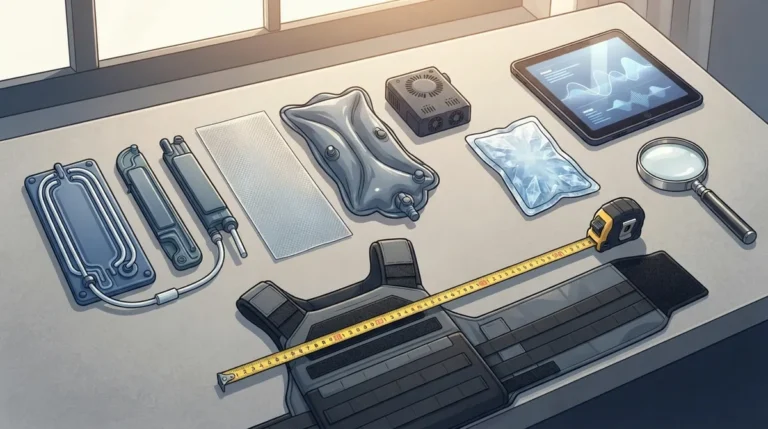
Here are the main types you will run into:
- Passive ventilation spacers: These create an air gap between your body and the armor so warm air can escape. They do not make you cold. They help heat and moisture move away.
- Inflatable air-gap systems: These lift the vest off your body on demand, creating space for airflow.
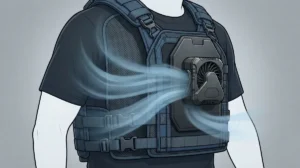
- Active fan systems: These push air under the armor to keep it moving.
- Cooling packs and ice vests: These use ice or phase-change packs to chill the body for a limited time.
- Water-cooled or air-supplied garments: These circulate water or supplied air, and often need a connection or power source.
The National Institute for Occupational Safety and Health (NIOSH) groups wearable cooling into water-cooled garments, air-cooled garments, cooling vests, and wetted overgarments. Each has trade-offs. For example, ice vests may not stay cool long enough and offer limited temperature control, while water-cooled garments can limit movement because of the tubing. Want a deeper look at the two big camps? Check out passive vs. active tactical vest ventilation.
A Quick Category Comparison
| Cooling Type | How It Works | Common Trade-Off |
|---|---|---|
| Passive spacer | Creates an air gap for heat to escape | Does not actively move air |
| Inflatable air gap | Lifts the vest on demand | Needs inflation; best with airflow |
| Active fan system | Moves fresh air under armor | Needs battery power |
| Ice or phase-change pack | Chills the body with cold packs | Cooling time is limited |
| Water or supplied air | Circulates water or air | Can be bulky or tethered |
Step Two: Check That the Reviewer Used a Similar Setup
A review is only useful if the reviewer’s gear looks like yours. Armor type, carrier style, and clothing layers all change the result.
Look for these details in the review:
- Armor type: Concealable vest, outer carrier, or plate carrier?
- Fit and coverage: Did the reviewer mention panel size or any gaps?
- Clothing layers: Was it worn over a base layer, a uniform shirt, or bare skin?
- Position: Was the product worn under or over the carrier?
If a reviewer never says what armor they wear, give that review less weight. A result from a different setup may not tell you much about your own fit, airflow, or comfort. For help on matching gear to your setup, see how to choose the right body armor ventilation vest.
Step Three: Look for Specific, Repeated Details
Broad claims are easy to write. Specific details are harder to fake. When you compare body armor cooling reviews, hunt for the small stuff.
Strong reviews often mention:
- Whether airflow was felt while standing, walking, or sitting in a patrol car
- How the product felt over a full shift, not just ten minutes
- Pressure points, rubbing, or skin irritation
- Range of motion when drawing, kneeling, or running
- Noise level, especially for fan-based systems
- How easy it was to put on and take off
Now compare that to a vague review like “keeps you cool, great product!” It is friendly, but it does not help you decide. If you see the same specific point repeated by several different reviewers, that is a good sign it is real. For example, many officers mention that sitting in a vehicle with the AC on is where airflow under the vest makes the biggest difference. That kind of pattern is worth noting.
Step Four: Weigh the Conditions and the Time
Heat is not just about the number on the thermometer. Humidity, workload, sun exposure, and how used to the heat you are all play a part. A product that feels great in dry 85-degree weather might feel very different in sticky 95-degree air.
Give more weight to reviews that include:
- The outdoor temperature and humidity
- How long the product was worn (a 12-hour shift beats a 20-minute test)
- The type of work being done (desk, patrol, training, or heavy activity)
Reviews that say “I wore it on a 12-hour shift in 95-degree weather” are far more helpful than ones that say “worked fine.” Details give you context, and context lets you compare fairly.
Step Five: Compare Practical Trade-Offs, Not Just Cooling
Cooling is only part of the story. A product that cools well but weighs a ton, or is a pain to clean, may not be a keeper. Build a simple scorecard as you read.
| What to Check | Why It Matters |
|---|---|
| Weight and bulk | Extra weight adds fatigue over a long shift |
| Coverage and fit | Must not leave gaps or shift your armor |
| Ease of use | You need it to work fast, not fuss with it |
| Durability | Duty gear takes a beating every day |
| Cleaning and upkeep | Sweat and bacteria build up fast |
| Cost and parts | Replacement packs or batteries add up |
For active systems, also check cooling duration, battery or recharge time, and whether any tether or power cord limits your movement. Lightweight, low-profile options often earn higher marks from people who wear armor all day. Our post on how much weight vest cooling gear adds breaks this down further.
Step Six: Make Sure Safety and Fit Come First
This one matters a lot. A cooling product must never weaken the protection or fit of your armor. Always check the instructions from your armor and carrier makers. Do not cut, drill, or alter armor panels or carrier construction unless the manufacturer says it is allowed. If you are tempted by a quick hack, read why cutting holes in body armor is a bad idea first.
Also remember that cooling gear is one tool in the toolbox. Official guidance from OSHA’s heat exposure resources stresses that personal cooling should support, not replace, other heat-safety steps like water, rest breaks, and knowing the signs of heat illness. And for general armor safety and performance standards, the National Institute of Justice body armor resources are a trusted reference.
One more honest point: reviews alone cannot prove that a product prevents heat illness. Anyone who claims that is going further than the evidence allows. For wellness tips that pair well with any gear, see how to prevent heat stress while wearing body armor.
Step Seven: Run Your Own Simple Trial
The best review is the one you write yourself. A quick personal test takes the guesswork out. Here is an easy way to do it.
- Keep everything the same. Use the same armor, clothing, and base layer each time.
- Pick a set time. Wear the product for a full shift or a set block of hours.
- Note comfort and fit. Jot down how it feels at the start, middle, and end.
- Check mobility and coverage. Make sure you can move, reach, and draw as usual.
- Compare to a baseline. Try one shift with the product and one without, in similar conditions.
Be honest about heat symptoms too. If you feel dizzy, nauseous, or confused, that is a medical issue, not a gear review. Follow your agency’s heat-illness procedures.
What the Best Reviews for Ventilation Vests Tend to Say
Since BluHalo makes ventilation vests, we hear from wearers all the time. The most helpful feedback tends to share a few traits. It names the setup, the weather, and the shift length. It also talks about real moments, like climbing out of a hot car or finishing a long afternoon outdoors.
The BluHalo ventilation vest is a good example of what to look for in a spacer-style product. It weighs under 7 ounces, sits flat when deflated, and lifts the vest up to about 1.5 inches off the body when inflated. That air gap helps heat and moisture escape. You can inflate it on demand with a small pump and deflate it with a button, so it stays out of the way when you do not need it. Officers often describe a clear comfort gain on long, hot shifts, which is exactly the kind of specific detail worth noticing.
For people who want ongoing airflow, the Blufano fan system adds active cooling. Its air-redirect spout slides under body armor and delivers adjustable airflow for about 8 to 32 hours, depending on the setting. It also includes a built-in 10,000mAh power bank and a forward-facing light. Many wearers pair the two for the strongest results. You can see real feedback on our reviews page, or learn how they stack up in BluFano vs BluHalo.
Red Flags to Watch For in Any Review
Some warning signs are easy to spot once you know them. Keep an eye out for:
- Reviews with no details about armor, weather, or time worn
- Claims of a huge temperature drop with no testing behind it
- Promises to “prevent heat illness,” which no review can prove
- Many reviews that sound nearly identical, which may be a sign they are not genuine
- Reviews that compare totally different product types as if they were the same
When something feels too good to be true, it usually deserves a second look. Check a few sources, and trust patterns over single loud opinions.
A Simple Review Checklist You Can Save
Here is a short list to keep handy next time you shop:
- Is the product type clear (spacer, fan, ice, water)?
- Does the reviewer’s armor match mine?
- Are there specific details, not just praise?
- Were conditions and wear time shared?
- Are weight, fit, cleaning, and cost discussed?
- Does it respect my armor maker’s guidance?
- Do several reviewers repeat the same points?
If a review checks most of these boxes, it is probably worth your time.
Final Thoughts: Cool Heads Make Good Choices
Comparing body armor cooling reviews does not have to be stressful. Sort products by type, match the reviewer’s setup to yours, look for specific and repeated details, and weigh real-world conditions. Then test it yourself. That simple routine beats any star rating.
And remember, you do not have to figure it all out alone. If you have questions about airflow, fit, or which setup suits your duty, we would love to help. Get in touch with our team and we will point you in the right direction. Stay cool out there, and stay safe.
FAQs
Q: How do ventilation spacers differ from cooling vests worn with body armor?
A: A ventilation spacer creates an air gap so warm air and moisture can escape, but it does not chill you. Cooling vests with ice, phase-change packs, or circulating water actively lower body heat, though they come with limits like cooling time, weight, or tethering.
Q: What should I look for in reviews of a body armor cooling vest?
A: Look for reviews that name the exact armor setup, the weather, and how long the product was worn. The most useful ones mention airflow while moving and sitting, fit, mobility, comfort, and cleaning, instead of just saying it keeps you cool.
Q: Do body armor cooling products affect armor fit or protection?
A: They can if they are not designed well, so always check your armor and carrier maker’s instructions. Never alter armor panels or carrier construction unless the manufacturer allows it, and make sure the accessory does not leave coverage gaps.
Q: How can I test whether a cooling product works for my job?
A: Wear it with the same armor, clothing, and activity level over a full shift, and note comfort, fit, and mobility. Then compare that to a similar shift without it, keeping conditions as close as possible.
Q: Can reviews prove a cooling vest prevents heat illness?
A: No. Reviews are personal experiences, not controlled tests, so they cannot prove that a product prevents heat illness. Use cooling gear alongside hydration, rest breaks, and your agency’s heat-safety procedures.