Key Takeaways
-
Identify what is shifting first: cooling packs, the vest itself, or a fan unit, since each needs a different fix.
-
Use only the vest's designed pockets, sleeves, clips, and attachment points, and fully close every pocket fastener before heading out.
-
Choose the correct vest size and adjust closures for a close, even fit that still lets you breathe and move freely.
-
Match cooling packs to their pockets so they sit flat, and replace damaged or wrong-size packs instead of forcing them in.
-
Secure fans, batteries, and cables in their designated spots and route cables so they cannot snag or dangle.
-
Test your setup with a quick movement check (bending, squatting, reaching, twisting) before each shift, and recheck during breaks.
You finally got a cooling device under your vest, and it felt great for about ten minutes. Then you bent over a patrol car door, climbed out of a truck, or ran a short foot pursuit, and everything slid out of place. Sound familiar? You are not alone. A cooling device that drifts around is annoying, and it can stop working the way it should.
The good news is that most shifting problems have simple fixes. In this guide, you will learn how to keep a vest cooling device from shifting using ten practical, easy steps. Whether you wear body armor on patrol, in the field, or on a protective detail, these tips will help your gear stay put all shift long.
We will start by figuring out what is actually moving. Then we will walk through fit, attachment, testing, and daily checks. Think of this as a friendly chat with a coworker who has already made all the mistakes, so you do not have to.
First, Figure Out What Is Actually Shifting
Before you try any fix, take a minute to find the real culprit. A cooling setup has a few moving parts, and each one needs a different solution.
- Removable cooling packs sliding or bunching inside pockets
- The vest itself riding up or rotating on your torso
- A fan or air-cooling unit wandering away from where it should sit
Always follow the maker’s instructions for your specific vest and device. What works for a pack-based vest will not help a fan unit, and the other way around. Once you know what is moving, the rest of this list gets much easier.
| What Is Shifting | Common Cause | Best First Fix |
|---|---|---|
| Cooling packs | Wrong size or open pocket | Match packs to pockets and close fasteners |
| The vest | Loose fit or wrong size | Adjust closures for a snug, even fit |
| Fan or cooling unit | Not secured to its attachment point | Use the designed strap, pocket, or clip |
1. Use the Designed Pockets, Sleeves, and Attachment Points
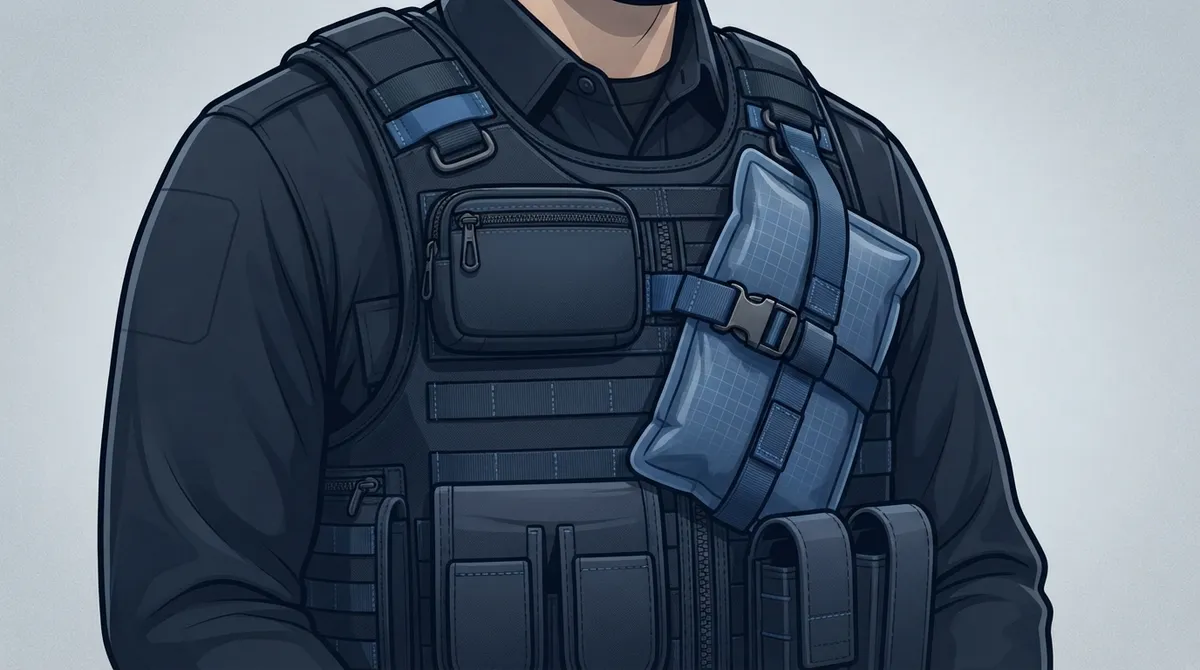
This is the biggest one. Cooling gear is built to sit in certain spots, and those spots are there for a reason. Using the vest’s intended pockets, sleeves, belt loops, or clips keeps weight balanced and held in place.
It can be tempting to tuck a device wherever it fits. Resist that urge. Improvised placement often leads to sliding, rubbing, and uneven cooling. If the maker gave you a spot, use it.
2. Close Every Pocket Fastener All the Way
A pocket that is only half closed is basically an invitation for a pack to wiggle out of position. Fully close each zipper, flap, or hook-and-loop strip before you head out.
The National Institute for Occupational Safety and Health (NIOSH) notes that cooling packs may be held in pockets, secured with tape, or built into the vest. Loose packs can lose steady contact with your body, which means less cooling. Take two seconds to check each closure. It pays off.
3. Pick the Right Vest Size
A vest that is too big will ride up, twist, and slide with every move. A vest that is too small can pinch, press, and limit your breathing. Neither one helps your cooling gear stay put.
Aim for a close, even fit that still lets you breathe normally and move freely. If you wear body armor, check that your cooling layer and armor work together instead of fighting each other. For a deeper look at fit and comfort, see our guide on body armor fit and airflow tips for all-day comfort.
4. Adjust Your Closures for a Snug, Even Fit
Once you have the right size, fine-tune it. Adjust shoulder straps, side straps, and cummerbund closures so the vest sits flat against you without bunching.
- Put the vest on and fasten all closures loosely.
- Tighten the bottom closures first, then work upward.
- Make sure the vest sits level on both sides.
- Take a deep breath to confirm you can still breathe easily.
- Raise your arms to check for pinching or pressure points.
A close fit holds packs and devices against you instead of letting them drift. Just do not crank it so tight that it causes pressure or restricts movement.
5. Make Sure Packs Match Their Pockets
Packs that are too small slide around. Packs that are too big fold, bulge, or overlap. Both problems lead to shifting and uneven cooling.
Check that each pack sits flat and even inside its pocket. If a pack is the wrong size, damaged, or no longer stays put, replace it instead of forcing it. Please do not cut, sew, or modify the vest in ways the maker did not intend. That can damage the gear and change how it works. We cover why in our article on cutting holes in body armor.
6. Secure Fans, Batteries, and Cables Properly
Active cooling gear has extra pieces, like a fan, a battery, and sometimes a cable. Those pieces need a home, or they will bounce and swing as you move.
- Use the designed sleeve, pocket, belt, or clip for the unit
- Route cables along the vest so they cannot snag or dangle
- Secure batteries as directed so they do not slide around
- Keep straps clear of buckles, harnesses, and other gear
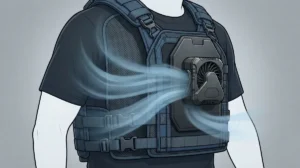
This is where a purpose-built system really shines. The Blufano is a self-contained active airflow unit with a patented air-redirect spout that slides under any style of body armor and can be held in place with an optional strap. Because the fan, power bank, and spout are all in one piece, there are no loose cables to chase. It runs for 8 to 32 hours depending on the setting, so you can set it and forget it.
7. Choose a Low-Profile Cooling Layer That Sits Flat
Bulky gear shifts more than slim gear. A flat, lightweight layer has less to catch on and less weight to swing around.
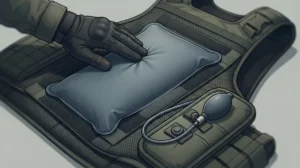
The BluHalo ventilation vest weighs under 7 ounces and sits flat and low-profile when deflated. You attach it to a clean vest with Velcro, then inflate it with a small pump when you want cooling. When inflated, it can lift the vest up to about 1.5 inches off your body to create a cooling air gap. Because it fastens right to the vest, it stays where you put it. When you are done, a button deflates it so it lies flat again. Want to see how it works in action? Read about how to use the BluHalo ventilation vest for maximum comfort.
8. Start With Clean Surfaces for Velcro Attachments
Hook-and-loop fasteners are great, but only when they are clean. Lint, dust, hair, and dried sweat can weaken the grip and let your device peel away mid-shift.
- Wipe down the vest surface before attaching a device
- Brush out lint from hook strips with a stiff brush
- Press the fastener down firmly and hold it for a few seconds
- Replace worn strips that no longer grip well
A clean, well-pressed attachment can make the difference between a device that stays put and one that slides down your back by noon.
9. Run a Quick Movement Test Before You Head Out
Do not wait until you are in the middle of a call to find out your setup shifts. Spend one minute testing it first. This is especially smart before strenuous work.
- Walk around for about 30 seconds.
- Bend forward and squat down.
- Reach overhead and across your body.
- Twist at the waist in both directions.
- Check whether the vest, packs, or device moved.
If something slipped, fix it now. Recheck during breaks, and again after you remove or adjust any outer layers. A small tweak early in the day saves a lot of hassle later.
10. Inspect Your Gear Regularly for Wear
Even great gear wears out. Elastic stretches, Velcro loses its bite, and zippers can fail. A quick look every day or two can catch problems before they cause shifting.
| Part to Check | What to Look For | What to Do |
|---|---|---|
| Pocket closures | Frayed edges, weak grip, broken zippers | Repair or replace per the maker’s guidance |
| Straps and buckles | Stretching, fraying, loose stitching | Replace worn parts |
| Cooling packs | Cracks, leaks, wrong fit | Swap for correct, undamaged packs |
| Fan and battery mounts | Loose clips or cracked housings | Tighten or replace as directed |
Regular checks also help your gear last longer, which is good for your wallet.
Why Stability Matters for Real Cooling
A stable fit is not just about comfort. It affects how well your cooling gear actually works. NIOSH reports that cooling performance depends partly on how well packs make contact with the body, and that some vests can hold as many as 72 cooling packs. When those packs drift, contact drops and cooling suffers.
Research summarized by NIOSH also shows that healthcare workers wearing cooling vests had smaller rises in body temperature and heart rate during treadmill tests than those without vests. That is encouraging, but it does not mean a vest prevents heat illness in every setting. Cooling vests are an extra layer of protection, not a replacement for a real heat safety plan.
Pair your gear with water, rest breaks, shade or a cool place to recover, and time to get used to the heat. You can find solid guidance in the OSHA Heat Stress Guide. If you want to dig deeper into this topic, check out our post on how to prevent heat stress while wearing body armor.
Extra Tips for Different Jobs
Different jobs put different stress on your gear. A few quick notes:
- Patrol officers: Lots of sitting and exiting vehicles. Test your setup seated and standing, since seat belts and duty belts can push things around.
- Tactical and SWAT teams: Fast, hard movement. Do a full-motion test, including running and kneeling, before every operation.
- Military personnel: Heavy loads and long wear times. Keep straps clear of plate carrier buckles and recheck during halts.
- Security professionals: Long, mostly steady shifts. Check your fit during breaks, since sweat can loosen attachments over time.
- Emergency responders: Harnesses and extra PPE. Keep fans, cables, and straps clear so nothing snags or affects fit.
If you are still choosing a system, our guide on how to attach a cooling device to your vest the right way is a great next read. You can also compare options in our BluFano vs BluHalo breakdown. For standards that affect what you wear, see the Body Armor Standards from the National Institute of Justice.
Conclusion: Keep Cool and Keep It in Place
Learning how to keep a vest cooling device from shifting comes down to a few smart habits. Find out what is moving, use the designed attachment points, get the right fit, secure every fan and cable, and test your setup before you work. Add a quick check now and then, and your gear will stay right where you need it.
Better yet, start with gear made to stay put. The BluHalo and Blufano were built to ride comfortably under body armor, with low-profile designs and secure attachment options. You can buy either one on its own or bundle them together at a discount for maximum cooling. Ready to stop fighting your gear? Contact our team and we will help you find the right setup for your shift.
FAQs
Q: Why does my cooling vest or its cooling packs keep shifting?
A: Most shifting comes from a loose vest, packs that do not match their pockets, or open fasteners. Start by finding out whether the packs, the vest, or a fan unit is moving. Then use the designed pockets and closures and adjust for a snug, even fit.
Q: How tight should a ventilation or cooling vest fit?
A: Aim for a close, even fit that lets you breathe normally and move freely. Too loose and the vest will ride up or rotate. Too tight and it can cause pressure points and limit your movement, so find that happy middle.
Q: How should I secure a fan, battery, or cooling unit on a ventilation vest?
A: Use the sleeve, pocket, belt, or attachment point the maker designed for it, and route any cables so they cannot snag. Keep straps and units clear of buckles, harnesses, and other gear. All-in-one systems like Blufano reduce loose parts and are easy to strap in place.
Q: Does a cooling vest prevent heat exhaustion or heat stroke?
A: No, a cooling vest helps, but it does not remove heat-illness risk on its own. Use it alongside water, rest breaks, shade or a cool recovery area, time to adjust to the heat, and regular checks on how you and your team feel.