Key Takeaways
-
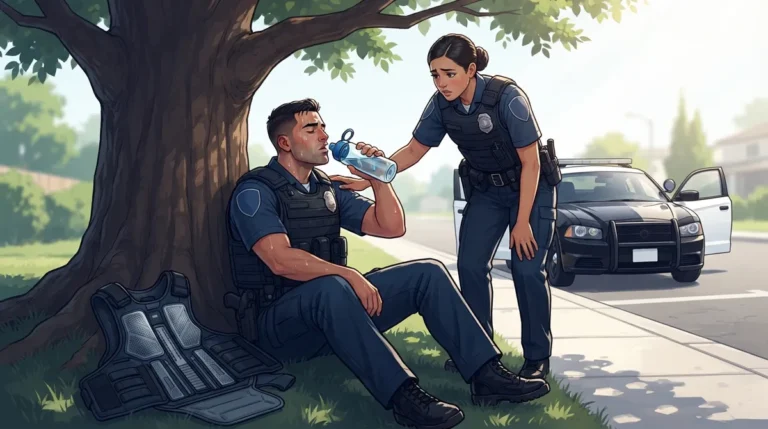
Recognize early heat exhaustion signs like heavy sweating, weakness, dizziness, and muscle cramps, then immediately move to shade, remove excess gear, and call for medical help to prevent heat stroke.
-
Increase hydration intake to approximately one quart of water per hour under tough conditions before feeling thirsty, while pairing it with scheduled shade or AC breaks rather than relying on single hydration rules.
-
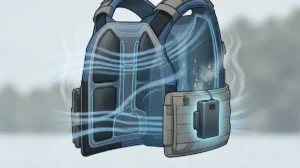
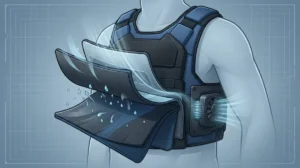
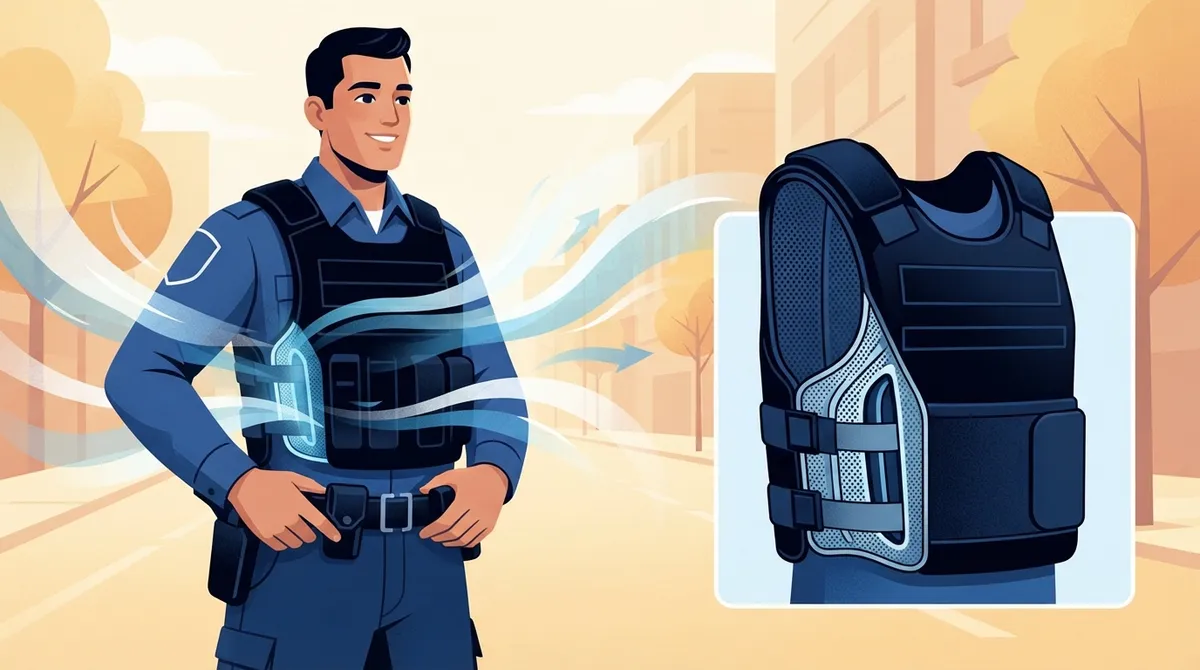
Ventilation vests create airflow gaps under body armor without compromising protection, while fan-driven systems provide continuous circulation for extended shifts—use both together for layered cooling throughout a 12-hour shift.
-
Establish a department-wide buddy system and heat emergency protocol that includes monitoring partners during high-heat shifts, recognizing symptoms early, and performing immediate cooling actions before calling emergency services.
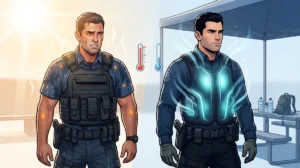
Picture this: it’s 95 degrees outside, you’re twelve hours into your shift, and your body armor feels like a wool blanket stitched to your skin. If that sounds familiar, you’re not alone. Police officer heat exhaustion is one of the most overlooked risks in law enforcement, and it deserves way more attention than it usually gets. The good news? Once you know the common mistakes officers and departments make, you can fix most of them fast.
This guide walks through the biggest heat-safety slip-ups, backed by real data, and shows you where ventilation vests fit into a smarter, layered approach to staying cool. Whether you’re a patrol officer, a member of a tactical team, or someone who manages gear purchases for your department, you’ll walk away with practical steps you can use on your very next shift.
Why Police Officer Heat Exhaustion Deserves Your Attention
Heat exhaustion isn’t just an uncomfortable inconvenience. It’s a real occupational hazard with numbers to prove it. Bureau of Labor Statistics data summarized in a recent OSHA Heat Stress Guide presentation found 1,042 work-related heat deaths between 1992 and 2022, averaging about 34 deaths a year. On top of that, roughly 3,389 heat-related injuries with lost work days happened annually between 2011 and 2020.
Officers face extra risk because of what they wear. Body armor, duty belts, radios, and helmets all trap heat close to the body. Add foot pursuits, traffic stops in full sun, or hours of standing crowd control, and you’ve got a recipe for trouble. You can read more heat-related numbers specific to law enforcement in our 7 Heat Exhaustion Law Enforcement Statistics for 2026 breakdown.

Mistake 1: Ignoring the Early Warning Signs
Too many officers push through the first symptoms instead of stopping to cool down. This is mistake number one, and it’s the easiest one to fix once you know what to look for.
- Heavy sweating that won’t quit
- Sudden weakness or fatigue
- Dizziness or headache
- Nausea or vomiting
- Muscle cramps
- Pale, clammy skin and a rapid pulse
If these signs show up, that’s your body telling you to slow down. Confusion, fainting, seizures, or a very high body temperature are more serious and may point to heat stroke, which is a medical emergency. According to the International Association of Chiefs of Police, heat stroke is generally linked to a core temperature around 104°F along with altered mental status. When you see those red flags in yourself or a partner, don’t wait. Get to shade, remove excess gear, and call for medical help right away.
Mistake 2: Treating Body Armor Like It’s “Just Part of the Job”
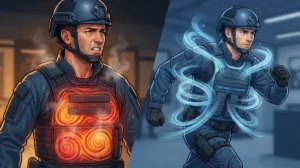
Body armor saves lives, no question. But it also traps heat and blocks sweat from evaporating, which is exactly how your body naturally cools itself. Combine that with a duty belt, an outer carrier, and maybe a raid jacket, and you’ve built a personal sauna.
This doesn’t mean officers should skip armor to stay cool. That’s not an option, and it shouldn’t be. Instead, the fix is adding airflow underneath the gear you’re already required to wear. Our article on Body Armor Ventilation A Game Changer For Officers dives deeper into how trapped heat builds up and what officers can do about it without sacrificing protection.
Mistake 3: Skipping Hydration Until You’re Already Thirsty
By the time you feel thirsty, you’re already behind on fluids. Law-enforcement heat-safety guidance often points to roughly one quart of water per officer per hour under tough conditions, though needs shift based on temperature, humidity, and workload.
- Start drinking water before your shift even begins.
- Sip regularly instead of chugging all at once.
- Avoid heavy caffeine or energy drinks during peak heat hours.
- Pair hydration with scheduled shade or AC breaks whenever possible.
- Track how you feel, not just the clock, and adjust intake as needed.
Departments should lean on occupational-health guidance rather than a single hydration number as a hard rule, since every officer and every shift is different.
Mistake 4: Confusing Ventilation Vests With Cooling Vests
Here’s a mix-up we see constantly. Ventilation vests and cooling vests are not the same thing, and knowing the difference helps you set realistic expectations.
| Product Type | How It Works | Best For |
|---|---|---|
| Ventilation Vest | Creates an air gap and moves airflow to reduce trapped heat and moisture | All-day comfort under armor during patrol, standing posts, or long shifts |
| Cooling Vest (Ice/Gel) | Uses ice packs or gel inserts to physically lower skin temperature | Short bursts of intense heat exposure, like wildland firefighting |
| Evaporative Cooling Vest | Uses water-soaked material that cools as it evaporates | Dry climates with low humidity |
NIOSH’s Occupational Exposure to Heat and Hot Environments guidance lists air-cooled garments, water-cooled garments, cooling vests, and wetted overgarments as possible auxiliary cooling controls. None of these replace hydration, rest, or shade. They’re add-ons, not silver bullets. If you want a deeper comparison, check out Passive vs. Active Cooling: Which Keeps You Cool in Body Armor?
Mistake 5: Choosing Gear That Doesn’t Fit Your Armor Properly
A ventilation vest that bunches up, shifts your armor’s coverage, or adds bulk defeats its own purpose. Before buying anything, departments and individual officers should check for these features:
- Low profile so it doesn’t push your vest out of position
- Freedom of movement for pursuits, stairs, and vehicle exits
- Durable materials that survive daily wear and washing
- Moisture-wicking performance, not just airflow
- Quiet operation if the system uses a fan
- Reasonable battery runtime for powered units
- Compatibility with your specific plate carrier or vest style
This is exactly why BluHalo, a lightweight ventilation vest built by a Chicago police officer, was designed under 7 ounces and sits flat when deflated. It attaches with Velcro and inflates on demand to lift your vest about 1.5 inches off the body, creating instant airflow without changing how your armor fits or protects you. You can browse the full Bluhalo lineup or read buying tips in How To Choose The Right Body Armor Ventilation Vest In 2026.
Mistake 6: Relying on One-Time Fixes Instead of Ongoing Airflow
An inflatable air gap helps a lot, but some officers need continuous circulation through an entire shift, especially during summer patrols or extended standing details. This is where a fan-driven system earns its keep.
Blufano is an active airflow system with a patented air-redirect spout that slides under any style of body armor. It runs 8 to 32 hours depending on the fan setting and includes a 10,000mAh power bank that also charges your phone or flashlight. Officers using it during 12-hour shifts in extreme heat have reported noticeably less sweat buildup and better focus late in the day. Learn more in our guide on Blufano Fan System vs. Passive Cooling: Which Wins? or explore the full Blufano product page.
Combining Both Systems for Maximum Relief
Some officers actually pair the BluHalo air gap with Blufano’s continuous airflow for layered cooling throughout a shift. Bundling both often comes at a discount, giving you flexible cooling-on-demand plus steady circulation when you need it most.
Mistake 7: Not Having a Team Plan for Heat Emergencies
Even with the best gear, heat exhaustion can still happen. Departments that skip training on how to respond are setting officers up for worse outcomes. A solid buddy system and clear protocol save lives.
- Monitor each other during high-heat shifts, especially foot patrols.
- Recognize symptoms early and speak up if a partner looks off.
- Move the affected officer to shade or an air-conditioned space immediately.
- Remove unnecessary outer gear to help the body release heat.
- Cool the body with wet cloths and offer fluids if the person is alert.
- Call emergency medical services right away if symptoms suggest heat stroke.
Supervisors should also build in heat-acclimatization periods for new officers or anyone returning from time off, since the body needs days to adjust to working in hot conditions. For more on department-wide prevention strategies, see How To Prevent Heat Stress While Wearing Body Armor.
What Departments Should Look for When Buying Ventilation Gear
If you’re outfitting a whole shift or department, consistency matters. Here’s a quick checklist worth bringing to your next gear review meeting:
- Does it maintain proper armor fit and coverage per Body Armor Standards guidance?
- Is it easy to clean and maintain after daily use?
- Can officers attach and remove it quickly during roll call?
- Does it work across different body types and vest carriers?
- What’s the real-world battery life or air gap performance?
BluHalo and Blufano were both built with these exact questions in mind, which is part of why so many officers trust them for daily wear. You can see real feedback from working officers on our Reviews page.
Bringing It All Together
Police officer heat exhaustion is preventable more often than not, but only when hydration, rest breaks, training, and smart gear choices all work together. Ventilation vests like BluHalo and fan-driven systems like Blufano won’t replace water breaks or shade, but they give your body a real fighting chance against trapped heat during long, brutal shifts.
If you’re ready to stop sweating through your shift and start feeling like yourself again, our team would love to help you find the right setup for your department or personal kit. Reach out to our team today and let’s talk about what fits your gear, your climate, and your budget.
FAQs
Q: What are the early signs of heat exhaustion in police officers?
A: Keep an eye out for heavy sweating, sudden weakness, dizziness, headache, nausea, or muscle cramps. If you or a partner notice pale, clammy skin and a racing pulse, it’s time to stop and cool down right away. Catching these signs early is one of the simplest ways to prevent things from getting worse.
Q: How does wearing body armor increase the risk of police officer heat exhaustion?
A: Body armor sits tight against your torso and blocks the natural airflow your body needs to cool itself through sweat evaporation. Add a duty belt, uniform layers, and gear, and heat just keeps building with nowhere to go. That’s exactly why ventilation vests exist, to create breathing room without compromising your protection.
Q: Can a ventilation vest be worn under or with body armor?
A: Yes, that’s the whole point! Products like BluHalo are designed to sit under your existing vest and create a thin air gap when inflated, so you stay covered and protected while getting real airflow. It attaches easily with Velcro and won’t interfere with your armor’s fit or coverage.
Q: What is the difference between a ventilation vest, a cooling vest and an evaporative cooling vest?
A: A ventilation vest moves air to reduce trapped heat and moisture, while a cooling vest uses ice or gel packs to physically lower skin temperature. Evaporative vests use water-soaked material that cools as it dries out, which works best in low-humidity climates. Each has its place, but ventilation vests tend to offer the most practical all-day comfort for patrol work.
Q: What should officers do if a colleague shows signs of heat exhaustion?
A: Move them to shade or an air-conditioned space right away and help remove any unnecessary outer gear. Cool them down with wet cloths and offer water if they’re alert enough to drink safely. If you notice confusion, fainting, or seizures, treat it as a medical emergency and call for help immediately.