Key Takeaways
-
Pre-cool your body before your shift by drinking cold water, spending time in air conditioning, or using cooling towels on pulse points to create a temperature buffer before heat stress sets in.
-
Wear moisture-wicking synthetic base layers instead of cotton to pull sweat away from skin and maintain a cooler microclimate under body armor.
-
Use active ventilation systems like inflatable vests or fan-driven cooling that create airflow under armor; research shows even 1-2°F core temperature reduction significantly improves performance and endurance.
-
Drink 8 ounces of water every 20 minutes during hot conditions and use rest breaks for active cooling (AC, cold cloths on pulse points) to reset your body’s heat load.
-
Recognize heat stress warning signs including excessive sweating, headache, dizziness, nausea, confusion, or absent sweating with hot skin, and immediately move to a cool area.
-
Layer multiple cooling strategies together—combining moisture-wicking layers, ventilation vests, hydration, and strategic cooling breaks provides better protection than any single method alone.
If you’ve ever finished a patrol shift soaked in sweat, dizzy, or completely drained, you already know how brutal heat can be under body armor. Reducing core body temperature on patrol isn’t just about comfort — it’s about staying sharp, staying safe, and staying operational. Whether you’re on a 10-hour shift in a city that feels like a furnace or deployed in a desert environment, heat is a real threat to your performance and health.
The good news? There are practical, proven ways to fight back against heat buildup under your gear. From smart ventilation choices to hydration strategies, this guide walks you through everything you need to know to beat the heat and keep your core temperature in check while on duty.
Why Core Body Temperature Rises So Fast Under Body Armor
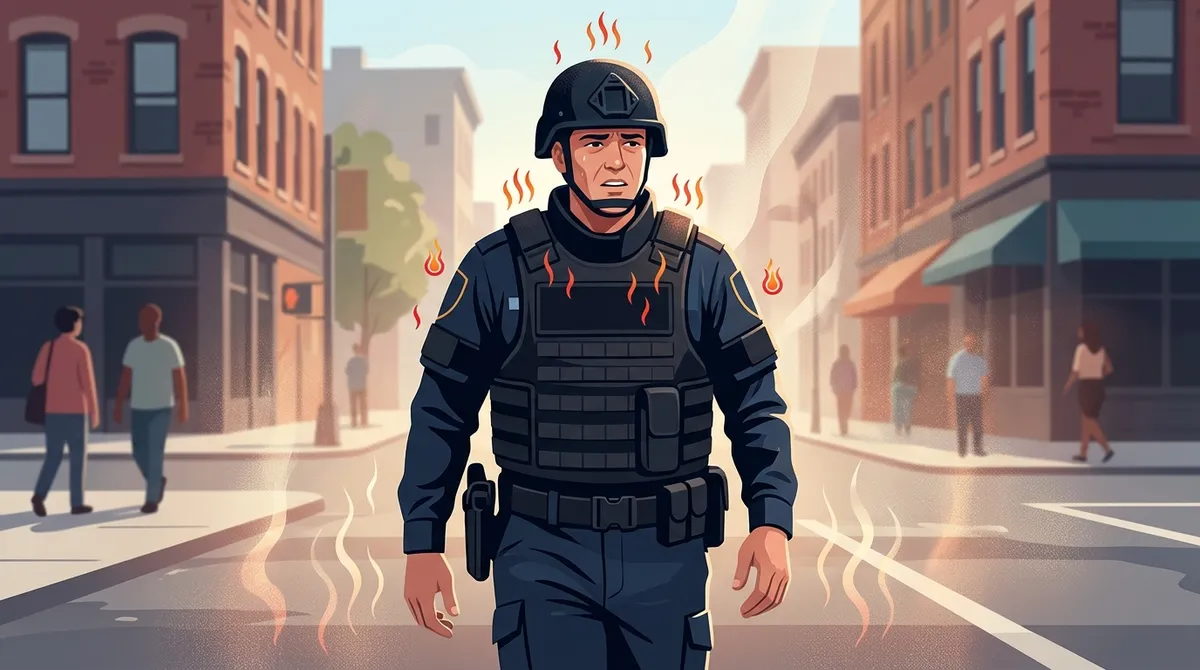
Body armor is designed to protect you — but it wasn’t originally designed with airflow in mind. When you strap on a ballistic vest, you’re essentially wrapping your torso in a material that traps heat and blocks air circulation. Your body keeps generating heat, but that heat has nowhere to go.
Sweat is your body’s natural cooling system. But when sweat gets trapped between your skin and your vest, it can’t evaporate properly. Evaporation is what actually cools you down. Without it, your core temperature keeps rising. According to the OSHA Heat Stress Guide, prolonged heat exposure can lead to heat exhaustion and even heat stroke — serious conditions that can pull you off the job and into the hospital.
The combination of physical activity, protective gear, and hot weather creates what experts call a “microclimate” of extreme heat against your skin. Understanding this is the first step toward solving it. You can learn more about this challenge in our detailed look at why police officers struggle with heat under body armor.
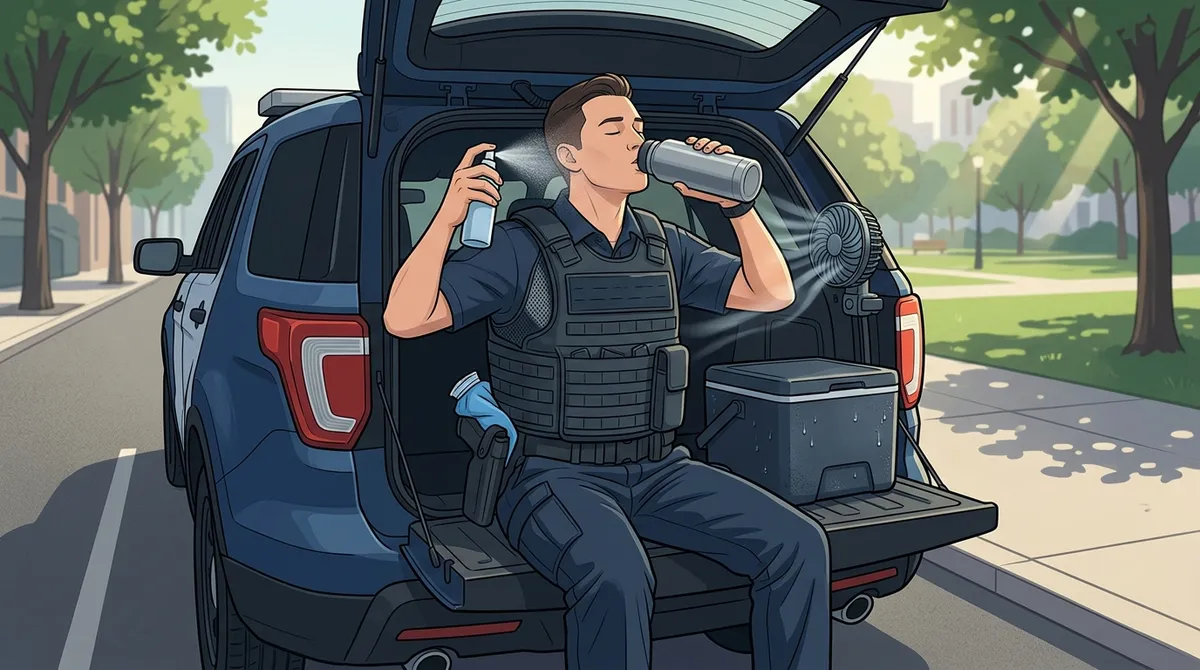
Step-by-Step: How to Reduce Core Body Temperature on Patrol
Here’s a practical, easy-to-follow approach to managing heat under your gear every single shift.
Step 1: Start Cool Before You Head Out
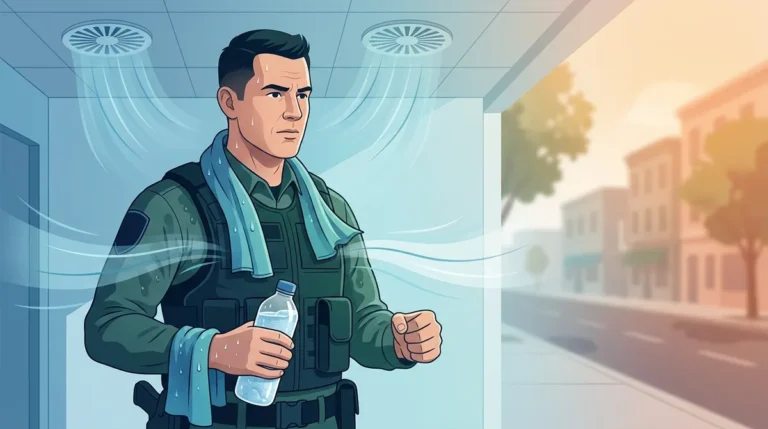
Pre-cooling is one of the most underrated strategies for patrol personnel. Research shows that starting your shift with a lower body temperature can delay heat strain during later exertion. This means drinking cold water before your shift, spending a few minutes in air conditioning, or even using a cooling towel on your neck and wrists before you gear up.
Think of your body like a phone battery — if it starts at 100%, it lasts longer under heavy use. The same logic applies to your core temperature. The lower you start, the more buffer you have before heat stress sets in during your patrol.
Step 2: Wear the Right Base Layer
What you wear under your armor matters more than most officers realize. A moisture-wicking base layer pulls sweat away from your skin and helps maintain a cooler microclimate under your protective gear. Look for lightweight, breathable fabrics that move moisture outward rather than holding it against your body.
Avoid cotton at all costs. Cotton absorbs sweat and holds it right against your skin, which makes you hotter, not cooler. Synthetic moisture-wicking materials or technical athletic fabrics are your best bet for preventing heat stress while wearing body armor.
Step 3: Add Active Ventilation Under Your Vest
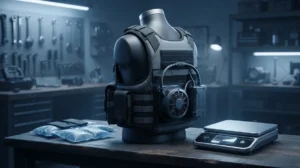
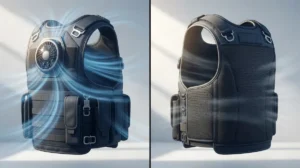
This is the game-changer. Active ventilation systems create an air gap between your body and your armor, which allows fresh air to circulate and trapped heat to escape. Without that air gap, your body has no way to release the heat building up against your skin.
The BluHalo ventilation vest was created specifically for this problem. It was designed by a Chicago police officer who experienced firsthand how miserable long, hot shifts could be. The BluHalo weighs under 7 ounces and inflates to lift your vest up to 1.5 inches off your body, creating a ventilation channel that lets air flow freely. It’s a simple, brilliant solution that makes a noticeable difference even on the hottest days. You can explore how this type of solution works by reading more about body armor ventilation as a game changer for officers.
Step 4: Use a Fan-Driven Cooling System for Extended Shifts
For officers and personnel on long shifts or in extreme heat, passive ventilation alone may not be enough. An active, fan-driven system can continuously circulate fresh air beneath your armor for hours at a time. This goes beyond just creating an air gap — it actively pushes cooler air in and forces warm, moist air out.
The Blufano fan system is built for exactly this. It features a patented air-redirect spout that slides under any style of body armor and delivers adjustable fan-driven airflow for 8 to 32 hours depending on the setting. It even includes a built-in 10,000mAh power bank that can charge your USB devices. That’s a full shift of active cooling — plus a phone charger. Hard to beat that. See how it stacks up in our Blufano fan system vs. passive cooling comparison.
Step 5: Hydrate Strategically Throughout Your Shift
Hydration directly affects your body’s ability to regulate temperature. When you’re dehydrated, your blood thickens slightly, your heart works harder, and your body struggles to cool itself efficiently. Drink water consistently throughout your shift — not just when you feel thirsty.
A good rule of thumb is to drink about 8 ounces of water every 20 minutes during active, hot conditions. Electrolyte drinks can also help replace what you lose through sweat, especially during long or physically demanding shifts.
Step 6: Use Rest Breaks for Active Cooling
Whenever you get a break, make the most of it. Use your vehicle’s air conditioning to cool down your body. Remove your gear if it’s safe and appropriate to do so. Apply a cold wet cloth to your neck and wrists — these pulse points cool your blood quickly. Research from 2025 found that even a 15-minute cooling vest application during a rest break produced significantly lower skin and core temperature compared to passive recovery alone.
Strategic cooling during breaks can reset your body’s heat load and give you more endurance for the rest of your shift. Check out our full resource on effective body armor heat relief all shift long for more tips.
Comparing Cooling Approaches: What Works Best?
Not all cooling methods are created equal. Here’s a quick comparison of the most common approaches officers use to manage heat under body armor:
| Cooling Method | How It Works | Best For | Limitations |
|---|---|---|---|
| Moisture-Wicking Base Layer | Pulls sweat away from skin | All-day wear | Doesn’t add airflow |
| Passive Mesh/Ventilation Vest | Creates air channels under armor | Light to moderate heat | Less effective in extreme heat |
| Inflatable Ventilation Vest (BluHalo) | Lifts armor to create air gap on demand | Long shifts, daily patrol | Requires inflation pump |
| Active Fan System (Blufano) | Circulates fresh air under armor continuously | Extended shifts, extreme heat | Requires charging |
| Cold Water/Ice Pack | Absorbs heat from skin | Short-term relief at breaks | Temporary, melts quickly |
| Hydration | Supports body’s natural cooling | All conditions | Not enough on its own |
For most patrol personnel, the best results come from combining two or more of these approaches. Layering your cooling strategy — much like you layer your protective gear — gives you the best defense against heat stress. Learn more about your options in our guide on active vs. passive cooling solutions for patrol officers.
Signs of Heat Stress You Should Never Ignore
Even with the best gear, heat stress can sneak up on you. Knowing the warning signs can keep a bad situation from becoming a dangerous one.
- Heavy, excessive sweating — your body is working overtime to cool down
- Headache or dizziness — blood flow and cooling are being compromised
- Nausea or weakness — signs that heat strain is affecting your whole system
- Confusion or difficulty focusing — a red flag that your brain is overheating
- Reduced or absent sweating with hot, red skin — a potential sign of heat stroke, which is a medical emergency
If you notice any of these signs, get to a cool area immediately, hydrate, and seek medical attention if symptoms don’t improve quickly. The Body Armor Standards from the National Institute of Justice also highlight that officer performance and safety are directly tied to comfort and fit — which includes thermal management.
How Different Professionals Benefit from Core Temperature Management
Heat management looks a little different depending on your role. Here’s how various professionals can apply these strategies:
| Professional Role | Primary Heat Challenge | Top Recommended Strategy |
|---|---|---|
| Police/Patrol Officers | Long shifts in outdoor heat with daily armor wear | BluHalo vest + moisture-wicking base layer |
| Military Personnel | Extended missions in high-heat environments | Blufano fan system + strategic hydration |
| Security Professionals | Stationary and mobile duty in varied climates | Passive ventilation vest + cooling breaks |
| SWAT/Tactical Teams | High-intensity operations with heavy armor | Active fan system + pre-cooling protocol |
| Emergency Responders | Extreme heat with full PPE or protective gear | Layered cooling strategy + regular hydration |
No matter what role you’re in, the core principle is the same: give trapped heat and moisture a way to escape. When your body can release heat effectively, you stay cooler, think more clearly, and perform at a higher level throughout your shift. Explore gear recommendations tailored to your role in our law enforcement heat management gear guide.
Key Stats: What the Research Says About Cooling Vests
The science supports what officers already feel — cooling vests genuinely work. Here are some highlights from recent research:
- A 2025 study found that a 15-minute cooling vest application during a rest break produced significantly lower skin and tympanic (ear) temperature compared to passive recovery
- Research has reported approximately a 1.5°F reduction in body temperature with cooling vest use in test conditions
- One study found core temperature was over 1°F lower at task completion when subjects used cooling vests versus no vest
- Work tolerance in heat improved noticeably in groups using cooling vests compared to control groups
These numbers might sound small, but even a 1-2°F difference in core temperature can mean the difference between staying sharp and feeling completely drained. For professionals on long duty shifts, that margin matters enormously. Learn more about the 6 heat stress effects on police performance that every officer should know.
Passive vs. Active Ventilation: Which One Is Right for You?
One of the most common questions we hear is whether a passive or active ventilation system is the better choice. The honest answer is: it depends on your work environment and shift demands. Here’s a simple breakdown to help you decide:
| Feature | Passive Ventilation (e.g., mesh vest) | Active Ventilation (e.g., BluHalo / Blufano) |
|---|---|---|
| Cooling power | Moderate | High |
| Power source needed | No | Yes (battery or inflation pump) |
| Best for | Mild heat, light duty | Extreme heat, long shifts |
| Ease of use | Very easy — wear and go | Easy with minor setup |
| Customization | Limited | Adjustable airflow settings |
| Recommended for patrol | Backup/light-duty option | Primary cooling solution |
If you’re in a moderate climate or doing lighter duty, a passive mesh layer might be enough. But for hot climates, full shifts, and heavy armor, active ventilation gives you a clear advantage. Dive deeper into this topic with our passive vs. active tactical vest ventilation comparison.
Quick Tips for Staying Cooler Under Body Armor Every Day
Here’s a quick checklist you can use every day to reduce heat buildup before it becomes a problem:
- Wear a moisture-wicking base layer — never cotton
- Pre-cool your body before suiting up for your shift
- Use a ventilation vest like the BluHalo to create an air gap under your armor
- Drink water consistently throughout your shift — don’t wait until you’re thirsty
- Take advantage of rest breaks to actively cool down using your vehicle’s AC or cold packs
- Consider upgrading to an active fan system like Blufano for maximum cooling on long or hot shifts
- Know the signs of heat stress and act on them early
These steps don’t take much time or effort, but they can dramatically change how you feel at the end of a long, hot shift. For more ideas, check out our list of 7 ways to stay cool under pressure in body armor.
Start Taking Heat Seriously Today
Reducing core body temperature on patrol is one of the most important things you can do for your comfort, performance, and long-term health. The tools and strategies to do it effectively are available right now — you just have to use them. From moisture-wicking base layers to smart ventilation vests and fan-driven cooling systems, there’s a solution for every role and every climate.
You put on your gear every shift to protect others. It only makes sense to protect yourself from heat at the same time. Explore the full range of ventilation options at the BluHalo shop, or learn more about what makes active ventilation so effective by visiting the how active cooling systems work in ventilation vests page. You can also check out real officer experiences in the reviews section to see the difference it makes in the field.
Ready to take the next step toward a cooler, more comfortable shift? Get in touch with our team to find the right cooling solution for your needs — we’re here to help every step of the way.
FAQs
Q: How do ventilation vests help with reducing core body temperature on patrol?
A: Ventilation vests create an air gap between your skin and body armor, which allows heat and moisture to escape instead of building up. This improved airflow helps your body’s natural cooling system work much more effectively, so your core temperature stays lower throughout your shift.
Q: What is the difference between a cooling vest and a ventilation vest?
A: A cooling vest typically uses ice packs or phase-change materials to absorb heat, while a ventilation vest focuses on improving airflow to release heat and moisture. Ventilation vests like the BluHalo and Blufano are great for long shifts because they don’t rely on materials that need to be replaced or refrozen.
Q: Can ventilation vests be worn under tactical or law enforcement body armor?
A: Absolutely! Ventilation vests are specifically designed to fit under body armor, tactical carriers, and similar protective gear. The BluHalo, for example, sits flat and low-profile when deflated and lifts up to 1.5 inches when inflated to create a comfortable cooling air channel.
Q: How long does the cooling effect last with a fan-driven vest system?
A: The Blufano fan system is designed to run for 8 to 32 hours depending on the airflow setting you choose, making it perfect for full patrol shifts. Since it uses a rechargeable 10,000mAh battery, you get consistent active cooling without needing to swap anything out mid-shift.
Q: What’s the best way to combine hydration and ventilation for heat management on patrol?
A: The best approach is to use both together — stay consistently hydrated throughout your shift (about 8 ounces of water every 20 minutes in hot conditions) while using an active ventilation vest to keep air circulating under your armor. Combining internal cooling (hydration) with external airflow (ventilation vest) gives you the most effective defense against heat stress.