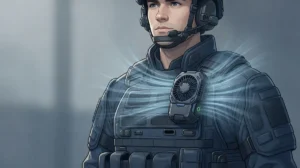
If you’ve ever pulled a 12-hour shift in 95-degree heat while wearing body armor, you know the struggle is real. The heat builds up fast. The sweat soaks through. Your focus starts slipping. And before long, staying comfortable feels like a second job. The good news? In 2026, cooling solutions for patrol officers have come a long way, and you have real options that actually work.
The big question most officers face is this: should you go with a passive cooling system (think air gaps, mesh liners, and inflatable vests) or an active cooling system (fan-driven units that push fresh air under your armor)? Both approaches tackle the same problem — trapped heat and moisture under your vest — but they do it in different ways. Let’s break it down so you can pick the right solution for your patrol needs.

Why Heat Management Matters for Patrol Officers
Body armor is a lifesaver — literally. But it also creates a heat trap. The vest sits tight against your body, blocking natural airflow. Sweat has nowhere to go. Core temperature rises. Research from the OSHA Heat Stress Guide confirms that heat exposure significantly impacts worker performance, safety, and decision-making — all things patrol officers cannot afford to lose.
Heat stress under body armor is more than just uncomfortable. It leads to fatigue, slower reaction times, and even heat-related illness. That’s why finding the right cooling system under your vest is not a luxury — it’s a safety necessity. The question is which type of system gives you the most relief without slowing you down.
Passive Cooling Solutions: What They Are and How They Work
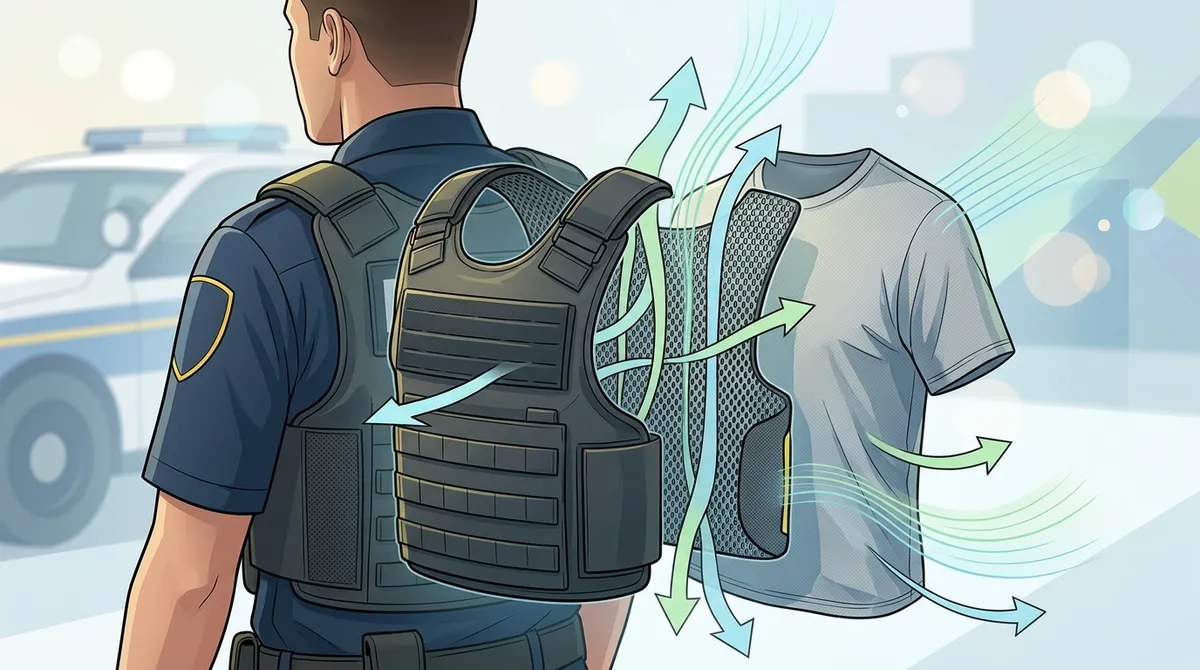
Passive cooling systems don’t use any power source. Instead, they create physical separation between your vest and your body. This separation allows heat and moisture to escape naturally through convection and evaporation. Think of it like opening a window on a hot day — no machine needed, just airflow.
The most popular passive options for patrol officers include:
- Inflatable air gap vests – These lift your vest off your body on demand, creating space for heat to escape.
- 3D mesh liners – These sit between your undershirt and vest, using a rigid mesh to maintain a small but consistent air channel.
- Perforated foam spacers – Thin, breathable layers that separate your armor from your skin.
- TacVent-style systems – Half-inch separation panels that keep your vest raised while also improving how well your undershirt wicks moisture.
TacVent, for example, has been shown to cool officers by up to 14.6 degrees Fahrenheit just by maintaining a small air gap. That’s a massive difference during a hot summer shift. You can learn more about your options in this guide on best vest cooling systems to beat the heat in body armor.
Active Cooling Solutions: What They Are and How They Work
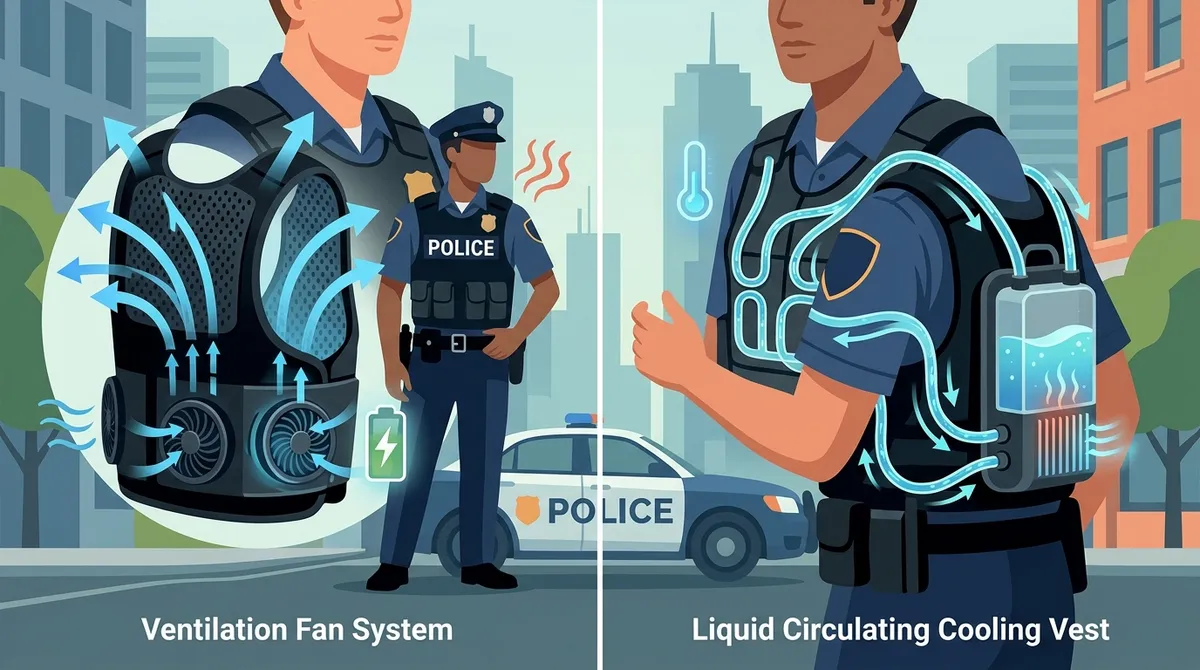
Active cooling systems use fans or pumps to push fresh air under your body armor. They require a power source (usually a rechargeable battery), but they deliver much more consistent and powerful airflow than passive systems. If passive cooling is like opening a window, active cooling is like turning on a ceiling fan — faster, stronger, and more reliable.
Active systems like the BluFano fan unit are self-contained devices that slide under any style of body armor. They use a patented air-redirect spout to push airflow directly into the space between your vest and body. The BluFano includes a built-in 10,000mAh power bank and can run for 8 to 32 hours depending on the fan setting — more than enough for even the longest patrol shifts. It also features a forward-facing light for hands-free illumination in low-light situations, which is a nice bonus for night patrols.
Understanding exactly how these systems work can help you choose the right one. This article on how active cooling systems work in ventilation vests is a great starting point.

Head-to-Head: Passive vs. Active Cooling for Patrol Officers
Let’s put both systems side by side so you can see how they stack up across the factors that matter most on duty.
| Feature | Passive Cooling | Active Cooling |
|---|---|---|
| Power Source | None required | Rechargeable battery |
| Airflow Strength | Moderate (natural convection) | Strong (fan-driven) |
| Duration | Unlimited (no battery) | 8–32 hours per charge |
| Profile/Bulk | Very low profile | Slightly more bulk |
| Best For | Routine patrols, moderate heat | High-intensity ops, extreme heat |
| Cost | Lower upfront cost | Higher upfront, more features |
| Maintenance | Minimal | Requires charging |
| Concealability | Excellent for concealable vests | Better suited for external carriers |
As you can see, neither system is universally better. The right choice really depends on your specific duty conditions, your vest type, and how much heat you’re dealing with on a typical shift. You can explore more on this topic with this helpful comparison: passive vs. active cooling — which keeps you cool in body armor?
Top Cooling Products Compared: A Quick Look at the Field
There are several strong products in the market right now. Here’s how the most popular cooling solutions for patrol officers compare at a glance, based on real-world use and reported performance data.
| Product | Type | Cooling Effect | Battery Life | Special Features |
|---|---|---|---|---|
| BluHalo | Passive (Inflatable) | Up to 1.5″ air gap | N/A | On-demand inflation, under 7 oz, attaches with Velcro |
| BluFano | Active (Fan-Driven) | Continuous airflow | 8–32 hours | 10,000mAh power bank, USB charging, forward light |
| TacVent | Passive (Spacer) | Up to 14.6°F cooler | N/A | Improves undershirt wicking, 0.5″ separation |
| Maxx-Dri Vest | Passive (Mesh) | Natural convection | N/A | Worn by 107,000+ officers worldwide, reduces rashes |
According to the Body Armor Standards from the National Institute of Justice, maintaining proper fit and comfort is essential for officers to actually wear their protective gear consistently. Cooling solutions play a big role in making that happen.
BluHalo: The Smart Passive Pick for Patrol Officers
The BluHalo ventilation vest was actually created by a Chicago police officer who got tired of overheating on long shifts. That origin story says a lot. This isn’t gear designed by someone in an office — it’s built by someone who lived the problem firsthand.
Here’s what makes BluHalo stand out as a passive cooling solution:
- Lightweight design – It weighs under 7 ounces, so you won’t even notice it’s there.
- On-demand inflation – Inflate it when you need cooling, deflate it when you don’t. It’s that simple.
- High-strength materials – Made from double-layer high-strength polyethylene, so it holds up to daily duty use.
- Easy attachment – Attaches to your vest with Velcro — no complicated setup required.
- Affordable – Priced at just $60, it’s one of the most cost-effective cooling solutions for cop body armor on the market.
Officers have reported being significantly more comfortable on 12-hour shifts in 95-degree heat using BluHalo. That’s not marketing fluff — those are real testimonials from people just like you. Check out the customer reviews to hear directly from officers in the field.
BluFano: The Top Active Cooling Choice
If you’re working in extreme heat, doing high-intensity operations, or just want the most powerful cooling available, the BluFano fan system is tough to beat. It slides under any style of body armor and delivers adjustable fan-driven airflow that you can control with a simple knob.
The BluFano also doubles as a USB power bank, so you can charge your phone or other devices while staying cool. That’s genuinely useful on long patrols where you’re away from a charger all day. The forward-facing light is another smart feature for night-shift officers. If you want to compare both options side by side, this article on BluFano vs. BluHalo: which vest cooling system is better? breaks it all down clearly.
Which Type of Officer Should Choose Which System?
Not every officer has the same needs. Here’s a simple breakdown to help you decide which cooling system fits your situation best.
| Officer Type | Best Cooling Solution | Why It Works |
|---|---|---|
| Patrol Officer (routine shifts) | BluHalo (Passive) | Lightweight, no battery needed, all-day use |
| SWAT / Tactical Unit | BluFano (Active) | Fan-driven power for high-intensity situations |
| Military Personnel | BluFano or combo | Long mission hours, extreme heat environments |
| Security Professional | BluHalo (Passive) | Low profile, comfortable for extended standing |
| Emergency Responder | BluFano (Active) | Rapid cooling during high-stress response situations |
You can also bundle BluHalo and BluFano together for maximum cooling performance. Many officers use the passive BluHalo as their everyday base layer and add the BluFano on days when the heat really cranks up. It’s a flexible setup that covers all your bases. Learn more about how to prevent heat stress while wearing body armor with the right layering approach.
Key Factors to Consider When Choosing Your Cooling Solution
Before you make your decision, run through these key factors:
- Vest type – Concealable vests work better with low-profile passive options like BluHalo. External carriers can accommodate the BluFano more easily.
- Shift length – For 12-hour shifts, you want something that lasts. BluFano’s 8–32 hour battery life has you covered for the longest days.
- Heat level – Moderate heat? Passive cooling may be enough. Extreme heat or high-intensity work? Go active.
- Budget – BluHalo at $60 is a great entry point. If you want the full package, the bundle gives you the best value.
- Mobility needs – If you’re constantly moving, lighter and less bulky is better. BluHalo wins here.
For a deep dive into making the right call, check out this guide on how to choose the right body armor ventilation vest in 2026. It covers everything from fit to fabric to fan systems.
The Verdict: Which Cooling Solution Wins for Patrol Officers?
Here’s the honest answer: it depends on your needs. For most patrol officers doing regular shifts in moderate to warm conditions, a passive system like the BluHalo is the perfect starting point. It’s lightweight, affordable, easy to use, and incredibly effective at creating the air gap your body needs to stay cool.
For officers in extreme heat, high-intensity operations, or long deployments, the BluFano’s active fan system delivers a level of continuous cooling that passive gear simply can’t match. The built-in power bank and light make it even more practical for real-world duty use.
The best move? Start with BluHalo, and consider adding BluFano when conditions demand it. That combo gives you versatility, comfort, and maximum heat relief no matter what the shift throws at you. Ready to find the right fit for your gear? Get in touch with the BluHalo team and they’ll help you figure out the perfect cooling setup for your specific needs. You’ve got enough to worry about on patrol — staying cool shouldn’t be one of them.
FAQs
Q: What are the best cooling solutions for patrol officers wearing body armor?
A: The best cooling solutions for patrol officers are ventilation vests like BluHalo (a passive inflatable air gap vest) and BluFano (an active fan-driven system). BluHalo weighs under 7 ounces and creates up to a 1.5-inch air gap on demand, while BluFano delivers 8–32 hours of continuous fan-powered airflow — perfect for long, hot shifts!
Q: How does the BluHalo cooling vest work for patrol officers?
A: BluHalo is an inflatable ventilation vest that attaches to your body armor with Velcro. When you inflate it, it lifts your vest up to 1.5 inches off your body, creating an air gap that lets heat and moisture escape naturally. Deflate it with a button when you don’t need it — simple, lightweight, and totally on demand.
Q: Can ventilation vests really reduce heat stress during 12-hour shifts?
A: Absolutely! Officers report significantly improved comfort during 12-hour shifts in temperatures up to 95°F when using ventilation vests. Systems like TacVent have been shown to cool wearers by up to 14.6°F, and active systems like BluFano provide continuous airflow all shift long, making a real difference in focus and performance.
Q: What is the difference between passive and active cooling vests for patrol officers?
A: Passive cooling vests (like BluHalo) create a physical air gap between your vest and body using no power source, relying on natural convection to release heat. Active cooling vests (like BluFano) use fan-driven airflow powered by a rechargeable battery to push fresh air under your armor continuously — giving you stronger, more consistent cooling in extreme heat.
Q: Are ventilation vests compatible with concealable body armor?
A: Yes, but compatibility varies by product. Low-profile passive options like BluHalo are ideal for concealable vests because they lie completely flat when deflated and add minimal bulk. Active fan systems like BluFano are generally better suited for external carriers where there’s more room to accommodate the unit.