Key Takeaways
-
Heat stress significantly impairs police decision-making and cognitive function on hot days, with research showing reduced arrests per crime and lower court dismissal rates when temperatures exceed 90°F, directly compromising officer effectiveness and case outcomes.
-
Body armor traps heat and blocks airflow, causing officers to hit dangerous dehydration thresholds (1.5% body weight loss) faster than civilians, necessitating active ventilation gear like vests that lift armor 1.5 inches off the body to create cooling air gaps.
-
Hot days simultaneously increase police call volumes by 3-57% across cities while degrading officer performance, creating a dangerous mismatch where departments face peak demand exactly when personnel are most physically and mentally compromised.
-
Heat stress causes emotional irritability and reduced patience in officers, increasing risk of escalating public interactions unnecessarily and compromising the human side of policing when staying physically comfortable is the most effective solution.
-
Officers in high-risk duties like foot patrols, traffic enforcement, and crowd control experience rapid heat buildup and can develop heat exhaustion or heat stroke, yet often ignore symptoms due to law enforcement culture, requiring proactive thermal management and clear heat illness protocols.
-
Consistent hydration, strategic rest breaks every 45-60 minutes, gradual acclimatization, and departmental hot-weather protocols combined with active ventilation gear provide comprehensive heat stress management that directly improves decision-making, endurance, and officer safety.
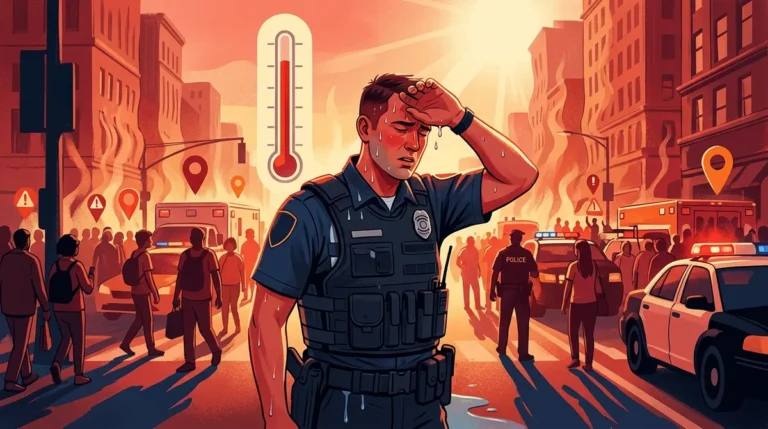
Every police officer knows the feeling. It’s a sweltering summer afternoon, your body armor is locked tight against your chest, and the heat just keeps building. By hour six of your shift, you’re not just uncomfortable — you’re struggling to think clearly. That’s heat stress doing its quiet damage, and it affects more officers than most departments want to admit.
Heat stress effects on police performance are real, measurable, and dangerous. Research shows that high temperatures don’t just make officers uncomfortable — they slow decision-making, increase fatigue, and can even affect the quality of arrests made in the field. When the mercury rises, so does the risk of costly mistakes.
The good news? Understanding how heat stress works is the first step to fighting back. And with the right gear — like a quality ventilation vest for police officers — you can stay cooler, sharper, and safer through even the hottest shifts. Let’s break down exactly what heat stress does to officers on duty.
What Is Heat Stress and Why Does It Hit Officers So Hard?
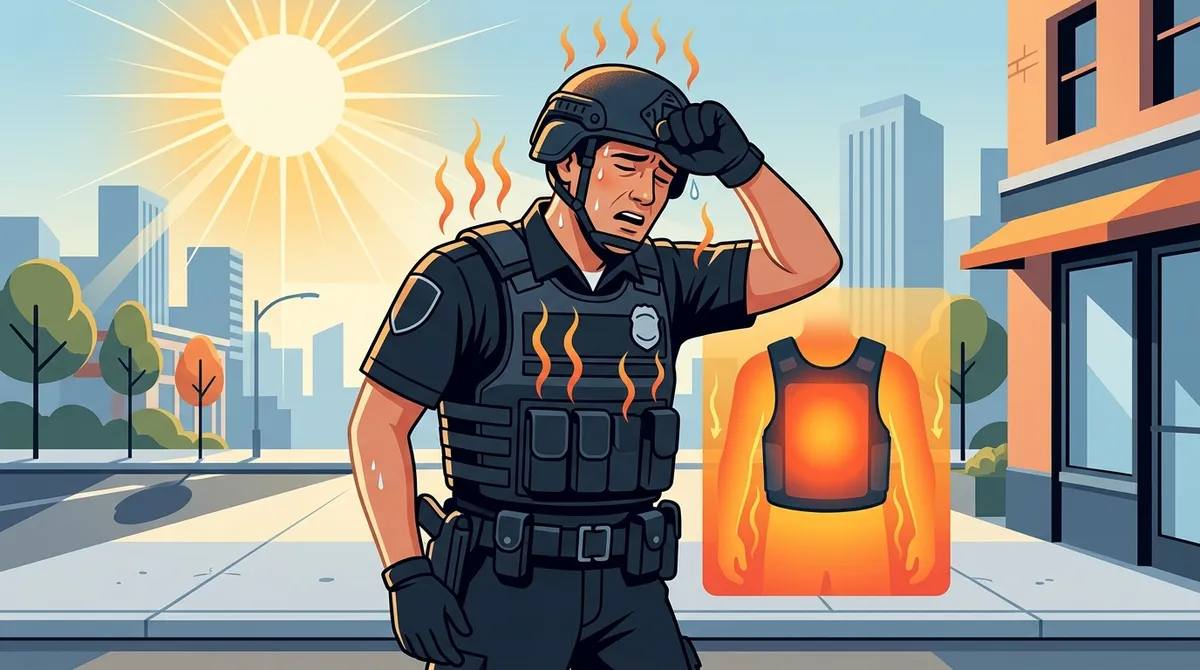
Heat stress happens when your body absorbs more heat than it can release. For most people, that means stepping into shade or air conditioning. For police officers, there’s no easy escape. You’re wearing body armor that traps heat against your core, often moving constantly, and sometimes standing on asphalt that radiates heat from below.
Body armor is one of the biggest culprits. It acts like an insulating layer, blocking natural airflow and trapping sweat against your skin. According to OSHA Heat Stress Guidelines, dehydration risk rises sharply when sweat losses exceed just 1.5% of body weight — a threshold officers can hit faster than they realize during a busy summer shift.
The result is a slow, creeping decline in physical and mental performance. And because it happens gradually, many officers don’t even notice how impaired they’ve become until something goes wrong. That’s what makes heat stress so dangerous in law enforcement settings.
6 Heat Stress Effects on Police Performance
1. Impaired Decision-Making and Judgment
This is the big one. Heat stress directly affects the brain’s ability to process information and make sound judgments. When your core temperature rises, cognitive function takes a hit. You become slower to assess threats, less likely to weigh options carefully, and more prone to reactive rather than thoughtful responses.
Research published in scientific literature confirms this with striking data. Studies found that on the hottest days, the number of arrests per reported crime actually decreases — suggesting officers are less effective at field operations when temperatures soar. Even more concerning, dismissal rates in Texas courts fell by just under 5% on days when mean temperatures exceeded 90°F, hinting that heat affects the entire justice chain from arrest through prosecution.
| Temperature Condition | Impact on Police Performance | Risk Level |
|---|---|---|
| Below 80°F | Minimal cognitive impairment | Low |
| 80°F – 89°F | Mild fatigue, early dehydration risk | Moderate |
| 90°F – 99°F | Reduced judgment, slower reaction time | High |
| 100°F and above | Serious cognitive decline, risk of heat illness | Very High |
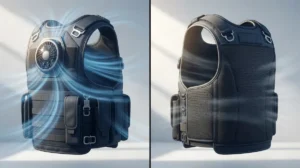
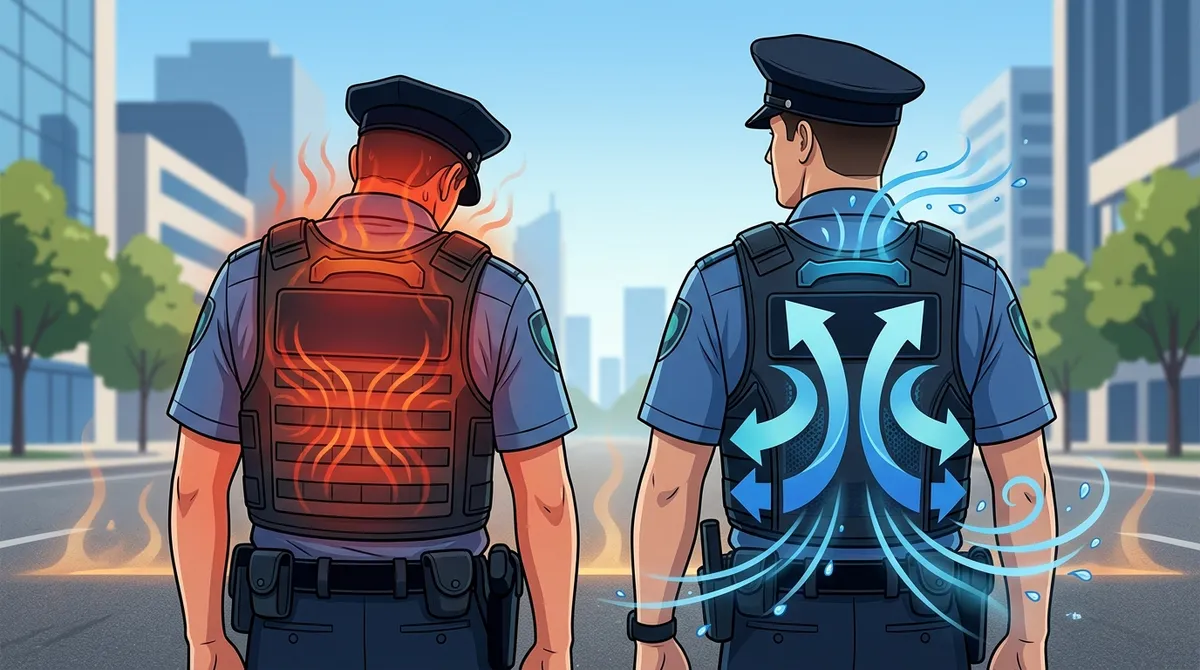
Solutions that actively manage body temperature — like the BluHalo ventilation vest — can make a real difference here. By lifting body armor up to 1.5 inches off the body and creating a cooling air gap, BluHalo helps reduce the thermal load that leads to cognitive decline during long shifts.
2. Increased Fatigue and Reduced Endurance
Heat forces your cardiovascular system to work overtime. Your heart pumps blood to the skin’s surface to cool you down, which means less blood is available for your muscles. The result? You tire faster, move slower, and have less physical reserve when you need it most.
For officers involved in foot pursuits, crowd control, or physical confrontations, this is a serious tactical disadvantage. Body armor standards require protective gear that adds significant weight and coverage — and that protective necessity comes with a thermal cost that’s hard to ignore on hot days.
Occupational health guidance notes that a sustained working pulse rate above 180 beats per minute minus your age should trigger immediate cessation of heat exposure. But in active field situations, officers often can’t just stop. That’s why proactive thermal management — through preventing heat stress while wearing body armor — matters so much.
3. Poor Concentration and Mental Fog
Heat stress doesn’t just slow you down physically. It clouds your thinking. Officers experiencing thermal overload often report difficulty focusing, forgetting procedural steps, and struggling to maintain situational awareness. This mental fog can make a 12-hour shift feel chaotic and overwhelming.
Research on police stress consistently identifies poor concentration, confusion, and irritability as hallmarks of officer stress — and heat exposure makes all of these worse. When you’re hot, sweaty, and uncomfortable, it’s nearly impossible to maintain the calm, focused mindset that good policing requires.
The Blufano fan system tackles this problem directly. Its patented air-redirect spout slides under any style of body armor and delivers adjustable, fan-driven airflow for 8 to 32 hours depending on the setting. Officers who stay cooler simply stay sharper — and that matters in every encounter.
4. Higher Demand for Police Services on Hot Days
Here’s a factor that many people don’t consider: heat doesn’t just affect officers — it affects everyone. Hot days bring more calls, more conflict, and more pressure on law enforcement agencies. That means officers face greater workloads at exactly the time when they’re most physically and mentally stressed.
The data on this is eye-opening. Studies found that police department incidents increased significantly on days at or above the 95th percentile of daily maximum temperature — with relative risk rising anywhere from 3% to 57% across studied cities. A 10°F jump in daily maximum temperature from 80°F to 90°F was associated with 1.034 times the expected number of daily police calls in Cambridge, MA, and 1.031 times in Hartford, CT.
| City | Temperature Increase | Increase in Police Calls |
|---|---|---|
| Cambridge, MA | 10°F (80°F to 90°F) | 3.4% increase in daily calls |
| Hartford, CT | 10°F (80°F to 90°F) | 3.1% increase in daily calls |
| Chicago, IL | 10°F rise in overnight low | 2.3% increase in daily calls |
| Multiple cities (hot days) | At or above 95th percentile | 3% to 57% higher incident rate |
More calls plus more heat equals more risk. Officers need every tool available to manage their comfort and performance during these high-demand periods. Checking out the best police vest cooling systems for hot shifts is a smart starting point for any department planning ahead for summer operations.
5. Emotional Irritability and Increased Tension
Heat doesn’t just impair thinking — it affects mood. Officers under heat stress often become more irritable, more reactive, and less patient. In interactions with the public, this can escalate situations that might otherwise be resolved calmly. That’s a risk to both officers and the communities they serve.
The link between heat and aggression is well-documented in behavioral research. When your body is fighting to stay cool, emotional regulation takes a back seat. Small frustrations feel bigger. Patience runs thin. And in high-stakes law enforcement situations, that emotional edge can have serious consequences.
Staying physically comfortable directly supports emotional regulation. Officers who aren’t fighting constant discomfort have more mental and emotional bandwidth for the human side of policing. That’s a compelling reason to invest in law enforcement heat management gear that works all shift long.
6. Increased Risk of Heat Illness and Officer Safety Incidents
At its most serious, heat stress escalates into heat exhaustion or heat stroke — medical emergencies that can end careers or lives. Early warning signs include heavy sweating, weakness, dizziness, nausea, and headache. If not addressed quickly, symptoms can progress to confusion, loss of consciousness, and organ damage.
Officers are at heightened risk because they often push through early symptoms rather than stepping back from duty. The culture of toughness in law enforcement, while admirable in many ways, can make it harder for officers to recognize or report heat-related distress until it becomes a crisis.
| Heat Illness Stage | Common Symptoms | Recommended Action |
|---|---|---|
| Heat Cramps | Muscle pain, spasms | Rest, hydration, shade |
| Heat Exhaustion | Heavy sweating, weakness, nausea, pale skin | Move to cool area, hydrate, loosen gear |
| Heat Stroke | High body temp, confusion, no sweating | Call 911, cool immediately, emergency care |
Proactive gear choices matter enormously here. Preventing heat illness while wearing body armor starts with choosing equipment that actively manages airflow and moisture — not just gear that meets ballistic standards but ignores thermal realities.
Duties Most Affected by Heat Stress
Not all police work carries the same heat risk. Some duties expose officers to far more thermal strain than others. Here’s a quick look at the highest-risk assignments:
- Summer foot patrols: Constant movement in direct sunlight with full gear creates rapid heat buildup.
- Traffic enforcement: Standing on hot asphalt for extended periods with minimal shade or airflow.
- Crowd control and public events: Physical exertion combined with dense crowds and limited rest opportunities.
- Search and rescue operations: High physical intensity in remote or rural areas far from cooling resources.
- Vehicle pursuits and foot chases: Sudden bursts of intense activity that spike heart rate and body temperature rapidly.
- Extended outdoor crime scenes: Long periods of standing or working in the sun with no opportunity to cool down.
Officers in all of these roles benefit from choosing the best police vest ventilation system for their specific duty requirements. Not every cooling solution is right for every situation, so it pays to understand your options before the heat season arrives.
Practical Heat Stress Prevention Strategies for Officers
Heat stress management isn’t just about gear — it’s a combination of habits, planning, and the right equipment working together. Here are the key strategies that work:
- Hydrate consistently: Don’t wait until you’re thirsty. Drink water throughout your shift, aiming for regular small amounts rather than large quantities all at once.
- Use rest and shade breaks strategically: When your assignment allows, rotate through shaded or air-conditioned areas every 45 to 60 minutes during extreme heat.
- Acclimatize gradually: Give your body time to adjust at the start of hot weather season rather than jumping straight into long outdoor duties.
- Monitor your pulse and symptoms: Know the warning signs of heat exhaustion and check in with your body honestly throughout the shift.
- Invest in active ventilation gear: A quality body armor ventilation system that actively moves air under your vest is one of the most effective tools for reducing thermal strain during long shifts.
- Coordinate with supervisors: Departments should have hot-weather protocols that include modified duty rotations, access to cooling stations, and clear guidelines for heat illness response.
For a deeper dive into gear options, the 15 best heat stress prevention gear picks for 2026 is a great resource to explore.
How Ventilation Vests Directly Combat Heat Stress Effects
Ventilation vests are purpose-built to address the core problem: trapped heat and moisture under body armor. By actively creating airflow between your vest and your body, they break the heat-buildup cycle before it has a chance to impair your performance.
BluHalo’s ventilation vest — created by a Chicago police officer who lived this problem firsthand — weighs under 7 ounces and sits flat against your body when deflated. When you need cooling relief, it inflates to lift your vest up to 1.5 inches off your skin, creating an air channel that lets heat and moisture escape. It’s cooling on demand, right when you need it most.
The Blufano fan system takes this further with active, powered airflow. Its built-in 10,000mAh power bank runs the fan for 8 to 32 hours and can even charge your other devices. It includes a forward-facing light for low-light situations — making it a genuinely multi-functional tool for officers working in all conditions. You can explore both products in the shop and even bundle them together for maximum cooling performance.
Want to see these products in action? Check out the product videos to understand exactly how they work under real duty conditions. And if you want to hear from officers who’ve already made the switch, the customer reviews tell a compelling story about what staying cooler actually means for on-the-job performance.
Conclusion: Don’t Let Heat Win
Heat stress effects on police performance are serious, well-documented, and entirely worth addressing. From impaired judgment and mental fog to increased fatigue and heightened emotional reactivity, the evidence is clear: hot officers are less effective officers. And in law enforcement, less effective can mean dangerous.
The tools to fight back are available right now. Smart hydration habits, thoughtful duty planning, and — most importantly — the right ventilation gear can dramatically reduce your thermal burden during hot shifts. Officers who stay cooler make better decisions, maintain sharper focus, and go home safer at the end of every shift.
If you’re ready to take the next step in protecting your performance and your wellbeing, we’d love to help you find the right solution. Reach out to our team and let’s talk about what cooling gear makes the most sense for your duty requirements. Because every officer deserves to work at their best — no matter how hot it gets.
FAQs
Q: How does heat stress affect police officer performance?
A: Heat stress slows decision-making, reduces physical endurance, and causes mental fog — all of which directly hurt an officer’s ability to do their job safely. Research shows that on the hottest days, officers make fewer arrests per reported crime and are more prone to errors that can affect case outcomes. Staying cool with tools like a ventilation vest under body armor can help officers maintain their edge throughout a shift.
Q: Which police duties are most affected by heat stress?
A: Summer foot patrols, traffic enforcement, crowd control, and outdoor crime scenes all carry high heat stress risk because officers must stay active for long periods with full gear and minimal access to shade or air conditioning. The combination of physical exertion and body armor creates a perfect storm for heat buildup. Officers in these roles benefit most from active ventilation solutions that continuously move air under their vest.
Q: Can a ventilation vest really improve police performance in hot weather?
A: Absolutely! Ventilation vests like BluHalo and Blufano are designed specifically to reduce the thermal load under body armor, helping officers stay cooler and more comfortable throughout their shift. When you’re not battling heat exhaustion, you think more clearly, react faster, and handle high-pressure situations with greater composure. Many officers report feeling a significant difference from the very first shift wearing one.
Q: What are the early signs of heat stress in police officers?
A: Early warning signs include heavy sweating, fatigue, difficulty concentrating, irritability, and mild dizziness. These symptoms can sneak up gradually, which is why it’s important for officers to check in with themselves regularly during hot shifts. If you notice any of these signs, move to a cooler area, hydrate, and loosen your gear as soon as your situation allows.
Q: Does hot weather increase the demand for police services?
A: Yes — and significantly so! Research found that police department incidents rose by 3% to 57% on days at or above the 95th percentile of daily maximum temperature across multiple cities. That means officers face more calls and more pressure exactly when they’re most physically stressed by the heat. Having good cooling gear in place before the summer heat peaks is a smart way to prepare for these busier, more demanding days.