Key Takeaways
-
Heat stress significantly impairs officer decision-making and safety during patrols, making proper ventilation systems a necessity rather than a luxury—approximately 250,000 law enforcement and security personnel worldwide now use advanced ventilation to combat this occupational hazard.
-
Passive ventilation vests (lightweight, no batteries, $30-$80) work best for moderate climates and everyday patrol, while active fan systems (rechargeable, 8-32 hour runtime, $80-$200+) are essential for high-heat environments and long shifts, with bundling both for maximum comfort.
-
Always verify certifications before purchasing—look specifically for GSA approval, NIJ certification, and NTOA recommendations, as the Maxx-Dri Vest’s 9.9% reduction in backface deformation demonstrates these products don’t compromise ballistic protection.
-
Prioritize 360° airflow coverage with anti-bacterial, moisture-wicking spacer fabrics over spot-ventilation products, and choose lightweight designs under 10 ounces for passive systems to avoid creating new discomfort issues while solving heat stress.
-
Read verified reviews from patrol officers describing real-world long-shift and high-heat scenarios rather than relying on manufacturer claims—products with thousands of verified ratings like the Maxx-Dri Vest’s 12,000+ five-star reviews provide reliable social proof.
-
Avoid common mistakes including choosing based on price alone, ignoring proper fit under your specific armor style, and overlooking moisture management—inexpensive gear often fails under real patrol conditions and uncertified products may compromise your protection.
If you’ve ever worn body armor through a long, hot shift, you know the struggle. The heat builds up fast. Sweat soaks through your uniform. You start losing focus — and that’s the last thing you need when you’re on patrol. Choosing the right police patrol comfort gear isn’t just about convenience. It’s about staying sharp, staying safe, and making it through your shift without feeling like you’re being cooked alive.
The good news? In 2026, there are more smart options than ever. Ventilation vests have come a long way, and the right under-armor airflow system can make a dramatic difference in how you feel on the job. This guide walks you through exactly how to choose the best comfort gear for patrol officers — step by step, in plain English.

Why Police Patrol Comfort Gear Matters More Than You Think
Heat stress is a real occupational hazard for law enforcement. According to the OSHA Heat Stress Guide, prolonged heat exposure can lead to fatigue, poor decision-making, and even heat exhaustion. For patrol officers wearing body armor in warm climates, this risk is constant. Body armor traps heat against your skin, blocks natural airflow, and turns your torso into a sauna.
That’s why proper cooling systems under your vest aren’t a luxury — they’re a necessity. When you’re comfortable, you’re focused. When you’re focused, you perform better and make safer decisions. It really is that simple.
Approximately 250,000 police, military, and private security personnel worldwide now use advanced ventilation systems. That number keeps growing because the results speak for themselves.
Step 1: Understand the Types of Police Patrol Comfort Gear
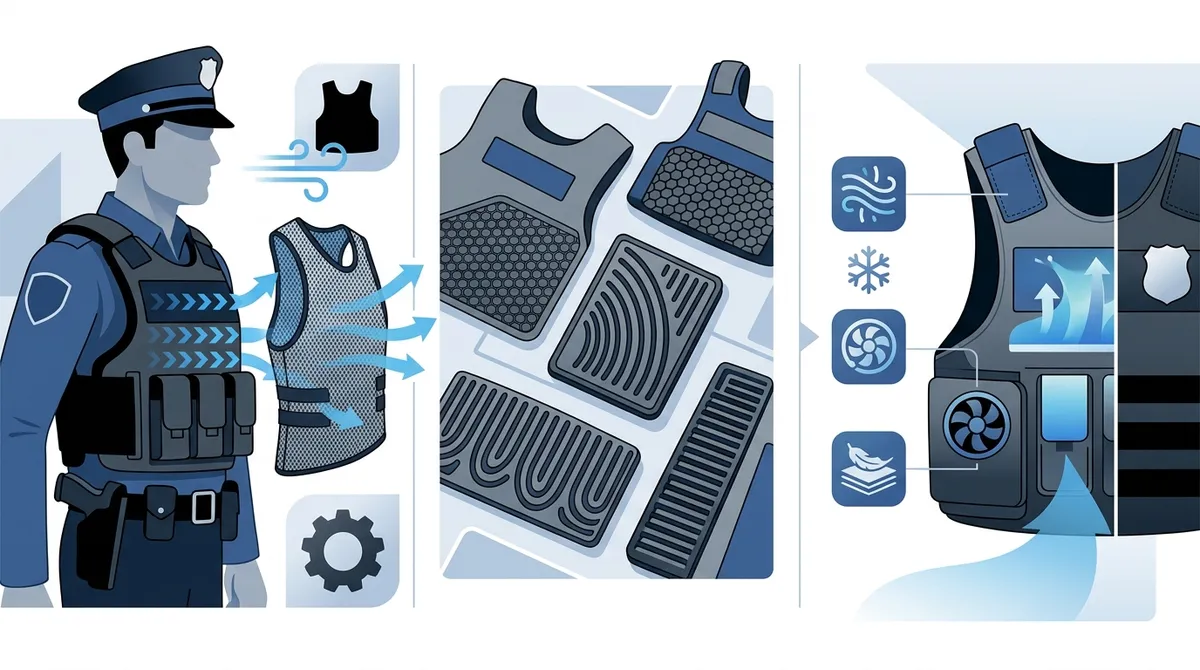
Before you buy anything, you need to know what’s available. Police patrol comfort gear in the ventilation world falls into two main categories: passive and active systems.
Passive Ventilation Vests
Passive vests use breathable, spacer fabrics to create an air gap between your body and your armor. They don’t use fans or power sources. Instead, they rely on natural convection to move heat and moisture away from your skin. These are lightweight, simple, and low-maintenance.
- Lightweight (some weigh only a few ounces)
- No batteries or charging required
- Easy to wear all shift without adjustment
- Great for moderate climates and everyday patrol
A great example is the Maxx-Dri Vest, which uses proprietary non-compressible, anti-bacterial fabric to provide 360° airflow. It’s GSA-approved for all U.S. military branches and has over 12,000 five-star ratings. You can explore more options like these at 10 Ballistic Vest Ventilation Solutions That Keep You Cool (2026).
Active Fan-Driven Cooling Systems
Active systems use small fans to push fresh air under your armor. They require a power source — usually a rechargeable battery — but they deliver significantly more cooling, especially on hot days.
- Fan-driven airflow for faster, stronger cooling
- Adjustable settings for different temperatures
- Can run for 8–32 hours depending on settings
- Ideal for high-heat environments and long shifts
The Blufano fan system is one of the top active cooling options available. It features a patented air-redirect spout that slides under any body armor style, with adjustable fan speed and a built-in 10,000mAh power bank that can also charge USB devices. It even has a forward-facing light for low-light situations — a genuinely useful bonus on night shifts.
| Type | Power Source | Cooling Duration | Best For | Price Range |
|---|---|---|---|---|
| Passive Ventilation Vest | None | All day | Moderate climates, everyday patrol | $30–$80 |
| Active Fan System | Rechargeable battery | 8–32 hours | Hot weather, long shifts, SWAT | $80–$200+ |
| Inflatable Air Gap Vest | Manual pump | On demand | Situational cooling, all armor types | $50–$100 |
Step 2: Check for Certifications and Approvals
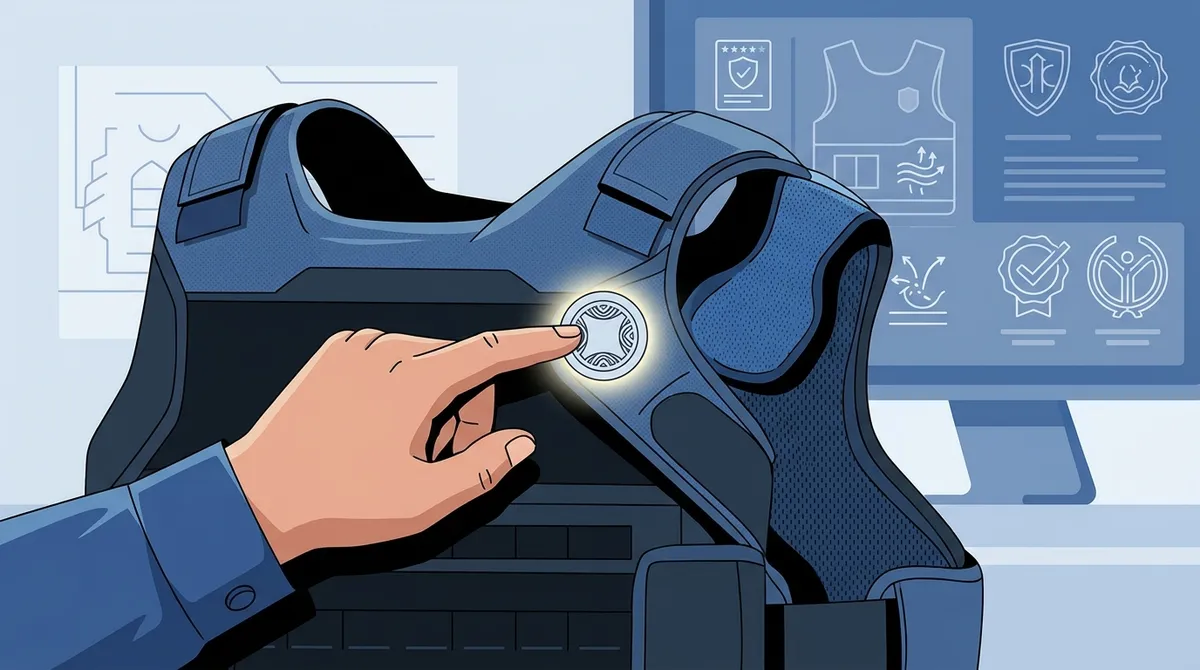
Not all patrol comfort gear is created equal. When you’re looking at ventilation vests, certifications matter a lot. They tell you the product has been tested and verified by credible organizations — not just by a marketing team.
Here are the key certifications to look for:
- GSA Approval — Confirms the product meets government procurement standards for U.S. military and law enforcement use
- NIJ Certification — The Body Armor Standards from the National Institute of Justice verify that a product doesn’t compromise ballistic protection. The Maxx-Dri Vest, for example, actually showed a 9.9% reduction in backface deformation in NIJ-certified lab testing
- NTOA Recommendation — The National Tactical Officers Association tests and recommends gear for law enforcement professionals
Gear with these certifications gives you peace of mind. You know it’s been put through its paces by people who take safety seriously. Always check the product page for certification badges before you buy. You can also read more about standards at Body Armor Ventilation: A Game Changer for Officers.
Step 3: Match Your Gear to Your Specific Needs
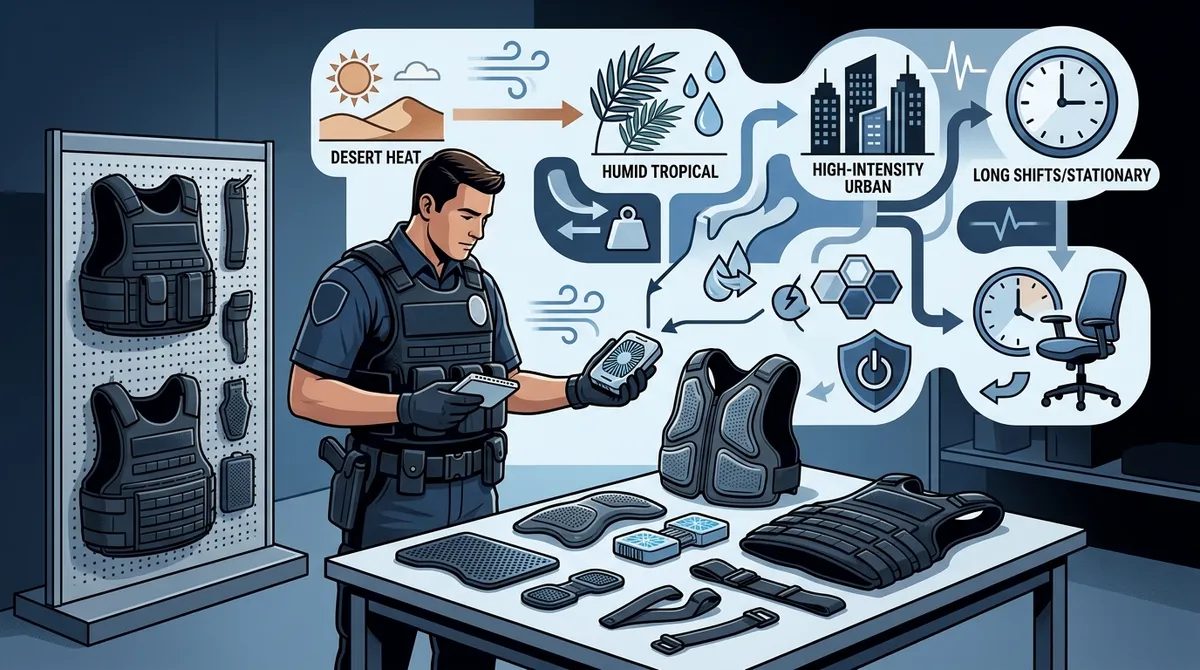
One size does not fit all in police patrol comfort gear. What works for a patrol officer in Minnesota won’t work the same way for someone patrolling in Florida in July. Think about your specific situation before choosing.
| Your Role | Key Challenge | Best Gear Type |
|---|---|---|
| Patrol Officer | Long shifts, moderate activity | Passive ventilation vest |
| SWAT / Tactical Unit | Heavy armor, intense ops | Active fan system + passive vest combo |
| Military Personnel | High heat, extended missions | Fan-driven system with long battery life |
| Security Professional | Indoor/outdoor climate variation | Adjustable ventilation vest |
| Emergency Responder | Extreme heat, protective gear | Active cooling with moisture management |
For most patrol officers, a combination approach works best. A passive ventilation vest handles everyday comfort, while an active system like the BluHalo ventilation vest gives you on-demand cooling when temperatures spike. BluHalo was created by a Chicago police officer who knew firsthand how brutal hot shifts can be. It weighs under 7 ounces, inflates to create a 1.5-inch air gap under your armor, and deflates flat when you don’t need it. That kind of flexibility is hard to beat.
Step 4: Evaluate Key Features Before You Buy
Once you know your gear type, dig into the specific features. Here’s what to prioritize when comparing products:
Weight and Profile
Heavy or bulky under-armor gear creates new problems while solving old ones. Look for options that are slim, lightweight, and won’t add noticeable bulk under your vest. The best passive vests weigh just a few ounces. Even active systems should be designed to sit close to the body without creating pressure points.
Airflow Coverage
Look for 360° airflow coverage when possible. Some vests only ventilate the front or back. The best designs — like the honeycomb mesh used in the MILITAUR Adjustable Ventilation Vest — create consistent airflow all around the torso. This reduces sweat, odor, and chafing much more effectively than spot-ventilation products.
Moisture Management
Ventilation and moisture-wicking work hand in hand. Look for anti-bacterial fabrics that pull sweat away from your skin while the airflow carries heat out. This combination keeps you feeling fresh even during intense activity. Explore moisture-wicking vests for body armor comfort to see your top options.
Durability and Warranty
Your patrol comfort gear takes a beating every shift. Look for products made from high-strength, durable materials. Some passive vests — like those from 221B Tactical — come with lifetime warranties, which says a lot about product confidence. The BluHalo vest uses double-layer high-strength, high-tensile polyethylene for long-lasting durability.
| Feature | Why It Matters | What to Look For |
|---|---|---|
| Weight | Affects comfort and mobility | Under 10 oz for passive; compact for active |
| Airflow Coverage | Determines cooling effectiveness | 360° or full torso coverage |
| Fabric Type | Moisture and odor control | Anti-bacterial, non-compressible spacer mesh |
| Battery Life (active) | How long cooling lasts on shift | 8+ hours minimum; 32 hours ideal |
| Warranty | Product confidence and longevity | Lifetime or multi-year warranty preferred |
Step 5: Read Real Reviews from Fellow Officers
Nobody knows patrol comfort gear better than the people who wear it every day. Before making a final decision, seek out reviews from other officers, security professionals, and military personnel. Look for feedback on real-world use — not just lab testing or manufacturer claims.
Products with thousands of verified reviews give you much more confidence than those with only a handful of testimonials. The Maxx-Dri Vest, for example, has over 12,000 five-star ratings from real users in law enforcement and military roles. That kind of social proof matters. You can also check out real customer reviews on the BluHalo website to hear from officers who’ve made the switch.
Pay special attention to reviews that mention long shifts, hot weather, and high-activity scenarios. Those are the conditions most similar to real patrol duty. If officers are saying they used it through a 12-hour shift in 95-degree heat and felt the difference — that’s the feedback you want.
Step 6: Consider Bundling for Maximum Comfort
If you really want to tackle heat and moisture from every angle, consider bundling a passive vest with an active fan system. This gives you baseline airflow all shift long, plus powerful on-demand cooling when you really need it.
The BluHalo shop offers the option to bundle the BluHalo vest and Blufano fan system together at a discount. This combination gives you a lightweight inflatable air gap vest plus a fan-driven active cooling unit — covering you for everything from a quiet morning patrol to a high-intensity afternoon call.
Think of it like having both a ceiling fan and an air conditioner in your home. The ceiling fan handles everyday comfort. The AC kicks in when things get really hot. That layered approach is how the pros do it. Learn more about passive vs. active cooling for police body armor to decide what combo is right for you.
Common Mistakes to Avoid When Choosing Patrol Comfort Gear
Even with the best intentions, officers sometimes make gear choices they regret. Here are the most common mistakes to avoid:
- Choosing based on price alone — Cheap gear often fails quickly or doesn’t perform under real patrol conditions
- Ignoring fit — A ventilation vest that doesn’t sit properly under your armor won’t create the airflow you need
- Skipping certifications — Uncertified gear may compromise your ballistic protection
- Not testing in your actual environment — What works in a cool office won’t always work on a summer patrol route
- Overlooking moisture management — Airflow alone isn’t enough; you need anti-bacterial, moisture-wicking properties too
For a deeper dive into these pitfalls, check out 7 Mistakes to Avoid When Choosing a Cooling Vest Under Body Armor.
Your Comfort on Patrol Is Worth the Investment
Here’s the bottom line: you do an incredibly demanding job, and you deserve gear that supports your performance. The right police patrol comfort gear — especially a quality ventilation vest — can transform your shift from miserable to manageable. You’ll think more clearly, move more confidently, and finish your day with energy to spare.
Whether you go with a simple passive ventilation vest or invest in a full active cooling system like the Blufano, the key is making an informed choice based on your specific needs, environment, and budget. Don’t settle for suffering through the heat when proven solutions are available and affordable.
Ready to find the right gear for your shift? Reach out to our team at BluHalo — we’re happy to help you figure out the best ventilation solution for your patrol setup. You’ve got enough to worry about out there. Staying cool shouldn’t be one of them.
FAQs
Q: What is the best ventilation vest for police patrol comfort in 2026?
A: In 2026, top options include the BluHalo inflatable ventilation vest and the Blufano active fan system. Both were designed specifically for law enforcement officers and offer proven heat relief during long patrol shifts. Bundling both together gives you the most complete cooling solution under your body armor.
Q: Do ventilation vests really reduce sweat and chafing under body armor?
A: Absolutely! Quality ventilation vests use anti-bacterial, moisture-wicking spacer fabrics that create an air gap between your skin and your armor. This airflow reduces sweat buildup, minimizes odor, and prevents the chafing that comes from armor rubbing directly against damp skin all shift long.
Q: Are police patrol ventilation vests safe to wear with ballistic armor?
A: Yes, and certifications back this up. The NIJ-certified Maxx-Dri Vest actually showed a 9.9% reduction in backface deformation in lab testing, meaning it doesn’t compromise your protection. Always look for NIJ-certified or NTOA-recommended products to make sure your ballistic vest still performs as designed.
Q: How long does an active fan cooling system last on a full patrol shift?
A: Active fan systems like the Blufano can run for 8 to 32 hours depending on your speed settings, making them more than capable of covering a standard 8 or 12-hour patrol shift. The built-in 10,000mAh power bank also lets you charge other USB devices, which is a handy bonus during long duty days.
Q: Can ventilation vests fit under any style of body armor?
A: Most quality ventilation vests are designed to fit under a wide range of body armor styles, including soft armor carriers, plate carriers, and tactical vests. Products like the Blufano feature a patented air-redirect spout that slides under any armor style, and the BluHalo inflatable vest sits flat when deflated so it works discreetly under any carrier.