Key Takeaways
-
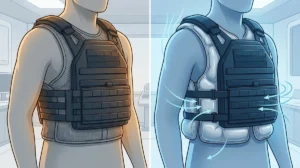
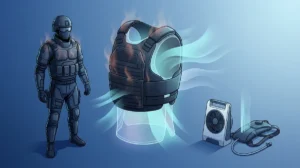
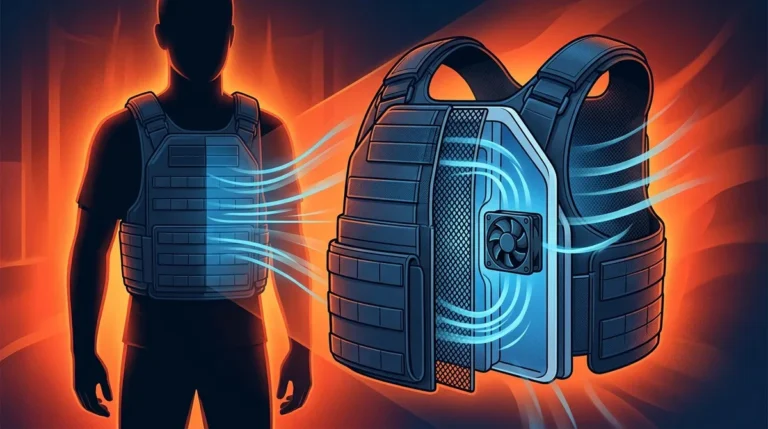
Body armor without cooling can raise skin temperature up to 21 degrees above ambient in just 10 minutes; match your ventilation system type (passive for mild climates, active for extreme heat/long shifts) to your actual working conditions to prevent heat exhaustion and heat stroke.
-
Proper fit is critical — ventilation systems must create a 1-5 inch air gap between your body and armor; a loose or tight fit collapses this gap and eliminates cooling effectiveness, so always test fit with your actual body armor.
-
Active fan-based cooling systems are essential for high-intensity operations, extended patrol shifts, and extreme heat; passive systems alone are insufficient for 12+ hour shifts in 95-degree temperatures.
-
Regular maintenance directly impacts performance — clean ventilation channels after each shift, inspect spacers for compression damage, charge fan units fully before duty, and replace moisture-wicking fabrics when effectiveness decreases.
-
Verify real user reviews from professionals in similar roles before purchasing; marketing claims don't reflect actual conditions, and feedback from officers on 8+ hour shifts reveals true comfort and durability performance.
-
Don't delay upgrading if you're experiencing heat stress symptoms like excessive sweating, dizziness, or difficulty concentrating; modern vest ventilation technology in 2026 has improved dramatically with systems like BluFano offering 8-32 hours of runtime.
If you wear body armor for work, you already know the struggle. Heat builds up fast. Sweat soaks through your uniform. After a few hours, it feels like you’re trapped in a sauna. A good vest ventilation system can fix all of that — but only if you use it the right way.
Too many officers, soldiers, and security professionals make avoidable mistakes when choosing or using their cooling gear. These mistakes lead to wasted money, poor comfort, and even heat-related health risks. According to the OSHA Heat Stress Guide, prolonged heat exposure can cause serious conditions like heat exhaustion and heat stroke — risks that are very real for anyone wearing body armor in warm conditions.
In this guide, we’ll walk through seven common vest ventilation mistakes and show you exactly how to avoid them. Whether you’re new to body armor cooling or looking to upgrade your current setup, this article is for you. Let’s keep you cool, comfortable, and focused on the job.
Mistake #1: Choosing the Wrong Type of Ventilation System
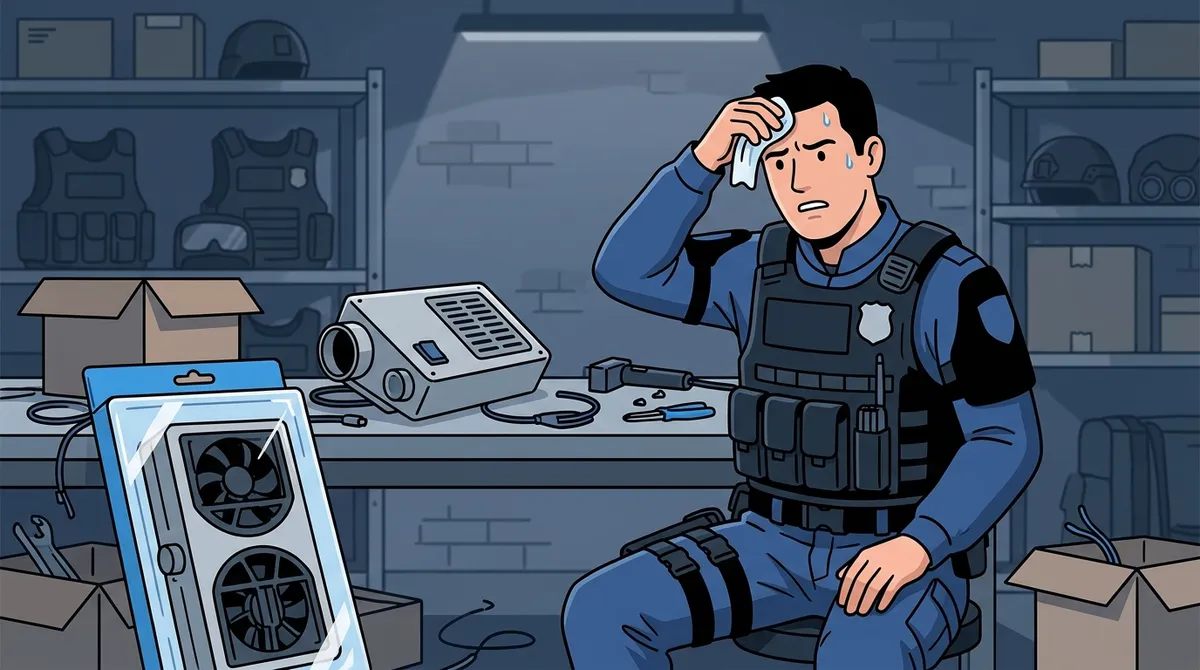
Not all vest ventilation systems are created equal. There are two main types: passive and active. Passive systems use spacers, channels, and moisture-wicking fabrics to create airflow naturally. Active systems use fans or liquid cooling to push air under your armor.
Choosing the wrong type for your environment is one of the most common mistakes. A passive system might work fine in mild weather, but if you’re on a 12-hour shift in 95-degree heat, you need something stronger. Check out the best vest cooling systems available in 2026 to compare your options side by side.
| System Type | How It Works | Best For | Limitations |
|---|---|---|---|
| Passive (Spacer/Channel) | Creates physical gap for natural airflow | Mild climates, light duty | Less effective in extreme heat |
| Active (Fan-Based) | Uses battery-powered fans to circulate air | Long shifts, hot environments | Requires charging |
| Liquid Cooling | Pumps cool water through pads | Extreme heat missions | Heavier, more complex setup |
| Phase-Change Material | Absorbs and releases body heat | High-intensity operations | Limited reusability |
Take time to match your system to your actual working conditions. Your comfort and safety depend on it.

Mistake #2: Ignoring the Importance of Proper Fit
A vest ventilation system only works when it fits correctly. If your ventilation layer is too loose or too tight, it can’t create the airflow gap it’s designed for. This is a mistake that many first-time buyers make — they focus on features but forget about fit.
A well-designed system like the BluHalo ventilation vest is built to sit flat and unobtrusive under armor. When inflated, it lifts the vest up to 1.5 inches off the body to create a cooling air gap. That gap is what makes all the difference. If the fit is off, that gap collapses — and so does your cooling.
Here’s what to check when fitting your ventilation system:
- Make sure the system lies flat against your torso before inflation
- Check that it doesn’t bunch or fold under your armor
- Confirm the airflow channels align with your chest and back panels
- Ensure the system stays in place during movement
- Test the fit with your actual body armor, not just on its own

Mistake #3: Underestimating Heat Stress Risks
Some professionals think heat discomfort is just part of the job. It’s not — it’s a real safety hazard. Body armor without cooling can rise up to 21 degrees above ambient temperature during just a 10-minute fitness test. That’s a significant heat load on your body over an entire shift.
The Body Armor Standards from the NIJ focus on ballistic protection, but thermal management is equally important for officer performance and safety. Learning how to prevent heat stress while wearing body armor should be a priority for every officer and tactical professional.
Symptoms of heat stress include:
- Excessive sweating and rapid heart rate
- Dizziness or lightheadedness
- Difficulty concentrating on tasks
- Muscle cramps or weakness
- Nausea or headaches
A reliable vest ventilation system reduces these risks by keeping your body cooler and drier throughout your shift.

Mistake #4: Skipping Active Airflow When You Need It Most
Passive ventilation has its place, but there are situations where only active airflow will do. High-intensity operations, extended patrol shifts, and extreme heat environments all demand more than a simple spacer layer. Skipping an active fan system in these conditions is a costly mistake.
The BluFano active ventilation system is a great example of what active cooling can do. It features a patented air-redirect spout that slides under any style of body armor and delivers adjustable fan-driven airflow for 8 to 32 hours, depending on the setting. It also includes a built-in 10,000mAh power bank that can charge other USB devices — a handy bonus on long shifts.
If you’re still unsure whether active cooling is right for you, explore 10 ballistic vest ventilation solutions available in 2026 for a complete breakdown of your options.
Mistake #5: Not Maintaining Your Ventilation Vest
Even the best vest ventilation system will fail if you don’t take care of it. Sweat, dirt, and daily wear can clog ventilation channels, damage moisture-wicking fabrics, and reduce overall performance. Many users neglect maintenance simply because they don’t know what to do.
Follow these steps to keep your system in top shape:
- Clean regularly: Follow the manufacturer’s washing instructions. Most ventilation liners can be hand-washed or machine-washed on a gentle cycle.
- Inspect channels and spacers: Check for compression or damage that could reduce airflow after each shift.
- Charge fan units: If you use an active system, charge batteries fully before each shift so you don’t run out of cooling mid-duty.
- Store properly: Keep your system in a dry, cool place away from direct sunlight to extend its lifespan.
- Replace worn components: Moisture-wicking fabrics lose effectiveness over time. Replace them when you notice reduced performance.
Mistake #6: Buying Without Checking Real User Reviews
Marketing claims are everywhere. Every product promises to be the coolest, lightest, and most effective. But the real truth comes from people who actually wear these systems on the job every day. Skipping user reviews is a mistake that leads to disappointment.
Officers who’ve used BluHalo describe dramatic comfort improvements during 12-hour shifts in extreme heat. Real-world testimonials matter because they reflect actual conditions — not controlled lab tests. Before you buy, check out genuine customer reviews from law enforcement and security professionals.
Here’s a quick comparison of what to look for in user reviews:
| Review Factor | Why It Matters | What to Look For |
|---|---|---|
| Comfort during long shifts | Most relevant to daily use | Reviews from 8+ hour shift wearers |
| Heat reduction effectiveness | Core purpose of the system | Specific temperature or sweat comparisons |
| Durability over time | Protects your investment | Reviews from users after 6+ months |
| Ease of use | Affects daily compliance | Comments on setup and maintenance |
Mistake #7: Waiting Too Long to Upgrade
This might be the biggest mistake of all. Many officers and tactical professionals know they’re overheating, but they put off finding a solution. They think they can tough it out, or they’re waiting for the perfect moment to buy. Meanwhile, heat is affecting their focus, energy, and safety every single shift.
The Maxx-Dri Vest has already been adopted by over 250,000 police officers, soldiers, and security operators — proof that the demand for quality vest ventilation systems is real and growing. The technology has improved dramatically in 2026, and there’s no reason to keep suffering through hot shifts without cooling support.
If you’re ready to take that step, here’s how to choose the right body armor ventilation vest in 2026. You can also browse the full lineup at the BluHalo shop to find the right system for your needs and budget.
Comparing the Top Vest Ventilation Options in 2026
To help you make the best decision, here’s a side-by-side comparison of leading vest ventilation system options available today.
| Product | Type | Key Feature | Best For | Runtime |
|---|---|---|---|---|
| BluHalo Ventilation Vest | Inflatable passive | On-demand 1.5″ air gap | Daily patrol officers | No battery needed |
| BluFano Fan System | Active fan | 8–32 hour adjustable airflow | Long shift professionals | 8–32 hours |
| Maxx-Dri Vest 4.0 | Passive spacer | 8mm polymer channels | Military & security | No battery needed |
| Liquid Cooling (LCPC) | Active liquid | 32° drop in 2 minutes | Extreme heat missions | Varies by reservoir |
For a deeper look at how these systems compare, read about how body armor ventilation is a game changer for officers. You might also want to explore optimal cooling for tactical vests to understand what features matter most for your specific role.
How to Choose the Right System Without Making These Mistakes
Now that you know what to avoid, here’s a simple process for choosing the right vest ventilation system the first time:
- Assess your environment: How hot is your typical working environment? How long are your shifts? This determines whether passive or active cooling is right for you.
- Know your armor: Different body armor styles require different ventilation approaches. Check compatibility before you buy. Learn more about what vest ventilation is and why you need it.
- Set a budget: Quality systems range from affordable passive liners to premium active units. Bundle deals — like combining the BluHalo and BluFano — can offer the best value.
- Read real reviews: Prioritize feedback from professionals in roles similar to yours — not just general users.
- Try before committing to a full kit: Start with one product and assess comfort before adding more components to your setup.
Want more guidance? Check out how to choose the best police vest ventilation system for a step-by-step buying guide tailored to law enforcement needs.
Final Thoughts: Stay Cool, Stay Safe
Wearing body armor is non-negotiable for many professionals. But suffering through the heat and sweat that comes with it? That part is optional. A quality vest ventilation system can transform your daily comfort, reduce heat-related risks, and help you stay sharp and focused throughout your entire shift.
Avoid the seven mistakes we’ve covered here — wrong system type, poor fit, ignoring heat stress, skipping active cooling, neglecting maintenance, bypassing real reviews, and waiting too long to act. Each one of these mistakes costs you comfort, performance, and potentially your health.
You put yourself on the line every day. The least you deserve is to stay cool while doing it. Ready to find the right solution for your needs? Get in touch with the BluHalo team — we’re here to help you find the perfect vest ventilation setup for your role, your environment, and your budget.
FAQs
Q: What is a vest ventilation system and how does it work under body armor?
A: A vest ventilation system is a layer worn between your body and your armor to create airflow and reduce heat buildup. It works by creating a physical gap — either through inflatable channels, spacers, or fan-driven airflow — so sweat and trapped heat can escape instead of building up against your skin. Think of it as giving your body a little breathing room, even under all that protective gear!
Q: What’s the difference between passive and active vest ventilation systems?
A: Passive systems use physical spacers, channels, or moisture-wicking fabrics to promote natural airflow without any power source. Active systems, like the BluFano, use battery-powered fans to continuously circulate fresh air under your armor for hours at a time. If you work long shifts or in extreme heat, an active system usually gives you a much bigger comfort boost.
Q: Can a vest ventilation system really reduce heat stress risks for officers?
A: Absolutely! Body armor without cooling can trap heat and raise your skin temperature significantly over even a short workout or patrol. A good vest ventilation system helps wick away moisture and move air so your body can regulate its temperature more effectively. It’s not just about comfort — it’s a genuine safety tool that helps keep you sharp and healthy on the job.
Q: How long do active vest ventilation systems last on a single charge?
A: It depends on the system and the fan speed setting you use. The BluFano, for example, can run for 8 to 32 hours on a single charge depending on your airflow setting — plenty for even the longest shifts. Always charge your unit fully before your shift and keep an eye on battery levels if you’re working an extended operation.
Q: Is a vest ventilation system compatible with all types of body armor?
A: Most modern vest ventilation systems are designed to work with a wide range of soft and hard body armor styles, including concealable vests and tactical carriers. That said, it’s always smart to check the product specs and try the fit with your specific armor before committing. Systems like the BluHalo are built to sit flat and unobtrusive, making them compatible with most standard duty vests.