Key Takeaways
-
Decibel ratings alone are misleading—verify the distance, fan speed, and test environment before trusting noise claims, and always conduct your own real-world trial under full gear before purchasing.
-
Proper fit under armor is critical for cooling effectiveness; air must flow freely in and out, so test that nothing pinches, shifts, or restricts airflow at the collar or hem before each shift.
-
Battery runtime varies dramatically by fan speed and usage pattern; using intermittent bursts instead of continuous operation can extend runtime from 10 hours to 25+ hours while maintaining similar cooling.
-
Cooling fans are auxiliary tools that complement hydration, rest breaks, and heat-safety training—they have limits in high humidity and extreme exertion and should never replace core heat illness prevention strategies.
-
Choose the right fan speed for your situation: low for stealth work with extended runtime, medium for balanced patrol conditions, and high only for peak heat during short bursts.
-
Verify durability features before buying: secure battery placement, sweat resistance, easy cleaning capability, and glove-compatible controls prevent equipment failure during critical moments.
If you wear body armor for a living, you know the feeling. Your shirt is soaked by mid-shift, your back is hot, and all you want is a little fresh air. A fan sounds like the perfect fix. But then you remember the problem: what if it hums like a box fan in a quiet hallway?
That worry is fair. A quiet cooling fan for body armor can be a great tool, but only if you pick and use it the right way. Many people buy the wrong one, wear it the wrong way, or expect too much from it. Then they blame the whole idea.
This guide walks you through five common mistakes, in plain and friendly language. We will cover how these fans work, what to check before you buy, and how to get the most from yours. Whether you patrol a beat, guard a building, or respond to emergencies, you will leave with clear steps to stay cooler and more focused. Let’s dive in.
What a Quiet Cooling Fan for Body Armor Actually Does
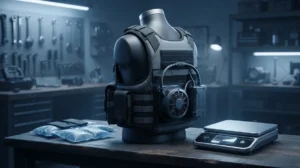
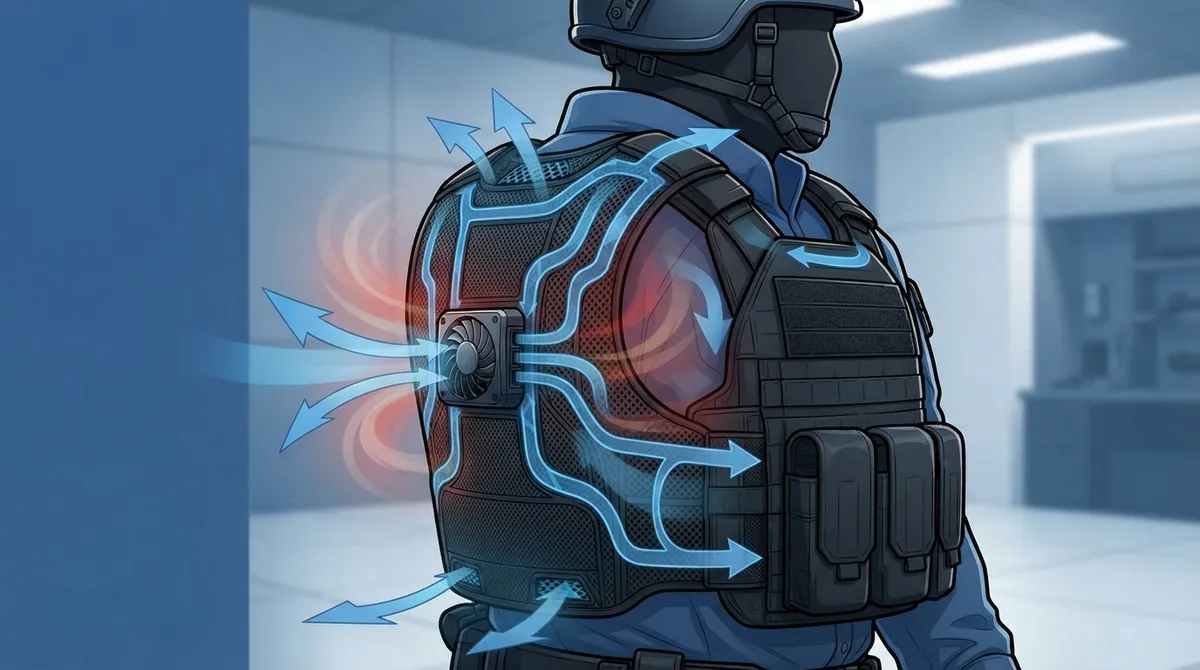
A quiet cooling fan for body armor is a small, battery-powered blower. It moves air through the space between your body and your vest. That moving air helps sweat dry and lets trapped heat escape.
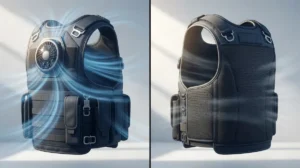
This is different from a passive ventilation vest. A passive design creates an air gap, but it has no motor or battery. A powered fan adds forced airflow on top of that. If you want the deeper science, this guide on how an active cooling system works in ventilation vests breaks it down nicely.
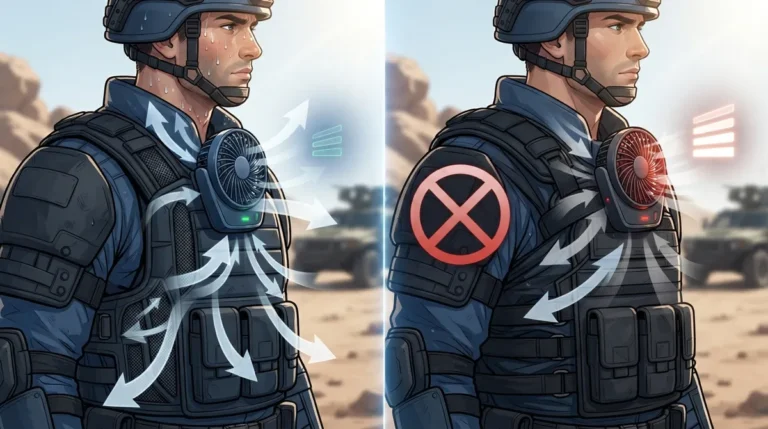
Here is the key idea. Fans do not chill the air. They move it. Sweat evaporating off your skin is what does the cooling. So airflow, fit, and humidity all matter as much as the fan itself.
Why Noise Matters on Duty
Noise is not just about comfort. Officers need to hear radios, voices, and their surroundings. Security teams and tactical units may need to stay quiet on purpose. A loud fan can be a distraction or even a safety issue.
The trade-off is simple. Noise, airflow, weight, and battery life are all linked. A slower fan is usually quieter and lasts longer, but it moves less air. Good design tries to balance all four.

Mistake 1: Trusting a Decibel Number Without Context
Many product pages boast about a low decibel rating. That sounds helpful, but a number alone tells you very little. Some commercial fan-vest listings claim about 40 to 55 dB at full speed. Those are general vendor figures for fan vests, not verified specs for armor-compatible products.
Before you trust any noise claim, ask a few questions:
- At what distance was the sound measured?
- Which fan speed was used during the test?
- Was the fan tested inside a vest or out in the open?
- Was the room quiet, or was there background noise?
Sound also changes once a fan sits under armor. The vest can muffle it, or it can make it rattle. So the best test is your own ears during a real trial. Try the fan at low, medium, and high settings while wearing your full setup.
A Simple Way to Compare Noise
Sit in your vehicle or a quiet room with the fan running under your gear. Have a friend stand about an arm’s length away. If they can hear it clearly over normal talking, it may be too loud for stealth work. Repeat the test at each speed so you know your options.
Mistake 2: Ignoring How the Fan Fits Under Your Armor
A fan is only useful if air can get in and out. If the fan sits in the wrong spot, or your vest hugs your body too tight, the air has nowhere to go. Then you hear the fan working but feel almost no cooling.
Fit matters for safety too. A cooling accessory should never change how your armor sits or reduce coverage. Always check that the system does not interfere with your protective fit or required gear. The National Institute of Justice body armor resources are a solid place to learn about armor standards and proper wear.
Here is a quick fit check to run before every shift:
- Put on your carrier and armor as you normally would.
- Slide the fan or air-redirect spout into place under the vest.
- Check that nothing pinches, shifts, or pokes you.
- Move around, sit in your car, and reach for your gear.
- Confirm air can flow in and escape at the collar or hem.
This is where Blufano stands out. It uses a patented air-redirect spout that slides under any style of body armor, and an optional strap keeps it secure. That design is built to send air where you need it, not just spin it in place.
Mistake 3: Expecting the Fan to Work Miracles in Every Condition
Fans help, but they have limits. In very humid weather, sweat does not dry as well, so cooling drops. During hard exertion, your body makes more heat than a small fan can remove. That does not mean the fan failed. It means the conditions were tough.
Government safety groups say the same thing. NIOSH describes air-cooled garments and similar tools as auxiliary options for workers in heat-heavy protective gear. In its 2017 research summary, people wearing cooling vests had smaller rises in body temperature and heart rate than people without one during treadmill testing. That summary covered several cooling types, not just fan vests, but it shows that personal cooling can make a real difference.
A fan should be one layer in a bigger plan. Cooling gear does not replace hydration, rest breaks, or heat-safety training. The OSHA heat stress guidance covers those basics well. For more on the full picture, see this article on how to prevent heat stress while wearing body armor.
Smart Habits That Boost Any Fan
- Drink water before you feel thirsty.
- Wear a moisture-wicking base layer under your vest.
- Use vehicle air conditioning to cool down between calls.
- Take shade or rest breaks when you can.
- Learn the early signs of heat illness, like dizziness and cramps.
Mistake 4: Overlooking Battery Life and Power Settings
A quiet fan that dies at hour four is not much help on a twelve-hour shift. Yet many buyers never check runtime, or they assume the number on the box will match real life. It rarely does. Runtime depends on fan speed, temperature, and battery health.
Here is a helpful example of why settings matter. A 2026 conference paper on an active ventilated vest reported that running the fan in short bursts stretched battery life from about 10 hours to about 25 hours. Skin temperature stayed similar to continuous ventilation and was lower than with no ventilation. That is one study, not a promise for every product. Still, it shows that smart power use can go a long way.
| Setting Choice | Typical Effect on Noise | Typical Effect on Battery | Best For |
|---|---|---|---|
| Low speed | Quieter | Longer runtime | Stealth work, mild heat |
| Medium speed | Moderate | Balanced runtime | Everyday patrol |
| High speed | Louder | Shorter runtime | Peak heat, short bursts |
| Intermittent use | Quiet in off cycles | Much longer runtime | Long shifts |
Blufano gives you adjustable fan-driven airflow for roughly 8 to 32 hours, depending on the setting. It also has a built-in 10,000mAh power bank that can charge your USB devices in a pinch. It even includes a forward-facing light for hands-free use in low light. That flexibility lets you match power to the moment instead of guessing.
Mistake 5: Forgetting About Durability, Cleaning, and Safety
Duty gear takes a beating. Sweat, dust, bumps, and daily wear can wear out flimsy parts fast. A fan that cracks or a battery that slips loose is more than annoying. It can snag on gear or get in your way at the wrong moment.
Before you buy, think about these points:
- Is the battery held securely in place?
- Can the unit handle sweat and daily wear?
- Is it easy to wipe clean between shifts?
- Does it avoid sharp edges that could snag or dig in?
- Are the controls simple enough to use with gloves?
Cleaning matters too. Sweat and salt build up over time, and that can cause odor and skin irritation. Wipe the unit down, let it dry, and keep your vest clean. Good habits keep your gear working longer and keep you more comfortable.
Powered Fan or Passive Vest: Which Should You Choose?
Passive vests have a quiet edge because they have no motor. They also have no battery to charge. But they rely only on the air gap and natural movement, so they cannot push air on hot, still days. Powered fans add active airflow, but they add a little noise and need power.
Many people get the best of both worlds by combining the two. A lift system creates space, and a fan moves air through it. That is exactly the idea behind pairing BluHalo and Blufano. To weigh the pros and cons in more detail, read passive vs. active tactical vest ventilation.
| Feature | Passive Ventilation Vest | Powered Fan System |
|---|---|---|
| Noise | None | Low to moderate, depends on speed |
| Power needed | No | Yes, battery powered |
| Airflow in still air | Limited | Strong and adjustable |
| Maintenance | Very simple | Charging and cleaning |
| Best use | Mild heat, quiet work | Hot, long shifts |
Why BluHalo and Blufano Make a Smart Team
If you want a quiet, dependable way to stay cool, consider using both of BluHalo’s products together. BluHalo is a lightweight ventilation vest that weighs under 7 ounces. It sits flat under your armor when deflated. When you need relief, you inflate it with a small pump and lift the vest up to about 1.5 inches off your body. A button lets you deflate it fast.
That gap gives air room to move. Then Blufano’s fan pushes fresh air through the space, helping heat and moisture escape. BluHalo was created by a Chicago police officer who knew the misery of long, hot shifts firsthand. Officers have shared how it helped during 12-hour days in 95-degree weather.
You can buy each product on its own or bundle them at a discount. The BluFano vs BluHalo comparison helps you decide where to start. Real-world feedback is also available on the reviews page.
A Quick Buying Checklist
- Ask for noise data with distance and fan speed listed.
- Check that it fits under your specific armor carrier.
- Look at real runtime at your typical fan setting.
- Confirm the build is durable and easy to clean.
- Pair it with smart heat-safety habits.
If you are still shopping, this guide on how to pick a cooling fan system for body armor is a helpful next read. And for a look at what to avoid, check out 7 body armor cooling fan mistakes you must avoid.
One more friendly tip for the hot months. If you enjoy staying cool at home too, our friends at Panther Pools can help you build a backyard spot to unwind after a long, sweaty shift.
Stay Cool, Stay Sharp
Choosing a quiet cooling fan for body armor does not have to be hard. Avoid the five mistakes we covered: trusting noise numbers without context, ignoring fit, expecting miracles, skipping battery checks, and overlooking durability. Do that, and you will be far ahead of most buyers.
Remember that cooling gear works best as part of a bigger plan with water, rest, and good habits. And when you are ready for a proven option, BluHalo and Blufano are built to keep you cooler, drier, and more focused all shift long. Have questions about which setup fits your gear? Get in touch with the BluHalo team and we will happily help you find your best fit.
FAQs
Q: How does a fan ventilation vest cool someone wearing body armor?
A: A small battery-powered fan pushes air through the space between your body and your armor. That moving air helps your sweat dry and lets trapped heat escape. It works best when air has a clear path to flow in and out.
Q: What is the quietest cooling fan for body armor, and how is its noise measured?
A: There is no single universal winner, because noise depends on fan speed, fit, and how it is tested. Always look for the measuring distance and fan setting behind any decibel claim. The best test is trying it yourself under your full gear.
Q: How long does a battery-powered armor cooling fan run on one charge?
A: Runtime varies a lot by model and fan speed. Lower speeds and intermittent use can stretch battery life quite a bit. Blufano, for example, offers roughly 8 to 32 hours depending on the setting you choose.
Q: Are passive ventilation vests quieter than fan-powered systems?
A: Yes, passive vests make no motor noise because they have no fan. The trade-off is less airflow on hot, still days. Many people pair a passive lift like BluHalo with a quiet fan like Blufano for the best mix of comfort and cooling.
Q: Can a ventilation vest fit under a body armor carrier?
A: Yes, many are designed to sit under armor without changing your protective fit. BluHalo weighs under 7 ounces and lies flat when deflated, and Blufano’s spout slides under any style of body armor. Always confirm that nothing interferes with your armor’s coverage.