Key Takeaways
-
Combine a ventilation vest with smart habits like hydration, shade breaks, and moisture-wicking layers for optimal cooling—a vest alone isn't magic but part of a bigger heat management plan.
-
Active fan-powered systems (like Blufano) outperform passive options in extreme heat and long shifts, delivering continuous airflow for up to 32 hours on a single charge.
-
Drink about 8 ounces of water every 15-20 minutes during moderate heat work; add electrolytes for shifts lasting several hours, but never exceed 1.5 quarts per hour.
-
Ventilation vests work best in dry heat where sweat evaporates easily; in humid climates, increase breaks and hydration frequency since evaporative cooling becomes less effective.
-
Ensure proper fit by keeping the vest snug but not tight, and check that backpacks, belts, or jackets don't block air inlets or fan vents before each shift.
-
Recognize heat illness warning signs immediately—confusion, fainting, seizures—and move to cool areas with water or wet towels while calling emergency services; don't tough it out.
If you’ve ever finished a shift soaked in sweat with your uniform stuck to your back, you already know the struggle. Wearing body armor in the heat is tough, and finding the best way to cool down wearing a vest can feel like a never-ending search. The good news? You’re not alone, and there are real solutions that actually work. Whether you’re a patrol officer baking in a squad car, a soldier on a long mission, or a security guard standing post in the sun, this guide is for you.
We’re going to walk through the smartest ways to beat the heat while wearing protective gear. We’ll compare cooling methods, share tips backed by real safety guidance, and show you how a good ventilation vest can be a total game-changer. By the end, you’ll know exactly what to look for and how to build a cooling routine that keeps you sharp, safe, and comfortable no matter how hot it gets.

Why Staying Cool Under a Vest Is Harder Than It Looks
Body armor is amazing at protecting you. But it’s also really good at trapping heat. Think of it like wearing a heavy blanket that doesn’t let air move. Your body naturally cools itself by sweating, but if that sweat can’t evaporate, it just sits there making you hotter and more uncomfortable.
This is a real problem for law enforcement, military members, and first responders who can’t just take their gear off when things heat up. Heat buildup under a vest can lead to fatigue, slower reaction times, and even serious heat illness. According to the OSHA Heat Stress Guide, heat stress can impair judgment and physical performance long before someone even realizes they’re overheating.
Best Way to Cool Down Wearing a Vest: The Short Answer
The best way to cool down wearing a vest is to combine active airflow with smart habits. That means using a ventilation vest to move air across your body, plus staying hydrated, taking breaks in the shade, and wearing breathable layers underneath. A cooling vest alone isn’t magic. It works best as part of a bigger plan to manage heat.
This is exactly why products like the BluHalo ventilation vest were designed. Created by a Chicago police officer who got tired of sweating through every shift, BluHalo lifts your body armor slightly off your skin, creating a gap for air to move through. It’s a simple idea that makes a huge difference.
How Ventilation Vests Actually Work
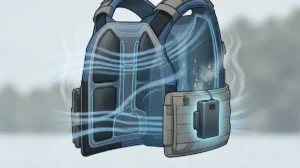
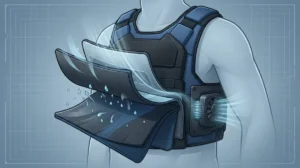
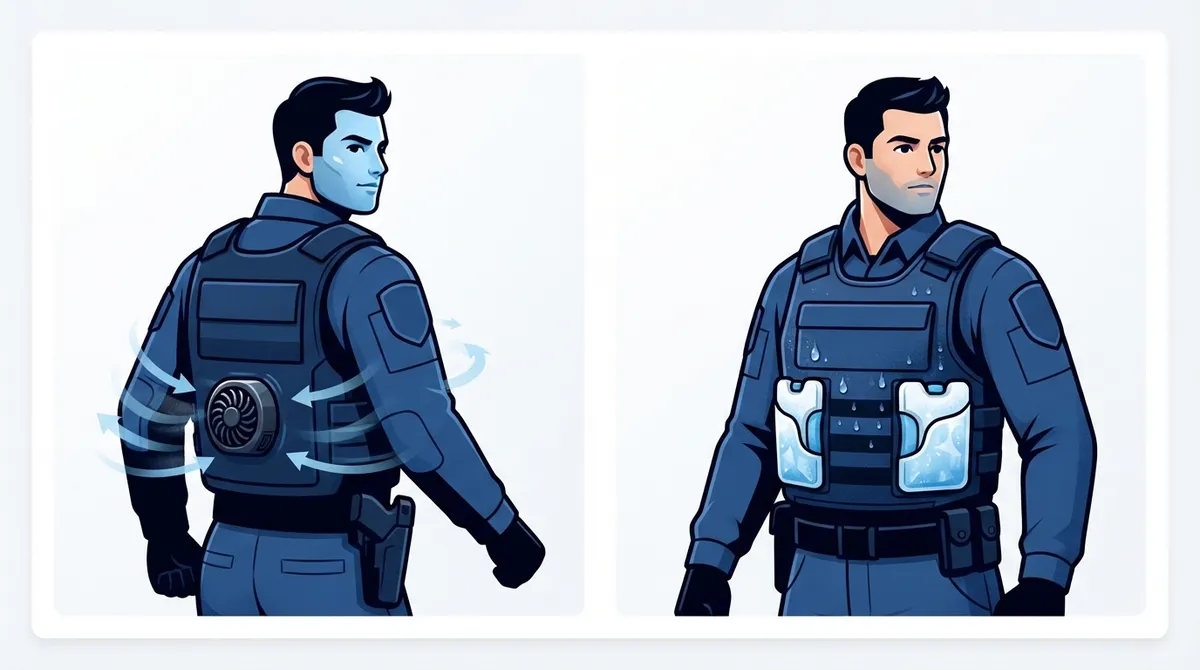
Ventilation vests work by creating space between your skin and your body armor. This gap lets air flow freely, which helps sweat evaporate and heat escape. Some vests use passive designs, like mesh panels or inflatable inserts. Others use active airflow, like small fans that push fresh air where you need it most.
For example, the Blufano fan system takes things a step further. It’s a self-contained unit that slides under your vest and delivers adjustable fan-powered airflow for up to 32 hours on a single charge. It even has a built-in power bank to charge your phone and a light for low-visibility situations. That’s a serious upgrade for anyone pulling long shifts in hot weather.
Comparing Cooling Methods: Which One Wins?
Not all cooling solutions are created equal. Some work better in certain conditions than others. Here’s a breakdown to help you figure out what fits your situation best.
| Cooling Method | Best For | Pros | Cons |
|---|---|---|---|
| Inflatable Ventilation Vest (like BluHalo) | Daily patrol, long shifts | Lightweight, cooling-on-demand, low profile | Needs manual inflation |
| Active Fan System (like Blufano) | Extreme heat, extended missions | Continuous airflow, powers devices, long battery life | Slightly bulkier setup |
| Ice Packs / Phase Change Vests | Short bursts of intense heat | Fast initial cooling | Melts quickly, adds weight, needs freezer access |
| Mesh or Passive Vents | Mild climates, light duty | No batteries needed, simple design | Limited cooling in humid or extreme heat |
As you can see, active airflow systems tend to outperform passive options when things get really hot. That’s why so many officers and soldiers are switching to fan-powered or inflatable ventilation systems. If you want to dig deeper into this comparison, check out our breakdown of passive vs. active tactical vest ventilation.
Step-by-Step: How to Cool Down Effectively While Wearing a Vest
Here’s a simple routine you can follow to stay cooler and safer during hot shifts or missions.
- Start with a moisture-wicking base layer. Wear a breathable shirt under your vest to help pull sweat away from your skin.
- Add a ventilation vest. Slide in a device like BluHalo to create an air gap between your body and your armor.
- Use active airflow when possible. A fan-powered system like Blufano keeps air moving even when you’re standing still.
- Hydrate often. Don’t wait until you’re thirsty. Sip water regularly throughout your shift.
- Take breaks in the shade or A/C. Give your body a chance to recover during downtime.
- Watch for warning signs. If you feel dizzy, confused, or overly fatigued, stop and cool down immediately.
Following these steps can make a huge difference in how you feel by the end of your shift. It’s not just about comfort either. Staying cool helps you stay focused, alert, and ready to respond when it matters most.
Hydration: The Overlooked Half of the Equation
You could have the best cooling vest in the world, but if you’re not drinking enough water, you’re still at risk. NIOSH recommends drinking about 8 ounces of water every 15 to 20 minutes during moderate work in the heat, especially if your shift lasts less than two hours. That’s roughly one cup every quarter hour.
For longer shifts with heavy sweating, plain water might not be enough. NIOSH suggests adding balanced electrolytes to your routine when sweating continues for several hours. Just don’t overdo it. Fluid intake generally shouldn’t go beyond 1.5 quarts per hour or 12 quarts per day.
- Drink cool water, ideally below 59°F, when it’s available
- Sip small amounts often instead of chugging large amounts at once
- Add electrolytes during long, sweaty shifts
- Avoid excessive caffeine, which can dehydrate you faster
Does Humidity Change the Best Cooling Strategy?
Yes, and this is something a lot of people overlook. Ventilation vests work best in dry heat because sweat can evaporate more easily, which is how your body naturally cools down. In humid conditions, sweat sticks around longer, making evaporative cooling less effective.
That doesn’t mean ventilation vests are useless in humidity. They still help move air and reduce that trapped, swampy feeling under your armor. But in very humid climates, pairing your vest with more frequent breaks and hydration becomes even more important. If you work in a humid region, it’s worth reading our guide on how sweat management works under body armor to fine-tune your approach.
Getting the Fit Right
A ventilation vest needs to fit snugly enough to stay in place, but not so tight that it blocks airflow or restricts your movement. If your vest is squeezing your chest or cutting off circulation, it’s working against you instead of for you.
Make sure nothing is blocking the air inlets or fan vents on your cooling system. Backpacks, tight jackets, or duty belts positioned in the wrong spot can accidentally cover up the exact areas designed to let air through. Always check your setup before heading out, and follow the manufacturer’s instructions for proper placement. For a deeper look at getting your fit dialed in, see our tips on body armor fit and airflow tips for all-day comfort.
Can You Wear a Ventilation Vest Under Any Type of PPE?
Most ventilation vests, including BluHalo, are designed to work under almost any style of body armor or protective vest. They’re built to be low-profile so they don’t interfere with your other gear, like duty belts, harnesses, or radio equipment. Still, it’s smart to test your setup during a low-stakes shift before relying on it during a critical situation.
When a Vest Isn’t Enough: Recognizing Heat Illness
Even the best cooling gear has limits. It’s important to know the signs that your body needs more help than a vest can provide. According to CDC and NIOSH guidance, warning signs of serious heat illness include confusion, fainting, seizures, and unusual behavior.
If you or a coworker show these symptoms, stop working immediately. Move to a cool, shaded area, remove extra gear, and start cooling the skin with water or wet towels while getting emergency help. This isn’t something to tough out. Heat stroke can become life-threatening fast, and body armor requirements under Body Armor Standards don’t account for how your body handles extreme heat, so it’s on you and your team to stay alert.
Real-World Wins: Why Officers and Soldiers Trust BluHalo and Blufano
Countless officers have shared stories about surviving brutal 12-hour shifts in 95-degree heat thanks to BluHalo. The vest weighs less than 7 ounces and lies flat when deflated, so you barely notice it’s there until you need it. With a quick pump, it lifts your armor about 1.5 inches off your body, creating instant relief.
For those who need constant airflow rather than on-demand relief, Blufano delivers. Its fan-driven system runs for hours on a single charge and even doubles as a phone charger and flashlight. Many users say switching on Blufano feels like getting a blast of car A/C right under their vest. You can explore both options, or bundle them together for maximum comfort, over at the shop.
What Makes These Systems Stand Out
- Lightweight and low-profile design that won’t interfere with your gear
- Cooling-on-demand technology for instant relief when you need it most
- Durable, high-tensile materials built for daily duty wear
- Trusted by law enforcement, military, and security professionals nationwide
You can also check out real feedback from other professionals on our reviews page, or watch how these systems work in action through our videos.
Building Your Personal Heat Management Plan
Cooling down while wearing a vest isn’t a one-size-fits-all solution. Your plan should match your job, your climate, and how long you’re on duty. Here’s a quick checklist to help you build your own strategy:
- Choose a ventilation vest that fits comfortably under your armor
- Add an active fan system if you work long shifts or extreme heat
- Wear moisture-wicking layers underneath
- Set reminders to drink water throughout your shift
- Schedule breaks in shaded or air-conditioned areas when possible
- Learn the early signs of heat stress so you can catch problems fast
Companies like Brain Buzz Marketing and SEO Rocket understand how important it is for businesses to share safety information clearly, and that same clarity matters when it comes to protecting your health on the job. The more you understand your options, the better decisions you can make for your comfort and safety.
Final Thoughts on Staying Cool Under Body Armor
Finding the best way to cool down wearing a vest doesn’t have to be complicated. Start with a solid ventilation system, add smart habits like hydration and rest breaks, and pay attention to how your body feels throughout the day. Small changes can add up to a huge difference in comfort, focus, and safety.
You deserve gear that works as hard as you do. If you’re ready to upgrade your comfort on the job, our team would love to help you find the right fit. Reach out to our team today and let’s get you set up with a cooling solution that actually makes a difference.
FAQs
Q: What is the best way to cool down while wearing a ventilation vest?
A: The best approach combines a ventilation vest with smart habits like hydration, shade breaks, and breathable layers. Think of your vest as the foundation, and everything else as the support system that keeps you comfortable all shift long.
Q: Do ventilation vests work in humid weather?
A: They still help, but they work best in dry conditions where sweat can evaporate easily. In humid climates, pair your vest with more frequent breaks and extra hydration for the best results.
Q: Should I wear a shirt underneath a ventilation vest?
A: Absolutely! A moisture-wicking base layer helps pull sweat away from your skin, which makes your ventilation vest work even better. It’s a simple addition that makes a noticeable difference.
Q: How tight should a ventilation or air-cooled vest fit?
A: You want a snug fit that stays in place without restricting your breathing or movement. If it feels like it’s squeezing you too tight, loosen it up so air can flow freely underneath.
Q: How much water should I drink while working in a ventilation vest?
A: NIOSH recommends about 8 ounces of water every 15 to 20 minutes during moderate work in the heat. On longer, sweatier shifts, adding electrolytes can help keep you feeling your best.