Key Takeaways
-
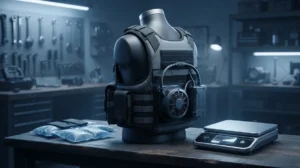
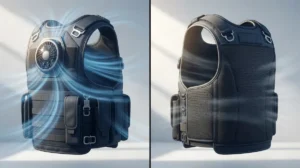
Combining passive and active cooling systems creates optimal performance: a ventilation vest like BluHalo lifts armor 1.5 inches off the body while an active fan system like Blufano continuously circulates air, delivering all-day relief in extreme heat.
-
Passive cooling vests are ideal for mobile outdoor missions with natural airflow, while active cooling systems excel in stationary, enclosed, or high-humidity environments where ambient airflow is insufficient.
-
Active fan systems like Blufano run 8-32 hours per charge and dramatically accelerate cooling when combined with air conditioning, making them essential for extended missions and 12+ hour shifts in 95+ degree heat.
-
Tactical cooling directly impacts operator safety and performance: reduced heat buildup improves focus, alertness, and decision-making while lowering heat stress-related health risks during duty.
-
Choose passive cooling for covert operations requiring silence; passive ventilation vests operate silently with zero maintenance, while active systems produce minimal hum unsuitable for stealth missions.
-
Quality ventilation vests work year-round by reducing both heat buildup in summer and clammy moisture accumulation in cold weather, making them universally valuable for tactical professionals across all climates.
If you wear body armor for a living, you already know the struggle. Heat builds up fast. Sweat soaks through your gear. Your focus starts to slip. For special operations teams, law enforcement SWAT units, and military personnel, this isn’t just uncomfortable — it can be dangerous. That’s why tactical cooling for special operations has become one of the most talked-about topics in protective gear circles in 2026.
The good news? There are real solutions out there. The big question is: which approach works better — passive ventilation or active cooling? Let’s break both down so you can make the smartest choice for your mission, your shift, or your daily duty.
What Is Passive Tactical Cooling?
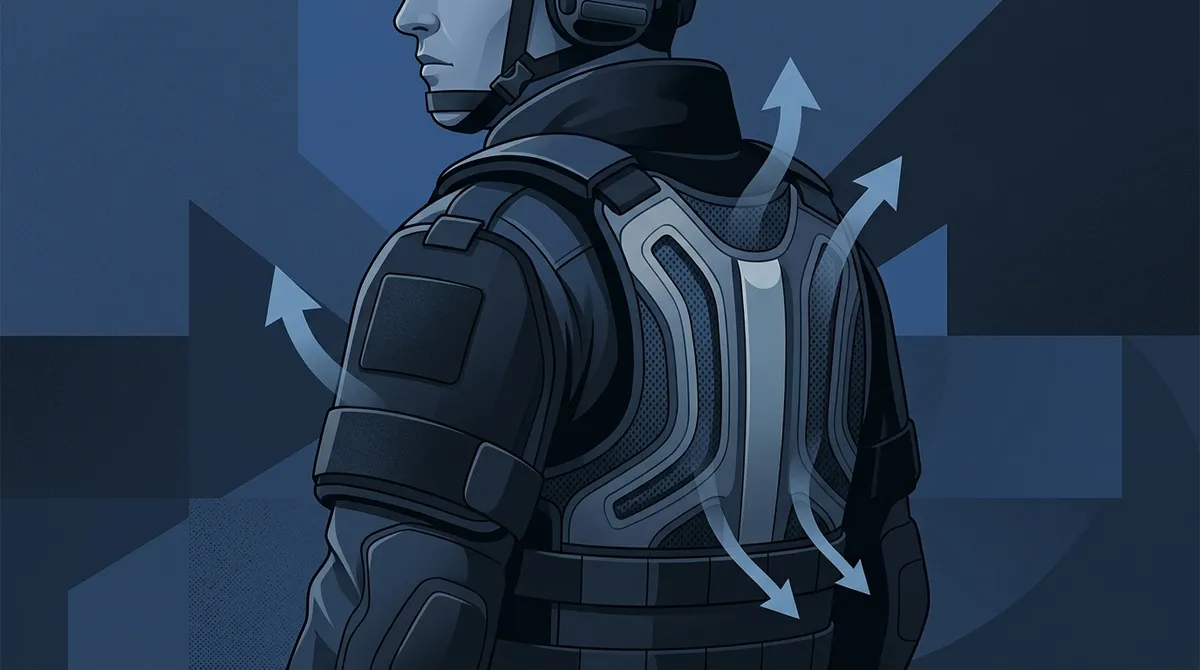
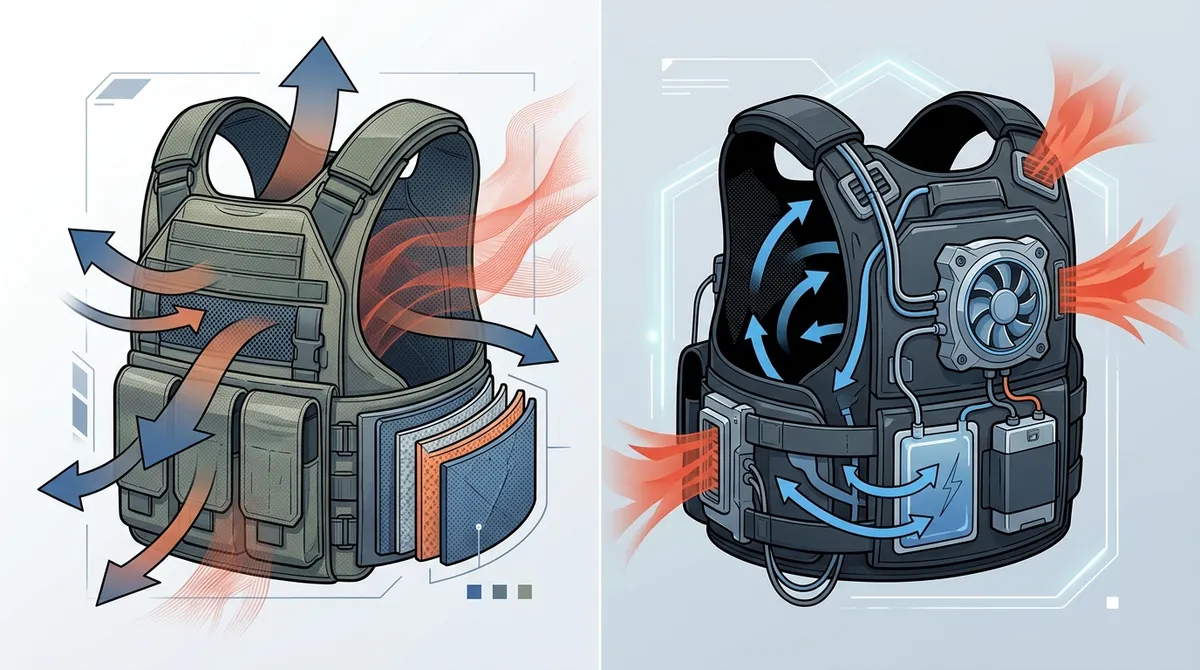
Passive cooling relies on airflow without any powered components. Think mesh fabrics, air channels, and structural designs that lift armor away from your body. When your gear creates space between your skin and your vest, heat and moisture have somewhere to go. Air moves through naturally, and sweat can evaporate instead of pooling against you.
Products like mesh ventilation vests and 3D-structure undergarments fall into this category. The MILITAUR ventilation vest, for example, uses a 3D mesh design to prevent armor compression and allow fresh air to circulate freely underneath. It’s lightweight, requires no power, and works around the clock.
How Passive Cooling Works in the Field
The science is simple. When body armor sits directly against your skin, it traps heat like a lid on a pot. Passive ventilation vests create separation — sometimes up to 1.5 inches of airspace — so your body’s natural cooling system can actually do its job. Sweat evaporates. Heat escapes. You stay more alert and comfortable.
This approach works best in environments with some natural airflow, like outdoor patrol, open-field operations, or mobile missions. It’s quiet, lightweight, and requires zero maintenance beyond washing. If you want to understand more about this concept, check out this helpful guide on what vest ventilation is and why you need it.
What Is Active Tactical Cooling?
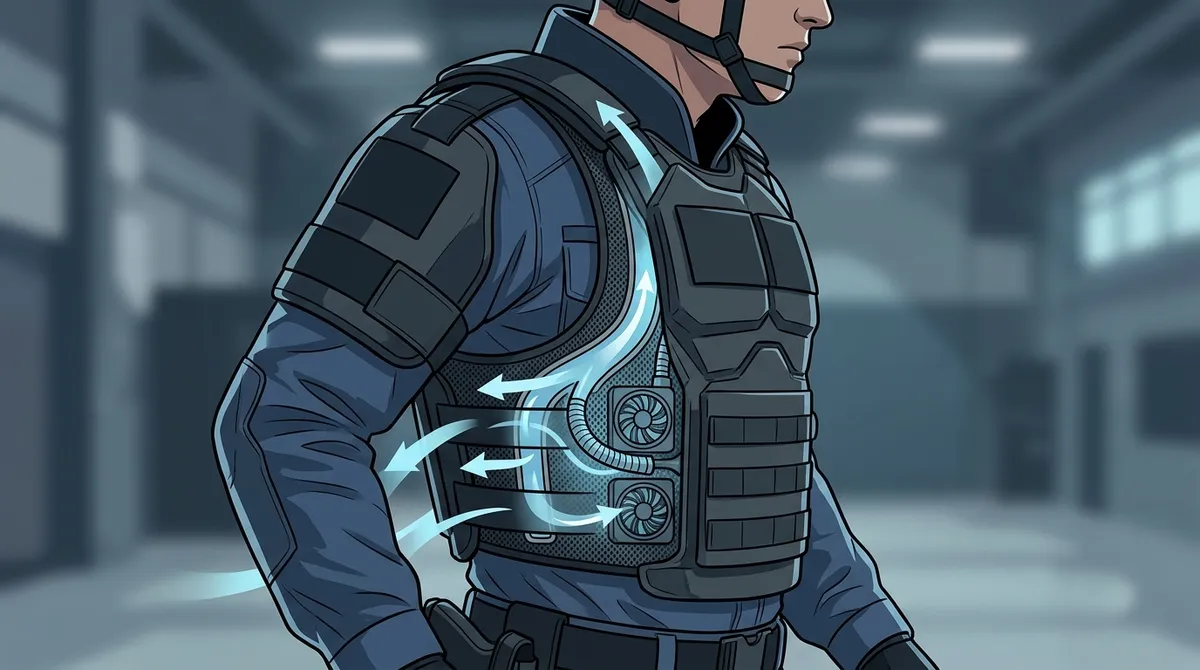
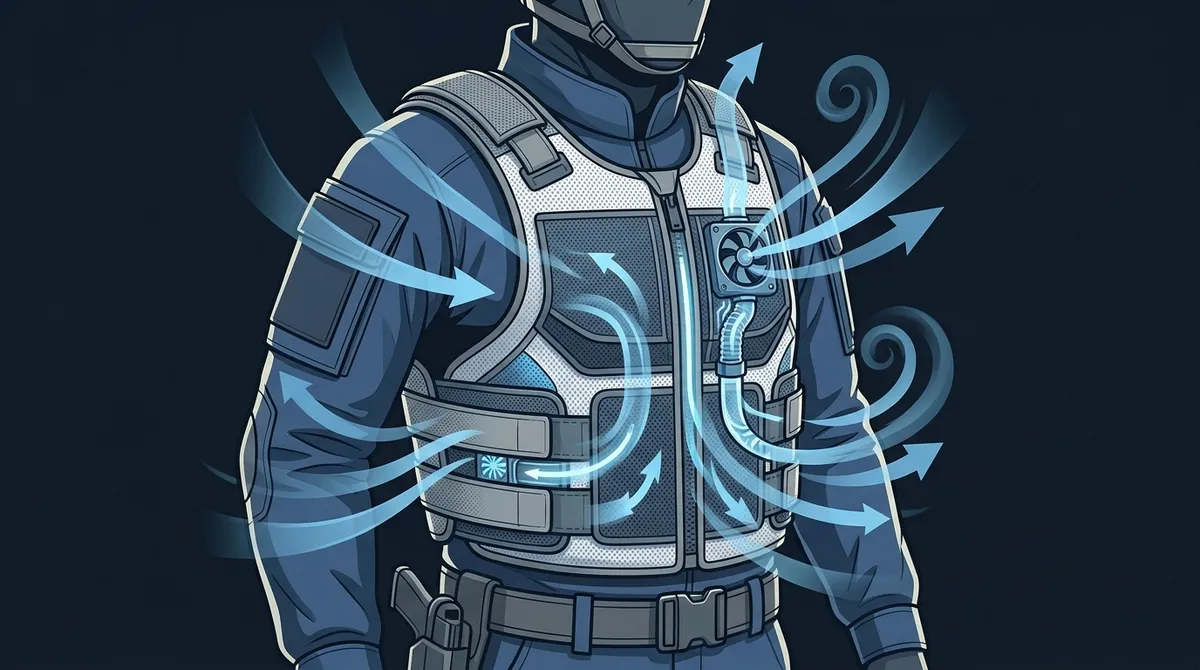
Active cooling takes things a step further. Instead of relying on ambient airflow, active systems use powered fans to push fresh air under your armor continuously. This means cooling happens whether you’re moving or standing still — indoors or out.
Active systems are a game-changer for special operations personnel working in hot vehicles, confined spaces, or high-humidity environments where natural airflow just isn’t enough. The Blufano fan system is a prime example — it’s a self-contained unit with a patented air-redirect spout that slides under any style of body armor. It runs for 8 to 32 hours on a single charge and even includes a 10,000mAh power bank for charging your other devices on the go.
How Active Cooling Performs Under Pressure
Imagine you’re on a 12-hour shift in 95-degree heat. You’re in and out of a patrol vehicle, moving between air-conditioned interiors and sweltering outdoor scenes. Passive cooling helps, but an active fan system can accelerate the cooling process dramatically — especially when you get back in the vehicle and the AC kicks in. The fan circulates that cooler air directly under your vest, giving you faster relief. According to the OSHA Heat Stress Guide, managing body temperature is critical for worker safety in high-heat environments, making active cooling tools not just comfortable but essential.
For a detailed look at how fan-driven systems work, visit our article on how active cooling systems work in ventilation vests.
Passive vs. Active: A Side-by-Side Comparison
Let’s put both options under the microscope. Here’s a clear breakdown of how passive and active tactical cooling systems compare across the key categories that matter most to special operations professionals.
| Feature | Passive Cooling | Active Cooling |
|---|---|---|
| Power Required | No | Yes (battery-powered) |
| Cooling Intensity | Moderate | High |
| Works in Still Air | Limited | Yes |
| Weight | Very light | Slightly heavier |
| Noise Level | Silent | Minimal hum |
| Battery Life | N/A | 8–32 hours |
| Best For | Mobile, outdoor missions | Stationary and high-heat ops |
| Maintenance | Wash and go | Charge and clean |
Top Tactical Cooling Technologies in 2026
The ventilation vest market has grown a lot in recent years. Here’s a quick look at some of the leading technologies making waves in tactical cooling for special operations right now.
| Technology | Type | Key Feature | Best Use Case |
|---|---|---|---|
| BluHalo Ventilation Vest | Passive (inflatable) | Lifts armor 1.5 inches off the body | Daily duty, patrol, law enforcement |
| Blufano Fan System | Active | Fan-driven airflow, 8–32 hour battery | Extended missions, hot environments |
| Maxx-Dri Vest 5.0 | Passive (mesh) | Dual-chambered airflow design | General tactical use |
| INUTEQ Respire® | Passive/Hybrid | Body-mapped air channels, Flashcool® tech | Military and ballistic-rated operations |
| Body Armor Vent EVAP™ | Passive | Foam vertical channels for evaporative cooling | Outdoor patrol, humid climates |
Among these options, the BluHalo ventilation vest stands out for its clever on-demand inflation system. Created by a Chicago police officer, it was designed to solve real-world overheating problems. It weighs under 7 ounces, sits flat when deflated, and lifts your armor up to 1.5 inches when inflated — giving you a cooling air gap exactly when you need it. You can learn more about how to use the BluHalo vest for maximum comfort.
Who Needs Tactical Cooling Most?
Not everyone faces the same heat challenges. Here’s a look at which professionals benefit most from each cooling approach — and why it matters for their specific roles.
Law Enforcement and Patrol Officers
Patrol officers wear body armor for 8 to 12 hours every shift. Heat fatigue is real, and it affects decision-making. A passive vest like BluHalo provides quiet, consistent airflow relief. On especially hot days, pairing it with the Blufano fan system creates a powerful combination for all-day comfort. Check out our guide on the 9 best police vest cooling systems for hot shifts for more options.
Military Personnel and Special Forces
Soldiers operating in desert or jungle environments face extreme heat stress. Missions can last hours or days with little rest. Active cooling systems with long battery life — like Blufano’s 32-hour run time on the lowest setting — are ideal here. The Body Armor Standards from the National Institute of Justice also remind us that comfort and wearability are increasingly important design considerations in modern tactical gear. For more on military-specific cooling, see how to choose a military cooling vest that keeps you combat-ready.
SWAT and Tactical Teams
SWAT operations are intense, high-stakes, and physically demanding. Heavy armor plus high adrenaline equals serious heat buildup. A lightweight passive vest worn beneath plate carriers can make a meaningful difference in performance and endurance. Read more about the best plate carrier ventilation solutions for 2026.
Security Professionals and First Responders
Security guards and emergency responders often work long hours in varied climates. They need flexible solutions that work in both hot and cold conditions. The good news is that quality ventilation vests function year-round — improving airflow in summer and reducing clamminess in winter. See our guide on how to choose emergency responder gear that keeps you cool.
Key Benefits of Tactical Cooling Vests at a Glance
Whether you go passive or active, a good ventilation vest delivers real, measurable benefits. Here’s what you can expect:
- Reduced heat buildup: Separation between armor and skin lets trapped heat escape naturally
- Less moisture against the skin: Sweat evaporates instead of soaking into your gear
- Better focus and alertness: Cooler body temperature = sharper thinking
- Reduced fatigue: Your body works less hard to stay cool, saving energy for the mission
- Year-round comfort: Works in hot and cold environments alike
- Improved safety: Heat stress prevention directly reduces health risks on duty
How to Choose the Right Tactical Cooling System
Choosing the right system comes down to your specific role, environment, and preferences. Here’s a simple step-by-step process to help you decide:
- Assess your environment: Do you work mostly outdoors with natural airflow, or in enclosed, hot spaces? Outdoor = passive works well. Enclosed = active is better.
- Consider your shift length: Longer shifts benefit more from active systems with long battery life.
- Think about noise sensitivity: Covert ops or silent approach situations may favor passive cooling.
- Evaluate your gear setup: Make sure any vest or fan unit is compatible with your existing armor and carrier.
- Budget wisely: Passive vests are generally more affordable. Active systems cost more but deliver more consistent results. Consider bundling both for maximum performance.
For a deeper dive into the selection process, check out how to choose the right body armor ventilation vest in 2026. You can also explore passive vs. active tactical vest ventilation compared head-to-head.
Common Mistakes to Avoid
Even great gear can underperform if used incorrectly. Here are some pitfalls to steer clear of:
- Wearing a ventilation vest that’s too thick and reduces mobility
- Not charging your active system before a long shift
- Choosing a passive vest that doesn’t create enough separation from the armor
- Skipping the vest altogether and relying only on moisture-wicking undershirts
- Using a system that isn’t compatible with your specific armor or carrier type
Avoiding these mistakes can make a huge difference. For a full list, visit 7 mistakes to avoid with a body armor ventilation system. You can also learn about how to prevent heat stress while wearing body armor for broader safety tips.
The Verdict: Which Tactical Cooling Approach Wins?
Here’s the honest answer: it depends on your mission — but the best operators don’t choose between passive and active cooling. They use both. A passive ventilation vest like BluHalo creates the foundation — lifting armor off the body and allowing airflow at all times. Add the Blufano active fan system on top, and you’ve got a powerhouse cooling setup that works around the clock, in any condition.
Special operations demand peak performance. Heat is the enemy of performance. The solution isn’t complicated — it’s just about having the right gear. And in 2026, that gear is better than ever. Whether you’re a patrol officer, a soldier in the field, or a SWAT operator preparing for a high-risk entry, tactical cooling for special operations is no longer optional. It’s a force multiplier. You can explore the full range of options at the BluHalo ventilation vest shop and find the right combo for your needs. Also, don’t miss our resource on the best vest cooling systems to beat the heat in body armor.
Ready to stay cooler, work smarter, and perform better on every mission? Reach out to our team and we’ll help you find the perfect tactical cooling solution for your specific needs. You deserve to be comfortable — no matter how intense the mission gets.
FAQs
Q: What is the best tactical cooling solution for special operations personnel?
A: The best approach combines passive and active cooling — a ventilation vest like BluHalo lifts armor off the body to create airflow, while an active fan system like Blufano continuously circulates fresh air underneath. Together, they provide powerful, all-day cooling relief even in extreme heat conditions.
Q: Do ventilation vests work under plate carriers and heavy tactical armor?
A: Absolutely! Ventilation vests like BluHalo are designed to work under all types of body armor, including plate carriers and heavy tactical rigs. They create a cooling air gap of up to 1.5 inches between the armor and your skin, which works regardless of how heavy or bulky the carrier is.
Q: How long does an active tactical cooling fan system last on a single charge?
A: Active systems like the Blufano fan unit can run between 8 and 32 hours on a single charge depending on the fan speed setting. That’s more than enough for most shifts and many extended missions, making it a reliable choice for long-duration tactical operations.
Q: Can tactical cooling vests be used in cold weather environments too?
A: Yes — and this surprises a lot of people! Ventilation vests don’t just cool you down in hot weather. They also reduce the clammy, uncomfortable moisture buildup that happens in cold climates when your body sweats under armor. They’re genuinely useful year-round for tactical professionals.
Q: Is passive or active cooling better for covert special operations missions?
A: For covert missions where silence is critical, passive cooling is the smarter choice since it produces zero noise. A mesh or inflatable ventilation vest like BluHalo works silently to separate armor from skin and allow natural airflow. Active systems with fan motors may be better suited for vehicle-based or stationary operations where minimal noise isn’t a concern.